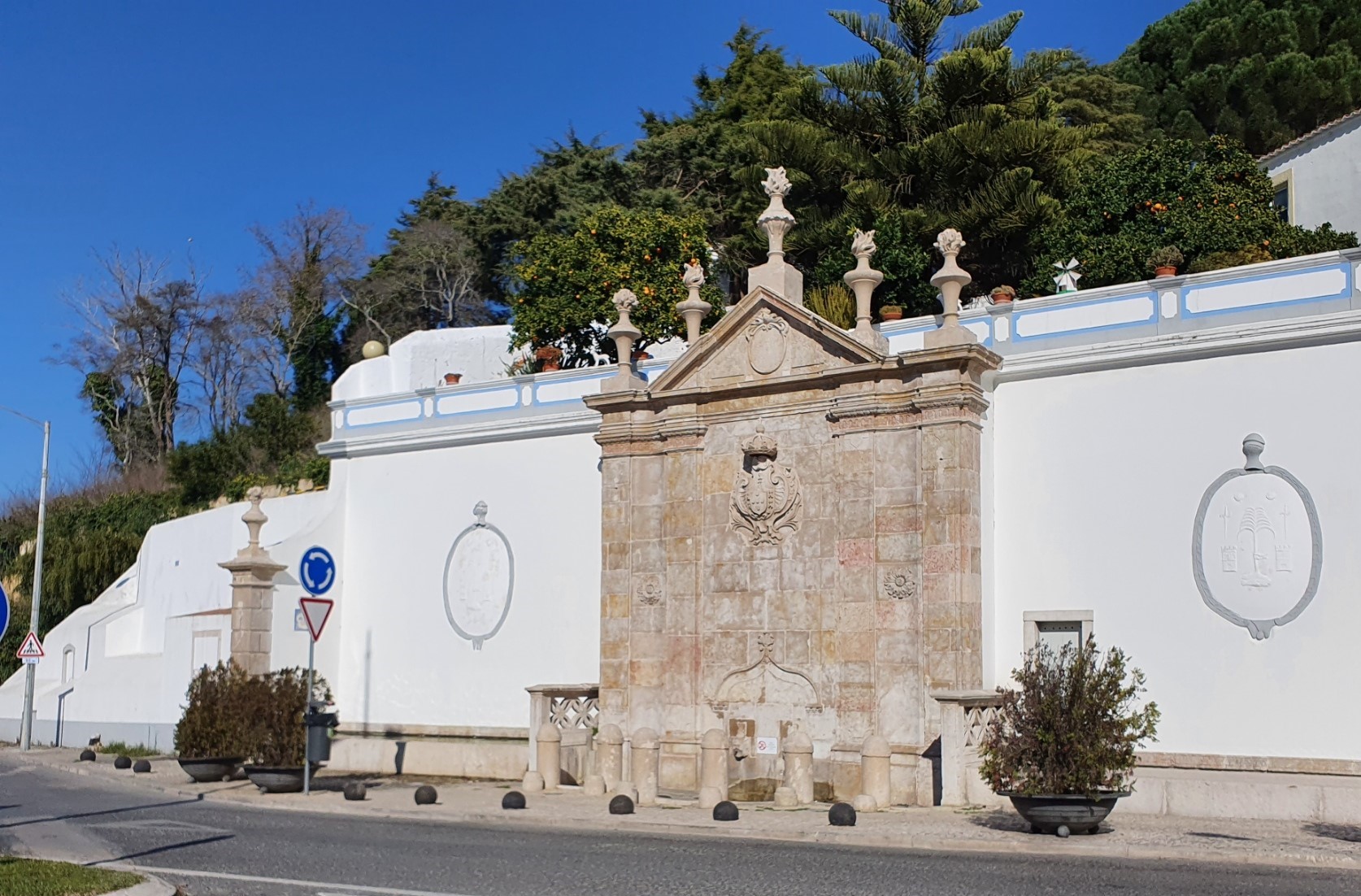
Chafariz Dona Maria I – The Hidden Fountain Gem of Setúbal, Portugal
Discover the charm of a centuries‑old fountain tucked away in the historic streets of Setúbal, and learn how to make the most of this off‑the‑beaten‑path attraction.
1. Introduction
If you’re wandering the winding alleys of Setúbal’s old town, you might stumble upon a modest stone structure that quietly commands attention: Chafariz Dona Maria I. Unlike the grandiose monuments that dominate guidebooks, this fountain offers a serene pause, a splash of history, and a perfect photo‑op for the curious traveler. Whether you’re a history buff, a fountain aficionado, or simply looking for a tranquil spot to sip a café while people‑watching, Chafariz Dona Maria I is a must‑see hidden treasure in the heart of the Setúbal Peninsula.
2. About Chafariz Dona Maria I
Description
Chafaril Dona Maria I is a traditional Portuguese stone fountain situated at 38.570498, ‑8.903941 (Palmela, Setúbal). The fountain’s simple yet elegant design features a rectangular basin fed by a modest water spout that arches gracefully from the stone façade. Its weathered limestone surface tells the story of centuries of rain, sunlight, and countless hands that have turned the tap.
Historical Background
The fountain bears the name of Dona Maria I, Portugal’s first reigning queen (1777‑1816). While the exact date of construction is not recorded, many municipal fountains across Portugal were erected during the late 18th and early 19th centuries to provide clean water to residents and travelers. Naming a public water source after the queen was a common way to honor the monarchy and underscore civic pride.
The fountain likely served as a vital water point for locals, market vendors, and horse‑drawn carts that once filled Setúbal’s bustling streets. Over time, as modern plumbing replaced many public wells, Chafaril Dona Maria I transitioned from a functional necessity to a cultural landmark, preserving a slice of Setúbal’s urban heritage.
Significance
- Cultural heritage – The fountain is listed in Portuguese heritage registers (see the Portuguese Wikipedia entry) and reflects the city’s commitment to preserving its historic urban fabric.
- Architectural value – Its simple stone craftsmanship exemplifies the modest public works typical of the era, contrasting with the more ornate baroque fountains found in larger Portuguese cities.
- Community focal point – Even today, locals gather around the fountain’s cool mist during summer festivals and religious processions, making it a living piece of Setúbal’s social tapestry.
3. How to Get There
By Air
The nearest international gateway is Lisbon Portela Airport (LIS), roughly 50 km north of Setúbal. From the airport, you can rent a car, take a train, or hop on a bus to the city.
By Train
- Comboios de Portugal (CP) runs frequent regional trains from Lisbon’s “Oriente” or “Entrecampos” stations to Setúbal (approximately a 45‑minute ride).
- Disembark at Setúbal Station; the fountain is a short 10‑minute walk into the historic centre.
By Bus
- Rede Expressos and TST (Transportes Sul do Tejo) operate regular services from Lisbon’s Sete Rios and Praça da Figueira terminals to Setúbal.
- Get off at the Setúbal Central Bus Station; the fountain lies within walking distance.
By Car
- From Lisbon, follow the A2 motorway south to the A33 toward Setúbal.
- Take exit Setúbal – Centro and follow signs to the historic centre (Rua da Palma). Parking is available in several public garages near the waterfront (e.g., Parque de Estacionamento da Praça da República).
Walking Directions (from Setúbal Train/Bus Station)
- Head southeast on Rua da Palma toward the river.
- Turn left onto Rua da Praça da República.
- Continue straight; the fountain stands near the intersection with Rua do Almirante—look for the stone basin and the plaque bearing “Dona Maria I”.
Tip: The fountain sits at an altitude typical of Setúbal’s low‑lying coastal plain, so expect a flat, easy stroll.
4. Best Time to Visit
| Season | Why Visit? | Weather & Crowd Insight |
|---|---|---|
| Spring (Mar‑May) | Blooming jacaranda trees frame the historic streets, creating a picturesque backdrop. | Mild temperatures (15‑22 °C) and fewer tourists—ideal for relaxed exploration. |
| Summer (Jun‑Aug) | Evening mist from the fountain feels refreshing after a day of sun. | Warm (25‑30 °C). Expect more locals gathering, especially during festivals. |
| Autumn (Sep‑Nov) | Golden light accentuates the stonework, and the nearby markets are vibrant. | Pleasant (18‑24 °C). Slightly fewer crowds than peak summer. |
| Winter (Dec‑Feb) | Quiet atmosphere; the fountain’s gentle flow looks especially serene in the cool air. | Cooler (10‑15 °C) with occasional rain—bring a waterproof jacket. |
Overall recommendation: Late spring (April–May) offers the perfect blend of comfortable weather, blooming surroundings, and manageable visitor numbers.
5. What to Expect
When you arrive, you’ll be greeted by the gentle sound of water echoing off the stone basin—a soothing soundtrack to the hum of Setúbal’s streets. The fountain’s modest size makes it an intimate spot for:
- Photography: Capture the contrast of ancient limestone against the modern city backdrop. Early morning light or the golden hour adds a magical glow.
- Cultural immersion: Watch locals refill water bottles, chat, or sit on nearby benches. During religious festivals, you may see the fountain adorned with ribbons and flowers.
- Refreshment: Although the water is not for drinking, the cool mist offers a pleasant respite on hot days. Nearby cafés (e.g., Café Central) serve espresso and pastel de nata—perfect for a quick snack.
The surrounding cobblestone streets are lined with historic façades, small boutiques, and artisan shops. The fountain acts as a natural waypoint, guiding you toward Setúbal’s bustling market square (Mercado do Livramento) and the scenic waterfront promenade.
6. Nearby Attractions
While you’re in the area, make the most of your time by visiting these nearby points of interest—each within a short walk (0.1–1.2 km) of Chafaril Dona Maria I.
| Attraction | Distance | What to See | Link |
|---|---|---|---|
| Chafariz do Largo São João Baptista | 0.1 km | Another historic fountain with ornate stone carvings. | Wikipedia – Chafariz do Largo São João Baptista |
| Fonte do Samouco | 1.0 km | A charming spring-fed fountain nestled in a quiet courtyard. | Wikipedia – Fonte do Samouco |
| Fonte da Rocha | 1.2 km | A natural spring surrounded by lush vegetation—great for a short nature walk. | Wikipedia – Fonte da Rocha |
| Setúbal Market (Mercado do Livramento) | 0.2 km | One of Portugal’s most beautiful indoor markets—fresh fish, local produce, and vibrant tiles. | Setúbal Market Official Site |
| Setúbal Castle (Castelo de São Filipe) | 1.5 km | Panoramic views over the city and the Sado River from a 16th‑century fortification. | Castelo de São Filipe – Visit Portugal |
All distances are approximate walking distances from the fountain.
7. Travel Tips
| Tip | Details |
|---|---|
| Bring comfortable shoes | Cobblestones can be uneven; sturdy walking shoes will keep you comfortable. |
| Stay hydrated | While the fountain’s water isn’t potable, refill your bottle at nearby cafés or the market. |
| Check opening hours for nearby attractions | Some sites (e.g., Castelo de São Filipe) close early in winter. |
| Respect local customs | The fountain is a communal space; avoid littering and keep noise levels low, especially during religious processions. |
| Use a local SIM or offline maps | GPS works well in Setúbal, but signal can dip in narrow alleys. |
| Try the local seafood | Setúbal is famous for “choco frito” (fried cuttlefish) – a perfect lunch after your fountain visit. |
| Photography etiquette | Ask permission before photographing locals, especially during festivals or private gatherings. |
| Cash & cards | Most shops accept cards, but small vendors and market stalls often prefer cash (euros). |
| Safety | Setúbal is generally safe; keep an eye on personal belongings in crowded areas. |
| Seasonal festivals | If you’re visiting in June, look out for the Festa de São João, where fountains are illuminated and decorated. |
Final Thought
Chafariz Dona Maria I may not dominate travel brochures, but its quiet elegance encapsulates the soul of Setúbal—where history, daily life, and natural beauty flow together. By weaving this modest fountain into your itinerary, you’ll experience a more authentic side of Portugal, one that many tourists overlook. So, lace up your walking shoes, follow the sound of water, and let the spirit of Dona Maria I guide you through the heart of Setúbal.
Happy travels!