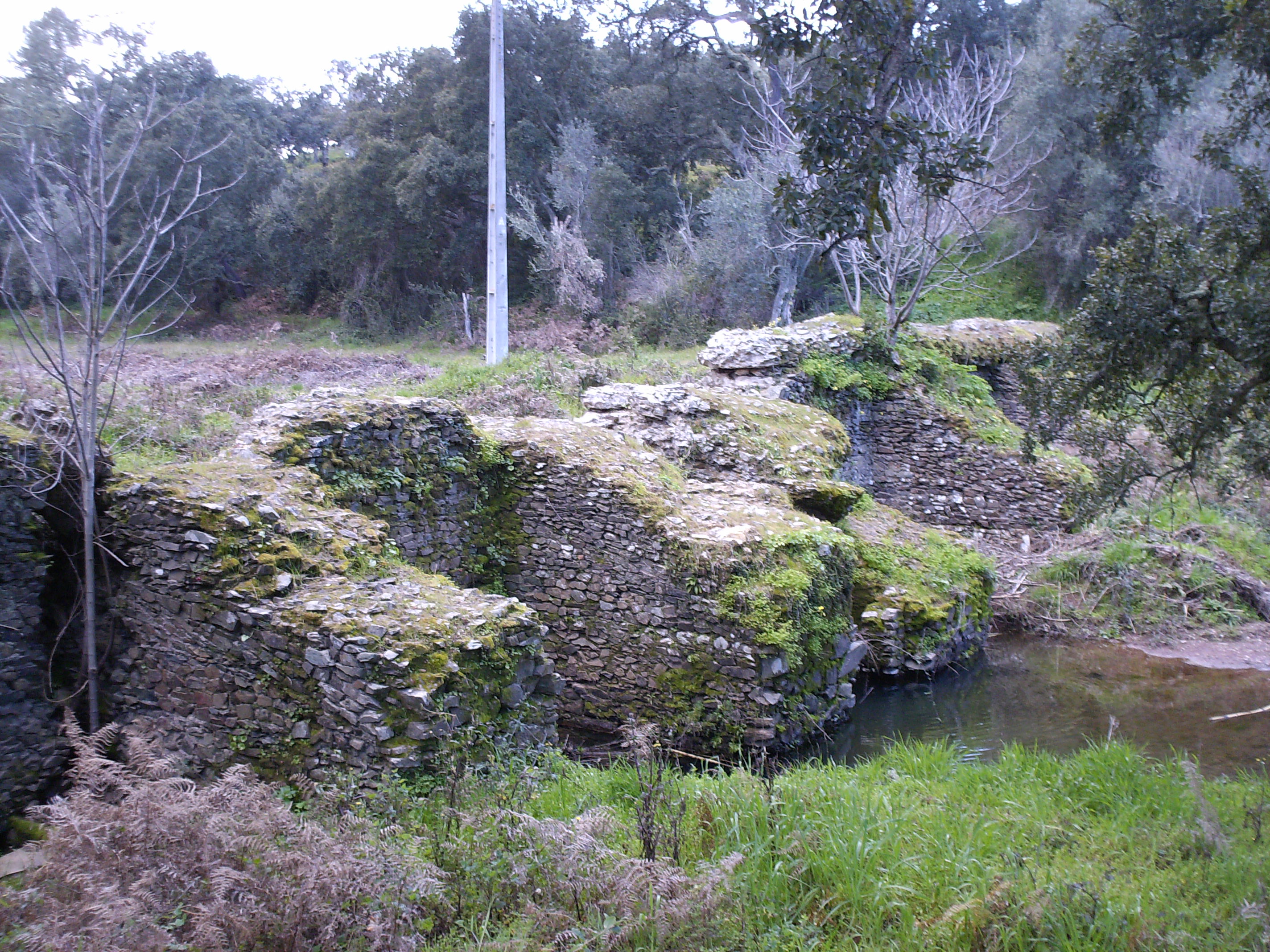
Barragem Romana do Pego da Moura – A Hidden Roman Gem in Setúbal, Portugal
Explore the ancient engineering marvel that quietly guards the countryside of Grândola, and discover why this Roman dam deserves a spot on your Portugal itinerary.
1. Introduction
Imagine stepping back nearly two millennia to a time when the Roman Empire stretched from Britain to the Middle East, and its engineers were already mastering the art of water management. Today, that legacy lives on in the Barragem Romana do Pego da Moura, a modest yet striking Roman dam perched in the rolling hills of Grândola, Setúbal.
Unlike the bustling tourist magnets of Lisbon or the sun‑kissed beaches of the Algarve, Pego da Moura offers a tranquil, off‑the‑beaten‑path experience. Whether you’re a history buff, a photography enthusiast, or simply a traveler craving authentic Portuguese countryside, this ancient structure invites you to pause, reflect, and marvel at the ingenuity of a civilization that thrived over 1,800 years ago.
2. About Barragem Romana do Pego da Moura
A Brief History
The Barragem Romana do Pego da Moura (Portuguese for “Roman Dam of Pego da Moura”) dates back to the Roman occupation of the Iberian Peninsula, roughly between the 1st and 4th centuries AD. Built to capture and regulate water from the surrounding watershed, the dam played a crucial role in supporting agriculture, livestock, and settlement life in the region.
While the exact dimensions—such as height and altitude—remain undocumented, the dam’s stone masonry and characteristic “gravity‑dam” design are unmistakably Roman. Its enduring stone arches and carefully placed spillways demonstrate the Romans’ sophisticated understanding of hydraulics, a knowledge that would influence European engineering for centuries to come.
Why It Matters
- Cultural heritage – The dam is a rare example of Roman civil engineering in the Alentejo‑Setúbal area, offering a tangible link to Portugal’s ancient past.
- Landscape integration – Nestled among olive groves and cork oak forests, the structure blends seamlessly with the natural environment, creating a picturesque tableau that changes with the seasons.
- Educational value – For students of archaeology, architecture, and water management, Pego da Moura serves as an open‑air classroom, illustrating how ancient societies solved practical challenges with limited technology.
3. How to Get There
By Air
The nearest international gateway is Lisbon Portela Airport (LIS), just 70 km (≈ 45 mi) north of the dam. From Lisbon, you have three main options:
| Mode | Approx. Time | Notes |
|---|---|---|
| Rental Car | 1 h 15 min | The most flexible way. Take the A2 motorway south, then follow the N120 toward Grândola. |
| Train + Taxi | 2 h 30 min | Take the Comboios de Portugal (CP) train from Lisboa‑Oriente to Grândola (≈ 1 h 45 min). From the station, hail a local taxi or use a rideshare app for the final 15 km. |
| Guided Tour | Varies | Several Lisbon‑based tour operators offer day‑trip packages that include transport, a guide, and stops at nearby attractions. |
By Car
- From Lisbon: Head south on the A2 (toll road) toward Setúbal. Exit at Alcácer do Sal, then follow the N120 eastward to Grândola. Turn left onto Estrada da Pego da Moura; the dam sits just off the road, marked by a modest stone sign.
- From Setúbal: Take the N120 east for about 45 km; the route is scenic, passing through vineyards and cork forests.
Parking
A small, free parking lot lies directly beside the dam. Space is limited during peak weekend visits, so arriving early (especially in summer) ensures a spot.
4. Best Time to Visit
| Season | Weather | Visitor Experience |
|---|---|---|
| Spring (Mar‑May) | Mild (15‑22 °C), occasional rain | Lush greenery, blooming wildflowers, comfortable walking conditions. |
| Summer (Jun‑Aug) | Warm to hot (25‑33 °C), dry | Longer daylight hours for photography; bring water and sun protection. |
| Autumn (Sep‑Nov) | Pleasant (18‑24 °C), golden foliage | Ideal for quieter visits; the reservoir reflects the amber light beautifully. |
| Winter (Dec‑Feb) | Cool (10‑15 °C), occasional rain | Fewer tourists, dramatic skies; some pathways may be slick—wear sturdy shoes. |
Peak recommendation: Late April to early June or late September. These windows combine pleasant weather, vibrant scenery, and manageable crowds.
5. What to Expect
The Setting
Approaching the dam, you’ll first notice the gentle curve of the stone wall hugging a shallow reservoir. The water, fed by seasonal runoff, mirrors the surrounding hills and the occasional cloud drift—perfect for reflective photography.
Walking the Site
- Viewpoints: A short, well‑maintained trail leads to a raised platform offering a panoramic vista of the dam, the reservoir, and the distant village of Grândola.
- Interpretive signs: Portuguese plaques explain the dam’s construction technique and its role in Roman agriculture. (English translations are limited, so a quick smartphone translation app can be handy.)
- Wildlife: Look out for European green lizards, kingfishers, and occasional wild boar tracks near the water’s edge.
Atmosphere
The site exudes a quiet, almost meditative vibe. You’ll hear the soft rustle of olive trees, the distant lowing of cattle, and, when the wind picks up, a faint echo of water spilling over the ancient spillways. It’s an ideal spot for a picnic, a sketch, or simply a moment of contemplation away from the usual tourist bustle.
6. Nearby Attractions
While the dam itself is the star, the surrounding area offers several complementary points of interest that can round out a half‑day or full‑day itinerary.
| Attraction | Distance | Highlights | Link |
|---|---|---|---|
| Jardim 1º de Maio (historic fountain) | 2.5 km | Classic Portuguese garden with a decorative fountain; great for a short stroll. | Jardim 1º de Maio |
| Local Fountain (Unnamed) | 2.6 km | A modest stone fountain used by locals; perfect for a quick photo stop. | — |
| Nearby Dam (Unnamed) | 6.7 km | Another small dam showcasing regional water management; offers a contrasting modern design. | — |
| Additional Dam (Unnamed) | 9.6 km | Larger reservoir with walking trails and bird‑watching platforms. | — |
| Further Dam (Unnamed) | 9.6 km | Scenic spot popular with cyclists; occasional cultural events in summer. | — |
Tip: Combine the dam visit with a leisurely drive through the Alentejo countryside, stopping at local vineyards for a tasting of Moscatel or Alentejo reds.
7. Travel Tips
- Bring a good pair of walking shoes – The terrain around the dam is uneven, with some rocky sections.
- Stay hydrated – Even in spring, the sun can be strong. Carry a reusable water bottle.
- Respect the site – The dam is an archaeological monument; avoid climbing on the stone walls or removing any artifacts.
- Timing for photos – Early morning (sunrise) and late afternoon (golden hour) provide soft light that accentuates the stone textures and water reflections.
- Language – Portuguese is the primary language; most locals speak basic English, especially in tourist areas, but a few Portuguese phrases (e.g., “Obrigado” for thank you) go a long way.
- Cash for small purchases – Rural cafés and market stalls may prefer cash over cards.
- Check opening hours – The dam is publicly accessible year‑round, but nearby facilities (restrooms, cafés) may have seasonal schedules.
Final Thought
The Barragem Romana do Pego da Moura may not appear on every travel brochure, but that’s precisely why it feels like a discovery worth sharing. It offers a rare glimpse into Roman engineering, set against the serene backdrop of Portugal’s Setúbal district. Whether you’re charting a historic road trip across the Iberian Peninsula or simply seeking a quiet spot to unwind, this ancient dam invites you to pause, look, and listen to the whispers of centuries past.
Pack your camera, slip on those walking shoes, and let the timeless flow of Pego da Moura guide you to a truly unforgettable Portuguese experience.
Keywords: Barragem Romana do Pego da Moura, Roman dam Portugal, Setúbal attractions, Grândola travel, historic dams Portugal, things to do in Setúbal, Portuguese countryside, Roman engineering, travel tips Portugal, best time to visit Pego da Moura