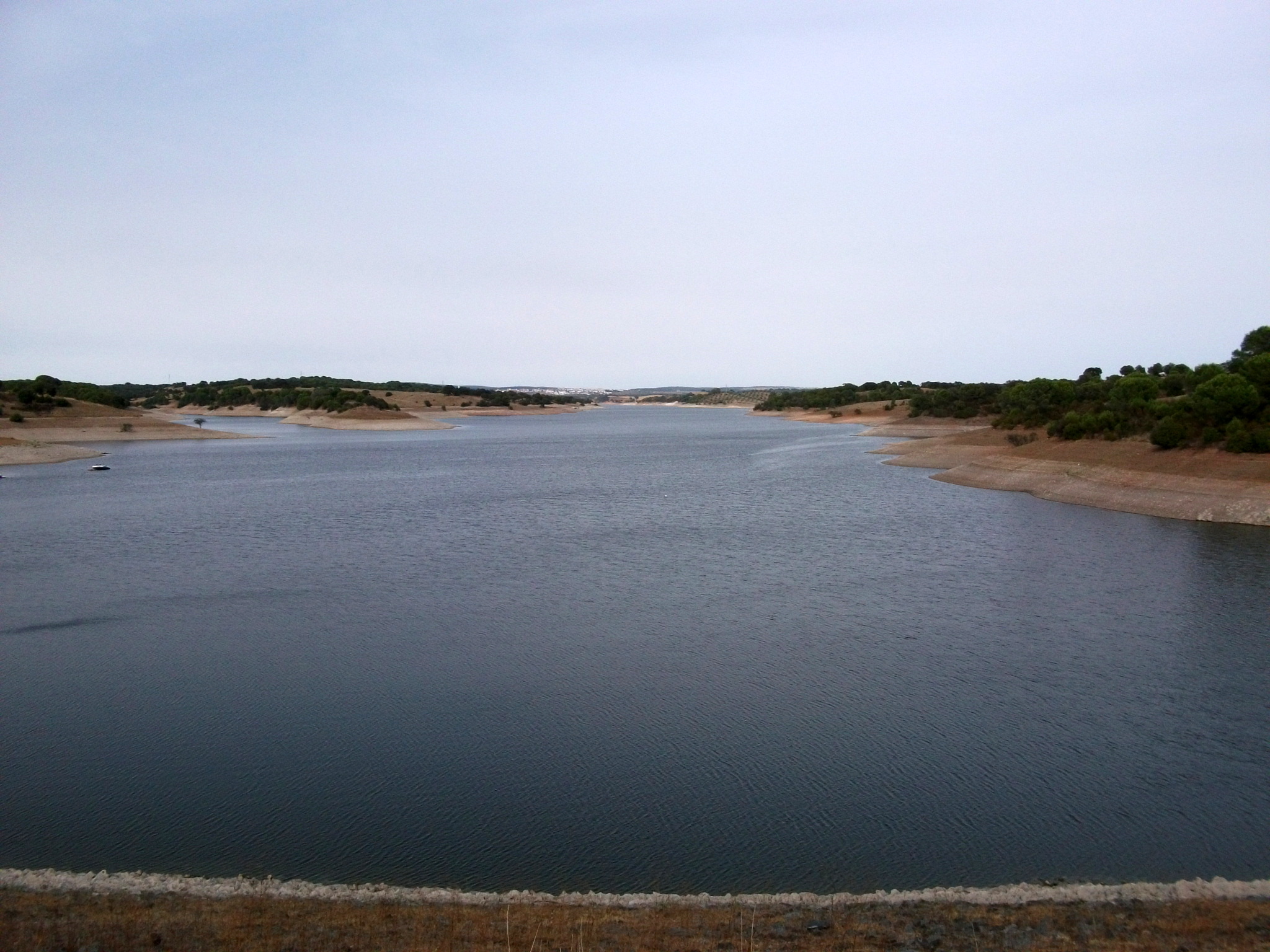
Barragem de Vale do Gaio – A Hidden Gem in Setúbal, Portugal
Discover the tranquil beauty of Portugal’s lesser‑known dam, its stunning surroundings, and how to make the most of your visit.
1. Introduction
If you’ve already explored the bustling streets of Lisbon, the golden beaches of the Algarve, or the historic castles of Sintra, it’s time to turn your compass toward the quiet heart of Alentejo. Nestled in the rolling hills of Alcácer do Sal, Barragem de Vale do Gaio (Vale do Gaio Dam) offers a peaceful retreat for nature lovers, photographers, and anyone looking to escape the tourist crowds. With its crystal‑clear reservoir, dramatic 34‑metre height, and panoramic views from 44.5 m above sea level, this modest dam packs a big punch for a day‑trip or a relaxed afternoon stop on a road‑trip through Setúbal.
2. About Barragem de Vale do Gaio
A Brief Overview
- Type: Concrete dam 🏗️
- Location: Alcácer do Sal, Setúbal District, Portugal
- Coordinates: 38.247760 N, ‑8.295173 W
- Height: 34 m (≈ 112 ft)
- Altitude: 44.5 m above sea level
Built to regulate the flow of the Rio Sado and to support local irrigation, the dam has become an integral part of the region’s water management system. While its primary purpose is functional, the reservoir has gradually turned into a beloved spot for picnics, bird‑watching, and low‑key water‑based recreation.
Historical Significance
The exact construction date of Barragem de Vale do Gaio isn’t widely documented, but its presence reflects Portugal’s broader 20th‑century push to modernise rural infrastructure. By stabilising water supplies for agriculture in the fertile Alentejo plains, the dam helped sustain the traditional vineyards, olive groves, and cereal fields that define the landscape today.
Why It Matters
- Ecological haven: The reservoir attracts a variety of waterfowl, including herons, kingfishers, and seasonal migratory species.
- Cultural touchstone: Local communities often gather here for festivals and family outings, making it a living part of the region’s social fabric.
- Scenic backdrop: The dam’s sleek concrete silhouette against the ochre hills creates a photographer’s dream, especially at sunrise or sunset.
For more technical details, you can visit the Portuguese Wikipedia page: Barragem de Vale do Gaio.
3. How to Get There
By Car
The most flexible way to reach the dam is by car. From Lisbon:
- Take the A2 motorway south toward Setúbal (≈ 50 km).
- Exit at Algueirão‑Mosqueteiro and follow signs for N120 toward Alcácer do Sal.
- After passing the town centre, look for the signs to Vale do Gaio; the dam is just off the main road, with a small parking area near the reservoir.
The total drive is about 1 hour 15 minutes (≈ 110 km) and offers scenic views of the Sado River valley.
By Public Transport
- Train + Bus: Take the Comboios de Portugal (CP) train from Lisbon’s “Oriente” or “Entrecampos” stations to Setúbal (≈ 45 min).
- From Setúbal, catch the regional bus (Linha 207) toward Alcácer do Sal. Get off at the “Vale do Gaio” stop (check the latest timetable on the Transportes Sul de Setúbal website).
- The bus ride takes roughly 45 minutes and drops you within a short walk of the dam’s parking lot.
By Bike or Hiking
For the adventurous, the Eco‑Trail Sado offers a marked cycling route that passes near the dam. The trail is moderate in difficulty, with gentle climbs and well‑maintained gravel sections. Bring plenty of water and a map, as cell coverage can be spotty in the countryside.
4. Best Time to Visit
| Season | Weather | What to Expect |
|---|---|---|
| Spring (Mar–May) | Mild temperatures (15‑22 °C), occasional rain | Ideal for bird‑watching; wildflowers bloom on the surrounding hills. |
| Summer (Jun–Aug) | Warm to hot (25‑33 °C), sunny | Perfect for picnics and a quick dip in the reservoir, but arrive early to avoid the midday heat. |
| Autumn (Sep–Nov) | Pleasant (18‑26 °C), lower humidity | Golden light makes photography spectacular; fewer visitors. |
| Winter (Dec–Feb) | Cool (10‑15 °C), occasional rain | Quietest period; great for reflective walks, but some facilities may have limited hours. |
Overall, late spring and early autumn provide the best balance of comfortable weather, vibrant scenery, and manageable crowds.
5. What to Expect
The Landscape
Approaching the dam, you’ll first notice the tranquil blue of the reservoir, framed by low‑lying olive groves and vineyards that stretch toward the horizon. The water’s surface often mirrors the sky, creating a seamless blend of earth and atmosphere.
Activities
- Photography: Capture the dam’s clean lines against the soft, pastel sky at sunrise, or the dramatic shadows at sunset.
- Bird‑watching: Bring binoculars; the reservoir is a stopover for migratory species during spring and autumn.
- Picnicking: Small picnic tables and shaded benches are scattered near the parking area—perfect for a leisurely lunch.
- Gentle walks: A short, well‑marked trail circles the reservoir, offering multiple viewpoints and spots to sit and reflect.
Facilities
- Parking: Free, limited spaces (arrive early in peak season).
- Restrooms: Basic facilities near the main entrance.
- Information board: Provides details on water levels, local flora, and safety guidelines.
Safety note: Swimming is allowed in designated zones, but there are no lifeguards. Keep an eye on water level signs, especially after heavy rain.
6. Nearby Attractions
While Barragem de Vale do Gaio can easily fill a half‑day, the surrounding area offers additional points of interest within a short drive:
| Distance | Attraction | Type | Link |
|---|---|---|---|
| 3.6 km | Weir in Setúbal | Weir | Google Search – Weir Setúbal |
| 6.8 km | Dam in Setúbal | Dam | Google Search – Dam Setúbal |
| 7.5 km | Weir in Beja | Weir | Google Search – Weir Beja |
| 7.6 km | Weir in Beja | Weir | Google Search – Weir Beja |
| 7.8 km | Weir in Beja | Weir | Google Search – Weir Beja |
Bonus stop: The historic town of Alcácer do Sal (≈ 12 km north) is worth a detour. Its medieval castle, Roman bridge, and vibrant riverfront cafés provide a perfect blend of culture and cuisine after a morning at the dam.
7. Travel Tips
- Check water levels – The reservoir’s surface can fluctuate dramatically after heavy rain. The information board at the site updates daily.
- Dress in layers – Even in summer, mornings can be cool at 44.5 m altitude, while afternoons become hot.
- Bring cash – Small kiosks in nearby villages may not accept cards.
- Respect the environment – Pack out all litter and stay on marked paths to protect the local flora and nesting birds.
- Timing is everything – Arrive before 10 am in summer to secure a parking spot and enjoy the softer light for photos.
- Combine with a wine tour – The Alentejo region is famous for its robust reds. Many local wineries offer tours within a 20‑minute drive from the dam.
- Stay connected – Mobile coverage can be patchy. Download offline maps (e.g., Google Maps offline area) before you set off.
Final Thoughts
Barragem de Vale do Gaio may not have the fame of Portugal’s iconic landmarks, but its quiet charm, striking engineering, and surrounding natural beauty make it a rewarding destination for any traveler seeking an authentic slice of Setúbal’s countryside. Whether you’re a photographer chasing the perfect light, a bird‑watcher tracking seasonal migrations, or simply a wanderer craving a peaceful spot to unwind, the dam offers a slice of serenity that stays with you long after you leave the reservoir’s edge.
Pack a snack, charge your camera, and set your GPS to 38.247760, -8.295173—the hidden heart of Alentejo awaits!