Fonte dos Leões – The Roaring Heart of Porto’s Historic Center
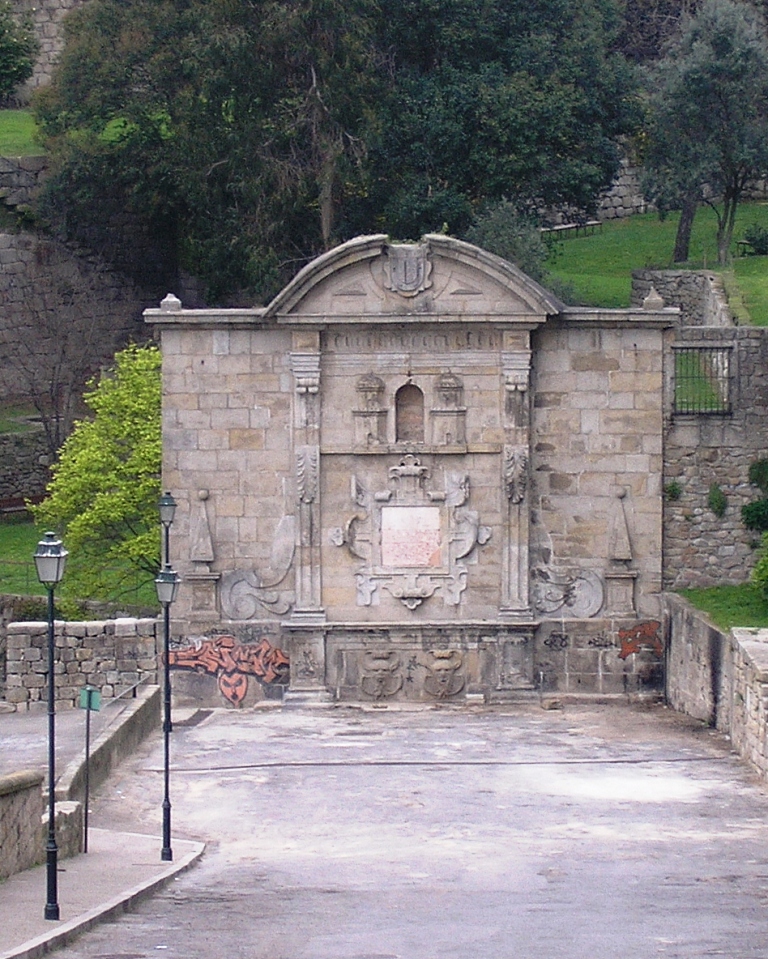
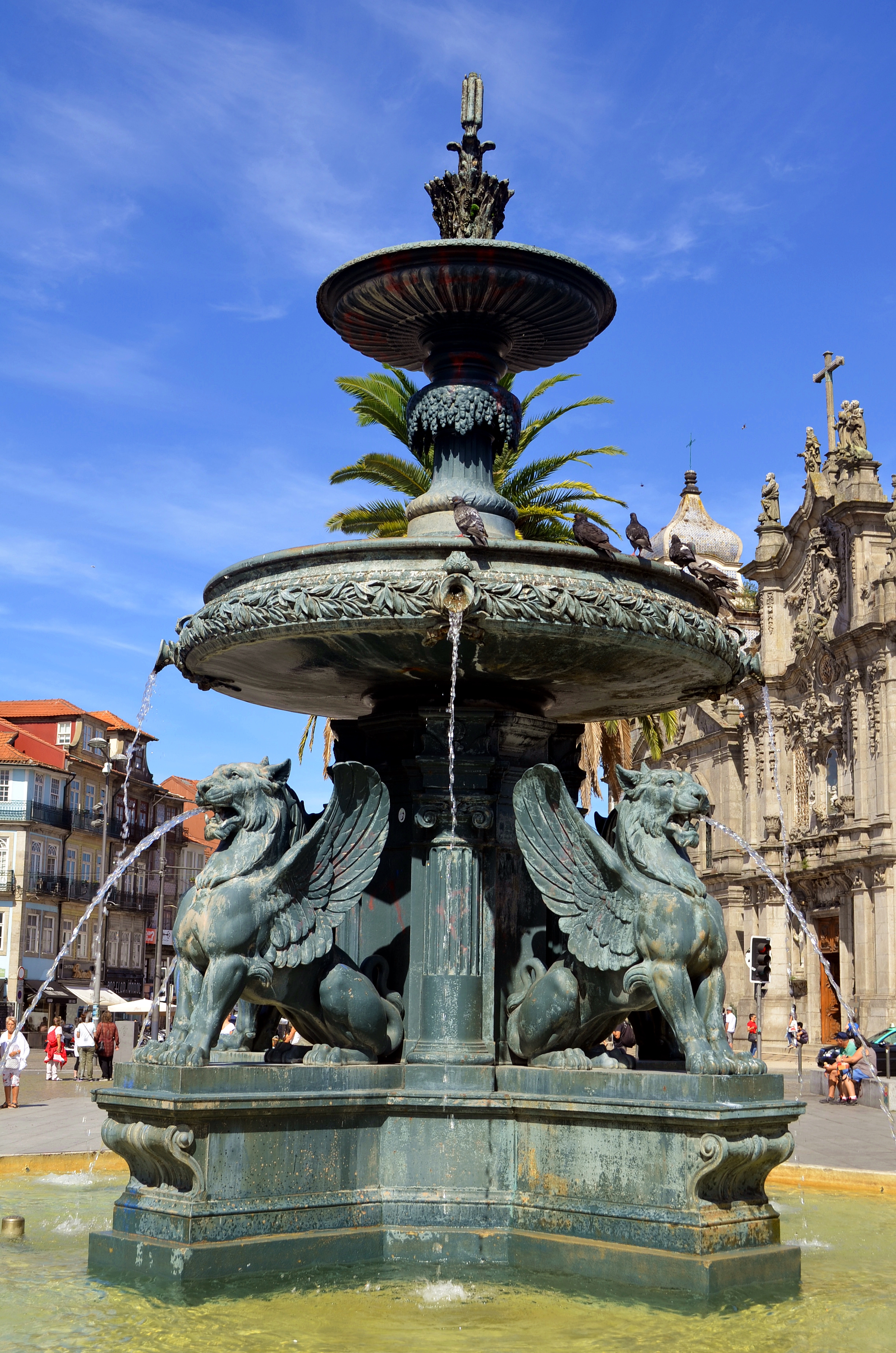
If you’re wandering the winding streets of Porto and hear the gentle splash of water echoing off stone, you’re probably standing near one of the city’s most charismatic landmarks – the Fonte dos Leões. This elegant fountain, crowned with sculpted lions, is more than just a decorative water feature; it’s a living piece of Porto’s urban heritage that invites travelers to pause, snap a photo, and soak up the atmosphere of Portugal’s second‑largest city.
1. Introduction
Porto is famous for its iconic Dom Luís I Bridge, its world‑renowned port wine cellars, and its colorful Ribeira district. Yet, tucked away between historic buildings and bustling cafés, the Fonte dos Leões (Lion Fountain) offers a quieter, equally captivating glimpse into the city’s past. Whether you’re a first‑time visitor looking for Instagram‑worthy spots or a seasoned traveler hunting hidden gems, this fountain is a must‑see stop on any Porto itinerary.
2. About Fonte dos Leões
Description
The Fonte dos Leões sits at the heart of Porto’s historic centre (coordinates: 41.147118, -8.615615). Its most striking feature is a pair of stone lions—symbolic guardians that seem to watch over the square. Water gracefully spills from their mouths into a shallow basin, creating a soothing soundscape that contrasts with the city’s lively street traffic.
History & Significance
While the exact date of construction is not widely documented, the fountain is a classic example of 19th‑century Portuguese public works, a period when municipalities invested heavily in ornamental fountains to provide clean water and beautify public spaces. Over the decades, the Fonte dos Leões has survived wars, regime changes, and the rapid modernization of Porto, remaining a beloved meeting point for locals.
The lion motif is deeply rooted in Portuguese heraldry, representing strength, courage, and the nation’s maritime legacy. By placing these statues at the fountain, city planners gave the space an air of regal dignity, turning a simple water source into a cultural landmark.
3. How to Get There
By Foot
If you’re staying in the Ribeira, Baixa, or São Bento neighborhoods, the fountain is within easy walking distance. From São Bento Train Station, head west on Rua de São Bento, turn left onto Rua de Costa Cabral, and you’ll spot the fountain after a few minutes.
Public Transport
- Metro: The nearest metro stop is Aliados (Line D). Exit toward Rua de Santa Catarina and walk roughly 10 minutes.
- Bus: Lines 502, 505, and 506 stop at “Rua de Costa Cabral,” a short stroll from the fountain.
By Car
Porto’s historic centre is largely a pedestrian zone, and parking is limited. If you must drive, use the Parque da Ribeira underground garage (address: Praça da Ribeira). From there, it’s a 5‑minute walk to the fountain.
GPS
Enter the coordinates 41.147118, -8.615615 into any navigation app for precise directions.
4. Best Time to Visit
- Spring (March–May): Mild temperatures and blooming azaleas make the surrounding streets vibrant. Early mornings are less crowded, perfect for tranquil photos.
- Autumn (September–November): The golden light of late afternoon adds drama to the lion sculptures, and the weather remains comfortable for strolling.
- Winter: While Porto can be rainy, the fountain’s water feature continues to flow, offering a romantic backdrop for a cozy coffee break nearby.
- Summer: Expect more tourists, especially between 10 am–2 pm. To avoid the crowds, visit early in the morning or later in the evening when the fountain is illuminated.
5. What to Expect
Approaching the Fonte dos Leões, you’ll first notice the polished stone lions perched atop a modest pedestal. The water’s gentle cascade creates a reflective surface that mirrors the surrounding architecture—perfect for photographers seeking that classic Porto vibe.
The square around the fountain is a lively micro‑scene: street musicians, local vendors selling pastel de nata, and residents chatting on nearby benches. You’ll often see children playing “tag” around the basin, while tourists pause to read the plaque (in Portuguese) that explains the fountain’s dedication.
Because the fountain is part of a public space, it’s free to visit and open 24/7. However, the water flow may be reduced during maintenance periods—signage will indicate any temporary shutdowns.
6. Nearby Attractions
While you’re in the area, make the most of your time by exploring other historic fountains and sights within a short walk:
| Attraction | Distance | Why Visit |
|---|---|---|
| Fonte da Porta do Olival | 0.2 km | A charming 18th‑century fountain with intricate tile work. |
| Fonte da Quinta das Virtudes | 0.3 km | Set in a serene garden, ideal for a quiet pause. |
| Menina Nua – A Juventude | 0.4 km | A modern sculpture fountain that juxtaposes contemporary art with historic surroundings. |
| Fonte das Virtudes | 0.4 km | Features elegant ironwork and a historic plaque. |
| São Bento Railway Station | 0.5 km | Famous for its azulejo tiles depicting Portuguese history. |
| Ribeira District | 0.6 km | UNESCO World Heritage waterfront with riverside cafés and vibrant nightlife. |
Each of these sites is within a 5‑minute walk, allowing you to create a “fountain trail” that showcases Porto’s dedication to public art and water heritage.
7. Travel Tips
| Tip | Details |
|---|---|
| Bring a reusable water bottle | Porto’s tap water is safe to drink, and you’ll stay hydrated while exploring. |
| Dress comfortably | Cobblestone streets can be uneven; wear supportive shoes. |
| Check the weather | Rain can make the stone surfaces slippery; a light raincoat is handy. |
| Timing for photos | Early morning or late afternoon provides soft, golden lighting that enhances the lion sculptures. |
| Local etiquette | Keep the basin clean—avoid tossing litter or food into the water. |
| Currency | Portugal uses the Euro (€). Many cafés accept cards, but carry some cash for small vendors. |
| Language | Portuguese is the official language; a few basic phrases (“Obrigado/Obrigada,” “Por favor”) go a long way. |
| Safety | The area is generally safe, but keep an eye on personal belongings, especially in crowded tourist periods. |
| Connectivity | Free Wi‑Fi is available at many nearby cafés; consider a local SIM for navigation. |
Final Thought
The Fonte dos Leões may not be as famous as Porto’s iconic bridges, but its quiet charm, historic resonance, and photogenic lions make it an essential stop for anyone seeking an authentic slice of the city’s soul. Combine it with the nearby fountains and the bustling Ribeira district, and you’ll experience a well‑rounded portrait of Porto—where water, stone, and community flow together in perfect harmony.
Pack your camera, slip on those comfortable shoes, and let the lion‑guarded waters guide you through the heart of Porto. Safe travels!