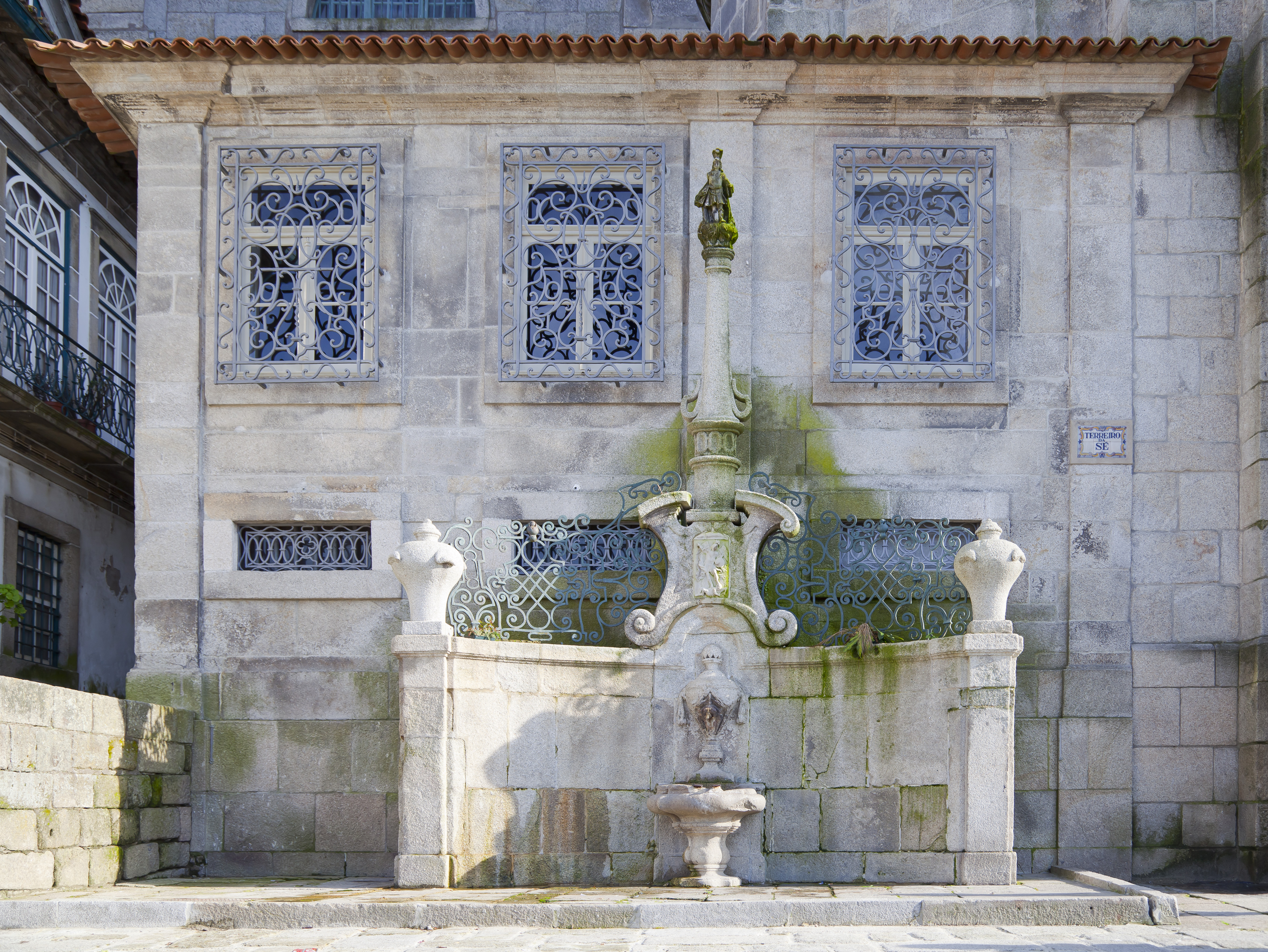
Chafariz do Anjo – Porto’s Hidden Angelic Fountain
If you think you’ve seen every corner of Porto, think again. Nestled in a quiet alley of the historic Baixa, the Chafariz do Anjo (Angel Fountain) whispers stories of centuries‑old devotion, while offering a perfect photo‑op for the modern traveler. Let’s dive into why this modest stone masterpiece deserves a spot on your Porto itinerary.
1. Introduction
Porto is famous for its iconic Ribeira waterfront, the towering Dom Luís I Bridge, and the sweet aroma of freshly brewed coffee spilling from its cafés. Yet, beyond the well‑trodden tourist routes, the city hides a network of charming fountains that have been quenching the thirst of locals for over 400 years. The Chafariz do Anjo—sometimes referenced as the Fountain of São Miguel—is one of these hidden gems. Its name, which translates to “Angel Fountain,” hints at a serene, almost celestial presence that contrasts with the bustling streets surrounding it.
Whether you’re a history buff, a photography enthusiast, or simply someone who loves stumbling upon quiet urban oases, the Chafariz do Anjo invites you to pause, listen to the gentle splash of water, and feel the pulse of Porto’s past.
2. About Chafariz do Anjo
A Brief Description
- Type: Historic stone fountain
- Location: Rua de São Miguel, Baixa, Porto, Portugal
- Coordinates: 41.142956, -8.611008
- Height & Altitude: Not documented (the fountain’s modest scale blends seamlessly with the surrounding cobblestones)
The fountain is built from traditional Portuguese limestone, featuring a simple yet elegant basin that collects water from a central spout. Its design reflects the functional aesthetic of 18th‑century public fountains, which were intended to provide clean drinking water while also serving as decorative focal points in city squares and narrow streets.
Historical Roots
The Chafariz do Anjo is historically linked to the Fountain of São Miguel—a name that appears in older municipal records and on the Portuguese Wikipedia page for “Fountain of São Miguel.” While exact construction dates are elusive, most scholars agree that the fountain dates back to the late Baroque period, a time when Porto’s municipal authorities invested heavily in public water infrastructure.
During the 18th and 19th centuries, fountains like Chafariz do Anjo were vital for daily life. Residents would gather here to fill their earthenware jars, exchange news, and enjoy a brief moment of community in the heart of the city. Over time, the fountain also acquired a spiritual dimension; the “angel” moniker is thought to reference a small stone carving that once adorned the spout, symbolizing protection for travelers and locals alike.
Cultural Significance
Today, the Chafariz do Anjo stands as a living testament to Porto’s commitment to preserving its urban heritage. It is part of a broader network of historic fountains that pepper the city—each one a small museum of stone, water, and memory. For locals, the fountain remains a beloved landmark, often mentioned in folk songs and neighborhood anecdotes. For visitors, it offers an authentic glimpse into Porto’s everyday past, far from the crowds that flock to the Douro River.
3. How to Get There
By Public Transport
| Mode | Nearest Stop | Walking Distance | Approx. Time |
|---|---|---|---|
| Metro | São Bento (Line D – Yellow) | 10‑minute walk | 12 min |
| Bus | Linha 500 – Stop “São Miguel” | 2‑minute walk | 5 min |
| Tram | Linha 1 – Stop “Sé” (near the cathedral) | 12‑minute walk | 15 min |
Tip: From São Bento station, exit onto Praça da Liberdade, turn left onto Rua de São Miguel, and you’ll spot the fountain tucked between two historic façades within a few minutes.
By Car or Taxi
Parking in the Baixa district can be challenging, but there are several public car parks a short walk away:
- Parque da Rotunda (Rua da Rotunda) – 0.4 km
- Parque da Estação (near Campanhã) – 1.2 km
From either lot, simply follow the signs to Rua de São Miguel. A quick stroll through cobblestone streets will lead you directly to the Chafariz do Anjo.
On Foot
If you’re staying in the city centre (Ribeira, São Bento, or Aliados), the fountain is best explored on foot. The historic centre is compact, and wandering through its narrow lanes is part of the charm. Wear comfortable shoes, as the streets are uneven.
4. Best Time to Visit
| Season | Why It Works |
|---|---|
| Spring (March‑May) | Mild temperatures (15‑20 °C) and blooming jacarandas make the surrounding streets photogenic. |
| Autumn (September‑November) | Golden light and fewer tourists create a tranquil atmosphere; the fountain’s stone glows warmly in the sunset. |
| Early Morning (7‑9 am) | Light is soft, crowds are minimal, and you can hear the water’s gentle murmur without city noise. |
| Evening (8‑10 pm) | Some nearby cafés keep their lights on, offering a romantic backdrop for night‑time shots. |
Avoid the peak summer heat (July‑August) if you prefer a cooler, more relaxed visit. The fountain’s water remains refreshing, but the surrounding streets can become crowded.
5. What to Expect
When you arrive at Chafariz do Anjo, you’ll be greeted by a modest stone basin that reflects the sky above. The water flows continuously from a central spout, producing a soothing sound that masks the occasional clatter of tram wheels on the tracks nearby.
- Atmosphere: Quiet, contemplative, and slightly nostalgic.
- Photography: The fountain’s stone texture pairs beautifully with the pastel façades of neighboring buildings. Capture a low‑angle shot to emphasize the water’s motion, or frame the fountain with the arch of an adjoining doorway for a classic Porto vignette.
- Local Interaction: You may see locals refilling reusable bottles—a reminder that the fountain still serves a practical purpose. Feel free to ask a friendly resident about the fountain’s history; many are happy to share anecdotes passed down through generations.
Overall, the experience is less about grand spectacle and more about immersing yourself in the everyday rhythm of Porto’s historic heart.
6. Nearby Attractions
While you’re in the area, make the most of the concentration of historic fountains and cultural sites within a short walking radius:
- Chafariz da Rua Escura – 0.1 km away. A tiny yet charming fountain tucked in a narrow lane, perfect for a quick photo‑stop.
- Chafariz do Souto – 0.2 km away. Known for its ornate stone carvings, this fountain showcases the Baroque flair of Porto’s public art.
- Fonte de Mouzinho da Silveira – 0.2 km away. A larger, more elaborate fountain that once supplied water to the nearby market.
- Chafariz do Largo Actor Dias – 0.2 km away. Set in a lively square, this fountain is surrounded by cafés where you can sip a “café ao leite” after your visit.
Each of these spots is within a 5‑minute walk, making it easy to create a “Fountain Trail” that highlights Porto’s dedication to preserving its water heritage.
7. Travel Tips
| Tip | Details |
|---|---|
| Bring a reusable water bottle | The fountain’s water is safe to drink, so you can refill on the go and stay eco‑friendly. |
| Mind the cobblestones | The historic streets are uneven; watch your step, especially if you’re wearing high heels or sneakers with thin soles. |
| Check opening hours of nearby cafés | Many cafés open around 8 am; grabbing a pastel de nata nearby adds a sweet finish to your fountain tour. |
| Use a translation app | While Portuguese is the main language, most locals in the city centre speak basic English. Having a few phrases ready (“Onde está a fonte?” – “Where is the fountain?”) can be helpful. |
| Capture the sound | If you love ambient audio, bring a small recorder or use your phone’s voice memo to capture the gentle splash—great for a travel vlog. |
| Respect the space | As a functional historic fountain, avoid leaning on the stone or leaving trash. Keeping the area pristine helps preserve it for future visitors. |
| Combine with a river walk | After exploring the fountains, head south toward the Douro River for a scenic stroll along the waterfront—perfect for ending the day. |
Final Thought
Porto’s allure lies not only in its grand monuments but also in the quiet, unassuming corners where daily life has unfolded for centuries. The Chafariz do Anjo is one such corner—a stone‑carved whisper of the city’s past, a source of fresh water, and a perfect backdrop for your next travel story.
Add it to your Porto travel guide, pair it with the nearby fountains, and let the gentle flow of water remind you that even the smallest landmarks can leave the biggest impressions. Happy exploring!