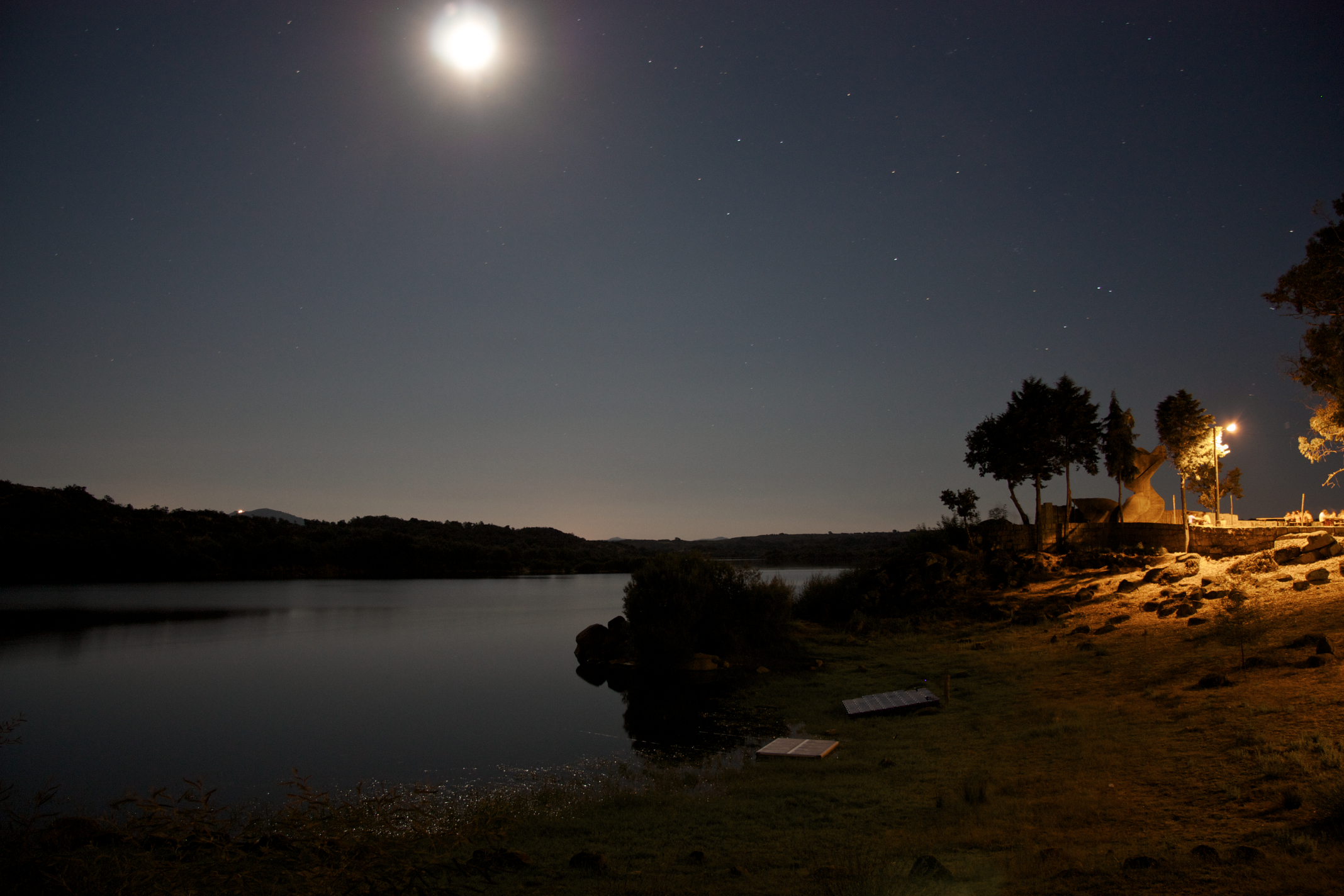
Discover Barragem do Poio – A Hidden Gem in Portalegre, Portugal
If you think Portugal is only about golden beaches and historic cities, think again. Tucked away in the rolling Alentejo countryside, Barragem do Poio offers a peaceful escape for nature lovers, photographers, and anyone craving a slice of authentic Portuguese countryside.
1. Introduction
Imagine standing beside a modest yet striking concrete wall, the water below shimmering under the Iberian sun, while the gentle hum of the Alentejo hills stretches out behind you. That’s the experience awaiting you at Barragem do Poio, a 15‑meter‑high dam located in the civil parish of Póvoa e Meadas, just a short drive from the historic town of Portalegre.
While it may not have the fame of the Douro River’s massive reservoirs, Barragem do Poio is a perfect spot for a relaxed day‑trip, a photo‑session, or a quiet picnic away from the tourist crowds. In this guide, we’ll explore everything you need to know to make the most of your visit—from its modest history to the best routes, seasonal tips, and nearby attractions you can combine into a memorable Alentejo itinerary.
2. About Barragem do Poio
Barragem do Poio is a small concrete dam built to regulate water flow in the local watershed. With a height of 15 m, the structure creates a tranquil reservoir that reflects the surrounding oak‑crowned hills and the wide‑open sky of the Alentejo plateau.
Although the exact construction date is not widely documented, the dam is part of a network of water‑management projects that support agriculture, livestock, and rural communities in the Portalegre district. Its modest size makes it an ideal example of Portugal’s pragmatic approach to rural infrastructure—functional, low‑impact, and integrated into the landscape.
Why It Matters
- Water Management: The dam helps sustain irrigation for the surrounding farms, a vital resource in a region known for its wheat fields, olive groves, and cork oak forests.
- Ecological Spot: The reservoir attracts a variety of bird species, making it a quiet haven for birdwatchers and nature photographers.
- Cultural Landscape: The dam sits amid traditional stone houses and terraced fields, offering a glimpse into the rural way of life that has persisted for centuries in Alentejo.
For a quick factual reference, check the Portuguese Wikipedia entry: Barragem do Poio (pt).
3. How to Get There
By Car
The most convenient way to reach Barragem do Poio is by car. From Portalegre city centre, follow these steps:
- Head north on N232 toward Póvoa e Meadas (approx. 12 km).
- Turn right onto Estrada da Barragem do Poio (signs are usually present, but a GPS coordinate helps: 39.515364, -7.581858).
- After about 1.4 km, you’ll arrive at the dam’s parking area.
The drive takes roughly 15–20 minutes, and the route offers scenic views of rolling hills and traditional farms—perfect for a photo stop along the way.
By Public Transport
Public buses in the Portalegre district are infrequent, and there is no direct line to the dam. The most practical option is to take a bus to Póvoa e Meadas (the nearest village) and then hire a local taxi or arrange a short walk (about 1 km).
By Bike or On Foot
For the adventurous, the Alentejo cycling routes provide gentle, low‑traffic roads ideal for a leisurely bike ride. Expect a mostly flat ride with occasional gentle climbs; bring water, a map, and a helmet.
4. Best Time to Visit
| Season | Weather | Why Visit | Tips |
|---|---|---|---|
| Spring (Mar–May) | Mild temperatures (15‑22 °C), blooming wildflowers | Ideal for photography, birdwatching, and comfortable walks | Pack a light jacket; early mornings have the best light |
| Summer (Jun–Aug) | Warm to hot (25‑35 °C) | Longer daylight hours; perfect for picnics by the water | Bring sunscreen, hat, and plenty of water; avoid midday heat |
| Autumn (Sep–Nov) | Pleasant (18‑26 °C), golden foliage | Fewer tourists, beautiful autumn colours in the surrounding oak woods | Ideal for quiet contemplation; bring a blanket for a sunset view |
| Winter (Dec–Feb) | Cool and occasionally rainy (8‑14 °C) | Tranquil atmosphere, dramatic sky photos | Dress in layers; some paths may be muddy |
Overall, spring and early autumn are the sweet spots for a comfortable visit with optimal lighting for photography and a pleasant climate for exploring the surrounding countryside.
5. What to Expect
When you arrive at Barragem do Poio, you’ll find a modest parking area, a short walking trail that circles the reservoir, and plenty of open space for a relaxed picnic. The water is generally calm, reflecting the sky and the distant hills—a perfect backdrop for landscape photography.
- Scenic Views: The dam’s concrete wall creates a striking contrast against the natural greenery. Look for the occasional flash of a kingfisher or the silhouettes of grazing cattle along the banks.
- Quiet Ambience: Unlike larger tourist sites, the dam is rarely crowded, allowing you to soak in the sounds of rustling leaves, distant farm bells, and gentle water flow.
- Photography Opportunities: Sunrise paints the water gold, while sunset adds a warm amber hue. The surrounding stone walls and traditional farmsteads provide compelling foreground elements.
- Picnic Spots: There are a few flat grassy patches near the water’s edge—ideal for a simple lunch of local cheese, cured ham, and a glass of Alentejo wine.
6. Nearby Attractions
Make the most of your Alentejo day‑trip by pairing Barragem do Poio with these nearby points of interest (all within a 5‑km radius).
| Attraction | Distance | What to See | Link |
|---|---|---|---|
| Dique do Racheiro | 3.8 km | Another small reservoir surrounded by olive groves; great for a quick walk. | (no dedicated page – see local maps) |
| Barragem de Póvoa e Meadas | 4.8 km | A larger dam offering panoramic views of the Póvoa e Meadas valley. | (no dedicated page – see local maps) |
| Local Fountain (Fonte) | 5.3 km | A historic stone fountain that once supplied water to nearby farms. | (no dedicated page – see local maps) |
| Portalegre Historic Centre | 12 km | Medieval walls, the 16th‑century Portalegre Cathedral, and the Museu da Tapeçaria (Tapestry Museum). | Portalegre Wikipedia |
| Alentejo Wine Route | Various | Vineyards producing robust reds and aromatic whites; many estates offer tastings. | Alentejo Wine Route |
Tip: Combine a visit to the dam with a short drive to Barragem de Póvoa e Meadas for a contrasting perspective—one dam is modest, the other more expansive, giving you a fuller picture of the region’s water‑management heritage.
7. Travel Tips
| Tip | Details |
|---|---|
| Bring Cash | Small rural cafés and farm stands may not accept cards. |
| Dress Comfortably | Light layers work best; sturdy walking shoes are recommended for uneven paths. |
| Stay Hydrated | Even in cooler months, the Alentejo sun can be strong. Carry a reusable water bottle. |
| Respect Private Property | Some sections around the dam border farmland. Stick to marked paths and avoid trespassing. |
| Timing | Arrive early (sunrise to mid‑morning) for the best light and fewer visitors. |
| Photography Gear | A wide‑angle lens captures the expansive landscape; a telephoto lens helps spot distant wildlife. |
| Local Cuisine | After your dam visit, try a “Migas à Alentejana” (bread‑based dish) or a glass of “Vinho do Alentejo” at a nearby tavern. |
| Safety | The water is generally shallow, but avoid swimming near the dam wall. Watch for livestock that may wander onto the trail. |
| Parking | Free, but limited spaces—arrive early during weekends or holidays. |
| Connectivity | Mobile signal can be spotty; download offline maps (Google Maps or MAPS.ME) before you go. |
Final Thought
Barragem do Poio may be a modest dam, but its serene setting, authentic rural atmosphere, and proximity to other Alentejo highlights make it a worthwhile stop for any traveler seeking a deeper connection with Portugal’s countryside. Whether you’re a photographer chasing the perfect light, a cyclist craving quiet roads, or simply a curious explorer, the dam offers a peaceful pause in an increasingly fast‑paced world.
Pack a snack, charge your camera, and set your GPS to 39.515364, -7.581858—the heart of Alentejo’s hidden water‑scape awaits. Safe travels!