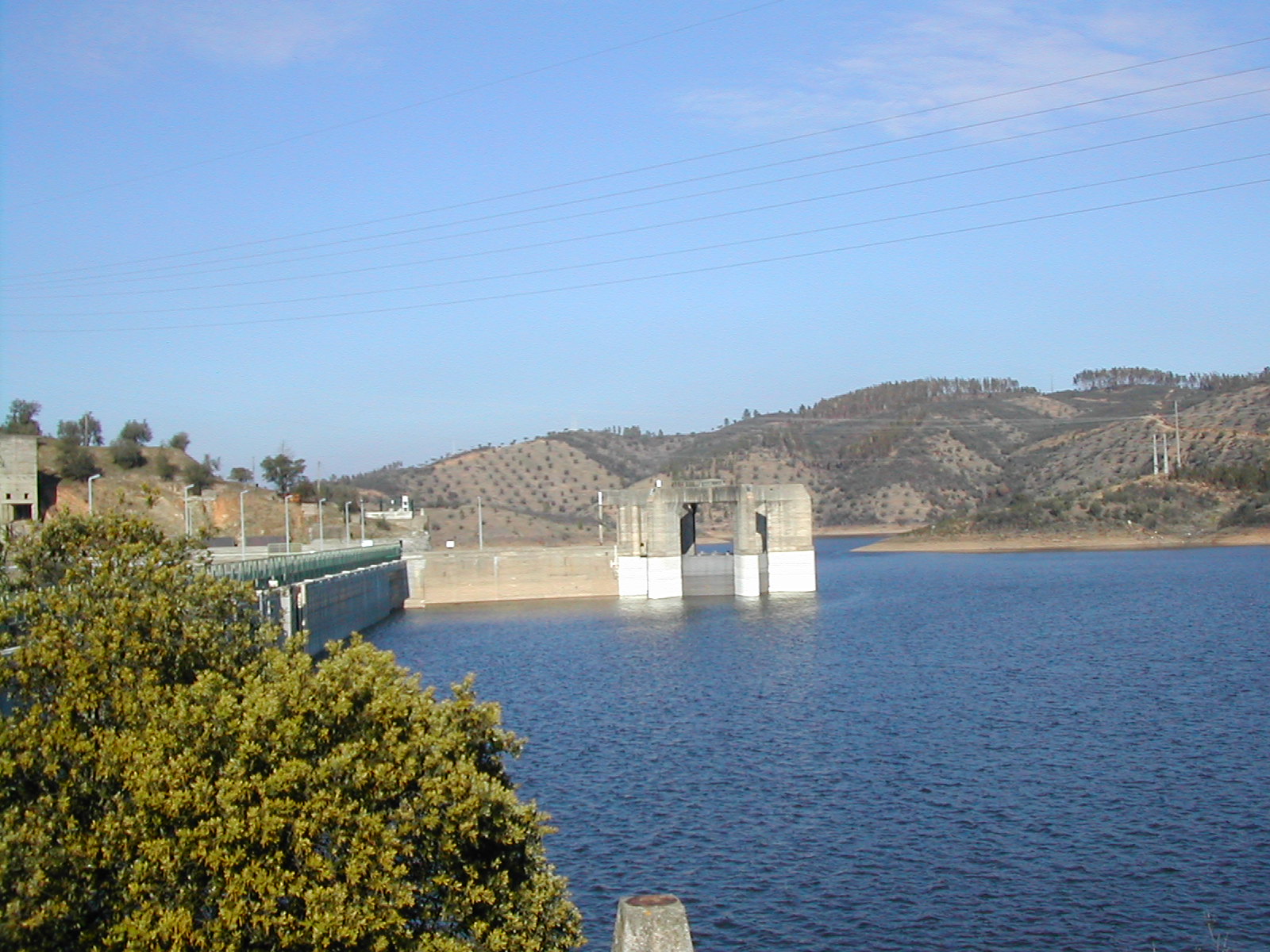
Barragem de Pracana – Portugal’s Hidden Hydroelectric Gem
Discover the tranquil beauty of the Barragem de Pracão, a 60‑metre‑high dam perched at 115 m above sea level in the rolling Alentejo landscape of Portalegre.
1. Introduction
If you think Portugal is only about golden beaches, pastel‑colored azulejos, and bustling Lisbon streets, think again. Tucked away in the quiet municipality of Portalegre, the Barragem de Pracana (pronounced “pra‑KA‑na”) offers a serene escape for nature lovers, photographers, and anyone craving a slice of authentic Alentejo. This modest yet impressive dam—standing 60 m tall and overlooking a sparkling reservoir—provides a perfect backdrop for sunrise walks, bird‑watching, and a glimpse into Portugal’s sustainable water management.
Whether you’re on a road‑trip through the Iberian Peninsula or a dedicated “dam‑tour” of Europe’s engineering marvels, Barragem de Pracana deserves a spot on your itinerary. Let’s dive into what makes this dam special, how to reach it, and what you can explore nearby.
2. About Barragem de Pracana
A Brief History
Built in the mid‑20th century as part of Portugal’s national effort to regulate the Tagus River basin, Barragem de Pracana was designed primarily for hydroelectric power generation and irrigation. Its concrete gravity structure stretches across the Pracana River, creating a reservoir that supports local agriculture and supplies drinking water to surrounding villages.
The dam’s 60 m height and 115 m altitude give it a commanding presence over the gentle hills of Gaviao, a parish within the Portalegre district. While the engineering details are modest compared with larger Alpine dams, the structure exemplifies the pragmatic Portuguese approach to water resources: functional, durable, and blended with the landscape.
Why It Matters
- Renewable Energy – The hydroelectric plant at Pracana contributes clean electricity to the national grid, reducing reliance on fossil fuels.
- Water Security – The reservoir stores vital water for irrigation, especially important in the semi‑arid Alentejo region.
- Ecological Habitat – The calm waters attract a variety of bird species, including kingfishers, herons, and raptors, making it a favorite spot for bird‑watchers.
For a deeper dive into its history, check the Portuguese Wikipedia entry: Barragem de Pracana.
3. How to Get There
By Car
The most convenient way to reach the dam is by rental car or self‑drive from the historic town of Portalegre (≈ 10 km). From the town centre, follow the N232 road northward toward Gaviao. After about 8 km, turn left onto the local road (Estrada da Barragem); signs will point you directly to the dam and its parking area. The drive takes roughly 15‑20 minutes and offers scenic views of olive groves and cork oak forests.
Public Transport
- Bus – The Rede de Transportes de Portalegre operates a regional bus (line 102) that stops in Gaviao. From the bus stop, it’s a 1.5 km walk (≈ 20 minutes) to the dam.
- Train – The nearest train station is Portalegre‑São Pedro, about 12 km away. From there, you’ll need a taxi or local bus to complete the journey.
From the Airport
The closest international gateway is Lisbon Portela Airport (LIS), roughly 250 km (≈ 2.5‑hour drive). Rent a car and head north on the A23 highway, then follow the signs to Portalegre. If you prefer public transport, take a comboio (train) from Lisbon’s Entrecampos station to Portalegre‑São Pedro, then switch to the regional bus.
GPS Coordinates
Enter the following coordinates into your navigation system for pinpoint accuracy:
Latitude: 39.564938
Longitude: -7.812806
4. Best Time to Visit
| Season | Weather | Visitor Experience |
|---|---|---|
| Spring (Mar‑May) | Mild temperatures (15‑22 °C), occasional rain | Ideal for photography; wildflowers bloom around the reservoir. |
| Summer (Jun‑Aug) | Warm to hot (25‑33 °C), low rainfall | Perfect for picnics and early‑morning walks; be prepared for stronger sun. |
| Autumn (Sep‑Nov) | Pleasant (18‑26 °C), golden foliage | Great for bird‑watching; migratory species start to appear. |
| Winter (Dec‑Feb) | Cool (8‑14 °C), occasional fog | Quietest period; low crowds, but some paths may be slippery. |
Peak recommendation: Late spring (April‑May) and early autumn (September) offer comfortable weather, vibrant scenery, and fewer tourists.
5. What to Expect
Scenic Views
Arriving at the dam, you’ll be greeted by a wide, glass‑like lake reflecting the surrounding limestone hills. The concrete spillway creates gentle ripples that add texture to the water’s surface. From the main observation platform, you can capture panoramic shots of the reservoir framed by olive groves and cork trees—a classic Alentejo tableau.
Activities
- Walking & Hiking – A 2‑km loop trail circles the reservoir, with interpretive panels explaining the dam’s operation and local flora.
- Bird‑watching – Bring binoculars; the area hosts resident species and seasonal migrants.
- Picnicking – Designated picnic tables near the parking lot provide a relaxed spot for a snack or a packed lunch.
Facilities
- Parking – Free, open‑air lot (≈ 30 spaces).
- Restrooms – Basic facilities near the visitor center.
- Information Board – Multilingual (Portuguese, English, Spanish) panels detail the dam’s history and environmental impact.
There are no commercial restaurants on site, so plan to bring water and food.
6. Nearby Attractions
While Barragem de Pracana is the star, the surrounding Portalegre region offers several natural gems within a short drive. Below are the highlights, each just a few kilometres away:
| Attraction | Distance | What to See |
|---|---|---|
| Natural Spring (1.6 km) | 1.6 km | A crystal‑clear spring bubbling from the limestone, perfect for a short nature break. |
| Secondary Spring (1.7 km) | 1.7 km | Another pristine water source, surrounded by native shrubs. |
| Waterfall (1.7 km) | 1.7 km | A modest cascade that adds a soothing soundtrack to the landscape. |
| Weir A (2.6 km) | 2.6 km | Small hydraulic structure showcasing traditional water management. |
| Weir B (2.6 km) | 2.6 km | Similar to Weir A, offers insight into historic irrigation techniques. |
Tip: While exact names aren’t listed on major tourism sites, locals are happy to point you toward these spots. Ask at the Portalegre Tourist Office or at any café in town for directions.
7. Travel Tips
| Tip | Details |
|---|---|
| Bring Sun Protection | Even in spring, the Alentejo sun can be intense. Pack a hat, sunscreen, and sunglasses. |
| Wear Comfortable Shoes | The trail around the reservoir is uneven in places; sturdy walking shoes are advisable. |
| Stay Hydrated | There are no vending machines at the dam; bring enough water, especially in summer. |
| Check Opening Hours | The visitor center is generally open 8 am – 6 pm (April‑October) and 9 am – 4 pm (November‑March). |
| Respect the Environment | The area is a protected water source. Avoid littering and do not swim in the reservoir. |
| Combine with Portalegre City | Spend a half‑day exploring the historic town: its cathedral, Museu da Igreja de São Pedro, and cobblestone streets. |
| Photography | Early morning (sunrise) and late afternoon (golden hour) provide the best lighting for the dam’s concrete textures and water reflections. |
| Local Cuisine | After your visit, try the regional specialties: Migas à Alentejana, Açorda de Alentejo, and a glass of local red wine. |
Final Thoughts
Barragem de Pracana may not appear on the typical Portugal travel checklist, but that’s precisely why it shines. It offers a quiet, authentic encounter with the country’s hydroelectric heritage, natural beauty, and rural charm—all within a short drive from the historic town of Portalegre. Pack a camera, bring a sense of curiosity, and let this hidden dam become a memorable highlight of your Portuguese adventure.
Happy travels!