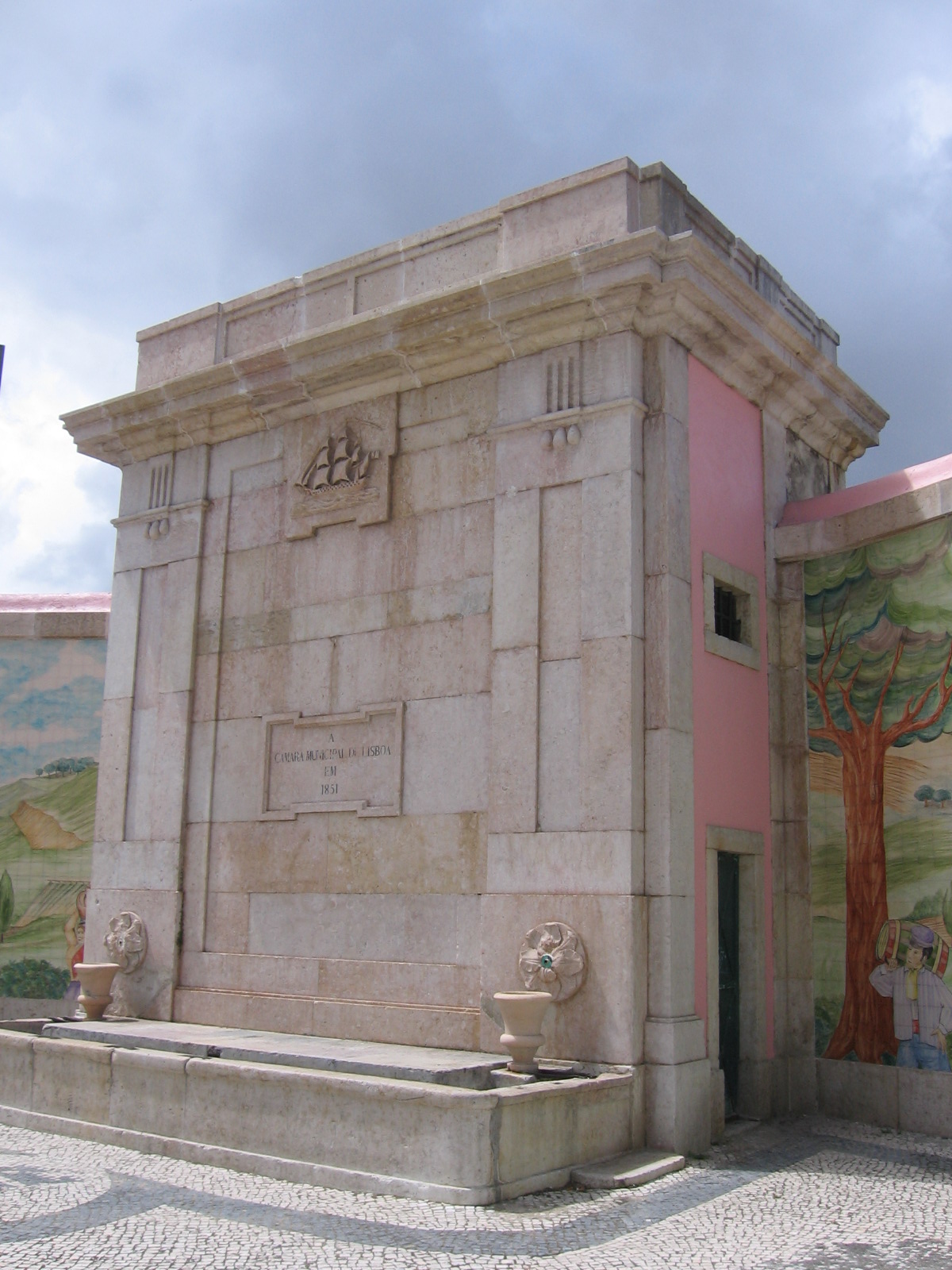
Chafariz de Entrecampos – Lisbon’s Hidden Fountain Gem
Discover the quiet charm of one of Lisbon’s lesser‑known historic fountains and learn how to make the most of your visit to the vibrant Entrecampos district.
1. Introduction
When you think of Lisbon, the first images that usually pop up are the iconic Tram 28, the pastel‑colored tiles of Alfama, or the grand Belém Tower. Yet the city’s true soul often hides in the small, stone‑capped corners where locals pause for a sip of water and a moment of calm. One such spot is the Chafariz de Entrecampos, a 19th‑century fountain that quietly watches over the bustling Entrecampos neighbourhood. If you’re craving a break from the tourist crowds and want to experience authentic Lisbon history, this modest yet elegant fountain is worth a detour.
2. About Chafariz de Entrecampos
A Brief History
Built in 1851 by municipal initiative, the Chafariz de Entrecampos mirrors the design language of the older Chafariz do Intendente, but with a cleaner, more simplified finish. The fountain’s body is a solid parallelepiped—a rectangular block—framed by simple pilasters topped with classic triglyphs, giving it a restrained neoclassical vibe that was popular in mid‑19th‑century Portugal.
The fountain was part of a broader effort to modernise Lisbon’s public water supply during a period when the city was rapidly expanding beyond its historic walls. Its construction not only provided a reliable source of drinking water for residents but also served as a decorative focal point for the newly laid‑out streets of Entrecampos, which was then an emerging residential area for the burgeoning middle class.
Why It Matters
While it may not boast the ornate baroque details of the Fountain of the Knights in Rossio, the Chafariz de Entrecampos is a living piece of Lisbon’s civic history. It reflects the city’s 19th‑century push toward urban planning, public health, and aesthetic uniformity. For architecture lovers, the fountain offers a clear example of how Lisbon blended functional public works with subtle classical motifs—making it a perfect case study for students of Portuguese urban heritage.
3. How to Get There
By Metro
- Entrecampos Station (Red & Yellow lines) is the closest stop—just a 3‑minute walk.
- Exit onto Avenida da República and head east toward Rua de Entrecampos; the fountain sits at the intersection with Avenida Duque de Loulé.
By Bus
- Bus lines 207, 708, and 714 stop at the “Entrecampos” stop on Avenida da República.
- From the bus stop, follow the signs for “Praça de Entrecampos” and you’ll see the fountain’s stone base within sight.
By Taxi / Ride‑Share
- Provide the driver with the coordinates 38.745178, -9.145873 or simply say “Chafariz de Entrecampos, Praça de Entrecampos.”
- The ride takes about 10‑15 minutes from central Lisbon (Rossio or Baixa).
Walking
If you’re staying in the nearby Avenidas Novas or Campo Pequeno districts, a leisurely 10‑minute stroll through tree‑lined avenues will bring you straight to the fountain—perfect for a sunrise or sunset walk.
4. Best Time to Visit
| Season | Why It Works | Tips |
|---|---|---|
| Spring (Mar‑May) | Mild temperatures, blooming jacarandas along Avenida da República. | Arrive early (8‑9 am) to avoid the commuter rush. |
| Summer (Jun‑Aug) | Long daylight hours; the fountain’s stone stays cool in the shade. | Bring a reusable water bottle—there’s still fresh water flowing! |
| Autumn (Sep‑Nov) | Soft golden light enhances the stone’s texture; fewer tourists. | Perfect for photography; the surrounding cafés have outdoor seating. |
| Winter (Dec‑Feb) | Quietest period; the fountain’s historic atmosphere feels intimate. | Dress warmly; the nearby metro station provides quick shelter if needed. |
Overall, early morning or late afternoon are the sweet spots regardless of season, as the light casts gentle shadows on the triglyphs and the area is less crowded.
5. What to Expect
When you step onto the modest square surrounding the Chafariz de Entrecampos, you’ll notice a quiet urban oasis framed by modern office buildings and classic Lisbon cafés. The fountain itself is a rectangular stone basin with a shallow water pool that still supplies fresh water—a tradition that has persisted for more than 150 years.
The surrounding space is paved with smooth granite tiles, and a few benches invite you to sit, sip a coffee, and watch locals—students, office workers, and retirees—pause for a brief moment of refreshment. The sound of water is subtle, offering a gentle backdrop to the hum of city life.
Because the fountain is publicly accessible 24/7, you can experience it at any hour: the early‑morning mist, the bright midday bustle, or the calm of night when streetlights reflect off the water’s surface.
6. Nearby Attractions
While you’re in the Entrecampos area, you can easily explore several other points of interest within walking distance. Below is a quick guide with approximate distances and links to learn more:
| Attraction | Distance | How to Get There | Link |
|---|---|---|---|
| Fountain near Praça da República | 0.1 km | Walk east on Avenida da República for 2 minutes. | [Fountain – Praça da República] |
| Fountain at Rua de Entrecampos | 0.2 km | Continue south on Rua de Entrecampos; 3 minutes on foot. | [Fountain – Rua de Entrecampos] |
| Fountain at Avenida Duque de Loulé | 0.8 km | Head west along Avenida Duque de Loulé; 10 minutes walking. | [Fountain – Avenida Duque de Loulé] |
| Garden of the Calouste Gulbenkian Foundation (Waterfall) | 1.1 km | Walk north to the Gulbenkian Museum; 15‑minute stroll or 5‑minute bus ride (line 708). | Gulbenkian Foundation Garden |
| Fountain at Campo Pequeno | 1.2 km | Take the metro from Entrecampos to Campo Pequeno (Yellow line, 2 stops). | [Fountain – Campo Pequeno] |
Note: The “Fountain” entries are placeholders for the nearby water features that share the same historic character as Chafariz de Entrecampos. They are all free to visit and provide additional photo opportunities.
7. Travel Tips
- Bring a Reusable Bottle – The fountain still dispenses clean drinking water, a refreshing perk on hot Lisbon days.
- Mind the Steps – The stone base is slightly raised; watch your footing if you’re traveling with small children or luggage.
- Combine with a Café Break – A handful of cafés line Avenida da República; try a pastel de nata and a bica (espresso) while you soak in the atmosphere.
- Photography – The best light hits the fountain’s façade at golden hour (just after sunrise or before sunset). Use a wide‑angle lens to capture both the fountain and the surrounding streetscape.
- Accessibility – The square is wheelchair‑friendly, though the historic stone steps may require assistance.
- Safety – The area is well‑lit at night and generally safe, but keep an eye on personal belongings as you would in any busy city centre.
- Local Events – Occasionally, the Entrecampos neighbourhood hosts small markets or cultural pop‑ups near the fountain. Check the Lisbon City Hall website or the Entrecampos Community Board for up‑to‑date event listings.
Wrap‑Up
The Chafariz de Entrecampos may not dominate travel brochures, but it embodies the quiet elegance and civic pride that define Lisbon’s lesser‑known corners. Whether you’re a history buff, an architecture enthusiast, or simply a traveler looking for a peaceful pause amid the city’s rhythm, this 1851 fountain offers a genuine slice of Portuguese heritage.
Add it to your itinerary, sip the cool water, and let the subtle sound of flowing water remind you that even in a bustling capital, moments of stillness are always within reach.
Happy travels, and may your Lisbon adventure be as refreshing as the waters of Chafariz de Entrecampos!
