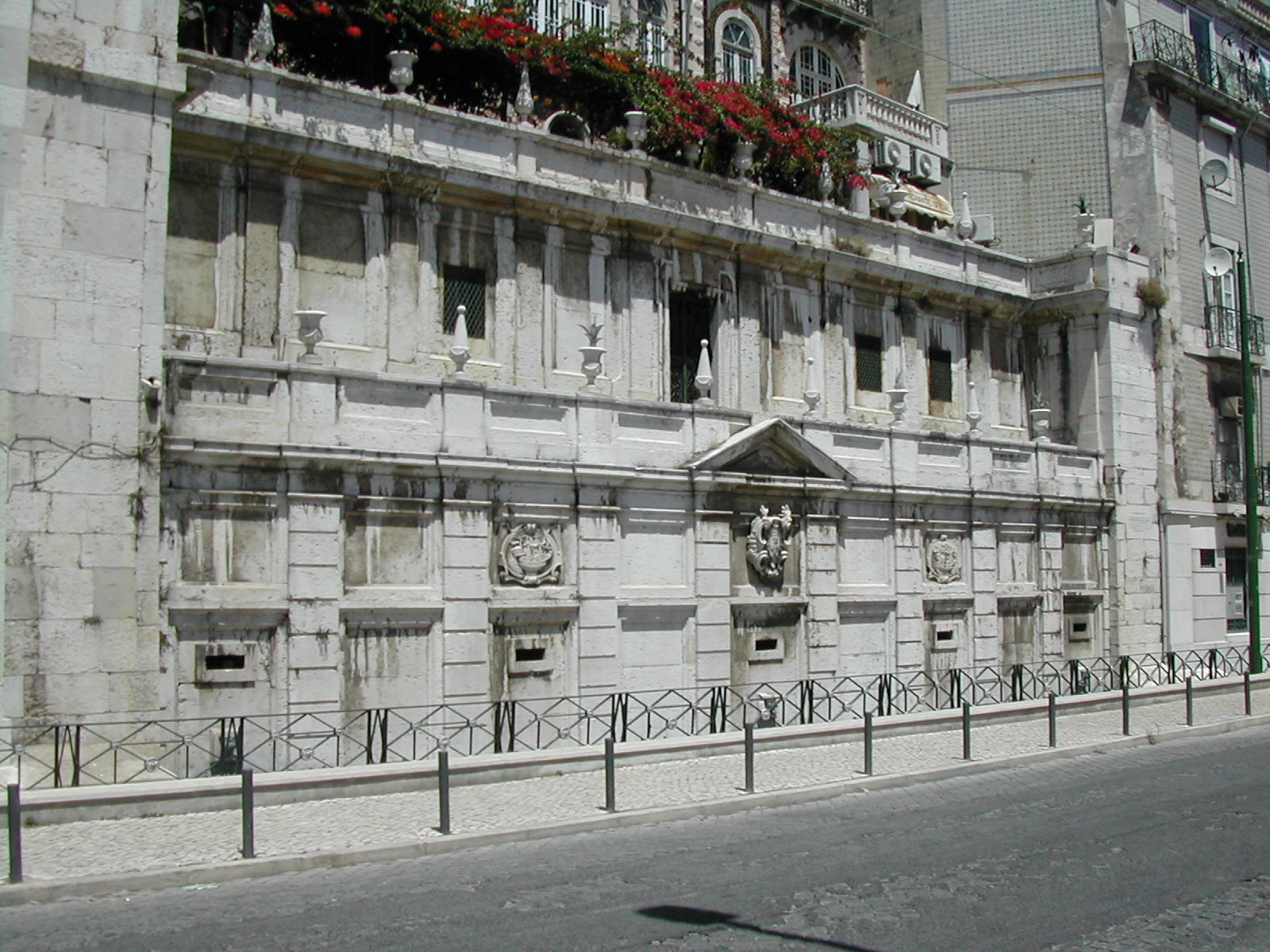
Chafariz d'El Rei – Lisbon’s Hidden Medieval Fountain
Discover the oldest stone water source in Portugal’s capital, a quiet oasis that whispers stories from the 13th century.
Introduction
If you think Lisbon’s charm is limited to its iconic tram 28, pastel‑de‑nata cafés, and the towering Belém Tower, think again. Tucked just a few steps away from the bustling Praça da Figueira lies Chafariz d'El Rei, a modest stone fountain that has been quenching thirsts since 1220. While most visitors flock to the grand plazas of Rossio or the historic Alfama neighbourhood, this unassuming water feature offers a rare glimpse into medieval Lisbon—an authentic piece of the city’s living history that many travelers overlook.
In this guide we’ll explore why Chafaril d'El Rei deserves a spot on your Lisbon itinerary, how to reach it, the best moments to soak up its atmosphere, and the charming nearby attractions that make the whole area a compact “fountain trail” for history lovers.
About Chafariz d'El Rei
A Fountain with Royal Roots
Originally known as Chafariz de São João da Praça, the fountain earned its present name after the works commissioned by King D. Dinis (reigned 1279‑1325). The royal patronage not only gave the fountain its new identity—Chafariz d'El Rei (the King’s Fountain)—but also cemented its status as a municipal landmark.
The stone structure is the oldest fountain in Lisbon, with documentary references dating back to 1220. For centuries it served as the city’s primary water source, supplying locals, merchants, and travelers alike. Its strategic location near the historic market square made it a bustling hub of daily life, where news was exchanged over a sip of fresh spring water.
Architectural Details
While the exact height and altitude of the fountain remain undocumented, its design reflects the utilitarian yet elegant stonework typical of medieval public utilities. The basin, carved directly from local limestone, still holds water during the warmer months, preserving the functional spirit that has survived nearly 800 years of urban transformation.
Cultural Significance
Chafariz d'El Rei is more than a relic; it is a living testimony to Lisbon’s resilience. Throughout the 15th‑century fires, the 1755 earthquake, and successive modernizations, the fountain endured—standing as a silent witness to the city’s evolving narrative. Today, it is a protected heritage site, celebrated by locals for its historical value and its role as a quiet meeting point away from the tourist throngs.
How to Get There
| Mode of Transport | Directions | Approx. Time |
|---|---|---|
| Walking | From Rossio Station (Metro Green Line), head north on Rua da Prata toward Praça da Figueira. The fountain sits right on the square, about 5 minutes on foot. | 5 min |
| Tram | Take Tram 28 or Tram 12 and alight at the Figueira (Praça da Figueira) stop. The fountain is just outside the stop. | 2 min |
| Bus | Lines 714, 727, or 738 stop at Praça da Figueira. Exit onto the square and you’ll see the fountain immediately. | 3 min |
| Taxi / Ride‑share | Request a drop‑off at “Praça da Figueira, 1100‑051 Lisboa”. The driver will know the exact spot. | 2 min (city traffic) |
Coordinates: 38.709717, -9.129475 – plug these into any GPS app for pinpoint accuracy.
Best Time to Visit
Spring (March‑May)
Mild temperatures and blooming jacaranda trees make the surrounding square vibrant. The fountain’s water flow is usually strongest after the occasional rain showers, offering a refreshing visual.
Autumn (September‑November)
Cool evenings and thinner crowds provide a perfect backdrop for photography. The golden light of the late afternoon highlights the stone’s texture, creating dramatic shadows.
Winter (December‑February)
While the fountain may be less active during the colder months, the historic ambience is unmatched. Early evenings are ideal for a quiet moment with a hot chocolate from a nearby café.
Tip: Avoid peak lunch hour (12 pm‑2 pm) when the square can become crowded with office workers. Early morning or late afternoon yields a more intimate experience.
What to Expect
Approaching Chafariz d'El Rei, you’ll notice a modest stone basin surrounded by low‑lying cobblestones. The water, when flowing, glistens against the limestone, creating a gentle sound that masks the city’s usual hustle.
- Atmosphere: A blend of historic serenity and urban buzz. Locals often pause for a quick drink or to chat, while photographers capture the contrast between ancient stone and modern life.
- Surroundings: The fountain sits within Praça da Figueira, a lively square lined with cafés, small shops, and the iconic Arco da Rua Augusta a short walk away.
- Accessibility: The area is flat and wheelchair‑friendly, with smooth pathways leading directly to the fountain.
Because the fountain is a protected heritage site, there are no ticket fees or opening hours—visitors can enjoy it any time the square is open to the public.
Nearby Attractions
While you’re in the neighbourhood, consider turning your visit into a mini fountain tour. All sites are within a comfortable walking distance (0‑0.2 km).
| Attraction | Distance | Quick Note | Link |
|---|---|---|---|
| Chafariz das Escadinhas de São Miguel | 0.1 km | A charming stepped fountain tucked behind a narrow alley. | Visit |
| Chafariz do Miradouro de Santa Luzia | 0.2 km | Offers panoramic views of the Alfama rooftops and the Tagus River. | Visit |
| Chafariz do Jardim Júlio de Castilho | 0.2 km | Set within a tranquil garden, perfect for a short rest. | Visit |
| Other historic fountains | 0.0‑0.1 km | Several unnamed historic water sources pepper the square; keep an eye out while you wander. | — |
These nearby fountains each have their own story, but together they illustrate how water shaped Lisbon’s urban layout from the Middle Ages onward.
Travel Tips
- Bring a reusable water bottle – The fountain’s water is safe to drink, so you can refill on the go and stay hydrated while exploring the city.
- Mind the cobblestones – The surrounding square is paved with uneven stones; wear comfortable shoes and watch your step, especially after rain.
- Combine with a coffee break – A short stroll to the adjacent Café da Praça offers a perfect spot for a pastel de nata and a view of the fountain’s gentle flow.
- Photography tip – Shoot during the “golden hour” (just after sunrise or before sunset) to capture the warm glow on the limestone. A low angle emphasizes the depth of the basin.
- Respect the heritage – No climbing or leaning on the stonework is allowed. Keep the area tidy and follow any signage posted by the municipal heritage office.
- Check local events – Occasionally, the square hosts small cultural performances or markets. These can add a lively backdrop to your visit, but may increase foot traffic.
Wrap‑Up
Chafariz d'El Rei may not have the grandeur of Lisbon’s grand cathedrals, but its quiet presence offers a unique portal to the city’s medieval past. Whether you’re a history buff, a photography enthusiast, or simply a traveler looking for an off‑the‑beaten‑path spot, this fountain invites you to pause, sip, and reflect on centuries of Lisbon life.
Add it to your itinerary, explore the neighboring fountains, and let the gentle splash of ancient water guide you through the heart of Portugal’s capital. Safe travels!
Keywords: Chafariz d'El Rei, Lisbon fountain, historic fountain Lisbon, things to do in Lisbon, medieval Lisbon, Praça da Figueira, Lisbon travel guide, nearby attractions Lisbon, Portugal heritage sites