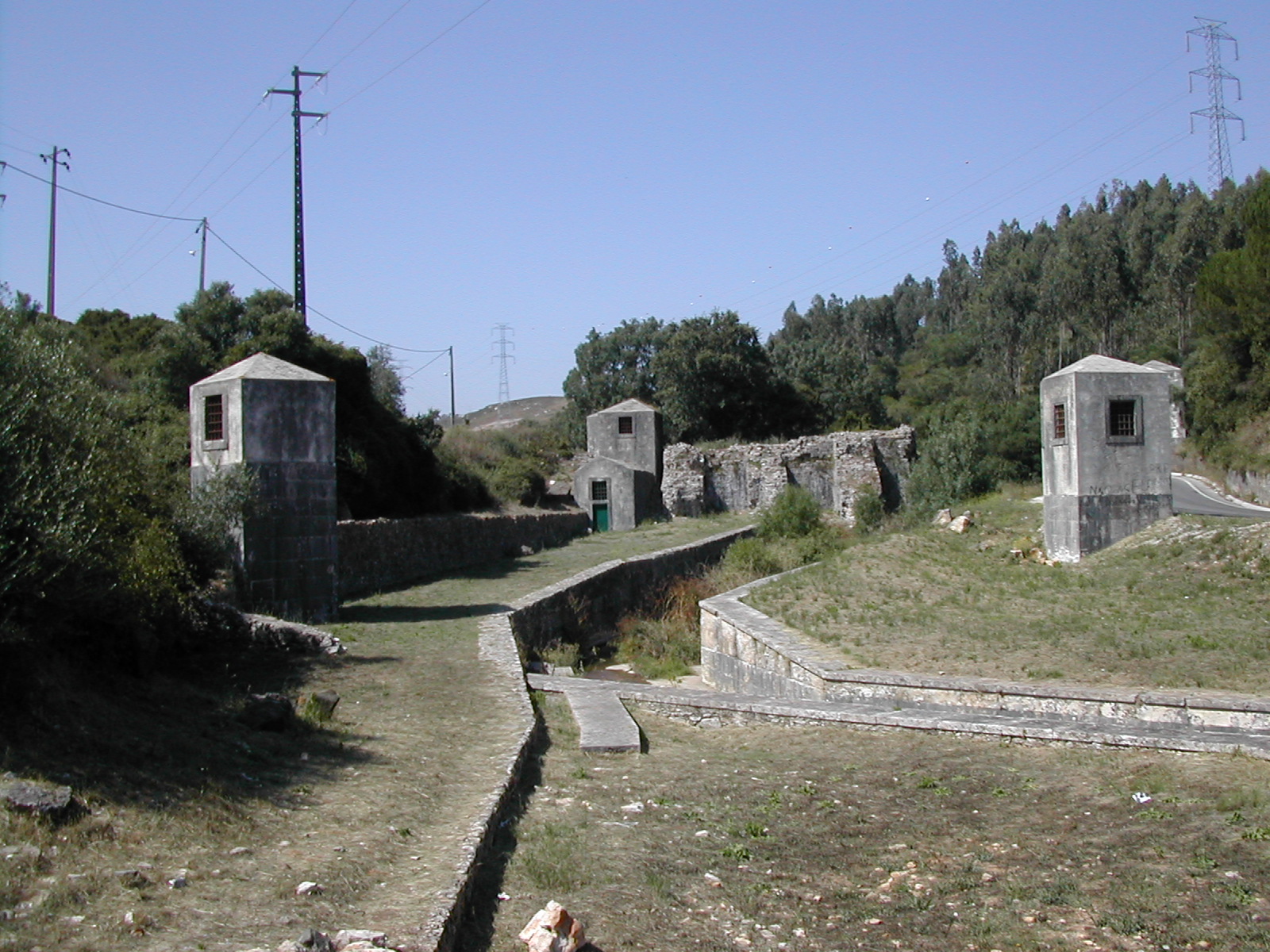
Antiga Barragem Romana de Belas – A Hidden Roman Gem in Lisbon’s Countryside
If you think Lisbon’s charm is limited to its historic neighborhoods and riverfront cafés, think again. Just a short drive from the bustling capital lies the Antiga Barragem Romana de Belas, a centuries‑old Roman dam that offers a glimpse into ancient engineering, tranquil nature, and off‑the‑beaten‑path Portuguese culture.
1. Introduction
Imagine standing beside a stone structure that has silently held back water for nearly two millennia. The Antiga Barragem Romana de Belas (also known as the Old Roman Dam of Belas) does exactly that—nestled in the leafy hills of Belas, Lisbon, this modest yet impressive dam invites history buffs, hikers, and curious travelers alike. Its rugged arches, overgrown vegetation, and panoramic views make it a perfect day‑trip destination for anyone exploring the Lisbon region beyond the city limits.
2. About Antiga Barragem Romana de Belas
A Roman Legacy in Modern Portugal
Built during the Roman occupation of the Iberian Peninsula, the dam was part of an extensive water‑management system that supplied the nearby settlements and agricultural lands. Although the exact construction date remains unknown, archaeological studies confirm that the structure follows classic Roman engineering principles—gravity‑based stone masonry, a curved spillway, and precise stone cutting that has withstood the test of time.
Why It Matters
- Historical significance – The dam is one of the few remaining Roman hydraulic works in the Lisbon area, offering scholars and visitors a tangible connection to Portugal’s ancient past.
- Cultural heritage – Recognised by Portuguese heritage authorities, the site is protected as a cultural monument, ensuring its preservation for future generations.
- Scenic backdrop – Set at coordinates 38.793216, -9.244440, the dam overlooks a gentle valley dotted with native oak and pine, creating a perfect spot for photography, bird‑watching, and quiet reflection.
For a deeper dive into its history, check the Portuguese Wikipedia entry: Barragem romana de Belas.
3. How to Get There
By Car
- Starting point: Central Lisbon (e.g., Rossio Square)
- Route: Take the A5 highway toward Cascais, exit at Alcântara and follow signs for Estrada Nacional 9 (EN9) toward Belas.
- Travel time: Approximately 30–35 minutes (≈25 km).
- Parking: A small, free parking lot sits just a few minutes’ walk from the dam’s entrance.
By Public Transport
- Train: Board the Comboios de Portugal (CP) train from Lisbon’s Oriente Station to Alcântara‑Marquês de Pombal (Cascais line).
- Bus: From Alcântara, catch the Carris bus 203 toward Belas; the stop “Belas – Barragem Romana” is a short 5‑minute walk to the site.
- Tip: Public transport schedules vary on weekends, so verify times on the Carris website before you travel.
By Bike or Hiking
For the adventurous, the Lisbon Green Belt (Cinturão Verde de Lisboa) offers marked cycling routes that connect the city to Belas. The ride takes roughly 1.5–2 hours and rewards you with countryside vistas and occasional rustic cafés along the way.
4. Best Time to Visit
| Season | Weather | Visitor Experience |
|---|---|---|
| Spring (Mar‑May) | Mild temperatures (15‑22 °C), blooming wildflowers | Ideal for photography and walking; fewer crowds. |
| Summer (Jun‑Aug) | Warm to hot (25‑35 °C), occasional rain | Peak tourist season; bring sun protection and water. |
| Autumn (Sep‑Nov) | Comfortable (18‑24 °C), golden foliage | Excellent for hiking; crisp air enhances the historic atmosphere. |
| Winter (Dec‑Feb) | Cooler (10‑15 °C), occasional rain | Quietest period; the dam’s stonework looks dramatic against misty skies. |
Recommendation: The late spring (mid‑April to early May) and early autumn (late September) provide the best combination of pleasant weather, vibrant scenery, and manageable visitor numbers.
5. What to Expect
The Site Itself
- Architecture: Rough‑hewn limestone blocks form a low, curved wall that spans a shallow valley. You’ll notice the characteristic Roman “arch‑spillway” that allowed excess water to flow safely downstream.
- Surroundings: A modest reservoir lies behind the dam, often reflecting the surrounding hills. The area is shaded by mature oak trees, and the gentle sound of a nearby creek adds to the serenity.
- Interpretive signage: Small informational panels (in Portuguese and English) explain the dam’s purpose and construction techniques.
Activities
- Guided walks: Occasionally, local heritage groups organize short tours—check the Câmara Municipal de Oeiras website for schedules.
- Photography: Sunrise casts a warm glow over the stonework, while sunset highlights the surrounding foliage.
- Picnicking: Bring a snack and enjoy a quiet lunch on the grassy banks; just remember to leave no trace.
Facilities
- Restrooms: None on site; the nearest public toilets are located in the small village of Belas, about a 10‑minute walk away.
- Food & Drink: No cafés at the dam itself. However, the nearby town of Belas offers a handful of traditional Portuguese “tasquinhas” where you can sample petiscos (small plates) and a glass of Vinho Verde.
6. Nearby Attractions
While the Antiga Barragem Romana de Belas is the star of the day, the surrounding area is dotted with charming water‑related sites that complement your visit:
| Attraction | Type | Distance from Dam | Link |
|---|---|---|---|
| Local Fountain | Fountain | 1.7 km | Google Maps – Fountain near Belas |
| Natural Spring | Spring | 1.9 km | Google Maps – Spring near Belas |
| Another Spring | Spring | 2.0 km | Google Maps – Spring near Belas |
| Fonte de Castelo de Vide | Fountain | 2.8 km | Fonte de Castelo de Vide (Wikipedia) |
| Fonte das Fontainhas | Fountain | 2.9 km | Fonte das Fontainhas (Wikipedia) |
These spots are perfect for short detours—each offers a glimpse of the region’s historic relationship with water, from medieval fountains to natural springs that once fed local farms.
7. Travel Tips
| Tip | Details |
|---|---|
| Wear comfortable shoes | The terrain around the dam is uneven and may be slippery after rain. |
| Bring water and a snack | No vending machines on site; a reusable water bottle helps you stay hydrated. |
| Check opening hours | While the dam is freely accessible 24/7, nearby parking may be limited during peak hours. |
| Respect the heritage | Do not climb on the stone arches or remove any artifacts. |
| Use a portable charger | Cell service can be spotty; a charged phone ensures you can navigate and capture photos. |
| Plan for weather | A lightweight rain jacket is handy, especially in autumn and winter. |
| Combine with a Lisbon day trip | Pair the dam with a visit to the historic Belas village or a short hike in the Serra de Monsanto natural park for a full‑day adventure. |
Final Thoughts
The Antiga Barragem Romana de Belas may not appear on every tourist brochure, but its quiet dignity and Roman engineering marvel make it a must‑see for travelers seeking authentic Portuguese experiences. Whether you’re a history enthusiast, a nature lover, or simply looking to escape the city’s hustle, this ancient dam offers a unique window into Lisbon’s past and a peaceful retreat for the present. Pack your camera, hit the road, and let the whispers of Roman stone guide you through one of Portugal’s best‑kept secrets. Safe travels!