Poço do Inferno Waterfall – A Hidden Gem in Guarda, Portugal
Discover the mystical cascade that locals call “the Hell’s Pool” and why it belongs on every nature‑lover’s itinerary in the Portuguese interior.
Introduction
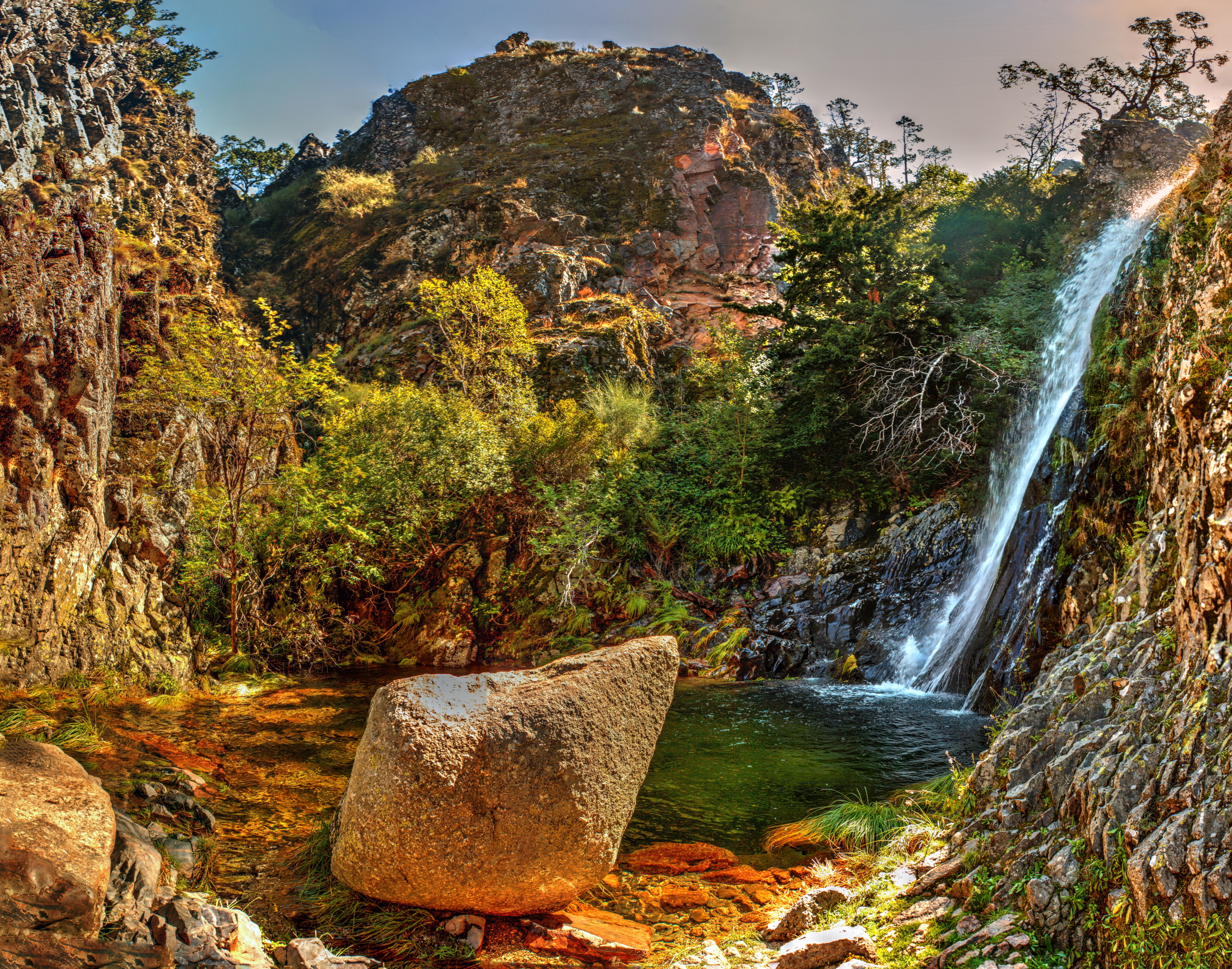
Imagine stepping off a quiet forest trail and hearing the roar of water plunging into a dark, emerald pool framed by rugged granite. The air is cool, scented with moss and pine, and a fine mist kisses your face. This is Poço do Inferno, the “Hell’s Pool” waterfall tucked away in the mountains of Manteigas, Guarda, Portugal. Though its name sounds intimidating, the site offers a serene, almost otherworldly experience that feels far removed from the bustling tourist hubs of Lisbon or Porto. If you crave authentic natural beauty, a touch of adventure, and a story to tell friends back home, Poço do Inferno should be at the top of your Portuguese travel list.
About Poço do Inferno
Poço do Inferno is a waterfall located in the municipality of Guarda, in the historic region of Beira Interior. Its exact height and altitude remain undocumented, adding to the mystique that surrounds the site. The name—literally “Pool of Hell”—stems from the deep, dark basin at the base of the cascade, which, when the water is high, looks like a bottomless pit.
Historically, the waterfall has been a quiet gathering place for shepherds and locals who used the surrounding pastures for grazing. Over time, hikers and nature enthusiasts discovered the spot, and it gradually earned a reputation as one of the most photogenic yet least crowded waterfalls in central Portugal. The waterfall is listed on the Portuguese Wikipedia page for Poço do Inferno (see the link in the “Nearby Attractions” section), confirming its cultural relevance despite its modest size.
How to Get There
By Car
The most reliable way to reach Poço do Inferno is by rental car or a private vehicle. From Guarda city centre, follow the N338 south toward Manteigas. After passing the town of Manteigas, look for the signposted Estrada da Cascata (Waterfall Road). The turn‑off is roughly 30 km from Guarda and leads to a narrow, paved road that winds through pine forests.
- Coordinates:
40.372538, -7.516529– paste these into your GPS or Google Maps for pinpoint accuracy. - Parking: A small gravel lot sits at the trailhead (free, but space fills quickly in summer).
By Public Transport
Public buses run between Guarda and Manteigas several times a day (operated by Rodonorte). Disembark at the Manteigas bus station and take a local taxi or arrange a ride‑share to the waterfall trailhead. Note that the final stretch is not serviced by regular buses, so a car or taxi is essential for the last kilometre.
Walking & Hiking
The waterfall is accessible via a moderately easy hiking trail that starts at the parking area. The path is well‑marked, about 1 km long, and takes roughly 20 minutes to reach the cascade. The trail is suitable for most fitness levels, though sturdy footwear is recommended due to occasional slippery rocks.
Best Time to Visit
| Season | Water Flow | Visitor Crowd | Why Visit |
|---|---|---|---|
| Spring (March–May) | High – snow melt from the Serra da Estrela mountains feeds the falls, creating a powerful cascade. | Low to moderate | Lush vegetation, vibrant wildflowers, best photo opportunities. |
| Summer (June–August) | Moderate – water levels can drop on hot days, revealing more of the dark pool. | Higher (local families) | Warm weather for picnics; longer daylight hours for extended hikes. |
| Autumn (September–November) | Steady – occasional rain keeps the flow lively. | Low | Golden foliage adds contrast; comfortable temperatures. |
| Winter (December–February) | Variable – heavy rain may boost flow, but icy conditions can make the trail hazardous. | Very low | For the adventurous who don’t mind bundling up. |
Overall recommendation: Late spring (April–May) offers the most dramatic water flow and pleasant weather, making it the optimal window for photography and comfortable hiking.
What to Expect
- A striking cascade: Water tumbles over a modest rock ledge into a deep, shadowy pool that reflects the surrounding forest canopy.
- Misty ambience: Even on sunny days, the spray creates a fine mist that cools the air and adds a dreamy quality to the scene.
- Quiet solitude: Because Poço do Inferno is off the main tourist radar, you’ll often find the area almost empty—perfect for meditation or a quiet picnic.
- Wildlife: Keep an eye out for Portuguese ibex, golden eagles, and a variety of songbirds that inhabit the Serra da Estrela region.
- Trail conditions: The path is mostly gravel with occasional wooden steps. In wet weather, rocks near the water’s edge can be slippery, so watch your footing.
Nearby Attractions
While Poço do Inferno is the star attraction, the surrounding area offers several complementary natural sites that can easily be combined into a day‑trip itinerary.
| Attraction | Distance | Type | Quick Info |
|---|---|---|---|
| Poço do Inferno (Waterfall) | 0 km | Waterfall | The main feature you’re visiting. |
| Cascata Saltar da Água | 3.5 km | Waterfall | A larger cascade located near Castelo Branco; reachable via a short forest road. |
| Local Weir (Barragem) | 3.9 km | Weir | Small dam used for irrigation; a pleasant spot for a brief rest. |
| Another Local Weir | 3.9 km | Weir | Similar to the previous weir, offering scenic views of the water management system in the region. |
All nearby sites are reachable by car or a short hike. For more details, check the Portuguese Wikipedia page for Poço do Inferno: Poço do Inferno (Wikipedia).
Travel Tips
- Footwear: Wear water‑resistant hiking boots with good tread. The rocks near the pool can be slick, especially after rain.
- Clothing: Layered clothing works best. Mornings can be cool, while afternoons may warm up quickly. A lightweight rain jacket is advisable in spring.
- Timing: Arrive early (before 10 am) during the high‑season months to avoid the occasional local crowd and capture the best light for photos.
- Safety: The pool is deep and the water cold. Swimming is not recommended due to hidden rocks and strong currents.
- Photography: Bring a polarizing filter to reduce glare on the water and a tripod for low‑light shots under the canopy. Sunrise and late afternoon provide the most dramatic lighting.
- Leave No Trace: Pack out all trash, stay on marked trails, and avoid disturbing wildlife. The area’s pristine condition depends on responsible visitor behavior.
- Refreshments: There are no cafés at the waterfall, so carry water, snacks, and a packed lunch. A small picnic on a nearby rock ledge is a delightful way to soak in the scenery.
- Connectivity: Mobile signal can be spotty. Download offline maps (Google Maps or MAPS.ME) before you set out.
- Local Culture: If you meet shepherds or locals, a friendly “Bom dia!” (good morning) is appreciated. Many families in the region still practice traditional cheese‑making—consider stopping in Manteigas for a taste of Queijo da Serra.
Wrap‑Up
Poço do Inferno may not appear on every mainstream travel guide, but that’s precisely why it feels like a secret treasure waiting to be discovered. Its dramatic cascade, tranquil pool, and surrounding pine‑covered hills create a perfect backdrop for hikers, photographers, and anyone seeking a genuine slice of Portugal’s natural heritage. Pair the waterfall with nearby attractions like Cascata Saltar da Água, and you’ve got a full day of immersive outdoor adventure in the heart of Guarda.
Pack your boots, charge your camera, and let the mist of Poço do Inferno refresh your spirit—because the best travel stories often begin with a hidden waterfall that few have seen.
Keywords: Poço do Inferno, waterfall Portugal, Guarda travel guide, Manteigas attractions, Serra da Estrela hikes, Cascata Saltar da Água, Portuguese nature, off‑the‑beaten‑path Portugal, waterfall hiking trail, travel tips Portugal.