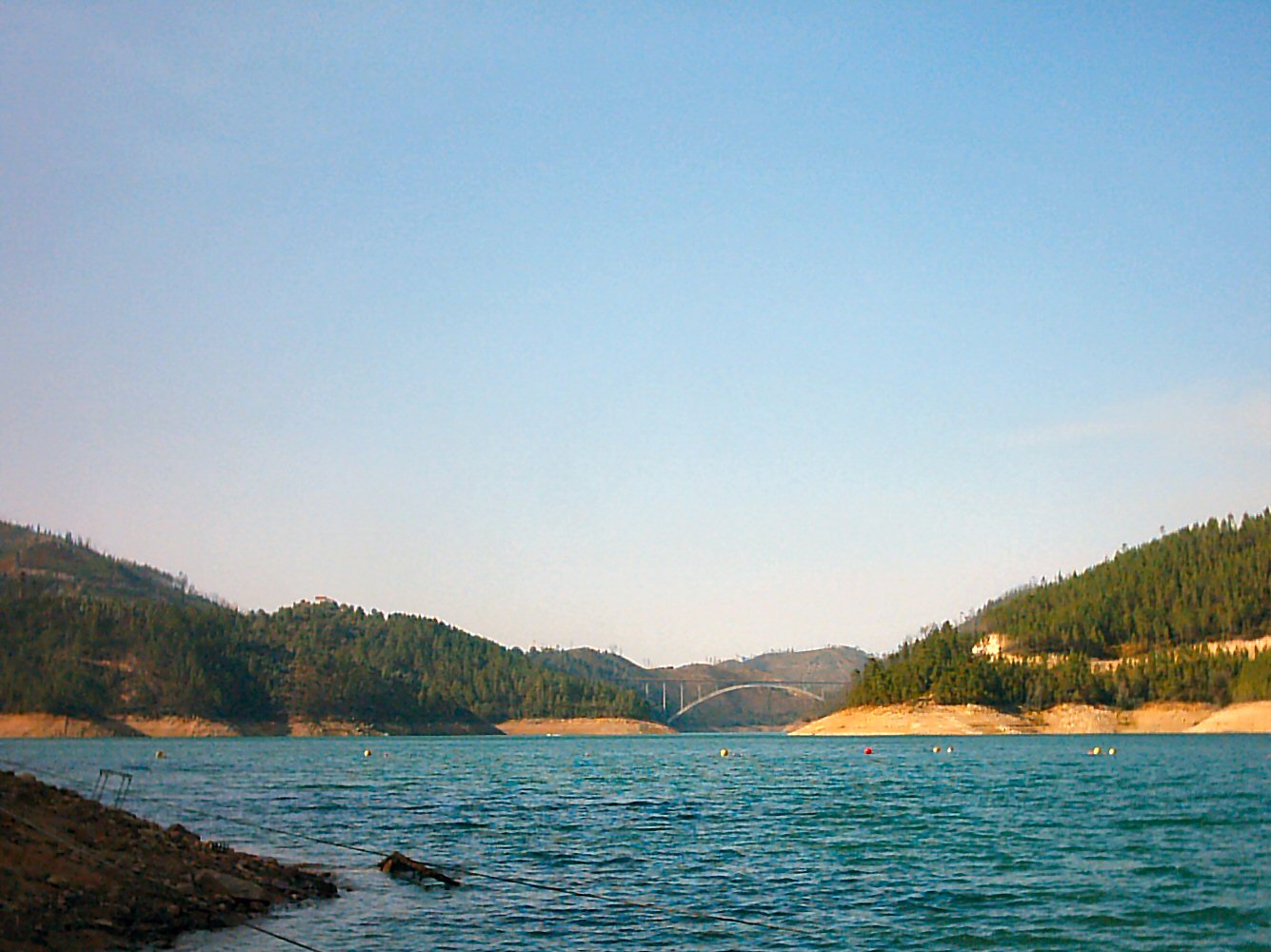
Discover the Hidden Gem of Portugal: Nascente Rio Zêzere
If you’re chasing crystal‑clear mountain water, breathtaking alpine scenery, and the quiet charm of Portugal’s lesser‑known natural wonders, the Nascente Rio Zêzere spring in Manteigas, Guarda, should be at the top of your itinerary.
1. Introduction
Imagine standing at 1,900 m above sea level, the air crisp, the sky a brilliant blue, and before you, a pristine spring bubbling out of the earth to become the source of one of the Iberian Peninsula’s most important rivers. This is Nascente Rio Zêzere – a spring that not only feeds the mighty Zêzere River (see its story on Wikipedia) but also offers an unforgettable, off‑the‑beaten‑path experience for hikers, photographers, and anyone who loves pure nature. In this guide, we’ll dive into everything you need to know to plan a perfect visit to this hidden treasure in the heart of the Guarda district.
2. About Nascente Rio Zêzere
A Natural Birthplace
- Location: Manteigas, Guarda, Portugal
- Coordinates: 40.330522, -7.596978
- Altitude: 1,900 m (6,234 ft) above sea level
The spring emerges from the rugged Serra da Estrela mountain range, the highest plateau in mainland Portugal. While the exact height of the spring’s water column isn’t recorded, its altitude guarantees a cold, oxygen‑rich flow that quickly gathers strength, becoming the headwaters of the Zêzere River – the longest tributary of the Tagus (Tejo) River.
Historical and Cultural Significance
The Zêzere River has been a lifeline for the region for centuries, supporting agriculture, powering mills, and shaping local folklore. Though the spring itself is a natural feature rather than a man‑made monument, it holds a symbolic place in the story of Guarda and Manteigas: the point where the river’s journey begins, feeding the valleys below and eventually joining the Tagus near Abrantes.
Local shepherds and hikers have long revered the spring for its purity. In recent years, eco‑tourism initiatives have highlighted the importance of protecting such pristine sources, making Nascente Rio Zêzere a focal point for sustainable travel in the Serra da Estrela Natural Park.
3. How to Get There
By Air
The nearest international airports are Lisbon Portela Airport (LIS) (≈ 300 km) and Porto Francisco Sá Carneiro Airport (OPO) (≈ 260 km). Both airports offer regular car‑rental services and shuttle connections to the central Portuguese highway network.
By Car
-
From Lisbon:
- Take the A1 north toward Coimbra, then switch to the A23 (also known as the Autoestrada da Beira Interior) heading toward Guarda.
- Exit at Guarda, follow signs for Manteigas (approximately 30 km).
- The final stretch is a winding mountain road (N232) that climbs to the spring’s parking area. -
From Porto:
- Follow the A1 south to Coimbra, then the A23 north to Guarda, and continue as above.
Driving time: Roughly 3–3.5 hours from Lisbon, 2.5–3 hours from Porto.
Public Transport
- Train: The Comboios de Portugal (CP) line connects Lisbon and Porto to Guarda.
- Bus: Regional bus services (e.g., Rede Nacional de Expressos) run from Guarda to Manteigas. From the Manteigas bus stop, a short taxi ride (≈ 10 minutes) or a 30‑minute hike will bring you to the spring.
On‑Foot Access
The spring is reachable via well‑marked trails from the Manteigas village center. The most popular route is the Trilho da Fonte da Nascente, a moderate 4‑km hike (round‑trip) that takes about 1.5 hours. Trailheads are clearly signposted, and the path is suitable for most fitness levels.
4. Best Time to Visit
| Season | Weather | Why Visit |
|---|---|---|
| Spring (March‑May) | Mild temperatures (10‑18 °C), blooming alpine flora | Water flow is strong, wildflowers create a colorful backdrop. |
| Summer (June‑August) | Warm days (20‑25 °C) but cool at altitude | Ideal for longer hikes; early mornings are refreshing. |
| Autumn (September‑October) | Crisp air, golden foliage | Fewer crowds, spectacular sunrise colors over the mountains. |
| Winter (November‑February) | Snow possible, temperatures near freezing | For the adventurous, a snow‑capped spring offers dramatic photo ops, but trail conditions can be challenging. |
Peak visitation occurs in late spring and early autumn when the weather is comfortable and the landscape is at its most vibrant. If you prefer solitude, aim for early May or late October.
5. What to Expect
Visuals & Atmosphere
- Crystal‑clear water: The spring’s pool glistens like a mirror, reflecting the surrounding granite peaks.
- Alpine scenery: Jagged rock formations, low‑lying pine forests, and occasional patches of genista (broom) create a rugged yet inviting environment.
- Sounds: The gentle burble of water, distant bird calls (golden eagles are occasionally spotted), and the whisper of wind through the trees combine for a serene soundscape.
Physical Experience
- Altitude: At 1,900 m, expect cooler temperatures even in summer; bring a light jacket.
- Trail conditions: The path to the spring is mostly stone‑packed with occasional wooden boardwalks over wetter sections. Good hiking shoes with ankle support are recommended.
- Water quality: The spring water is potable, but it’s best to bring a reusable bottle for hydration and to avoid contaminating the source.
Photography
- Golden hour: The east‑facing aspect of the spring makes sunrise especially photogenic.
- Long exposures: Capture the silky flow of water by using ND filters or a tripod.
- Panoramas: From the spring’s rim, you can frame sweeping views of the Serra da Estrela plateau.
6. Nearby Attractions
While Nascente Rio Zêzere is the star, the surrounding area offers several complementary sights, all within a short drive or hike:
| Attraction | Distance | Type | Quick Info |
|---|---|---|---|
| Guarda Dam (Barragem de Guarda) | 1.1 km | Dam | A modest reservoir that provides scenic reflections of the surrounding hills. |
| Fonte dos Perus | 1.8 km | Spring | Another natural spring with a small picnic area—perfect for a quick snack break. |
| Unnamed Spring (nearby) | 1.8 km | Spring | A lesser‑known water source that adds to the region’s hydro‑rich landscape. |
| Cova da Beira Dam (Barragem da Cova da Beira) | 1.9 km | Dam (Castelo Branco) | A larger dam offering boating and bird‑watching opportunities. |
| Barragem de Covão do Ferro | 2.0 km | Dam (Castelo Branco) | Known for its dramatic concrete arches and panoramic viewpoints. |
Tip: Combine a visit to the spring with a short drive to Guarda Dam for a contrasting landscape of still water and rugged cliffs, or explore Fonte dos Perus for a relaxed picnic amid nature.
7. Travel Tips
| Tip | Details |
|---|---|
| Dress in layers | Temperatures can swing 10 °C or more between sun and shade at 1,900 m. |
| Footwear | Sturdy, waterproof hiking boots with good tread are essential. |
| Hydration | Carry at least 1 L of water per person; refill at the spring if you trust its purity. |
| Respect the environment | Pack out all litter, stay on marked trails, and avoid touching delicate flora. |
| Timing | Arrive early (before 9 am) to beat any small crowds and enjoy the soft morning light. |
| Navigation | Offline maps (e.g., MAPS.ME) are handy; cell reception can be spotty. |
| Safety | In winter, check weather forecasts for snow or ice; consider hiring a local guide if conditions are uncertain. |
| Photography gear | A lightweight tripod and a polarizing filter help capture the water’s clarity and reduce glare. |
| Local cuisine | After your hike, stop in Manteigas for a hearty “truta à moda da Serra” (trout) dish and a glass of “serra” cheese. |
| Currency | Portugal uses the Euro (€); most establishments accept cards, but carry some cash for small vendors. |
Final Thought
Nascente Rio Zêzere isn’t just a spring; it’s the origin story of a river that weaves through Portugal’s heartland, a quiet sanctuary perched high in the Serra da Estrela, and a perfect illustration of why Portugal’s interior holds some of Europe’s most rewarding hidden adventures. Whether you’re a seasoned trekker, a photography enthusiast, or simply a traveler yearning for pristine natural beauty, the spring beckons with crystal‑clear waters and unforgettable mountain vistas. Pack your boots, respect the environment, and let the journey to the source of the Zêzere River become one of your most cherished travel memories.
Happy trails!