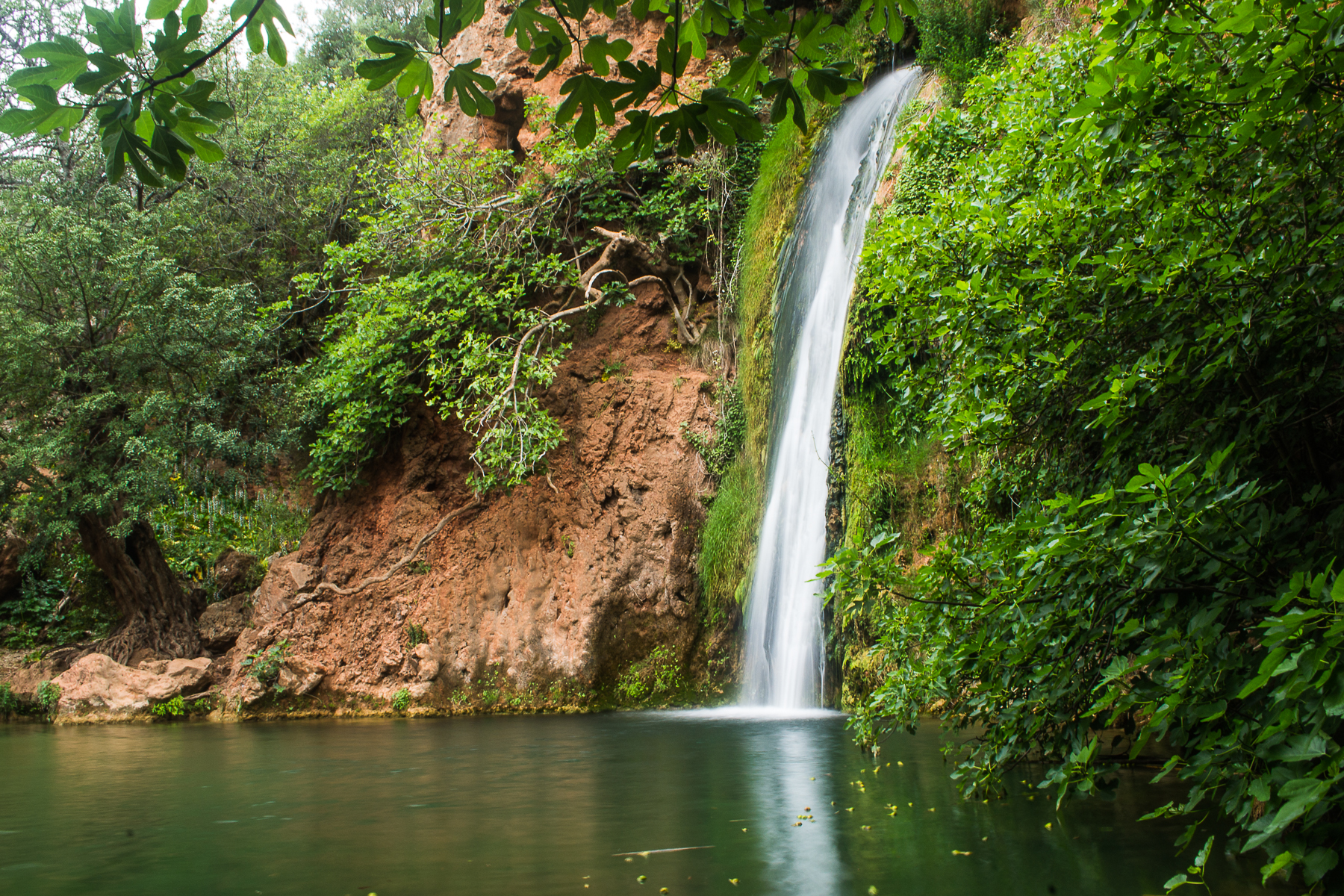
Queda do Vigário – The Hidden Waterfall Gem of Faro, Portugal
If you’re wandering the sun‑kissed Algarve and crave a splash of nature off the beaten path, the Queda do Vigário waterfall in Boliqueime is the perfect secret stop.
1. Introduction
Imagine stepping off the main road, the scent of eucalyptus in the air, and suddenly hearing the soft roar of water tumbling over stone. The Queda do Vigário—literally “The Vicar’s Fall”—offers exactly that moment of surprise, nestled just a few minutes from Faro’s historic centre. While the Algarve is famous for its golden beaches and dramatic cliffs, this modest waterfall reminds travelers that the region also hides lush, verdant pockets waiting to be explored.
Whether you’re a local day‑tripper, a cycling enthusiast, or a nature‑loving photographer, Queda do Vigário adds a refreshing splash to any itinerary. In this guide we’ll uncover everything you need to know to make the most of your visit—from getting there and the best season to go, to nearby attractions and insider travel tips.
2. About Queda do Vigário
What is it?
- Type: Waterfall 🌊
- Location: Boliqueime, Faro, Portugal
- Coordinates: 37.231789 N, ‑8.179292 W
- Height & Altitude: Not officially recorded (the fall is modest but charming)
Queda do Vigário is a small, natural cascade fed by a seasonal stream that runs through the gentle hills surrounding Bol Boliqueime. The water rushes over a series of limestone ledges, creating a cool, mist‑filled micro‑climate that contrasts beautifully with the surrounding Mediterranean scrub.
A Brief History
The name “Vigário” hints at a historic connection to the local parish priest, who likely used the site as a water source or a place of quiet contemplation centuries ago. While detailed records are scarce, the waterfall has long been part of the community’s oral tradition, appearing in regional folklore as a spot where travelers could “wash away their worries.”
Why It Matters
- Ecological Value: The waterfall supports a small but diverse riparian habitat, attracting dragonflies, native amphibians, and a variety of birds.
- Cultural Significance: It serves as a natural landmark for the Boliqueime community, often featured in local festivals and family picnics.
- Tourism Appeal: As one of the few waterfalls in the Faro district, it offers a unique alternative to the typical beach‑focused Algarve itinerary, appealing to eco‑tourists and hikers alike.
For more background, you can check the Portuguese Wikipedia entry: Queda do Vigário (pt).
3. How to Get There
By Car
-
From Faro Airport (FAO):
- Take the N125 east toward Loulé.
- Exit onto the A22 (Via do Infante) heading north.
- Take exit 14 for Boliqueime and follow signs to R. da Ribeira. -
Parking:
- A small public car park sits just off the main road near the waterfall’s trailhead. It’s free, but spaces fill quickly on sunny weekends, so arrive early.
By Public Transport
- Bus: The EV (Empresa de Transportes de Faro) line 14 runs from Faro city centre to Boliqueime. Get off at the “Boliqueime – Centro” stop and walk north for about 10 minutes following the signs for “Queda do Vigário.”
- Train: The Algarve line (Comboios de Portugal) stops at Loulé; from there you can catch a local taxi or a short bus ride to Boliqueime.
By Bike or on Foot
The region’s rolling terrain makes it a popular route for cyclists. From Faro, follow the Rota do Litoral bike path eastward, then divert onto the quiet country lanes toward Boliqueime. The total ride is roughly 20 km and offers scenic views of almond orchards and olive groves.
Navigation Tips
- GPS: Enter the coordinates 37.231789, -8.179292 for pinpoint accuracy.
- Signage: Look for the wooden sign “Queda do Vigário” near the trailhead; it’s hard to miss.
4. Best Time to Visit
| Season | Water Flow | Weather | Visitor Experience |
|---|---|---|---|
| Spring (Mar‑May) | Highest (rain‑fed) | Mild, occasional showers | Lush vegetation, vibrant water, fewer crowds |
| Summer (Jun‑Aug) | Low to moderate | Hot, sunny | Warm water, perfect for a quick dip, but stream may be reduced |
| Autumn (Sep‑Nov) | Moderate | Pleasant, cooling evenings | Beautiful golden light, ideal for photography |
| Winter (Dec‑Feb) | Variable (depends on rainfall) | Cooler, occasional rain | Quiet, atmospheric, but some paths may be slippery |
Top Recommendation: Visit in late spring (April–May) when the waterfall is at its fullest, the surrounding flora is in bloom, and temperatures are comfortable for hiking.
5. What to Expect
The Trail
- Length: Approximately 500 m from the parking area to the base of the fall.
- Difficulty: Easy to moderate; the path is a compact earthen trail with a few gentle inclines.
- Surface: Mostly packed earth with occasional rocky sections; sturdy walking shoes are advisable.
The Setting
- Scenery: The cascade tumbles over limestone, creating a natural pool that reflects the surrounding green. Small ferns and wild rosemary line the banks, offering a fragrant backdrop.
- Soundscape: The gentle rush of water blends with birdsong—particularly the melodic calls of the European goldfinch and the occasional buzz of dragonflies.
- Photography: Early morning light filters through the trees, producing soft, diffused illumination—perfect for long‑exposure shots of the water.
Amenities
- Restrooms: None on site; the nearest public toilets are in the Boliqueime village centre (≈ 1 km).
- Picnic Areas: A modest wooden bench sits near the waterfall, ideal for a quick snack.
- Safety: The pool is shallow near the edge, but the water can be slippery. Keep an eye on children and avoid jumping from the rocks.
6. Nearby Attractions
While Queda do Vigário is the star of the show, the surrounding area offers several complementary natural sites that can round out a half‑day or full‑day excursion:
| Attraction | Distance from Queda do Vigário | Type | Quick Note |
|---|---|---|---|
| (Weir) | 0.8 km | Weir | Small historic weir on the same stream—great for a quick stop. |
| Fonte Pequena | 0.8 km | Spring | A clear spring that feeds the local irrigation system; perfect for a tranquil pause. |
| (Weir) | 1.1 km | Weir | Another modest weir offering a glimpse into traditional water management. |
| Fonte Grande de Alte | 1.2 km | Spring | A larger spring with a charming stone basin—popular with locals for fresh water. |
Tip: All these points are reachable on foot or by a short bike ride, making them ideal for a “water‑trail” loop that showcases the hidden hydro‑culture of the Faro hinterland.
7. Travel Tips
| Tip | Details |
|---|---|
| Arrive Early | Parking fills up quickly, especially on weekends and during the spring bloom. |
| Bring Water‑Proof Footwear | The trail can get muddy; a pair of waterproof shoes or sturdy hiking sandals will keep you comfortable. |
| Pack a Light Picnic | There are no food vendors nearby, but a small snack and a bottle of water will let you linger longer. |
| Respect the Environment | Stay on marked paths, avoid pulling plants, and carry out any litter. The area is a delicate ecosystem. |
| Check the Weather | Sudden summer thunderstorms can make the stream swell quickly. If heavy rain is forecast, consider postponing. |
| Use a Local Guide (Optional) | For deeper insight into the history and flora, local guides from Boliqueime offer short, inexpensive tours. |
| Photography Gear | A small tripod and a neutral‑density filter can help you capture silky‑smooth water effects. |
| Combine with a Village Visit | After the waterfall, stroll through Boliqueime’s historic centre—its white‑washed houses and traditional bakery are worth a quick detour. |
| Currency & Payments | Most nearby shops accept cash and card; however, small rural vendors may prefer cash. |
| Language | Portuguese is the primary language; basic English is understood in tourist spots, but learning a few local phrases (e.g., “Obrigado” for thank you) goes a long way. |
Wrap‑Up
Queda do Vigário may not boast the towering height of Icelandic falls or the dramatic plunge of Spain’s Cascada del Purgatorio, but its understated charm, easy accessibility, and authentic Algarvian atmosphere make it a must‑see for travelers seeking a different side of the Faro region.
Add this hidden waterfall to your itinerary, explore the nearby springs and weirs, and you’ll discover a quiet corner of Portugal where nature, history, and local life flow together in perfect harmony.
Happy travels, and don’t forget to splash a little water on the camera lens for good luck!
