Discover the Hidden Gem of Alentejo: Barragem de Vale de Figueira
If you think Portugal’s charm is limited to cobblestone streets, pastel de nata, and dramatic coastline, think again. Tucked away in the rolling hills of Mora, just a short drive from the historic city of Évora, lies Barragem de Vale de Figueira – a modest yet captivating dam that offers a peaceful escape into nature, stunning photo‑ops, and a glimpse of rural Portuguese life.
About Barragem de Vale de Figueira
Barragem de Vale de Figueira (Portuguese for “Vale de Figueira Dam”) is a small but functional earth‑filled dam perched at an altitude of 114.4 m above sea level. With a height of 12 m, it gently holds back the waters that irrigate the surrounding vineyards and olive groves, contributing to the region’s famed agricultural output.
Although the dam does not have a dedicated Wikipedia page, its presence is marked on regional maps at the coordinates 38.857057, ‑8.113538. The structure is part of a network of modest water‑management projects that have helped sustain the Alentejo plains for centuries. While its exact construction date is not widely publicised, the dam reflects the traditional engineering approaches used throughout Portugal to balance water supply with the demands of farming and rural communities.
Why It Matters
- Water Management: The dam plays a crucial role in regulating local water flow, especially during the hot, dry summers that characterize the Alentejo interior.
- Scenic Landscape: Surrounded by gentle hills, cork oak forests, and cultivated fields, the reservoir offers a tranquil setting perfect for reflective walks or a quiet picnic.
- Cultural Insight: Visiting the dam gives travelers a rare look at the everyday infrastructure that supports Portugal’s agricultural heritage—something you won’t find on the typical tourist trail.
How to Get There
By Car
The most convenient way to reach Barragem de Vale de Figueira is by rental car or a private vehicle. From Évora’s historic centre:
- Head west on N256 toward Mora (approximately 15 km).
- Follow signs for Mora and then for Vale de Figueira.
- Turn onto the local road that leads directly to the dam; look for a small parking area near the reservoir.
The drive takes about 20–25 minutes and offers scenic views of the Alentejo countryside—think golden wheat fields, stone farmhouses, and distant vineyards.
By Public Transport
Public transport options are limited, as the dam is situated in a rural area. However, you can:
- Take a bus from Évora to Mora (several daily services operated by Vimeca).
- From Mora, catch a local taxi or arrange a ride‑share to the dam (approximately 5 km).
By Bike
For the adventurous, the bike route from Évora to Mora is well‑marked and relatively flat, making it a pleasant 30‑km ride. Bring a sturdy bike, water, and sunscreen—Portugal’s summer sun can be intense.
Best Time to Visit
| Season | Weather | Why Visit |
|---|---|---|
| Spring (March‑May) | Mild temperatures (15‑22 °C), occasional rain | The surrounding fields burst into green, wildflowers bloom, and the reservoir is at its fullest. Ideal for photography. |
| Summer (June‑August) | Warm to hot (25‑35 °C), dry | Perfect for early‑morning or late‑afternoon visits when the light is soft. Bring plenty of water and sun protection. |
| Autumn (September‑November) | Pleasant (18‑25 °C), occasional rain | Harvest season in the vineyards; the landscape takes on golden hues. Less crowded, great for tranquil walks. |
| Winter (December‑February) | Cool (8‑14 °C), occasional fog | The dam’s water level may be lower, but the misty atmosphere can be atmospheric for contemplative photography. |
Overall recommendation: Late spring (April–May) and early autumn (September–October) provide the most comfortable temperatures, vibrant scenery, and the best chance of seeing the reservoir at optimal water levels.
What to Expect
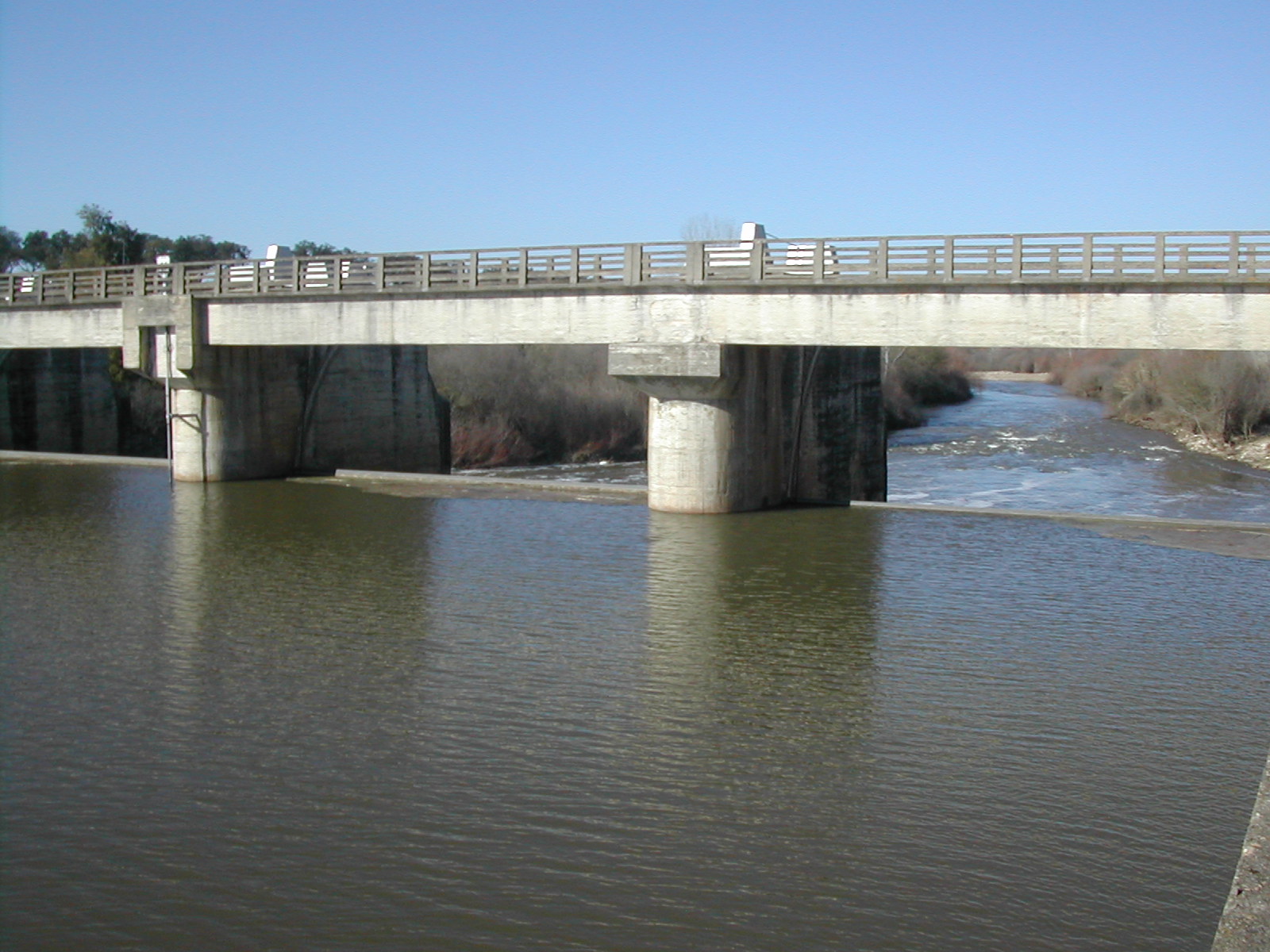
Arriving at Barragem de Vale de Figueira, you’ll be greeted by a modest concrete spillway that gently releases water into a narrow, turquoise‑tinged channel. The reservoir itself is relatively small—perfect for a quiet sit‑down on the grassy banks.
- Scenic Walks: A short, informal trail circles the dam, offering varied viewpoints of the water, the surrounding farmland, and distant cork oak groves.
- Birdwatching: The area attracts a variety of local bird species, especially during migration periods. Keep an eye out for swallows, kingfishers, and occasionally, the striking black‑winged stilt.
- Picnic Spots: There are a few shaded benches and open grassy patches where you can enjoy a packed lunch while listening to the gentle flow of water.
- Photography: The dam’s low‑profile design blends harmoniously with the landscape, making it an excellent subject for both wide‑angle landscape shots and intimate close‑ups of water textures.
Because the dam is primarily a functional piece of infrastructure, there are no formal visitor facilities (no café, gift shop, or guided tours). However, the simplicity adds to the authenticity of the experience—think of it as a “living museum” of rural Portuguese water management.
Nearby Attractions
While the dam itself is a peaceful retreat, you can easily combine your visit with a few other points of interest within a short radius:
- Fountain in Évora (3.7 km) – A historic stone fountain located in the heart of Évora, perfect for a quick cultural stop.
- Fonte do Largo da Igreja (3.8 km) – Another charming fountain that showcases traditional Portuguese stonework.
- Barragem do Peso (7.0 km) – A larger dam nearby, offering a slightly different landscape and more expansive water views.
- Unnamed Dam (7.4 km) – A small, lesser‑known dam that adds to the network of water management structures in the region.
- Unnamed Dam (7.8 km) – Another nearby reservoir, ideal for those who enjoy exploring multiple sites in one day.
These attractions can be visited in a single day trip, allowing you to experience both the natural serenity of Barragem de Vale de Figueira and the cultural highlights of the surrounding Alentejo towns.
Travel Tips
| Tip | Details |
|---|---|
| Bring Water & Snacks | There are no food vendors at the dam. A reusable water bottle and a light snack will keep you comfortable. |
| Wear Comfortable Shoes | The informal trail around the reservoir can be uneven; sturdy walking shoes or hiking sandals are advisable. |
| Sun Protection | Even on cloudy days, UV rays are strong in the Alentejo. Pack sunscreen, a hat, and sunglasses. |
| Timing | Arrive early in the morning (especially in summer) to avoid the heat and capture the soft golden light. |
| Respect Private Land | Some sections around the dam border private farms. Stick to the designated path and avoid trespassing. |
| Photography Gear | A wide‑angle lens works well for landscape shots, while a telephoto can help isolate wildlife. |
| Parking | A small free parking area is available near the dam; it can fill up during local events, so plan accordingly. |
| Local Language | Basic Portuguese phrases (e.g., “Bom dia” – good morning, “Obrigado/Obrigada” – thank you) are appreciated by locals. |
| Combine with Évora | Pair your dam visit with a half‑day exploring Évora’s UNESCO‑listed historic centre—just a 20‑minute drive away. |
| Check Weather | The dam can be foggy in early mornings, especially in winter; check the forecast for visibility if you’re planning photography. |
Final Thoughts
Barragem de Vale de Figueira may not have the towering presence of Portugal’s famous hydro‑electric dams, but its understated beauty and authentic rural atmosphere make it a worthwhile addition to any Alentejo itinerary. Whether you’re a nature lover, a photography enthusiast, or simply a traveler seeking off‑the‑beaten‑path experiences, this modest dam offers a quiet sanctuary where the rhythm of water and the whisper of the wind tell the story of Portugal’s timeless landscape.
So pack your camera, hop in the car, and let the gentle flow of Barragem de Vale de Figueira guide you to a deeper appreciation of the heartland of Évora. Safe travels!