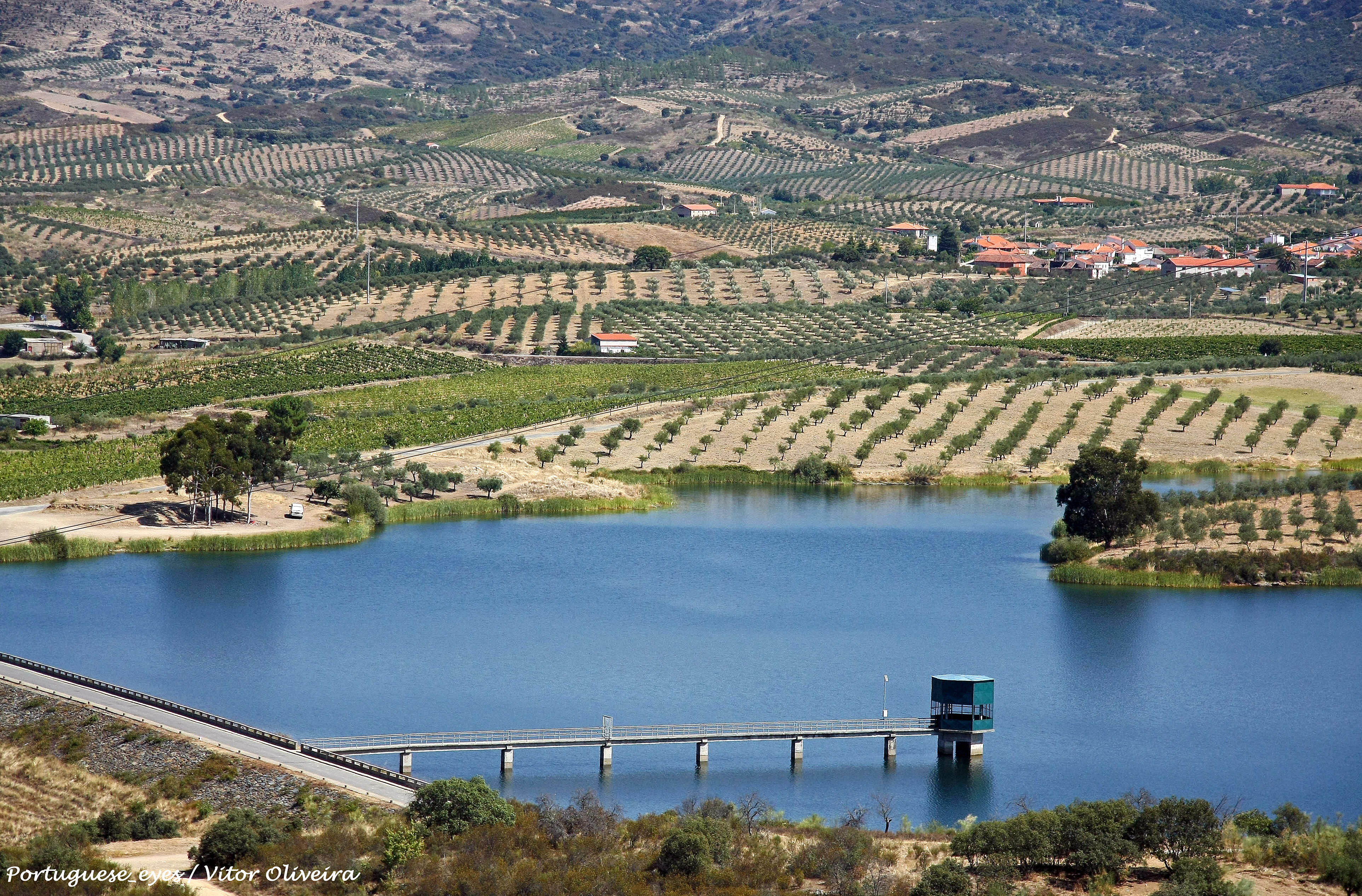
Discover the Tranquil Beauty of Barragem de Salgueiro – A Hidden Gem in Bragança, Portugal
If you’re craving an off‑the‑beaten‑path experience that blends engineering marvels with breathtaking nature, the Barragem de Salgueiro is the perfect destination. Nestled in the rolling hills of Alfandega da Fé, this modest yet striking dam offers a peaceful retreat for travelers exploring the historic province of Bragança.
1. Introduction
Imagine a serene lake framed by gentle hills, the water reflecting the pastel hues of sunrise, and a sleek concrete wall standing 25 metres tall, quietly regulating the flow of the river below. That’s Barragem de Salgueiro – a 25 m high dam perched at 223.5 m above sea level, right in the heart of Portugal’s rugged northeast.
While the region is famed for its medieval castles, ancient stone villages, and the dramatic Serra de Montesinho, the dam remains an underrated spot for photographers, nature lovers, and anyone seeking a moment of calm away from the tourist crowds. In this guide, we’ll explore everything you need to know to make the most of a visit to this charming waterworks site.
2. About Barragem de Salgueiro
A Quick Overview
- Location: Alfandega da Fé, Bragança, Portugal
- Coordinates: 41.336124 N, ‑7.051118 W
- Height: 25 m (≈ 82 ft)
- Altitude: 223.5 m (≈ 734 ft) above sea level
The Barragem de Salgueiro (Portuguese for “Salgueiro Dam”) is a concrete gravity dam built to manage water resources for the surrounding agricultural lands and to help regulate river flow in the region. Although it does not boast the massive scale of Portugal’s hydro‑electric giants, its modest size makes it especially accessible for visitors who can walk right up to the spillway and enjoy panoramic views of the reservoir.
Historical Context
The dam’s construction reflects the broader 20th‑century efforts by Portuguese authorities to improve irrigation, control flooding, and support rural development in the interior provinces. While specific dates and engineering details are scarce in public sources, the dam has become an integral part of the local landscape, supporting both the community’s water needs and its growing eco‑tourism sector.
Why It Matters
- Water Management: Provides reliable irrigation for nearby farms, sustaining traditional crops such as olives, chestnuts, and vineyards.
- Ecological Habitat: The reservoir attracts a variety of bird species, making it a modest bird‑watching hotspot.
- Cultural Landscape: Serves as a visual anchor for the surrounding villages, linking modern infrastructure with centuries‑old stone architecture.
For a deeper dive into its background, the Portuguese Wikipedia entry offers additional context: Barragem de Salgueiro (pt).
3. How to Get There
By Car
The most convenient way to reach Barragem de Salgueiro is by car. From the city of Bragança (the provincial capital), follow the N221 northward for roughly 30 km, then take the local road signs toward Alfandega da Fé. The dam sits just a few minutes outside the village, with clear signage directing you to a small parking area near the reservoir.
- Driving time: Approximately 35 minutes from Bragança.
- Parking: Free, limited spaces – arrive early during peak season to secure a spot.
By Public Transport
Public transport options are limited, but you can combine a regional bus with a short taxi ride:
- Bus: Take the Rede Expressos or RodoExpress service from Bragança to Alfandega da Fé (check the latest timetable, as services run a few times daily).
- Taxi/ rideshare: From the Alfandega da Fé bus stop, a local taxi can drop you off at the dam in about 5 minutes.
By Bike or Hiking
For the adventurous, the countryside around Bragança offers marked cycling routes and hiking trails. The distance from the town center to the dam (≈ 30 km) can be covered on a full‑day bike ride, with scenic detours through olive groves and historic stone farms.
4. Best Time to Visit
| Season | Weather & Highlights | Visitor Tips |
|---|---|---|
| Spring (Mar–May) | Mild temperatures (12‑20 °C), wildflowers bloom, water levels rise after winter rains. | Ideal for photography and bird‑watching. Bring a light jacket. |
| Summer (Jun–Aug) | Warm days (25‑30 °C), longer daylight, reservoir perfect for a quick dip. | Arrive early to avoid midday heat; bring sunscreen and plenty of water. |
| Autumn (Sep–Nov) | Pleasant cooling (15‑22 °C), golden foliage, lower tourist traffic. | Great for peaceful walks and capturing sunset reflections on the water. |
| Winter (Dec–Feb) | Cooler (8‑12 °C), occasional rain, water levels may be lower. | Still accessible, but dress warmly; the dam’s silhouette against misty hills is atmospheric. |
Overall, late spring and early autumn provide the most comfortable climate and the richest natural colors, making them the optimal windows for a visit.
5. What to Expect
Scenic Views
From the modest observation platform near the spillway, you’ll enjoy sweeping vistas of the reservoir set against the undulating terrain of the Trás‑os‑Montes region. The water’s surface often mirrors the sky, creating perfect conditions for sunrise and sunset photography.
Peaceful Atmosphere
Unlike crowded tourist sites, the dam area remains tranquil. You’ll hear only the gentle lapping of water, occasional bird calls, and the faint hum of the water release mechanisms. This serenity makes it an excellent spot for meditation, sketching, or simply unwinding with a good book.
Wildlife
The reservoir attracts a modest array of waterfowl—mallards, coots, and occasionally herons. If you’re a bird‑watcher, bring a pair of binoculars and a field guide; you may spot migratory species passing through during spring and autumn.
Facilities
- Restrooms: Limited; the nearest public facilities are in the village of Alfandega da Fé (≈ 5 km away).
- Food & Drink: No on‑site cafés. Pack a picnic or stop in Alfandega da Fé for traditional “petiscos” (small plates) and a glass of local Vinho do Dão.
- Accessibility: The main viewing area is reachable via a short, unpaved path; it is moderately accessible for those with limited mobility, but a sturdy pair of shoes is recommended.
6. Nearby Attractions
While the Barragem de Salgueiro can easily fill a half‑day, the surrounding area offers several complementary sites worth exploring:
| Attraction | Distance | Type | Quick Note |
|---|---|---|---|
| Barragem de Santa Justa | 2.2 km | Dam | Another small dam with a pleasant walking trail around its reservoir. |
| [Unnamed Dam] | 2.5 km | Dam | A lesser‑known waterworks site; perfect for a quick photo stop. |
| [Unnamed Weir] | 3.9 km | Weir | Offers a glimpse of traditional water management techniques. |
| [Unnamed Weir] | 4.2 km | Weir | Surrounded by rustic stone walls and grazing livestock. |
| [Unnamed Weir] | 5.1 km | Weir | Ideal for a short hike and bird‑watching. |
(If you have specific names for the nearby dams and weirs, replace the placeholders with their proper titles and link to their respective Wikipedia pages.)
Extend Your Day in Alfandega da Fé
- Historic Center: Wander the narrow cobblestone streets, admire the 16th‑century parish church, and explore local craft shops.
- Museu da Aldeia: A small museum showcasing traditional rural life, perfect for cultural immersion.
- Gastronomy: Sample regional specialties such as presunto (cured ham), queijo da Serra (mountain cheese), and doces de mel (honey sweets).
7. Travel Tips
| Tip | Details |
|---|---|
| Pack Essentials | Bring water, snacks, sunscreen, a hat, and a light jacket—weather can shift quickly in the hills. |
| Footwear | Sturdy, comfortable shoes are advisable; some paths are unpaved and may be slippery after rain. |
| Timing | Arrive early (sunrise) for the best light and to avoid any occasional local gatherings. |
| Respect the Environment | Keep the area clean, stay on marked paths, and avoid feeding wildlife. |
| Photography | A wide‑angle lens captures the full reservoir; a telephoto lens helps isolate wildlife. |
| Local Etiquette | Portuguese rural communities are friendly; a simple “Bom dia” (good morning) goes a long way. |
| Currency | Euros (€) are used; most small villages accept cash only, so have some on hand. |
| Language | Portuguese is the primary language; English is understood by most younger residents, but learning a few phrases is appreciated. |
| Safety | The dam’s spillway can be hazardous—stay behind any safety barriers and follow posted signs. |
Final Thought
Whether you’re a seasoned traveler hunting hidden water‑based landscapes, a photographer chasing that perfect reflection, or simply a curious explorer eager to step off the main tourist trail, Barragem de Salgueiro offers a gentle yet unforgettable slice of Portugal’s interior charm. Pair it with nearby dams, the historic village of Alfandega da Fé, and the rugged beauty of Bragança, and you’ve crafted a day (or a weekend) that feels both authentic and rejuvenating.
Pack your camera, hit the road, and let the quiet waters of Salgueiro welcome you to a world where engineering meets nature in perfect harmony. Safe travels!