Fonte do Campo das Hortas – Braga’s Hidden Fountain Gem
Discover the charm of one of Braga’s most understated landmarks, the Fonte do Campo das Hortas. Whether you’re a history buff, a photography enthusiast, or simply wandering the streets of northern Portugal, this modest fountain offers a quiet pause in the city’s bustling heart.
1. Introduction
When you think of Braga, the capital of the Minho region, images of baroque churches, medieval streets, and lively cafés often come to mind. Yet tucked away a few steps from the city’s main squares lies a small but captivating piece of urban heritage: Fonte do Campo das Hortas. This unassuming stone fountain, perched at the intersection of historic avenues, has been quietly quenching the thirst of locals and visitors alike for generations. Its subtle elegance makes it a perfect spot for a quick photo, a reflective moment, or a brief escape from the tourist crowds.
If you’re planning a trip to Braga, add this fountain to your itinerary and experience a slice of authentic Portuguese daily life.
2. About Fonte do Campo das Hortas
Description
- Type: Fountain ⛲
- Location: Braga, Braga, Portugal
- Coordinates: 41.549912, -8.430243
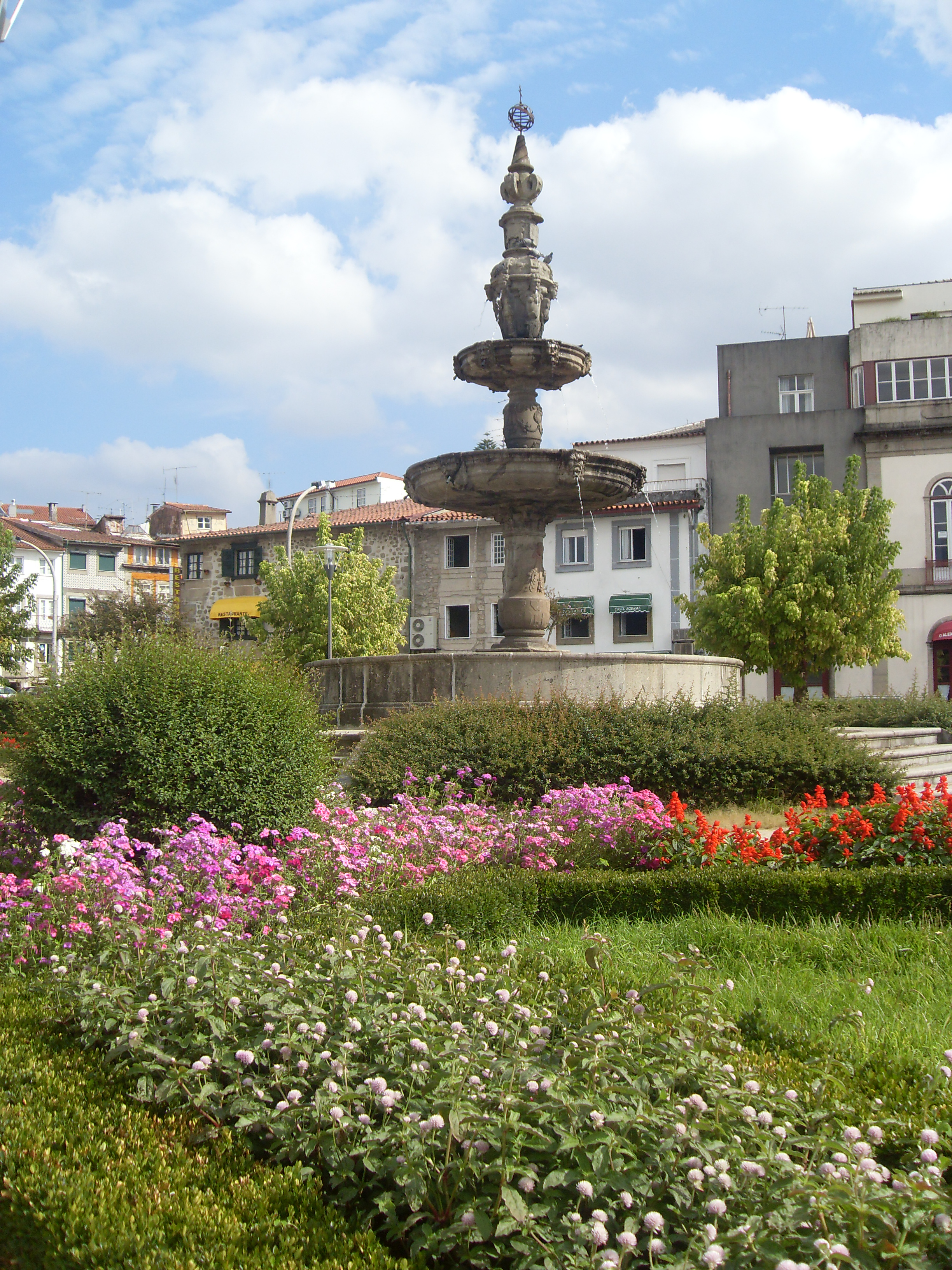
The fountain is built from local stone, featuring a simple basin that collects water from a modest central jet. While the exact height and altitude are not documented, its low‑profile design blends seamlessly with the surrounding cobblestones and historic façades.
History & Significance
Although detailed archival records are scarce, the Fonte do Campo das Hortas dates back to a period when public fountains were essential for city life. In pre‑modern Braga, fountains served not only as water sources but also as communal gathering points. The name “Campo das Hortas” (literally “Garden Field”) hints at the area’s former agricultural roots, when the neighborhood was a patchwork of gardens and small farms supplying fresh produce to the city center.
Over the centuries, the fountain has survived urban renewal, wars, and the shift from water wells to modern plumbing. Today, it stands as a modest reminder of Braga’s commitment to preserving everyday heritage. For a concise historical overview, see the Portuguese Wikipedia entry: Fonte do Campo das Hortas.
3. How to Get There
By Air
The nearest airport is Porto Airport (OPO), about 55 km (34 mi) north of Braga. From the airport, you can catch a direct bus (STCP line 500) or rent a car to reach the city in roughly 45 minutes.
By Train
Braga’s main train station, Estação de Braga, is part of the CP (Comboios de Portugal) network. Trains from Porto, Guimarães, and Vila Real stop here regularly. From the station, the fountain is a 10‑minute walk (≈800 m).
By Bus & Metro
The city’s urban bus system (STCP) covers the historic centre extensively. Lines 1, 2, 5, and 13 stop at the Praça da República or Rua do Anjo—both within a 5‑minute stroll to the fountain.
Walking Directions
- From Praça da República, head east on Rua do Anjo toward Rua de São João.
- Turn left onto Rua de São João; the fountain sits just after you pass the Igreja de São João Baptista.
- Look for the stone basin at the intersection with Rua do Campo das Hortas—the water source is unmistakable.
Parking
If you’re driving, the Parque de Estacionamento da Praça da República (public lot) is a convenient option. It’s a short walk away and offers hourly rates.
4. Best Time to Visit
Seasonal Recommendations
- Spring (March–May): Mild temperatures (12‑20 °C) and blooming gardens make the surrounding streets especially photogenic.
- Summer (June–August): Warm days (22‑30 °C) are perfect for a refreshing sip from the fountain, but expect larger crowds near the city’s main squares.
- Autumn (September–November): Crisp air and golden foliage provide a tranquil backdrop, ideal for leisurely walks.
- Winter (December–February): Though cooler (8‑14 °C), the fountain remains functional, and you’ll enjoy a quieter atmosphere.
Time of Day
- Early Morning (7 am–9 am): Soft light, fewer tourists, and a peaceful ambiance—great for photography.
- Late Afternoon (4 pm–6 pm): Warm sunlight creates gentle shadows on the stonework, perfect for capturing the fountain’s texture.
5. What to Expect
Approaching the Fonte do Campo das Hortas, you’ll notice its modest scale set against Braga’s grand baroque churches. The water flows at a gentle pace, producing a soothing sound that blends with the chatter of nearby cafés. Locals often pause here for a quick drink, a brief chat, or simply to admire the stone craftsmanship.
The surrounding area is a lively pedestrian zone lined with historic façades, boutique shops, and traditional “pastelarias” (pastry shops). Expect to see a mix of tourists snapping photos and residents strolling with a coffee in hand. The fountain’s location makes it an ideal meeting point—many tour groups use it as a rendezvous spot before heading toward the Bom Jesus do Monte or the Braga Cathedral.
6. Nearby Attractions
While you’re in the vicinity, take advantage of the cluster of historic fountains and landmarks within a short walk:
| Attraction | Distance | Type | Quick Note |
|---|---|---|---|
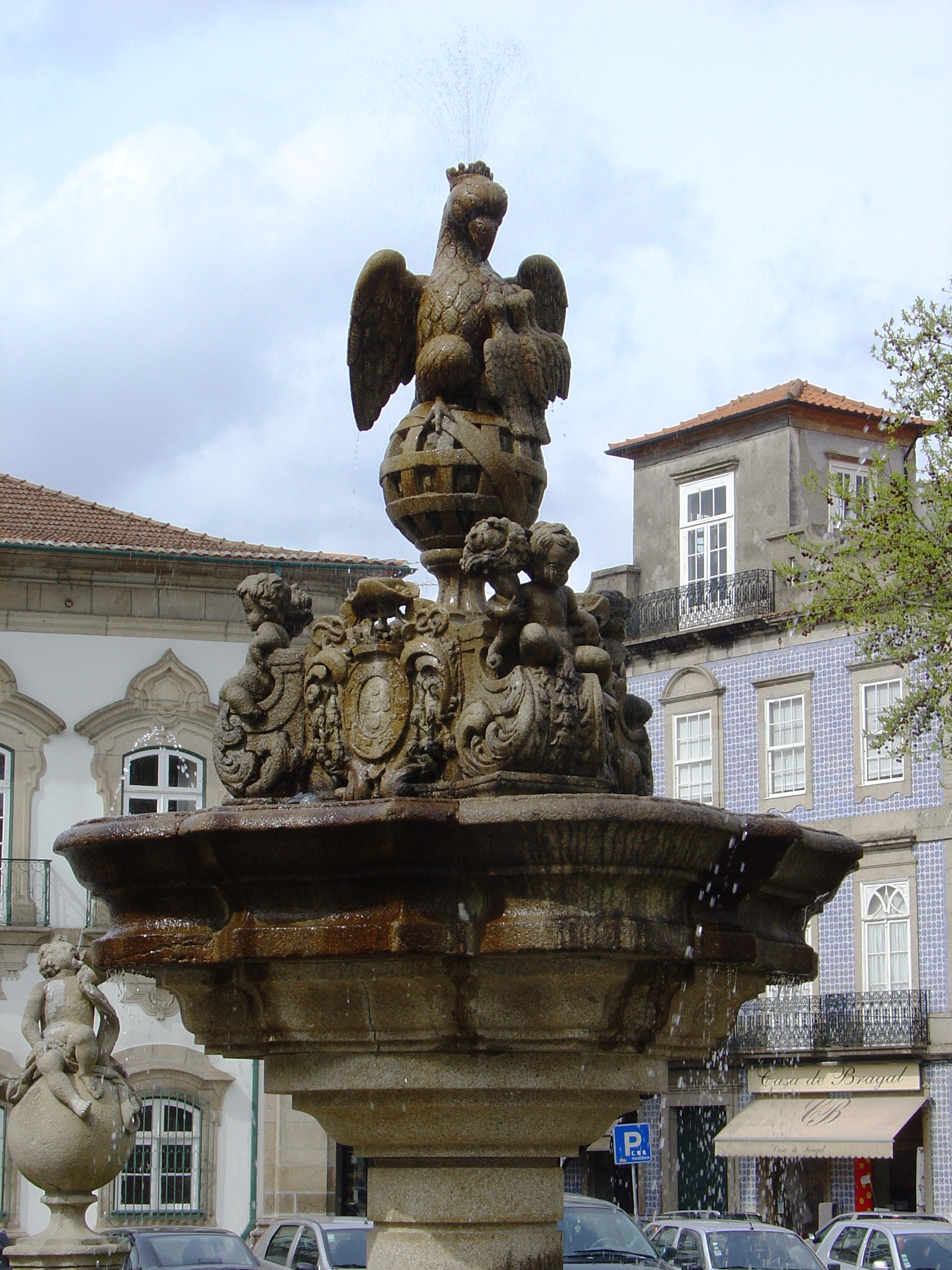
| Fonte do Pelicano | 0.2 km | Fountain | A decorative fountain featuring a pelican motif, popular with families. |
| [Unnamed Fountain #1] | 0.1 km | Fountain | Small stone basin tucked into a quiet alley. |
| [Unnamed Fountain #2] | 0.2 km | Fountain | Similar style to Campo das Hortas, great for comparative photography. |
| [Unnamed Fountain #3] | 0.2 km | Fountain | Located near a historic market square. |
| [Unnamed Fountain #4] | 0.3 km | Fountain | Surrounded by vibrant street art. |
Tip: Combine your fountain tour with a visit to Braga’s historic centre, including the Sé de Braga (Braga Cathedral), Arco da Porta Nova, and the bustling Mercado Municipal. All are within a 10‑minute walk from Fonte do Campo das Hortas.
7. Travel Tips
| Tip | Why It Helps |
|---|---|
| Wear comfortable shoes | The cobblestone streets can be uneven; a good pair of walking shoes keeps you steady. |
| Carry a reusable water bottle | Although the fountain provides fresh water, it’s courteous to refill rather than drink directly. |
| Bring a lightweight rain jacket | Braga’s weather can be changeable, especially in spring and autumn. |
| Start early | Early mornings offer softer light for photography and fewer crowds. |
| Respect local customs | The fountain is a functional public amenity; avoid littering and keep noise levels low. |
| Use a local map app | GPS can be spotty in narrow alleys; apps like Google Maps or Moovit provide reliable walking routes. |
| Check opening hours of nearby cafés | Many cafés open around 8 am; you can enjoy a “bica” (espresso) while admiring the fountain. |
| Learn a few Portuguese phrases | A friendly “Bom dia” (good morning) goes a long way with shop owners and locals. |
Final Thoughts
The Fonte do Campo das Hortas may not boast the grandeur of Braga’s cathedrals, but its quiet presence offers a genuine glimpse into the city’s everyday rhythm. A short stroll, a moment of reflection, and a splash of cool water—this humble fountain encapsulates the understated charm that makes Braga a beloved destination for travelers seeking authenticity.
Next time you wander through northern Portugal, let the gentle murmur of this historic fountain guide you to the heart of Braga’s living heritage. Happy travels!