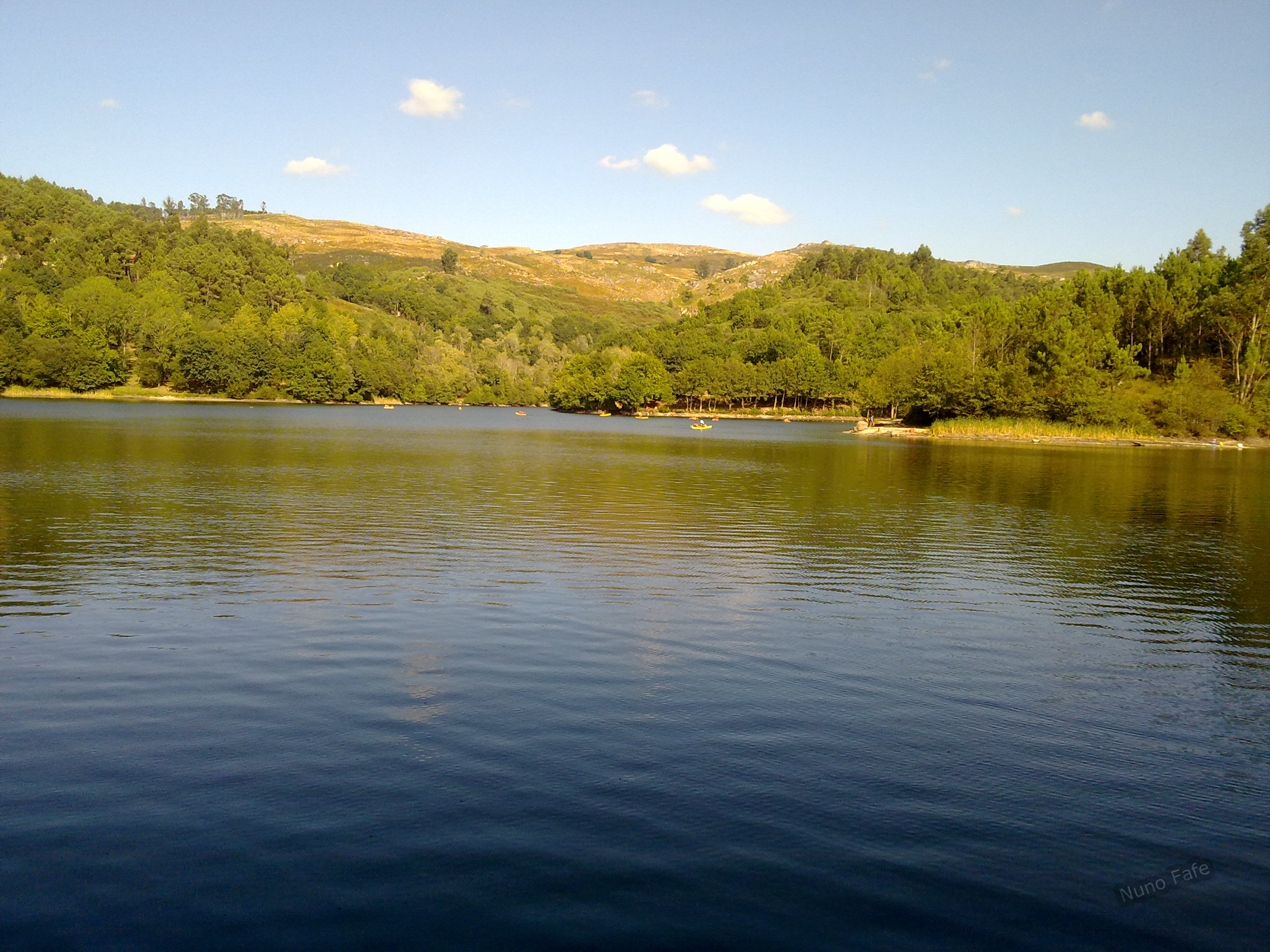
Discover the Tranquil Charm of Barragem de Queimadela – A Hidden Gem in Braga, Portugal
If you’re craving an off‑the‑beaten‑path experience that blends natural beauty, engineering intrigue, and authentic Portuguese serenity, the Barragem de Queimadela in Fafe, Braga, should be at the top of your itinerary.
1. Introduction
Nestled amid the rolling hills of northern Portugal, the Barragem de Queimadela (Queimadela Dam) is more than just a functional water reservoir—it’s a peaceful oasis that offers stunning panoramic views, crisp mountain air, and a glimpse into the region’s hydro‑engineering heritage. Whether you’re a nature lover, a photography enthusiast, or a traveler seeking quiet contemplation, this modest 21‑metre‑high dam, perched at 389.5 m above sea level, invites you to pause, breathe, and explore.
2. About Barragem de Queimadela
A Brief History
Constructed to regulate the flow of the Queimadela River, the dam plays a vital role in local water management and irrigation for the surrounding agricultural lands. While detailed historical records are scarce, the structure has become an integral part of the Fafe municipality’s landscape, symbolising the harmonious coexistence of human ingenuity and nature.
Technical Highlights
- Type: Concrete gravity dam (🏗️)
- Height: 21.0 m
- Altitude: 389.5 m above sea level
- Coordinates: 41.503341 N, -8.163877 W
These specifications make the dam easily visible from the nearby roadways, yet its modest size preserves a sense of intimacy that larger reservoirs often lack.
Why It Matters
Beyond its practical purpose, the Barragem de Queimadela serves as a focal point for local biodiversity. The reservoir attracts a variety of bird species, making it a modest hotspot for birdwatchers. Moreover, its presence supports nearby springs and fountains, contributing to the region’s lush vegetation and the overall health of the watershed.
For a deeper dive into the dam’s background, check out the Portuguese Wikipedia entry: Barragem de Queimadela.
3. How to Get There
By Car
The most convenient way to reach the dam is by car. From Braga city centre, follow the main road (N103) toward Fafe—a scenic 30‑kilometre drive that takes roughly 35 minutes. Once you arrive in Fafe, continue on the local signs directing you to “Barragem de Queimadela.” Parking is available in a small lot near the reservoir, providing easy access to walking paths and viewpoints.
By Public Transport
If you prefer public transport, take a regional train from Braga to Fafe (the journey lasts about 20 minutes). From the Fafe station, a short taxi ride (approximately 5 km) will drop you off at the dam’s entrance. While bus routes exist, they are infrequent, so checking the latest schedule on the Comboios de Portugal website is advisable.
By Bike
For the adventurous, the ciclovia network around Braga offers bike-friendly routes that connect Braga to Fafe. The ride is moderately challenging due to elevation changes, but the reward—riding past verdant valleys and arriving at the tranquil reservoir—is well worth the effort.
4. Best Time to Visit
| Season | Weather | Visitor Experience |
|---|---|---|
| Spring (Mar‑May) | Mild temperatures (12‑20 °C), blooming flora | Ideal for photography, birdwatching, and picnics |
| Summer (Jun‑Aug) | Warm (25‑30 °C), occasional heatwaves | Still pleasant early mornings; expect more local families |
| Autumn (Sep‑Nov) | Cool, golden foliage, lower humidity | Perfect for tranquil walks and fewer crowds |
| Winter (Dec‑Feb) | Cooler (8‑12 °C), occasional rain | Quiet atmosphere; some trails may be slick—wear appropriate footwear |
Overall, late spring and early autumn provide the most comfortable climate, vibrant scenery, and optimal water levels for reflective lake views.
5. What to Expect
Scenic Views
From the main viewpoint, you’ll see the dam’s concrete wall juxtaposed against a backdrop of pine‑covered hills. The reservoir’s surface often mirrors the sky, creating striking sunrise and sunset moments that are a photographer’s dream.
Walking Trails
A modest network of marked trails circles the water, ranging from easy 1‑kilometre loops to longer 3‑kilometre hikes that connect to nearby forest paths. Trail markers are simple, but it’s wise to bring a map or use a GPS app (the coordinates: 41.503341, -8.163877).
Wildlife
Expect to encounter European kingfishers, mallards, and occasionally otters along the banks. The surrounding woods host a chorus of songbirds, especially during spring mornings.
Picnic Spots
Scattered benches and grassy clearings provide perfect spots for a relaxed picnic. Remember to bring your own waste bag—there are no permanent trash cans, as the area aims to stay low‑impact.
Facilities
The site is largely undeveloped, preserving its natural charm. There are no cafés or souvenir shops on-site, so plan to bring water, snacks, and any personal necessities.
6. Nearby Attractions
While the dam itself offers a serene escape, several natural springs and fountains lie within a short drive, adding variety to your day trip.
| Attraction | Distance from Dam | Type | Quick Link |
|---|---|---|---|
| Spring – 3.4 km | 3.4 km | Spring | Spring (water) |
| Spring – 4.1 km | 4.1 km | Spring | Spring (water) |
| Spring – 4.2 km | 4.2 km | Spring | Spring (water) |
| Fountain – 5.7 km | 5.7 km | Fountain | Fountain |
| Fountain – 6.2 km | 6.2 km | Fountain | Fountain |
These sites are perfect for a quick dip (where permitted), a short stroll, or simply to admire the crystal‑clear waters that feed the Queimadela River. Each spot offers a slightly different ambience—some are nestled in forested groves, while others open onto sun‑lit clearings.
7. Travel Tips
| Tip | Details |
|---|---|
| Dress for the weather | Layered clothing works best; bring a light waterproof jacket in case of rain. |
| Footwear | Sturdy walking shoes or hiking boots are recommended—some trail sections can be uneven or slippery. |
| Timing | Arrive early (sunrise to mid‑morning) for the best light and fewer visitors. |
| Parking | The lot fills quickly on weekends; consider arriving before 10 am. |
| Food & Drink | No vending machines on site—carry enough water and snacks. |
| Respect the environment | Stick to marked paths, avoid littering, and keep noise to a minimum to protect wildlife. |
| Photography | A wide‑angle lens captures the expansive reservoir; a telephoto lens helps isolate birdlife. |
| Connectivity | Mobile signal can be spotty; download offline maps beforehand. |
| Safety | Swimming is not officially supervised; check local signage before entering the water. |
| Local customs | Portuguese visitors often greet with “Bom dia” (good morning). A friendly nod goes a long way! |
8. Wrap‑Up: Why Barragem de Queimadela Should Be on Your List
The Barragem de Queimadela may not boast towering heights or bustling tourist infrastructure, but that very modesty is its allure. It offers a genuine slice of northern Portugal—quiet, green, and brimming with subtle wonders. From the gentle ripple of the reservoir to the chorus of birds at dawn, every moment feels like a secret shared between you and the landscape.
So pack your daypack, charge your camera, and set your GPS to 41.503341, -8.163877. Whether you’re traveling solo, with a partner, or on a family adventure, this tranquil dam promises a rewarding escape that will linger in your memory long after you leave Braga’s countryside behind.
Happy travels, and may the serenity of Queimadela accompany you wherever you wander!