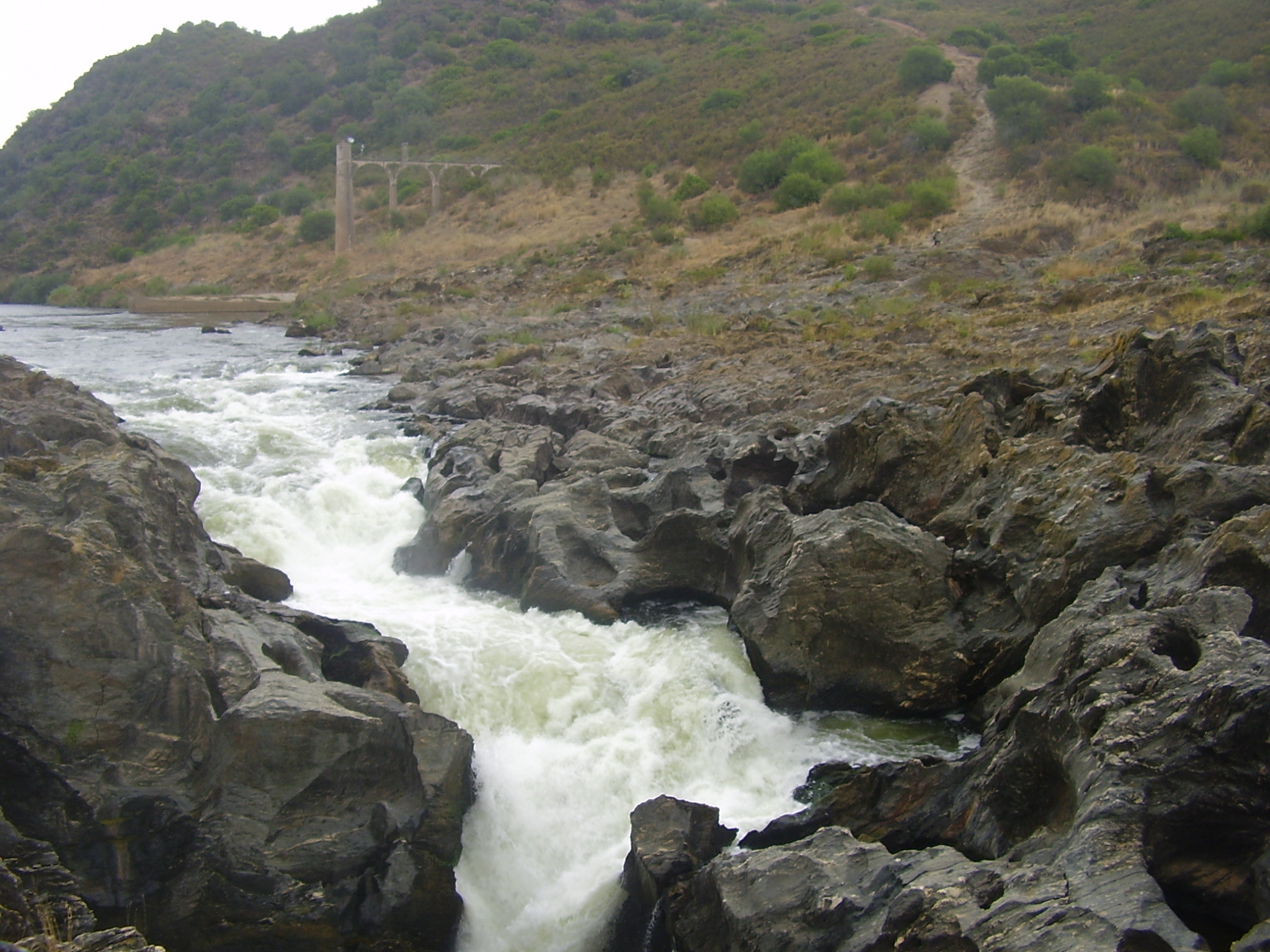
Pulo do Lobo Waterfall – A Hidden Gem in Beja, Portugal
Discover the roar of the Alentejo’s most dramatic cascade, the perfect day‑trip for nature lovers, photographers, and anyone craving an authentic Portuguese adventure.
1. Introduction
If you’ve ever imagined a waterfall that feels more like a natural theater than a tourist postcard, Pulo do Lobo in the heart of Alentejo will exceed every expectation. Nestled near the historic town of Serpa in the Beja district, this powerful cascade plunges through a rugged limestone gorge, creating a thundering soundtrack that echoes across the surrounding countryside.
Unlike the crowded waterfalls of the Azores or Madeira, Pulo do Lobo remains a relatively undiscovered treasure, offering raw beauty, tranquil surroundings, and a touch of local legend. Whether you’re planning a road‑trip through southern Portugal, a hiking weekend in the Alentejo, or simply looking for a spectacular photo spot, Pulo do Lobo should be at the top of your itinerary.
2. About Pulo do Lobo
Description
Pulo do Lobo (Portuguese for “Wolf’s Leap”) is a waterfall located at 37.804458, -7.633236. The cascade is part of the Rio Guadiana system, where the river cuts a narrow, steep-sided gorge before tumbling over a rocky lip. The exact height of the fall isn’t officially recorded, but the sheer drop and the volume of water give it an impressive presence that can be felt as much as seen.
History & Significance
The name “Pulo do Lobo” stems from an old local legend: a wolf once leapt across the gorge to escape a hunter, only to be swept away by the torrent below. Over centuries, the waterfall has been a natural landmark for shepherds, farmers, and travelers crossing the Alentejo plains.
In recent decades, the site has attracted eco‑tourists and adventure seekers, yet it remains largely untouched by large‑scale development. Its cultural significance is tied to the traditional Herdade (large estate) that surrounds it, where olive groves, cork oak forests, and centuries‑old stone houses paint a picture of rural Portuguese life.
3. How to Get There
By Car
The most convenient way to reach Pulo do Lobo is by car. From Lisbon, take the A2 south to Alcácer do Sal, then follow the N120 toward Serpa. The drive takes roughly 2 hours (≈180 km). From Faro Airport, the route via the A22 (Via do Infante) and then the N120 is about 2 hours 30 minutes.
- Parking: A modest, free parking area sits at the entrance of the Herdade do Pulo do Lobo. From there, a short, well‑marked path leads to the viewing platform.
- Road Conditions: The final stretch to the waterfall is on a paved rural road, but it can be narrow in places. A vehicle with good clearance is recommended, especially after heavy rain when the river can swell.
Public Transport
While there’s no direct train to the waterfall, you can combine bus and taxi services:
- Bus from Lisbon or Faro to Serpa (regional bus lines run several times daily).
- Taxi or rideshare from Serpa’s central square to the waterfall (≈15 km).
Check the latest schedules on the Rede Nacional de Transportes website before you travel.
By Bike or Hike
For the adventurous, the Alentejo cycling routes offer scenic, low‑traffic roads that connect Serpa to the waterfall. Expect a moderate ride of 30–40 km with gentle elevation changes.
4. Best Time to Visit
| Season | Weather | Water Flow | Visitor Experience |
|---|---|---|---|
| Spring (Mar–May) | Mild, occasional rain | Highest flow – the cascade roars | Ideal for photography, lush vegetation |
| Early Summer (Jun–July) | Warm, sunny | Still strong, but begins to moderate | Great for picnics, longer daylight |
| Late Summer (Aug) | Hot, dry | Lower flow – the river can be calmer | Good for hikers, but bring water |
| Autumn (Sep–Oct) | Pleasant, cooler evenings | Moderate flow, occasional rain rejuvenates the falls | Perfect for a relaxed visit |
| Winter (Nov–Feb) | Cool, rainy | Variable – can be powerful or subdued | Fewer crowds, but check road conditions |
Tip: The most dramatic sight of Pulo do Lobo occurs after a rainstorm in spring or early autumn. If you prefer a quieter experience with milder temperatures, aim for late September or early October.
5. What to Expect
The Senses
- Sound: The waterfall creates a constant, thunderous roar that can be heard from the viewing platform and even from the nearby road.
- Sight: Water rushes through a narrow, dark gorge, spraying mist that catches the sunlight, often forming vivid rainbows.
- Touch: On windy days, the mist can cool the surrounding air, offering a refreshing contrast to the Alentejo heat.
The Trail
A short, 500‑meter trail leads from the parking lot to a wooden viewing platform perched above the gorge. The path is well‑maintained, with gentle inclines and safety railings. While the walk is suitable for most fitness levels, sturdy shoes are advisable because the trail can be slippery after rain.
Photo Opportunities
- Panoramic View: From the platform, capture the full width of the gorge with the waterfall centered.
- Close‑up Shots: Walk a little farther downstream to find spots where the water creates dynamic textures on the rocks.
- Golden Hour: Early morning or late afternoon light filters through the gorge, producing dramatic shadows and warm tones.
Facilities
- Restrooms: Basic facilities are available near the parking area.
- Refreshments: No permanent café exists on site, but a small kiosk operates during peak summer months, offering water, coffee, and local snacks.
6. Nearby Attractions
While Pulo do Lobo is the star, the surrounding area offers several complementary sites that enrich a day‑trip itinerary.
- Pulo do Lobo Waterfall (the same site) – 0 km – The main attraction itself.
- Local Weir (Barragem de Pequeno) – 0.1 km – A modest weir that demonstrates historic water management in the region.
- Portão de Entrada da Herdade do Pulo do Lobo – 1.1 km – The grand entrance gate to the estate, showcasing traditional Alentejo stone architecture.
- Barragem da Sobreira (Sobreira Dam) – 3.2 km – A small dam surrounded by olive groves; perfect for a quiet walk or a picnic.
- Additional Weir (Barragem de Médio) – 4.5 km – Another historic water structure that offers insight into local agriculture.
Tip: Combine these sites into a relaxed half‑day circuit. Start at the waterfall, wander to the entrance gate for a quick photo, then drive to the nearby dam for a peaceful lunch break.
7. Travel Tips
| Tip | Why It Matters |
|---|---|
| Wear sturdy, non‑slip shoes | The trail can be wet and rocky, especially after rain. |
| Bring a reusable water bottle | Facilities are limited; staying hydrated is essential in the Alentejo heat. |
| Check the weather forecast | Sudden rain can increase water flow dramatically, making the gorge dangerous. |
| Arrive early in summer | Parking fills up quickly during peak daylight hours. |
| Respect private property | The waterfall sits within a herdade; stay on marked paths and obey any signage. |
| Carry a light jacket | Mist from the waterfall can make the immediate area cooler, even on hot days. |
| Leave no trace | Preserve the natural beauty by taking all litter with you. |
| Bring a camera with a zoom lens | The gorge’s depth makes close‑up shots challenging without optical reach. |
| Consider a guided tour | Local guides can share folklore, history, and secret viewpoints not on the standard trail. |
| Use a GPS or offline map | Cellular service can be spotty in the rural area. |
Final Thought
Pulo do Lobo may not be the most famous waterfall in Portugal, but its raw power, serene setting, and authentic Alentejo charm make it a must‑see for any traveler seeking a genuine connection with nature. Pack your sense of adventure, follow the simple directions above, and let the roar of the cascade guide you into one of the most unforgettable moments of your Portuguese journey.
Happy travels, and don’t forget to share your waterfall photos with #PuloDoLobo!

