Discover the Hidden Gem of Southern Portugal: Barragem do Alvito
If you think Portugal is only about pastel de nata, cobblestone streets, and surf‑tossed beaches, think again. Nestled in the rolling Alentejo plains, the Barragem do Alvito offers a tranquil escape for nature lovers, photographers, and anyone craving a slice of authentic Portuguese countryside.
1. Introduction
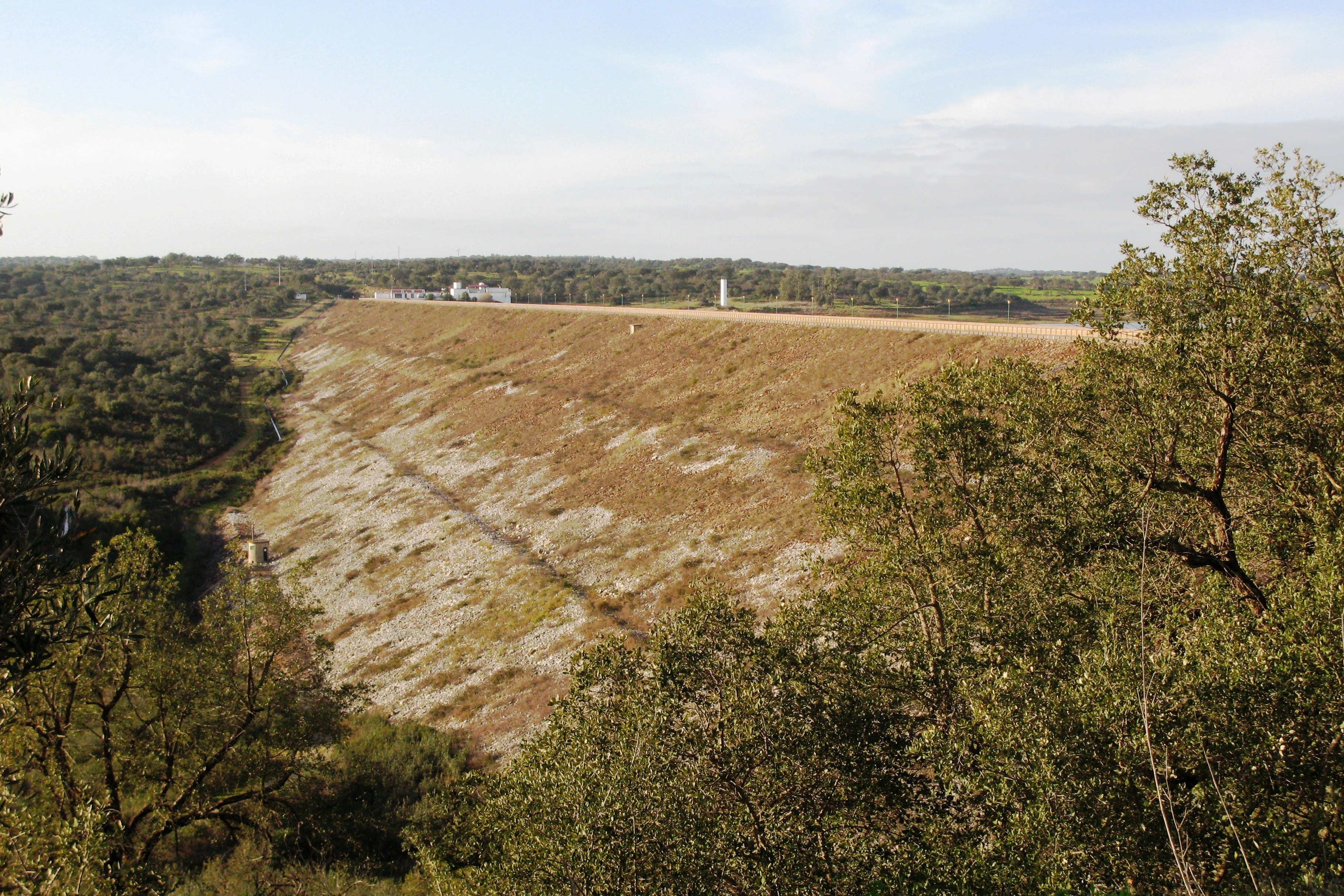
Imagine standing on a modest concrete crest, 44 metres high, gazing over a shimmering reservoir that mirrors the endless sky of Alentejo. The Barragem do Alvito (Alvito Dam) may not be a world‑famous landmark, but its serene setting, panoramic views, and strategic role in the region’s water management make it a must‑see for off‑the‑beaten‑path travelers exploring Beja, Portugal. Whether you’re on a road‑trip through the Alentejo, a cycling tour of historic towns, or a bird‑watching expedition, the dam offers a peaceful pause and a fresh perspective on Portugal’s rural heartland.
2. About Barragem do Alvito
- Location: Alvito, Beja, Portugal
- Coordinates: 38.281444, ‑7.914835
- Height: 44 m (≈ 144 ft)
- Altitude: 201.6 m above sea level
Built to regulate the flow of the Rio Ardila (the local watercourse), the Barragem do Alvito plays a vital role in supplying irrigation water to the surrounding agricultural lands—particularly the olive groves and wheat fields that define the Alentejo landscape. While detailed construction dates are scarce, the dam’s modern concrete design reflects Portugal’s mid‑20th‑century push for rural development and water security.
The reservoir created by the dam is modest in size but offers crystal‑clear waters that attract locals for fishing, picnics, and leisurely walks. Its relatively low height and gentle slope make it accessible for visitors of all ages, and the surrounding pine‑grove‑lined pathways provide ample shade during the hot summer months.
Quick fact: At 201.6 m above sea level, the dam offers one of the higher viewpoints in the Beja district, granting sweeping vistas of the Alentejo plateau.
For a deeper dive into the dam’s technical specifications, you can check the Portuguese Wikipedia page: Barragem do Alvito (pt).
3. How to Get There
By Car
The most flexible way to reach Barragem do Alvito is by car. From Beja city center, follow the N120 northward for about 15 km, then turn onto the local road EN 232 toward Alvito. Signage for the dam is clearly marked, and a small parking area sits just a few metres from the viewing platform. The drive takes roughly 20 minutes and offers scenic views of wheat fields and olive orchards.
By Public Transport
- Bus: The Rede de Transportes de Beja runs occasional regional buses from Beja to Alvito. Check the latest schedule on the Beja Transport website.
- Taxi / Ride‑share: Taxis are readily available in Beja, and a ride to the dam typically costs €15‑€20.
By Bike or On Foot
For the adventurous, the Alentejo Cycling Route (RC 1) passes near Alvito, making the dam a rewarding stop after a 30‑km ride through the countryside. The terrain is mostly flat, but be prepared for wind and sun exposure.
4. Best Time to Visit
| Season | Weather | Why Visit |
|---|---|---|
| Spring (Mar‑May) | Mild temperatures (15‑22 °C), occasional rain | The surrounding flora bursts into color, and the reservoir is full from winter rains—perfect for photography. |
| Summer (Jun‑Aug) | Hot and dry (28‑35 °C) | Ideal for early‑morning visits when the light is soft and the air is cooler; great for a refreshing dip in the water. |
| Autumn (Sep‑Nov) | Warm days, cooler evenings (18‑26 °C) | Harvest time in the fields creates a picturesque backdrop; fewer tourists. |
| Winter (Dec‑Feb) | Cool, occasional rain (10‑15 °C) | The dam’s water level may be lower, but the tranquil atmosphere and dramatic sky make for moody shots. |
Tip: The best lighting for photos is during the “golden hour” (shortly after sunrise or before sunset). In Alentejo, sunrise can be as early as 07:30 am in summer, so plan accordingly.
5. What to Expect
Scenic Views
From the concrete crest, you’ll enjoy panoramic vistas of the Alentejo plateau, dotted with cork oak forests, olive groves, and the occasional white‑washed village. On clear days, you can even spot the distant Serra de São Mamede mountain range.
Wildlife & Birdwatching
The reservoir attracts a variety of waterfowl, including mallards, coots, and occasionally herons. Early mornings are the best time to spot these birds feeding along the shoreline.
Recreation
- Fishing: Local anglers often fish for carp and barbel. A simple pesca (fishing) license can be obtained at the Beja municipal office.
- Picnics: Picnic tables are scattered near the parking area. Bring a blanket, some local cheese, and a bottle of Alentejo wine for a perfect alfresco lunch.
- Photography: The dam’s geometric lines juxtaposed with the organic countryside make for striking compositions.
Facilities
- Parking: Small, free lot (capacity ~20 cars).
- Restrooms: Basic facilities near the entrance.
- Information Board: A bilingual (Portuguese/English) board provides details about water management and local flora.
6. Nearby Attractions
While you’re in the area, consider adding these short‑distance gems to your itinerary. All are within a 5‑km radius, making them easy to visit on foot, by bike, or with a short drive.
| Attraction | Type | Distance from Dam | Quick Highlight |
|---|---|---|---|
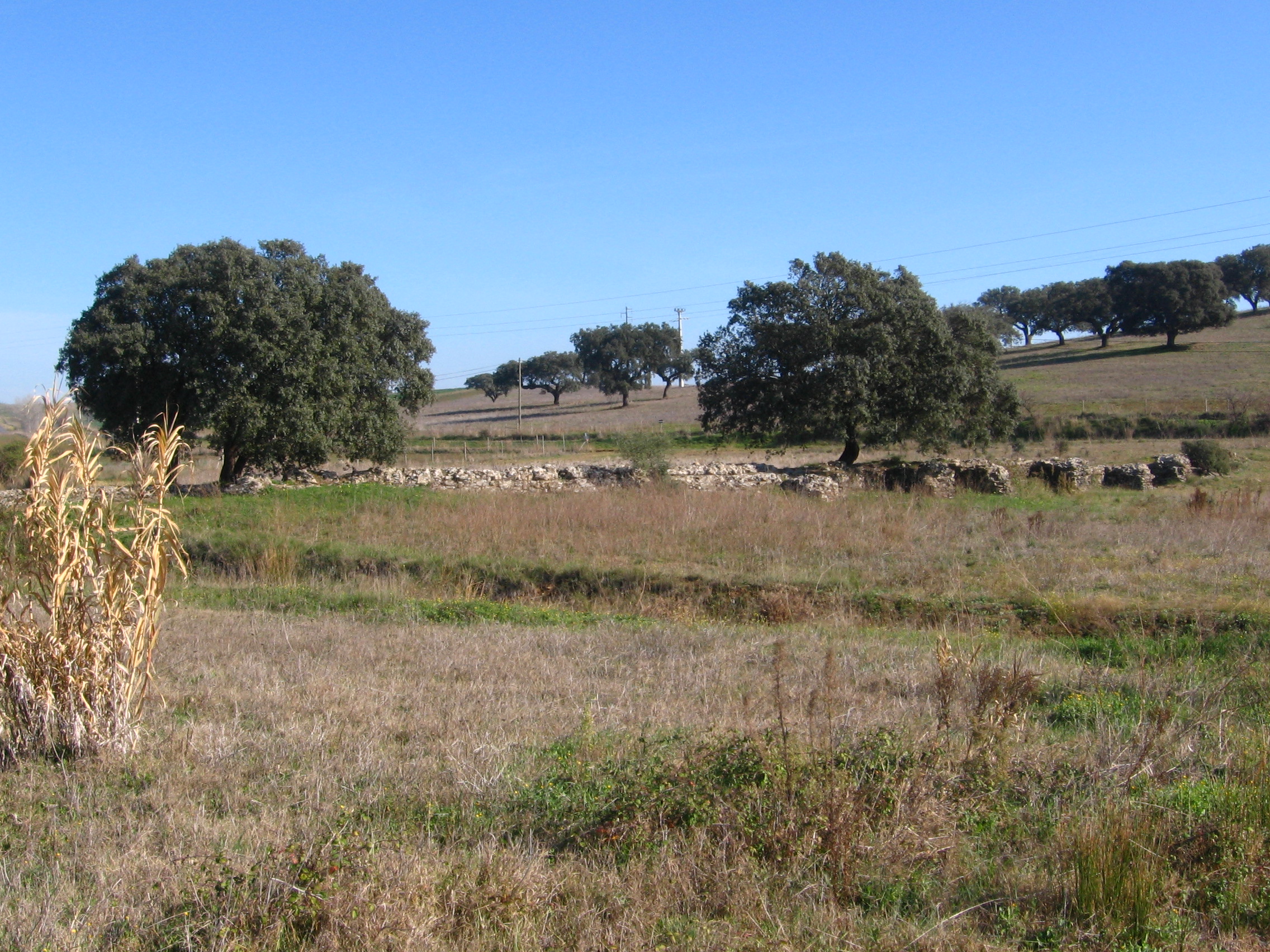
| Açude Marruais | Weir | 2.1 km | A historic weir that creates a tranquil pond, perfect for quiet contemplation. |
| (Unnamed) Weir | Weir | 2.4 km | Small water management structure offering a glimpse into local irrigation practices. |
| Barragem de Vale de Carro | Dam | 4.0 km | Another modest dam surrounded by rolling hills—great for comparative photography. |
| (Unnamed) Fountain | Fountain | 5.0 km | Rustic stone fountain often used by locals for fresh water. |
| (Unnamed) Fountain | Fountain | 5.0 km | Similar traditional fountain, set in a shaded grove—ideal for a brief rest. |
Note: Some of the smaller weirs and fountains lack dedicated Wikipedia pages, but they are easily found by following local signage or using a GPS navigation app.
7. Travel Tips
- Bring Sun Protection – The Alentejo sun can be intense, especially in summer. Pack sunscreen, a hat, and sunglasses.
- Stay Hydrated – Carry a reusable water bottle; there are refill stations at the parking area.
- Dress in Layers – Evenings can be cool, particularly in spring and autumn. A light jacket will keep you comfortable.
- Respect the Environment – The dam and its surroundings are part of a working water‑management system. Stick to marked paths, avoid littering, and follow any posted signage.
- Timing for Photography – Arrive 30 minutes before sunrise or sunset to secure a good spot and capture the changing light.
- Local Cuisine – After your visit, stop in the nearby village of Alvito for a traditional “açorda de alho” (garlic bread soup) and a glass of Alentejo red wine.
- Currency & Payments – Portugal uses the Euro (€). While most places accept cards, small rural vendors may prefer cash.
- Language – Portuguese is the official language. Most locals in the tourism sector speak basic English, but learning a few phrases (e.g., “Bom dia” – good morning) goes a long way.
Wrap‑Up
The Barragem do Alvito may be a modest concrete structure, but its setting amid the golden plains of Alentejo offers a uniquely Portuguese experience—peaceful, authentic, and visually stunning. Pair a visit with nearby weirs, fountains, and the charming village of Alvito, and you’ll uncover a side of Portugal that many travelers miss. So pack your camera, hit the road, and let the quiet beauty of the Alentejo countryside surprise you.
Happy travels!