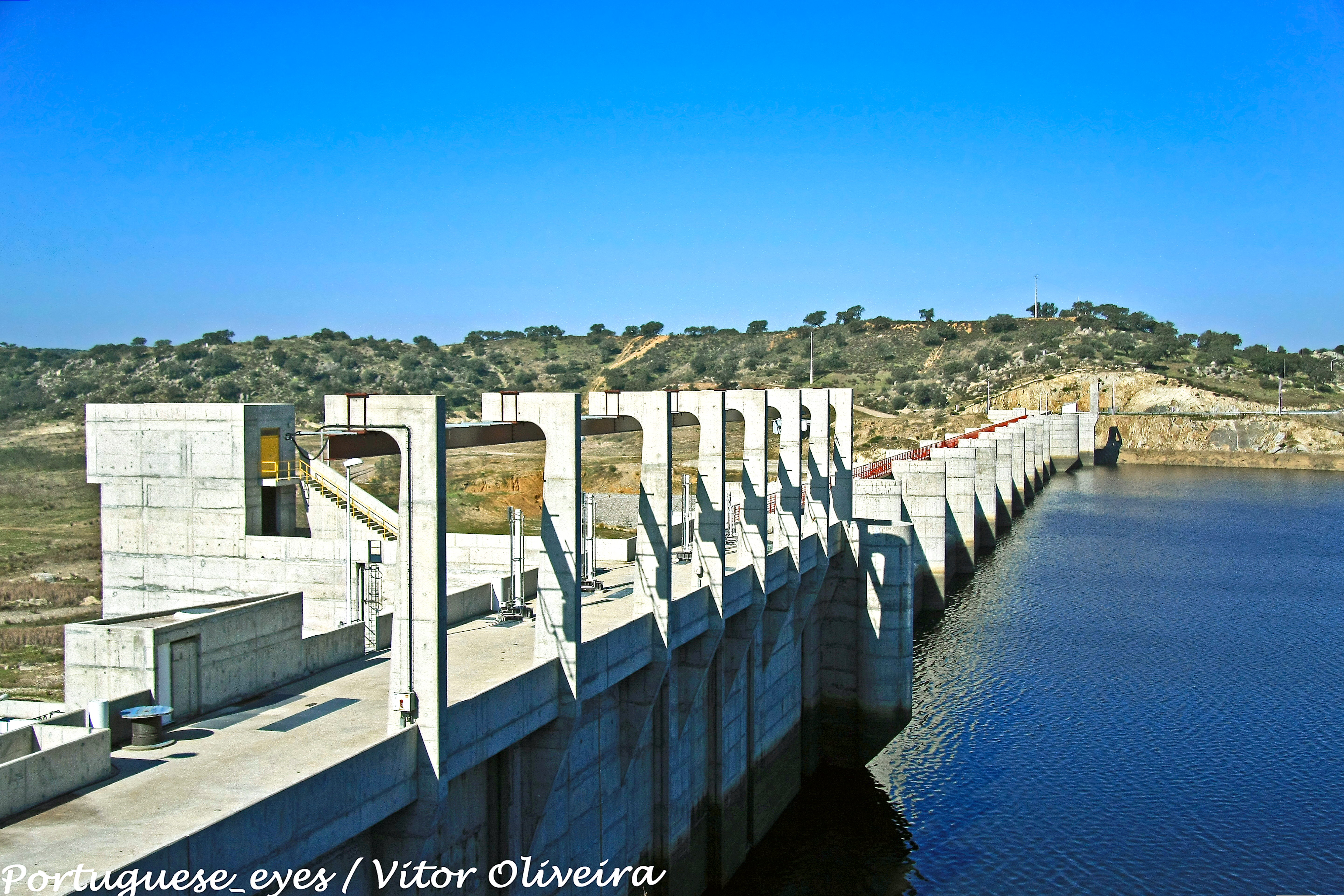
Discover Barragem da Amoreira – A Hidden Gem in the Heart of Alentejo, Portugal
If you think Portugal is only about golden beaches and historic cities, think again. Tucked away in the rolling plains of Moura, Beja, the Barragem da Amoreira offers a peaceful retreat for nature lovers, photographers, and anyone craving a slice of authentic Portuguese countryside.
1. Introduction
Imagine standing on a modest concrete wall that stretches 26 metres high, overlooking a shimmering reservoir that mirrors the endless blue of the Alentejo sky. The air is warm, scented with wild rosemary and the faint hum of water flowing through the dam’s spillways. This is Barragem da Amoreira, a low‑key but striking dam that sits at 138 m above sea level, just a short drive from the historic town of Moura.
While it may not have the fame of Lisbon’s iconic landmarks, the dam is quickly becoming a favorite stop for off‑the‑beaten‑path travelers seeking quiet, scenic landscapes and a glimpse into Portugal’s vital water‑management infrastructure. In this guide, we’ll explore everything you need to know to make the most of a visit to this understated attraction.
2. About Barragem da Amoreira
What Is It?
- Type: Dam (🏗️)
- Location: Moura, Beja District, Alentejo, Portugal
- Coordinates: 38.097702 ° N, ‑7.560867 ° W
- Height: 26 m
- Altitude: 138 m above sea level
Built to regulate water flow in the region’s arid landscape, Barragem da Amoreira plays a crucial role in irrigation, flood control, and local hydro‑electric projects. Though the exact construction date isn’t widely documented, the dam reflects the broader 20th‑century push by Portuguese authorities to harness the Alentejo’s scarce water resources for agriculture and rural development.
Why It Matters
Alentejo is known for its vast wheat fields, cork oak forests, and olive groves—all of which rely heavily on reliable water supplies. Barragem da Amoreira, together with a network of nearby weirs and dams, forms an essential backbone for the region’s farming community. For visitors, the dam offers a rare opportunity to witness the intersection of engineering and nature, set against a backdrop of gently undulating hills and golden scrubland.
3. How to Get There
By Air
The closest major airports are:
| Airport | Approx. Distance | Recommended Transport |
|---|---|---|
| Faro Airport (FAO) | 210 km | Car rental or shuttle to Beja, then continue north |
| Lisbon Portela Airport (LIS) | 260 km | Direct highway (A2 → A6) or train to Beja, then rent a car |
Both airports have frequent domestic flights and a range of car‑rental agencies.
By Train
The Comboios de Portugal (CP) network connects Lisbon and Faro to Beja railway station. From Beja, you’ll need a taxi or rental car for the final 30 km stretch to Moura and the dam.
By Car
Driving is the most flexible option:
- From Lisbon: Take the A2 south, then switch to the A6 east toward Beja. Follow the N118 to Moura; the dam is signposted just outside the town.
- From Faro: Head north on the A22, then the A2 to the A6 eastbound. The journey is roughly 2.5 hours total.
Parking: A small, free parking lot sits near the main viewing platform. Spaces fill up quickly on sunny weekends, so arrive early for the best spot.
4. Best Time to Visit
| Season | Weather | Why Visit |
|---|---|---|
| Spring (March–May) | Mild (15‑22 °C), occasional rain | Wildflowers bloom across the Alentejo plains, creating vibrant colors around the reservoir. |
| Summer (June–August) | Warm to hot (25‑35 °C) | Long daylight hours are perfect for sunrise or sunset photography; the water level is typically at its highest. |
| Autumn (September–November) | Pleasant (18‑26 °C) | Harvest festivals in nearby towns add cultural flavor; the light is softer for landscape shots. |
| Winter (December–February) | Cool (10‑15 °C), occasional fog | Fewer tourists, making it ideal for tranquil walks and bird‑watching. |
Insider tip: The dam’s reservoir reaches its peak in late spring after the seasonal rains, offering the most dramatic reflections and the richest birdlife.
5. What to Expect
Scenic Views
From the main observation deck, you’ll enjoy a panoramic vista that stretches across the reservoir, the surrounding cork‑oak forests, and the gentle hills of the Alentejo interior. The water’s surface often mirrors the sky’s ever‑changing colors, making it a favorite spot for photographers.
Outdoor Activities
- Walking & Hiking: A short, well‑maintained trail loops around the dam, offering several viewpoints and quiet spots for a picnic.
- Birdwatching: The reservoir attracts waterfowl such as teal, coot, and occasional flamingos during migration periods. Bring binoculars for a rewarding experience.
- Photography: The dam’s clean lines, combined with the natural landscape, provide excellent opportunities for both landscape and architectural shots.
Amenities
Facilities are modest: a small kiosk sells bottled water and local snacks (often “pastéis de nata” or “pão de centeio”). Restrooms are available near the parking area. There is no on‑site café, so consider packing a light lunch if you plan to stay longer.
6. Nearby Attractions
Exploring the area around Barragem da Amoreira reveals a cluster of other water‑related sites and charming rural spots, all within a 7 km radius.
| Attraction | Type | Distance from Dam | Quick Note |
|---|---|---|---|
| Unnamed Weir | Weir | 3.0 km | Small historic weir near Beja; ideal for a brief stop. |
| Barragem de Brinches | Dam | 4.7 km | Another modest dam offering similar views; see the Wikipedia page. |
| Unnamed Weir | Weir | 4.9 km | Quiet spot for local anglers; no facilities. |
| Barragem da Orada | Dam | 5.1 km | Slightly larger reservoir; great for a relaxed afternoon. |
| Unnamed Weir | Weir | 6.2 km | Scenic watercourse perfect for a short walk. |
All these sites are reachable by car or bike, making a “dam‑tour” of the Alentejo countryside a feasible day‑trip.
7. Travel Tips
| Tip | Details |
|---|---|
| Bring Sun Protection | The Alentejo sun is strong even in spring; pack sunscreen, a hat, and sunglasses. |
| Stay Hydrated | There are limited refreshment options on site; carry enough water, especially in summer. |
| Footwear | Sturdy walking shoes are recommended for the trail around the dam; sandals can be slippery on wet rocks. |
| Timing | Arrive early (8 am–9 am) to avoid the midday heat and secure a good parking spot. |
| Photography Gear | A wide‑angle lens captures the expansive landscape; a polarizing filter reduces glare on the water. |
| Respect the Environment | The reservoir supports local wildlife; keep noise low, stay on marked paths, and dispose of litter responsibly. |
| Local Cuisine | After your visit, head to Moura’s town centre for traditional Alentejo dishes like “migas” or “porco preto” (black pork). |
| Language | Portuguese is the primary language; most locals speak basic English, especially in tourist‑focused cafés. |
| Currency | Portugal uses the Euro (€). Credit cards are accepted in most establishments, but carry some cash for small vendors. |
| Safety | The dam’s water is not designated for swimming. Keep children supervised near the edge. |
Final Thought
Barragem da Amoreira may not appear on every travel brochure, but that’s precisely why it’s worth the detour. It offers a serene escape, a glimpse into Portugal’s essential water infrastructure, and a gateway to the tranquil beauty of the Alentejo plains. Whether you’re a road‑trip enthusiast, a nature photographer, or simply a traveler eager to discover Portugal beyond its coastlines, make sure to add this modest dam to your itinerary.
Pack your camera, hit the road, and let the calm waters of Barragem da Amoreira reflect your next unforgettable adventure.