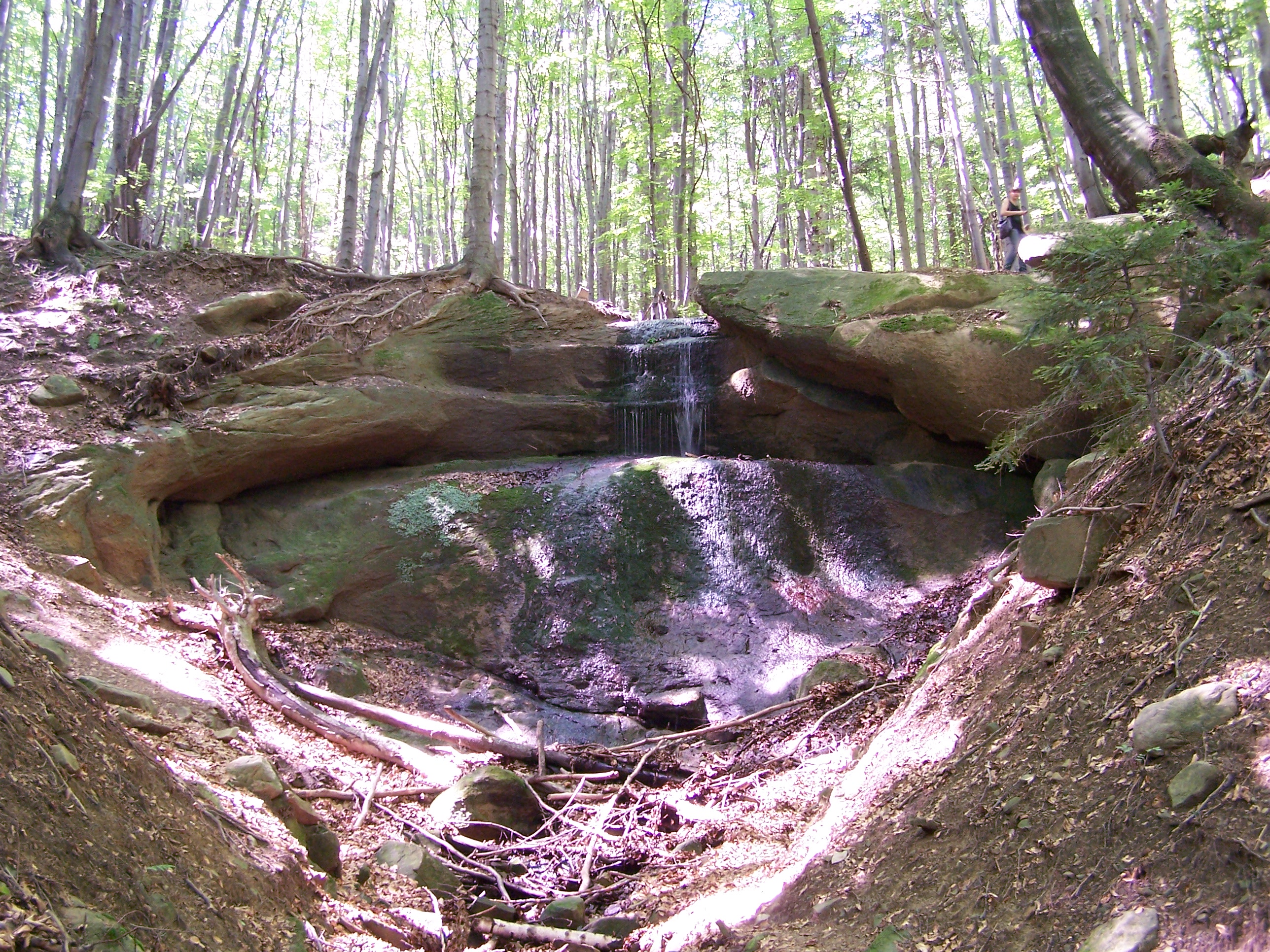
Wodospad Magurski – The Hidden Waterfall Gem of Subcarpathian Poland
Discover the tranquil charm of Wodospad Magurski, a secluded waterfall nestled in the rolling hills of Osiek Jasielski, Subcarpathian Voivodeship. Whether you’re a seasoned hiker, a nature‑photographer, or simply looking for a peaceful day‑trip off the beaten path, this modest cascade promises a refreshing slice of Polish wilderness.
1. Introduction
Imagine stepping off a quiet forest trail and hearing the gentle roar of water tumbling over stone, the air scented with pine and mist. That moment is exactly what awaits you at Wodospad Magurski (Magurski Waterfall). Though it doesn’t boast the towering height of the Tatra falls, its serene setting, crystal‑clear pool, and surrounding folklore make it a must‑see for anyone exploring the Subcarpathian Voivodeship. In this guide we’ll reveal everything you need to know to plan a seamless visit—from getting there and the best season to visit, to nearby attractions that can round out a perfect day in southern Poland.
2. About Wodospad Magurski
A Quiet Corner of Polish Nature
Wodospad Magurski lies in the small village of Osiek Jasielski, positioned at latitude 49.599562 and longitude 21.385251. The waterfall sits just 7 m above sea level, and while its exact vertical drop isn’t officially recorded, the cascade creates a modest yet picturesque flow that feeds a shallow pool ideal for a quick splash on a warm day.
Historical Roots & Local Significance
The name Magurski is derived from the nearby Magura range, a series of low mountains that have long served as a cultural and ecological crossroads for the region. Historically, the surrounding forest was a traditional hunting ground for local nobility, and the waterfall itself was a natural gathering spot for shepherds and villagers. Though the site never turned into a commercial tourist hub, its reputation as a tranquil retreat has endured through generations, making it a beloved “secret” among locals.
Why It Matters
In a country famous for dramatic mountain scenery, Wodospad Magurski offers a softer, more intimate encounter with water and woodlands. It’s an excellent illustration of the Subcarpathian Voivodeship’s diverse landscape—where gentle hills, clear streams, and cultural heritage intertwine. For eco‑tourists, the waterfall sits within a relatively undisturbed riparian zone that supports a variety of flora and fauna, from delicate wildflowers to songbirds that flit among the trees.
3. How to Get There
By Car
The most convenient way to reach the waterfall is by private car or rental vehicle. From Rzeszów, the regional capital (≈ 80 km north‑east), follow the DK9 road toward Jasło, then take the local road 977 heading south to Osiek Jasielski. The drive takes roughly 1.5 hours, and you’ll find clear signposts for the village and a small parking area just off the main road.
If you’re coming from Kraków (≈ 150 km west), head east on the A4 motorway, exit at Jasło, and continue on the same route described above. The journey is scenic, winding through rolling farmlands and forest patches that hint at the natural beauty awaiting you.
By Public Transport
- Train: The nearest railway station is Jasło Główny, served by regional PKP Intercity trains from Rzeszów and Kraków.
- Bus: From Jasło, local bus line #12 runs to Osiek Jasielski a few times daily (check the latest schedule on the PKS Subcarpathian website).
- Taxi/ rideshare: Once in Jasło, a short taxi ride (≈ 15 km) will drop you at the waterfall’s trailhead.
On‑Foot Access
The waterfall is reachable via a well‑marked forest path that starts at the parking lot. The trail is about 800 m long, gently undulating, and suitable for most fitness levels. Along the way you’ll pass a few wooden benches—perfect spots to pause and soak in the forest sounds before the final reveal.
4. Best Time to Visit
| Season | What to Expect | Why It’s Ideal |
|---|---|---|
| Spring (April‑June) | Snowmelt swells the stream, creating a livelier cascade and vibrant green foliage. | The water flow is strongest, and wildflowers begin to bloom, offering colorful photo opportunities. |
| Summer (July‑August) | Warm temperatures make the pool inviting for a quick dip; longer daylight hours. | Ideal for families and hikers who enjoy a relaxed pace and picnicking under the shade of oaks. |
| Autumn (September‑October) | Golden leaves frame the waterfall, and the air turns crisp. | Photographers love the contrast of amber tones against the clear water. |
| Winter (November‑March) | The waterfall may partially freeze, creating delicate ice formations; fewer visitors. | For the adventurous, a quiet, almost mystical landscape—just dress warmly and watch your footing on icy paths. |
Overall, late spring to early autumn provides the most reliable water flow and comfortable hiking conditions, making it the peak season for most travelers.
5. What to Expect
The Arrival
After a short walk through pine‑laden woods, you’ll hear the soft murmur of water before you see it. The waterfall spills over a modest rock ledge into a shallow, clear basin. Sunlight dapples the surface, creating sparkling reflections that are perfect for Instagram‑ready shots.
Sensory Highlights
- Sound: A gentle, continuous rush that masks distant traffic—ideal for meditation or a quiet conversation.
- Sight: The cascade’s modest height is balanced by the surrounding forest’s depth, offering a harmonious composition of water, stone, and foliage.
- Touch: In summer, the pool’s water is cool enough for a refreshing splash; in winter, the icy spray can be felt on your face, adding a bracing thrill.
Amenities
The site is intentionally low‑impact: there are no commercial stalls, but you’ll find a picnic table and a trash receptacle near the parking lot. Restrooms are not available, so plan accordingly. Remember to respect the natural environment—stay on the trail, avoid littering, and keep noise levels low to preserve the tranquil atmosphere.
6. Nearby Attractions
If you have a full day (or a weekend) to explore, the surrounding area offers several complementary natural spots—each just a short walk or drive away.
| Attraction | Distance | What to See | Link |
|---|---|---|---|
| Magurski Waterfall (the same waterfall) | 0 km | The main cascade you’re visiting | — |
| Ujarzmione Spring | 1.3 km | A crystal‑clear spring ideal for a short detour hike | — |
| Cyryl Spring | 1.3 km | Another pristine spring, perfect for nature photography | — |
| Pielgrzym Spring | 1.3 km | A quiet water source surrounded by mossy rocks | — |
| Local Weir (Lesser Poland Voivodeship) | 1.7 km | Small historic weir offering insight into regional water management | — |
Tip: Combine the three springs (Ujarzmione, Cyryl, and Pielgrzym) into a “Spring Circuit” hike. The loop is roughly 4 km and lets you experience varied water features while staying within the same forest zone.
7. Travel Tips
| Tip | Details |
|---|---|
| Wear proper footwear | Even though the trail is easy, sections can be slippery after rain. Sturdy hiking shoes or trail runners are recommended. |
| Pack a lightweight rain jacket | Weather in the Subcarpathian region can change quickly, especially in spring. |
| Bring a reusable water bottle | There are no drinking fountains on site, but you can refill at the nearby springs (use a filter if you plan to drink directly). |
| Respect private land | Some parts of the surrounding forest are privately owned. Stick to marked paths and heed any “no entry” signs. |
| Photography gear | A wide‑angle lens captures the waterfall’s setting; a polarizing filter helps reduce glare on the water surface. |
| Timing | Arrive early (before 9 am) during summer weekends to avoid the small crowd that gathers later in the day. |
| Local cuisine | After your hike, stop in the village of Osiek Jasielski for traditional Podkarpackie dishes—pierogi, kwaśnica (sauerkraut soup), and locally brewed craft beer. |
| Safety | In winter, icy patches near the cascade can be hazardous. Use trekking poles and wear crampons or microspikes if conditions are icy. |
| Connectivity | Mobile signal is limited in the forest; download offline maps (e.g., Google Maps offline area) before you set out. |
| Leave No Trace | Take all trash with you, and avoid picking plants or disturbing wildlife. Preserve the serenity for future visitors. |
Final Thought
Wodospad Magurski may not dominate travel brochures, but its understated beauty, easy accessibility, and the surrounding network of springs make it a hidden treasure for anyone exploring the Subcarpathian Voivodeship. By planning ahead, respecting the natural environment, and taking the time to soak in the peaceful ambiance, you’ll leave with memories of a genuine Polish wilderness experience—one that feels like a personal secret you’re eager to share with fellow travelers.
Pack your boots, charge your camera, and let the gentle cascade of Wodospad Magurski guide you into the heart of southern Poland’s tranquil landscapes.
