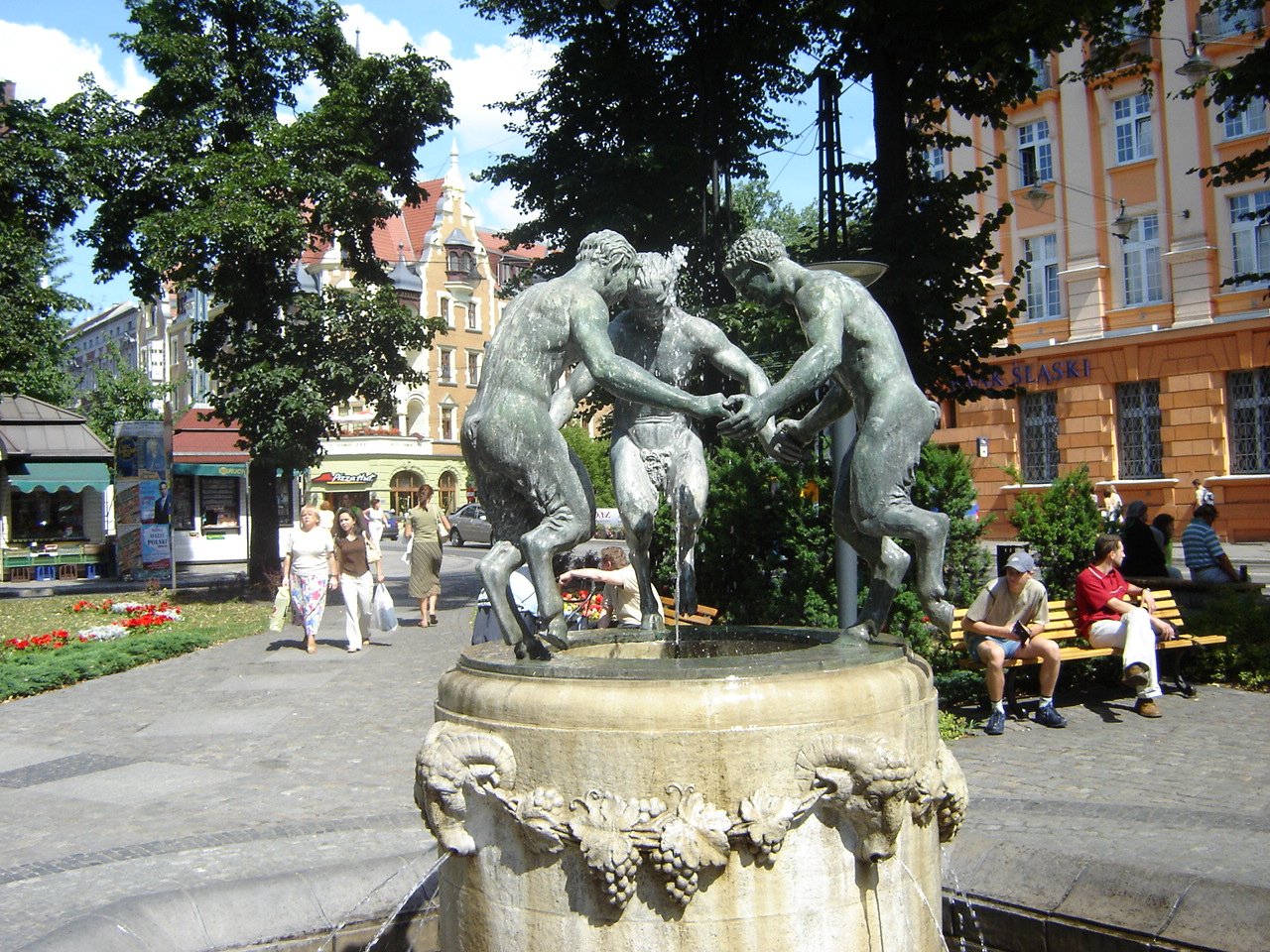
Fauny Fountain – A Hidden Gem in Gliwice, Silesian Voivodeship
Discover the charm of a three‑faun water sculpture that quietly enriches the heart of Gliwice.
Introduction
If you’re wandering the historic streets of Gliwice, you might expect to be drawn to the city’s bustling market squares, the towering Collegium of the Silesian University, or the vibrant nightlife along the Old Town. Yet tucked away just a short stroll from the main promenade lies a whimsical piece of public art that many travelers overlook: Fauny, the three‑faun fountain. This modest yet enchanting water feature offers a perfect pause for photographers, families, and anyone looking to soak up a slice of local culture. In this guide, we’ll explore what makes Fauny special, how to reach it, the best moments to visit, and the surrounding attractions that can fill an entire day of exploring Gliwice and the broader Silesian Voivodeship.
About Fauny
A Brief Description
Fauny (Polish: Fontanna z trzema faunami) is a stone‑crafted fountain adorned with three playful faun figures—mythical half‑human, half‑goat creatures from classical mythology. The sculpture is positioned on a modest pedestal, from which water gently cascades, creating a soothing soundscape that blends with the city’s ambient hum. While the exact height and altitude of the fountain are not documented, its presence is unmistakable thanks to the distinctive silhouettes of the fauns, each captured in a lively pose that seems to invite onlookers to pause and smile.
Historical Context
The fountain was installed as part of Gliwice’s early‑20th‑century effort to beautify public spaces and celebrate artistic expression. Though specific archival records about its commissioning are scarce, the design reflects the Art Nouveau influences that were popular in Poland during the interwar period. The choice of fauns—a symbol of nature, music, and carefree spirit—mirrors Gliwice’s desire to infuse its urban environment with a touch of pastoral charm.
Cultural Significance
Today, Fauny serves as more than just a decorative element; it’s a beloved meeting point for locals and a subtle cultural landmark for visitors. The fountain often appears in local postcards, Instagram feeds, and community events, especially during summer festivals when the surrounding square becomes a stage for street performers. Its mythological theme also resonates with Poland’s rich folklore tradition, making it a quiet reminder of the country’s artistic heritage.
How to Get There
By Public Transport
- Tram: The most convenient way to reach Fauny is via the city tram network. Take Tram Line 2 or Line 5 and alight at the “Plac Wolności” stop. The fountain is a two‑minute walk north of the stop, right beside the historic municipal building.
- Bus: Several city buses (e.g., Bus 71 and Bus 84) also serve the “Plac Wolności” area. Check the latest Silesian Transport Authority (ZTM) schedules for real‑time updates.
By Car or Bike
- Driving: If you’re renting a car, set your GPS to the coordinates 50.296130, 18.669511. Street parking is limited around the city center, but several public parking lots—such as Parking Centrum (approximately 300 m away) and Parking Północ (about 500 m away)—offer short‑term rates.
- Cycling: Gliwice boasts a growing network of bike lanes. The Silesian Bike Trail (Szlak Rowerowy) runs close to the fountain, making it a pleasant stop for cyclists exploring the city on two wheels.
Walking
If you’re already staying in the Old Town or nearby hotels (e.g., Hotel Lavo or Hotel Gliwice), Fauny is within a comfortable 10‑minute walk. The route takes you past charming cafés, the historic Gliwice Town Hall, and a series of small boutique shops—perfect for a leisurely morning stroll.
Best Time to Visit
Seasonal Recommendations
| Season | Why Visit? | Tips |
|---|---|---|
| Spring (April‑June) | The fountain’s water flow is at its most lively after the winter thaw, and the surrounding gardens burst into color. | Bring a light jacket; early mornings are less crowded. |
| Summer (July‑August) | Warm evenings make the fountain a popular spot for locals to gather, and nearby street musicians often perform. | Arrive early to secure a good photo spot; consider a nearby café for a cool drink. |
| Autumn (September‑October) | Golden foliage frames the fountain, creating a picturesque backdrop for photography. | Wear comfortable shoes for exploring nearby parks. |
| Winter (November‑March) | Though the water may be turned off for maintenance, the stone sculpture takes on a serene, almost sculptural quality against a snowy backdrop. | Check local listings for any seasonal lighting installations. |
Time of Day
- Morning (8 am‑10 am): Fewer tourists, soft natural light—ideal for photography.
- Late Afternoon (4 pm‑6 pm): The sun casts a warm glow on the stone, and the fountain’s gentle sounds become a calming soundtrack after a day of sightseeing.
- Evening (7 pm onward): Some evenings, especially during summer festivals, the fountain area is illuminated, creating a romantic ambience.
What to Expect
When you arrive at Fauny, you’ll be greeted by the quiet murmur of water and the playful expressions of the three faun statues. The fountain’s design encourages interaction: children love to toss pebbles into the shallow basin, while photographers chase the reflections that dance across the water’s surface.
The surrounding plaza is lined with benches, making it a perfect spot for a brief rest or a coffee break. Nearby cafés—such as Café Kawiarnia and Młyn Café—offer outdoor seating where you can watch the fountain’s rhythm while sipping a latte or enjoying a traditional Polish pastry (like a szarlotka).
During the summer months, you may encounter street performers—musicians, jugglers, or local dance groups—who use the fountain’s backdrop as a natural stage. The area is also a favored gathering point for students from the Silesian University of Technology, who often set up informal chess games or study groups on the adjacent benches.
Overall, the experience is relaxed and authentic, providing a glimpse into daily life in Gliwice beyond the typical tourist itinerary.
Nearby Attractions
While Fauny is a delightful destination on its own, its central location makes it an excellent hub for exploring other sights within walking distance. Here are the top nearby attractions, each just a few hundred meters away:
- [Unnamed Fountain – 0.3 km] – A modest water feature tucked in a quiet courtyard, perfect for a quick photo stop.
- Neptun Fountain – 0.4 km – One of Gliwice’s most celebrated fountains, depicting the Roman god Neptune. Its grand scale and ornate detailing contrast nicely with Fauny’s playful charm.
- Neptun Fountain (Second View) – 0.4 km – The same Neptun Fountain viewed from a different angle, offering unique perspectives for photographers.
- [Unnamed Fountain – 0.4 km] – Another small fountain surrounded by a landscaped garden, ideal for a brief picnic.
- [Unnamed Fountain – 0.5 km] – A decorative water installation located near the historic Gliwice Town Hall, often illuminated at night.
Tip: All these fountains are clustered within a 5‑minute walk, allowing you to create a “fountain trail” that showcases Gliwice’s dedication to public art and water features.
Travel Tips
| Tip | Details |
|---|---|
| Check Opening Hours | While the fountain itself is always accessible, nearby museums (e.g., Museum of Technology) may have seasonal hours that affect parking availability. |
| Bring a Compact Umbrella | Sudden summer showers are common in Silesia; a small umbrella lets you stay dry while still enjoying the fountain’s ambiance. |
| Cashless Payments | Most cafés and vending machines around Fauny accept contactless cards and mobile payments—no need to carry large amounts of cash. |
| Photography Gear | A wide‑angle lens captures the full sculpture, while a macro lens highlights the intricate stone details. Early morning light reduces glare on the water. |
| Local Etiquette | Keep the water basin clean—avoid throwing litter or large objects. Respect the space as a communal gathering point for residents. |
| Language | Polish is the official language, but most younger locals speak English. A simple “Dzień dobry” (Good day) goes a long way. |
| Safety | The area is well‑lit at night, but as with any city center, keep an eye on personal belongings, especially during busy events. |
| Combine with Food | Pair your visit with a traditional Silesian dish like kluski śląskie (Silesian dumplings) at a nearby restaurant such as Karczma Szybka. |
| Seasonal Events | Look for the Gliwice Summer Festival (usually July) – the fountain square often hosts live music and open‑air cinema nights. |
| Accessibility | The plaza around Fauny is wheelchair‑friendly, with smooth paving and ramped access to nearby streets. |
Final Thoughts
Fauny may not be the most famous landmark in Poland, but its understated elegance and central location make it a must‑see for travelers seeking authentic, off‑the‑beaten‑path experiences in Gliwice. Whether you’re a history buff, a photography enthusiast, or simply someone who enjoys a tranquil spot to sip a coffee, the three‑faun fountain offers a unique blend of art, nature, and local life.
Plan your visit, wander the nearby fountain trail, and let the gentle splash of water remind you that sometimes the smallest attractions leave the biggest impressions. Safe travels, and enjoy the charm of Silesian Voivodeship!
Keywords: Fauny fountain, Gliwice attractions, Silesian Voivodeship travel, Poland fountains, things to do in Gliwice, travel guide Gliwice, Poland travel blog, water features Poland, tourist attractions in Silesian Voivodeship.