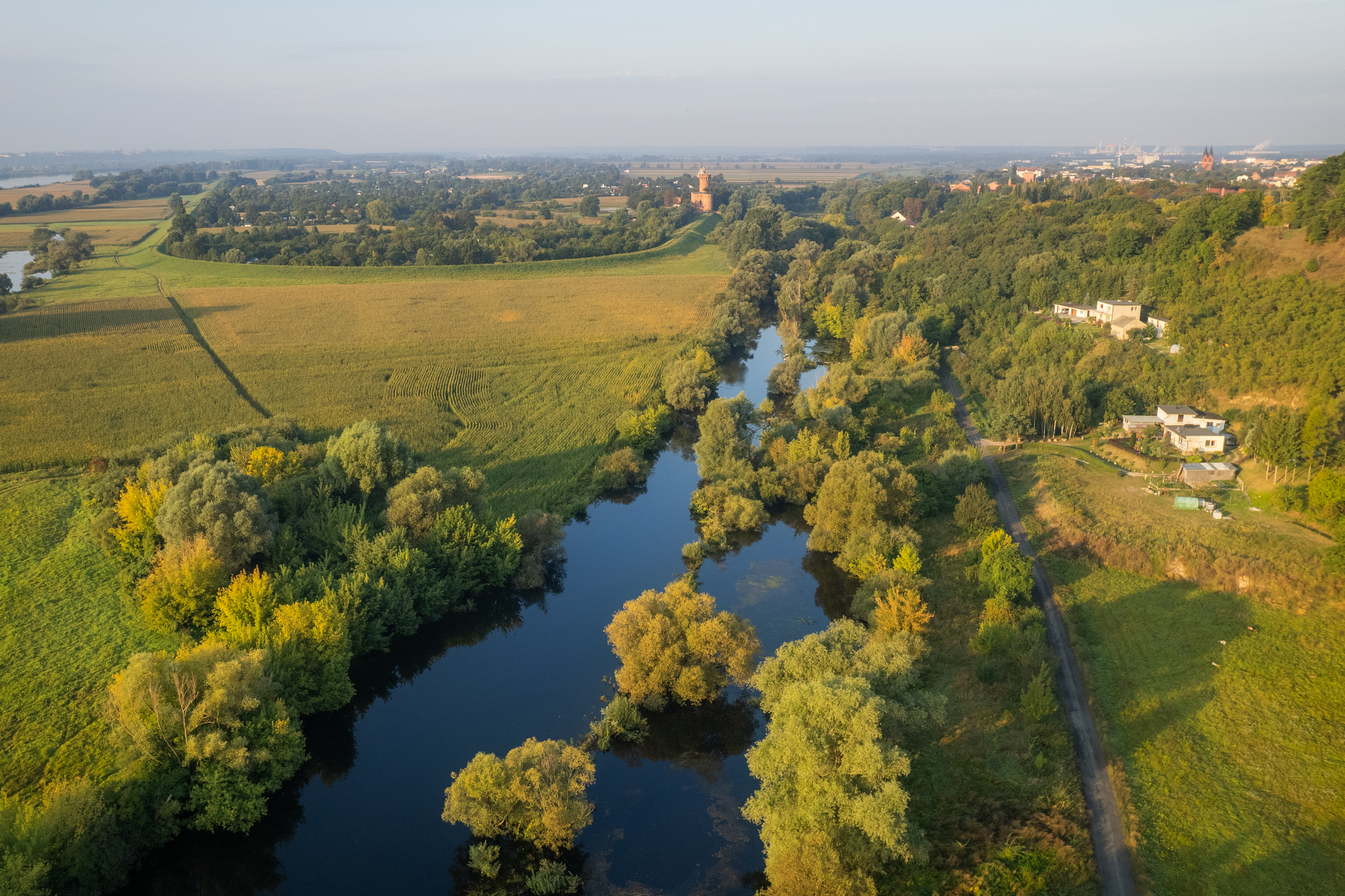
Discover the Hidden Gem of Northern Poland: Źródło rzeki Wdy
Your ultimate guide to the spring that births the scenic Wda River, nestled in the heart of the Pomeranian Voivodeship.
1. Introduction
Imagine standing at the very spot where a river begins its journey toward the Baltic Sea—a place where crystal‑clear water bubbles up from the earth, surrounded by the tranquil woodlands of northern Poland. That’s exactly what you’ll experience at Źródło rzeki Wdy, the pristine spring that marks the source of the Wda River. Though it’s off the typical tourist radar, this natural wonder offers a quiet, authentic slice of Polish countryside that’s perfect for hikers, nature lovers, and anyone seeking a peaceful escape.
2. About Źródło rzeki Wdy
What Is It?
- Name: Źródło rzeki Wdy (Source of the Wda River)
- Type: Natural spring 💧
- Location: Studzienice, Pomeranian Voivodeship, Poland
- Coordinates: 54.098048 N, 17.613359 E
The spring feeds the Wda River, a watercourse celebrated for its scenic valleys, historic towns, and the famous Kashubian Lake District downstream. While the exact altitude of the spring isn’t documented, its location amid gentle hills and mixed forests makes it a quintessential example of the region’s unspoiled landscape.
A Brief Historical Note
The Wda River has long been a lifeline for the Kashubian people, supporting agriculture, timber transport, and local folklore. Although the spring itself isn’t the subject of extensive historical records, it is acknowledged on the Polish Wikipedia page for the Wda River (see the reference: pl:Wda (rzeka)). The source is a natural landmark that has quietly sustained the river’s flow for centuries, shaping the ecology and culture of the surrounding area.
Why It Matters
- Ecological importance: As the headwater of the Wda, the spring contributes to the river’s clean water quality, which supports diverse fish species and riparian habitats downstream.
- Cultural relevance: The Wda is woven into Kashubian legends and local traditions; visiting its source offers a deeper connection to those stories.
- Photographic appeal: The spring’s modest pool, framed by mossy stones and towering pines, creates a picture‑perfect scene for nature photography.
3. How to Get There
By Car
- Start from Gdańsk – the regional capital and main international gateway (≈ 100 km, 1.5 h drive).
- Take the S6/E28 toward Słupsk, then exit onto DW21 heading south.
- Follow signs for Studzienice (approx. 30 km from the S6 exit).
- In Studzienice, look for local road signs pointing to “Źródło rzeki Wdy” or use a GPS device with the coordinates 54.098048, 17.613359.
A small, well‑maintained parking area is available near the trailhead; the spring itself is a short, flat walk from the lot.
By Public Transport
- Bus: Regional bus lines from Gdańsk or Słupsk to Studzienice run several times daily (check the PKS website for the latest schedule).
- From Studzienice: A local minibus or a short taxi ride (≈ 5 km) will drop you at the trailhead.
By Bike or Hike
For the adventurous, the Pomeranian Green Trail (Zielony Szlak Pomorski) passes close to the spring, offering a scenic cycling route through rolling hills and forested valleys. The segment from Studzienice to the source is about 3 km and is suitable for moderate cyclists.
4. Best Time to Visit
| Season | Weather & Conditions | Why Visit |
|---|---|---|
| Spring (April–June) | Mild temperatures, blooming wildflowers, water flow at its freshest. | Ideal for photography and gentle hikes. |
| Summer (July–August) | Warm days, longer daylight hours. | Perfect for picnics, but expect occasional crowds at nearby attractions. |
| Autumn (September–October) | Golden foliage, crisp air, lower visitor numbers. | Great for tranquil walks and bird‑watching. |
| Winter (November–March) | Snow‑covered landscape, quiet solitude. | Offers a magical, frost‑kissed view—though the trail can be icy, so wear proper footwear. |
Tip: The spring’s water level is highest in late spring after the snowmelt, creating a more dramatic flow. If you prefer a calmer pool for close‑up photos, early summer is optimal.
5. What to Expect
- A serene natural setting: The spring emerges from a small, moss‑lined basin surrounded by pine and birch trees. The sound of gently bubbling water is the dominant backdrop.
- Well‑marked paths: A short, clearly signposted trail leads from the parking area to the water’s edge. The route is suitable for families and walkers of all abilities.
- Wildlife encounters: Expect to see squirrels, forest birds (such as the Eurasian blue tit and great spotted woodpecker), and occasionally deer grazing nearby.
- No commercial facilities: There are no cafés or souvenir shops on site, preserving the area’s untouched charm. Bring water, snacks, and a trash bag to keep the environment pristine.
The experience is less about grand vistas and more about the intimate connection with the source of a river that shapes an entire region. It’s a perfect spot for mindfulness, sketching, or simply soaking in the quiet.
6. Nearby Attractions
While Źródło rzeki Wdy is the star of the day, the surrounding countryside offers several interesting stops within a 12‑km radius:
| Attraction | Type | Distance from Spring | Link |
|---|---|---|---|
| Local Weir | Weir | 10.7 km | Weir Details |
| Forest Fountain | Fountain | 11.1 km | Fountain Details |
| Historic Weir | Weir | 11.2 km | Weir Details |
| Scenic Fountain | Fountain | 11.3 km | Fountain Details |
| Another Fountain | Fountain | 11.3 km | Fountain Details |
These modest yet charming sites are perfect for a relaxed afternoon itinerary—each offering a glimpse into the region’s water management history and local craftsmanship. Combine them with a gentle walk along the Wda’s early tributaries for a full‑day nature tour.
7. Travel Tips
| Tip | Details |
|---|---|
| Dress in layers | Weather in the Pomeranian Voivodeship can shift quickly, especially near water. Waterproof shoes are a must. |
| Bring a map or offline GPS | Cellular coverage may be spotty in forested sections. |
| Respect the environment | The spring is a protected water source—avoid swimming, and always pack out your litter. |
| Timing | Arrive early (7–8 am) during peak summer months to enjoy the site without crowds. |
| Photography | Use a polarizing filter to reduce glare on the water; sunrise offers soft, golden lighting. |
| Local cuisine | After your visit, stop in the nearby village of Studzienice for traditional Kashubian dishes like kopytka (potato dumplings) or ryba po kaszubsku (Kashubian fish). |
| Safety | The trail is generally safe, but be cautious on wet rocks near the spring’s edge. |
Ready to Explore?
Whether you’re tracing the origins of the Wda River, hunting for hidden natural wonders, or simply craving a peaceful spot away from bustling tourist hubs, Źródło rzeki Wdy delivers an authentic Polish countryside experience. Pack your boots, charge your camera, and set your GPS to 54.098048, 17.613359—the source of a river and a memorable adventure await!