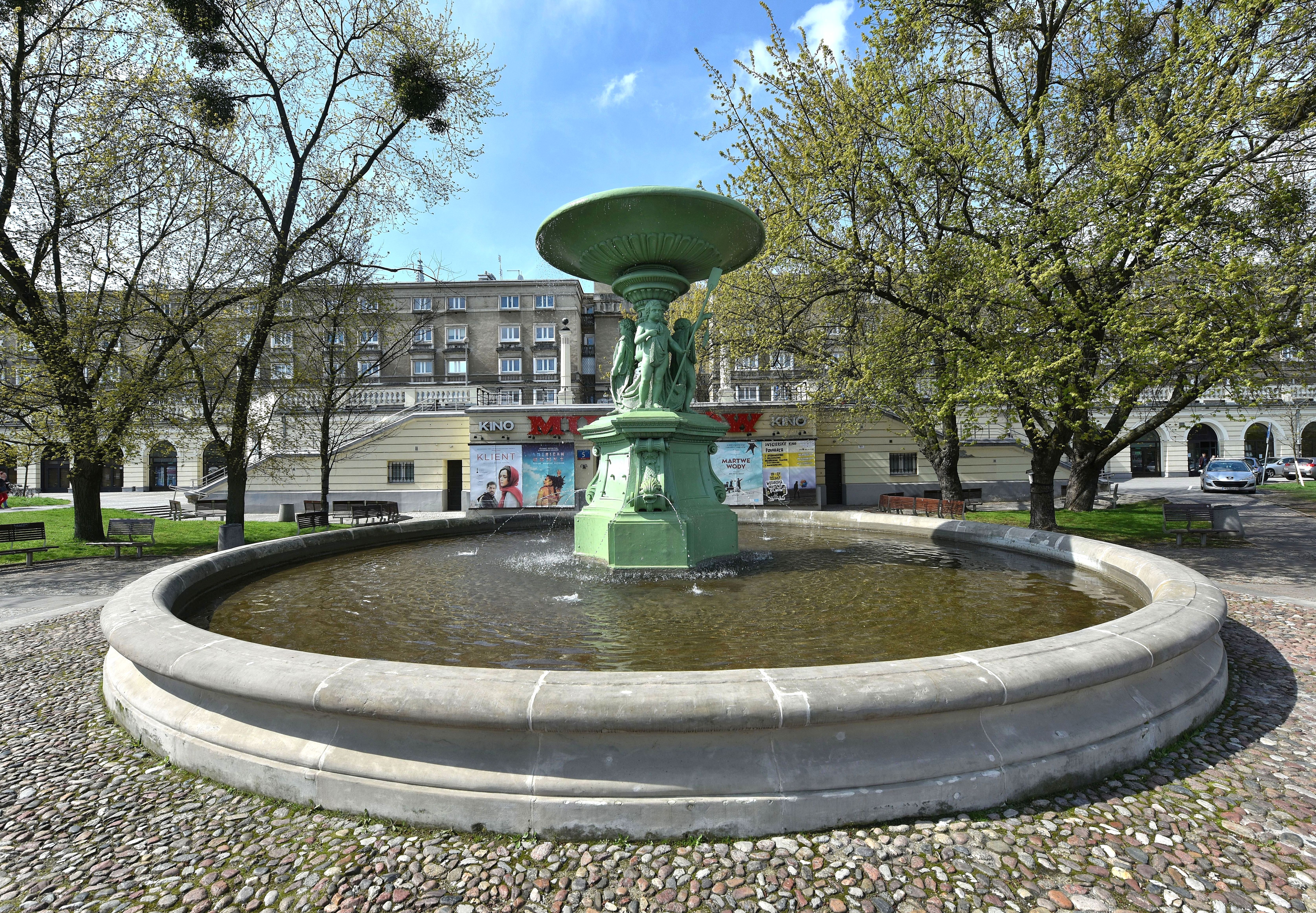
Fontanna na Skwerze Batalionu Harcerskiego AK „Wigry” – A Hidden Gem in Wola, Masovian Voivodeship
Coordinates: 52.245048, 20.999992
Introduction
If you’re wandering the leafy streets of Wola, a district in the heart of the Masovian Voivodeship, you might stumble upon a modest yet charming water feature that whispers stories of Poland’s past. The Fontanna na Skwerze Batalionu Harcerskiego AK „Wigry” (the “Wigry” Scout Battalion Fountain) may not tower over the skyline, but its quiet presence makes it a perfect spot for a reflective pause, a photo op, or a brief escape from the city buzz. In this guide, we’ll dive into the fountain’s history, show you how to reach it, suggest the best times to visit, and highlight nearby attractions that can round out a day of exploring Wola’s cultural landscape.
About the “Wigry” Fountain
Description
Nestled in a small square dedicated to the Batalionu Harcerskiego AK „Wigry”, the fountain is a simple stone basin with a gentle water jet that creates a soothing soundscape. While the exact height of the water column isn’t documented, the fountain’s design reflects the modest aesthetic typical of many post‑war Polish public works—functional, clean, and subtly decorative. The surrounding square is lined with benches, mature trees, and subtle lighting that makes the fountain a pleasant evening gathering point.
History & Significance
The fountain’s name honors the Wigry Scout Battalion, a unit of the Armia Krajowa (Home Army) that operated during World War II. The battalion was known for its courageous resistance activities in the Mazovia region, and the square serves as a commemorative space for those who fought for Poland’s freedom. While the fountain itself was installed later, it has become an integral part of the memorial environment, symbolizing renewal and the flow of life after the hardships of war.
The site is listed on the Polish Wikipedia page for Fontanna na skwerze Batalionu Harcerskiego AK „Wigry”, confirming its cultural relevance within the local community. For history enthusiasts, the fountain offers a tangible connection to Poland’s resilient spirit and the enduring legacy of the scouting movement.
How to Get There
By Public Transport
- Bus: Several city buses (e.g., lines 115, 124, and 154) stop within a 5‑minute walk of the fountain. Look for stops labeled “Skwer Batalionu Harcerskiego” or “Wola Center.”
- Tram: The nearest tram stop is Wola Park, served by tram lines 7 and 12. From there, it’s a short 10‑minute walk eastward along ulica Wolska.
By Car
- From Warsaw City Center: Take the S8 expressway north toward Wola. Exit at Wola Bielany and follow local signage to Skwer Batalionu Harcerskiego. Parking is limited, but several municipal parking zones (marked “P”) are available on adjacent streets.
- From the Airport (Warsaw‑Modlin): Follow the S7 southbound, then connect to the S8. The drive takes roughly 45 minutes, depending on traffic.
By Bike or On Foot
Wola’s compact layout makes the fountain easily reachable by bike. The city’s Veturilo bike‑share stations are scattered throughout the district; the closest one is at Plac Wola (approximately 300 m away). Walking from the central market square takes about 10 minutes, allowing you to soak in the neighborhood’s historic architecture along the way.
Best Time to Visit
- Spring (April–June): As the surrounding trees burst into leaf, the fountain’s reflection becomes especially photogenic. Temperatures are mild, making a leisurely stroll enjoyable.
- Autumn (September–October): Golden foliage frames the square, and the cooler evenings are perfect for a quiet sit‑down with a warm drink from a nearby café.
- Winter: While the fountain may be turned off during the coldest months, the square’s illuminated benches create a cozy atmosphere for a brief stopover.
Tip: The fountain’s water feature typically operates from late spring through early autumn. Check local municipal announcements or the Wola district website for seasonal operating hours.
What to Expect
When you arrive, you’ll find a tranquil oasis amid the urban rhythm. The gentle murmur of water provides a soothing backdrop for:
- Photography: Capture the fountain from low angles to emphasize the water’s movement against the stone backdrop. Early morning light or the golden hour adds a warm glow.
- Relaxation: Benches line the square, inviting you to sit, read a book, or simply watch locals—families, joggers, and students—pass by.
- Cultural Reflection: Plaques installed around the square briefly describe the history of the Wigry Scout Battalion, offering a quick lesson in Polish resistance history.
Because the fountain is modest in size, it never feels crowded, even during peak tourist seasons. The atmosphere is more “local park” than “tourist hotspot,” which is exactly why many travelers cherish it as a hidden gem.
Nearby Attractions
While the “Wigry” fountain is a wonderful destination on its own, the surrounding 0.5 km radius offers several other points of interest that can easily be combined into a half‑day itinerary:
| Distance | Attraction | Type | Quick Link |
|---|---|---|---|
| 0.3 km | Unnamed Fountain | Fountain | — |
| 0.3 km | Unnamed Waterfall | Waterfall | — |
| 0.4 km | Unnamed Fountain | Fountain | — |
| 0.5 km | Unnamed Fountain | Fountain | — |
| 0.6 km | Fontanna z żabkami | Fountain (frog-themed) | — |
While some of these spots lack detailed online entries, they are easily discoverable on foot or via a quick search on Google Maps. The Fontanna z żabkami (Frog Fountain) is especially popular with families due to its playful design.
Additional suggestions for a richer experience:
- Wola Market (Targ Wola): A bustling local market offering fresh produce, traditional Polish snacks, and handcrafted souvenirs. Open weekdays from 7 am to 3 pm.
- St. John the Baptist Church: A historic parish church dating back to the 17th century, showcasing Baroque architecture and beautiful interior frescoes.
- Wola Park: A small urban park with walking trails, perfect for a post‑fountain stroll.
Travel Tips
- Check Opening Hours: The fountain’s water flow may be seasonal. Verify the current schedule on the Wola district’s official website before planning a visit.
- Cashless Payments: Most cafés and vending machines around the square accept contactless cards and mobile payments, but it’s handy to have a small amount of złoty for street vendors.
- Dress Comfortably: Even in summer, evenings can be breezy. Light layers are advisable, especially if you plan to linger after sunset.
- Respect the Memorial Space: The square is a commemorative area. Keep noise levels moderate and avoid littering to maintain its respectful atmosphere.
- Photography Etiquette: While photography is encouraged, refrain from using flash when the fountain is illuminated at night to avoid disturbing nearby residents.
- Combine with Public Transport: If you’re staying in central Warsaw, use the ZTM (Warsaw Public Transport) app to plan real‑time bus and tram connections to Wola. A single ticket covers both bus and tram rides within the city.
- Local Food Stop: Try a nearby milk bar (Bar Mleczny) for an affordable taste of Polish comfort food—pierogi, żurek, and fresh kompot.
Wrap‑Up
The Fontanna na Skwerze Batalionu Harcerskiego AK „Wigry” may not dominate travel guides, but its understated charm, historical resonance, and peaceful setting make it a rewarding stop for any traveler exploring the Masovian Voivodeship. Whether you’re a history buff, a photography enthusiast, or simply looking for a quiet corner to unwind, the “Wigry” fountain offers a slice of authentic Polish life away from the usual tourist crowds. Pair it with a walk through nearby attractions, sip a coffee at a local café, and you’ll leave Wola with a deeper appreciation for the subtle beauty that lies hidden in Poland’s urban neighborhoods.
Happy travels, and may the gentle spray of the fountain inspire your next adventure!