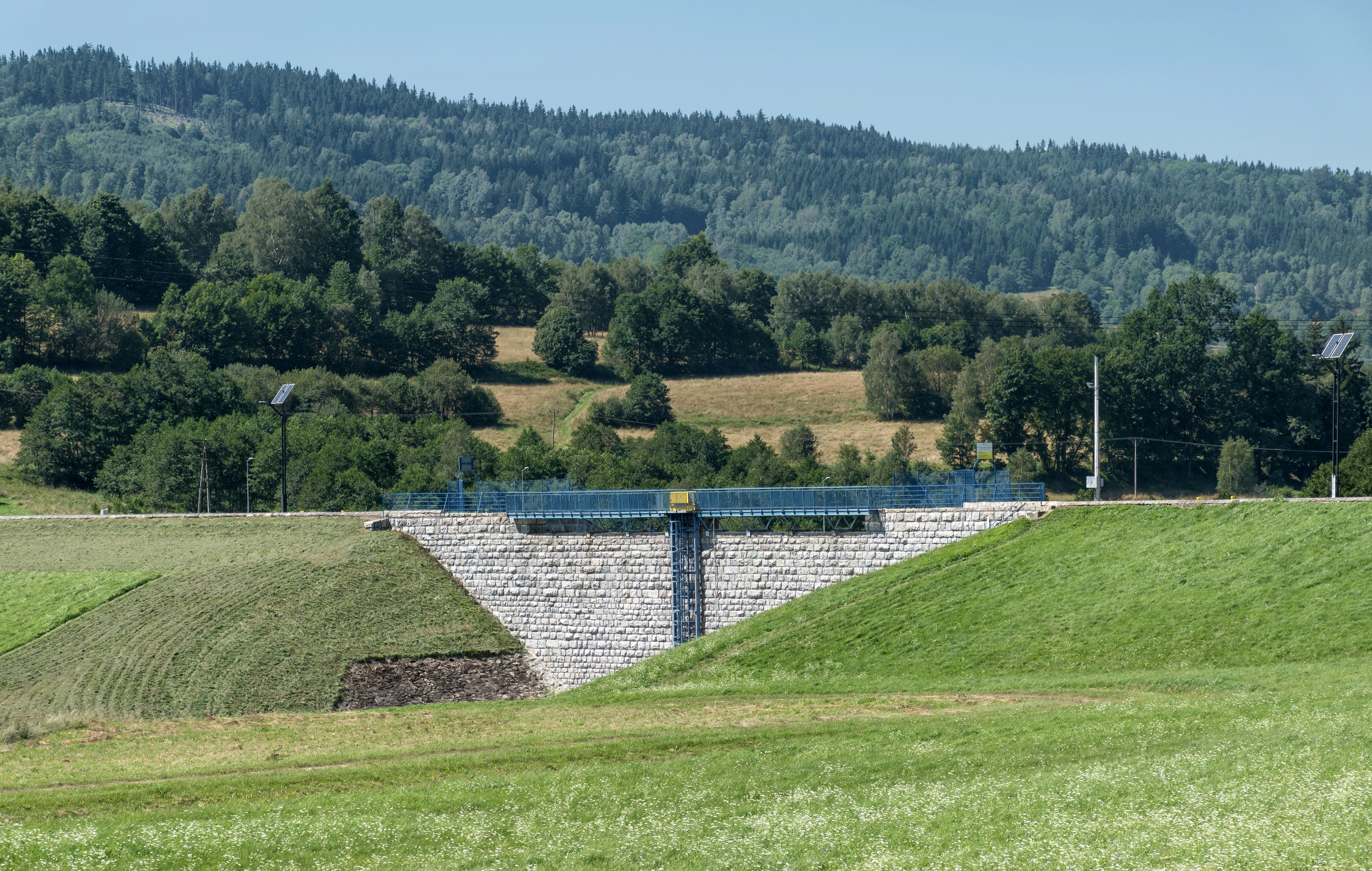
Zapora Suchego Zbiornika Przeciwpowodziowego Morawka – A Hidden Engineering Gem in Lower Silesia
If you’re hunting for an off‑the‑beaten‑path destination that blends impressive engineering, pristine nature, and authentic Polish charm, look no further than the Zapora Suchego Zbiornika Przeciwpowodziowego Morawka. Nestled in the picturesque town of Stronie Śląskie, this 16‑metre‑high dam offers a quiet retreat for travelers who love water, mountains, and a dash of history.
1. Introduction
Imagine standing on a sturdy concrete wall that has held back floodwaters for decades, while the surrounding Sudetes mountains paint a dramatic backdrop. The Zapora suchego zbiornika przeciwpowodziowego Morawka (literally “Morawka Dry Flood‑Control Reservoir Dam”) is exactly that – a modest‑sized yet striking dam that quietly safeguards the valley of the Morawka River in the heart of the Lower Silesian Voivodeship.
For road‑trippers, hikers, and photography enthusiasts, this dam is a perfect spot to pause, snap a few shots, and soak up the tranquil atmosphere of southern Poland’s green corridors. In this guide, we’ll dive into the dam’s story, how to reach it, the best visiting windows, nearby attractions, and insider tips to make your trip seamless and memorable.
2. About Zapora Suchego Zbiornika Przeciwpowodziowego Morawka
A Brief Description
- Type: Flood‑control (dry) dam
- Location: Stronie Śląskie, Lower Silesian Voivodeship, Poland
- Coordinates: 50.284645 N, 16.876444 E
- Height: 16 m (approximately 52 ft)
- Altitude: Not publicly listed (the dam sits within a valley surrounded by hills that rise to over 800 m)
Built as a dry flood‑control reservoir, the Morawka dam is designed to capture sudden runoff during heavy rains, protecting downstream villages and agricultural lands. Unlike typical water‑storage dams, its reservoir remains dry most of the year, revealing the concrete structure and the surrounding forest floor—an unusual sight that adds to its allure.
Historical Context
The dam’s construction dates back to the mid‑20th century, a period when Poland invested heavily in flood‑mitigation infrastructure across its mountainous regions. While the exact year of completion is not widely documented, the dam’s robust design reflects the engineering standards of that era, emphasizing durability and low maintenance.
Why It Matters
- Safety: The dam plays a critical role in preventing flood damage in the Morawka River basin, safeguarding Stronie Śląskie and neighboring settlements.
- Ecology: By temporarily holding back floodwaters, the dam helps preserve the natural riverine habitats downstream, allowing flora and fauna to recover after storm events.
- Tourism: Its unobtrusive presence amidst forests and hills makes it a favored spot for hikers, birdwatchers, and photographers seeking a quiet, authentic Polish landscape.
3. How to Get There
By Car
The most convenient way to reach the dam is by car. From Wrocław (the regional capital, ~90 km north), follow these steps:
- Take the A4/E40 highway west toward Jelenia Góra.
- Exit onto DK3 (National Road 3) heading south toward Karpacz.
- After passing Karpacz, continue on DW367 toward Stronie Śląskie.
- Follow local signs for the Morawka Dam (look for “Zapora Morawka”).
The drive takes roughly 1.5 hours, with scenic mountain passes along the way. Parking is available in a small lot near the dam entrance; a short, well‑marked path leads to the viewing platform.
By Public Transport
- Train: Regional trains run from Wrocław Główny to Stronie Śląskie (approximately 2 hours). Check the Polregio timetable for the latest schedules.
- Bus: From the Stronie Śląskie bus station, take a local minibus (often labeled “linia 2”) that stops near the dam. Frequency varies, so verify the current timetable at the station or online.
Walking & Cycling
If you’re already exploring the Sudetes, the dam is reachable via marked hiking trails from the town center. The Blue Trail (Niebieski Szlak) passes within a kilometer of the dam, making it an excellent side‑trip for trekkers. Cyclists can also use the regional bike routes that weave through the valley.
4. Best Time to Visit
| Season | Weather & Conditions | Why Visit |
|---|---|---|
| Spring (April‑June) | Mild temperatures (10‑20 °C), blooming wildflowers, occasional rain. | The valley awakens; the dam’s concrete contrasts beautifully with fresh greenery. |
| Summer (July‑August) | Warm days (20‑27 °C), occasional thunderstorms. | Longer daylight hours for photography; nearby streams are lively. |
| Autumn (September‑October) | Cool, crisp air (8‑15 °C), colorful foliage. | The forest turns gold and red, offering stunning backdrops for sunrise/sunset shots. |
| Winter (November‑March) | Snow-covered landscape, temperatures often below 0 °C. | A serene, almost magical scene—snow‑capped hills and a quiet, empty reservoir. |
Recommendation: Late spring (mid‑May to early June) and early autumn (late September) provide the most comfortable weather, vibrant colors, and fewer crowds.
5. What to Expect
When you arrive at the Zapora Morawka, you’ll be greeted by a modest yet solid concrete wall stretching across a shallow valley floor. Because the reservoir is “dry,” you’ll see the dam’s inner workings—spillways, inspection galleries, and the occasional water‑draining channel—without a large lake in front of you.
The Experience
- Scenic Views: Panoramic vistas of the Śnieżnik Landscape Park unfold beyond the dam, especially from the elevated viewing platform. On clear days, you can spot the peaks of the Karkonosze mountains in the distance.
- Quiet Atmosphere: Unlike popular tourist hotspots, the dam area is tranquil, making it ideal for meditation, sketching, or simply listening to the rustle of pine needles.
- Wildlife Spotting: The surrounding forest is home to deer, foxes, and a variety of bird species. Early mornings are perfect for birdwatching.
- Photography Opportunities: The contrast between the stark concrete structure and the lush, seasonal foliage creates compelling compositions. Sunrise over the dam yields a warm golden glow, while sunset casts long shadows across the valley floor.
6. Nearby Attractions
While the dam itself is the star of the show, the Lower Silesian Voivodeship offers several charming points of interest within a short radius:
| Attraction | Distance from Dam | Description | Link |
|---|---|---|---|
| Zapora suchego zbiornika przeciwpowodziowego Morawka (Dam) | 0 km | The main site – a 16 m flood‑control dam. | — |
| Fountain | 0.8 km | A small decorative fountain nestled in a local park; perfect for a quick photo stop. | — |
| Spring (1) | 1.4 km | A natural spring with crystal‑clear water, popular among hikers for a refreshing break. | — |
| Spring (2) | 2.2 km | Another pristine spring set amidst pine woods, offering a peaceful picnic spot. | — |
| Ujęcie wody pitnej (Drinking‑water intake spring) | 3.7 km | This protected spring supplies potable water to nearby villages; the surrounding area is a tranquil nature reserve. | — |
Note: While specific web links for each attraction are not publicly listed, you can find more details on local tourism websites or by asking at the Stronie Śląskie information desk.
7. Travel Tips
| Tip | Details |
|---|---|
| Dress in layers | Mountain weather changes quickly; bring a waterproof jacket and sturdy walking shoes. |
| Bring a reusable water bottle | Although the nearby springs provide fresh water, it’s good to stay hydrated, especially in summer. |
| Parking | The lot near the dam fills up quickly on weekends; arrive early (before 10 am) to secure a spot. |
| Photography | Use a wide‑angle lens to capture the dam against the landscape. A polarizing filter helps reduce glare on sunny days. |
| Safety | The dam’s concrete edges can be slippery when wet. Stay on marked paths and heed any posted warnings. |
| Local cuisine | After your visit, head to Stronie Śląskie’s town centre for traditional Silesian dishes like kluski śląskie (Silesian dumplings) and pierogi. |
| Language | Polish is the primary language, but most locals in tourist areas speak basic English. Learning a few greetings (“Dzień dobry”, “Dziękuję”) goes a long way. |
| Connectivity | Mobile coverage is generally good, but some remote spots may have limited signal—download offline maps beforehand. |
| Respect nature | The area around the dam is part of a protected watershed. Avoid littering and stay on designated trails. |
| Seasonal closures | In heavy winter snowfall, access roads may be temporarily closed. Check local weather forecasts and road conditions before traveling. |
8. Wrap‑Up
The Zapora Suchego Zbiornika Przeciwpowodziowego Morawka may not have the fame of a grand castle or a bustling city square, but its quiet strength, stunning surroundings, and authentic Polish atmosphere make it a hidden treasure for any traveler seeking something different. Whether you’re an engineering enthusiast, a nature lover, or simply looking for a peaceful spot to unwind, this modest dam in Stronie Śląskie offers a unique slice of Lower Silesian charm.
Pack your camera, slip on those hiking boots, and set your GPS to 50.284645 N, 16.876444 E—the Morawka dam awaits!
Keywords used: Zapora suchego zbiornika przeciwpowodziowego Morawka, dam in Lower Silesian Voivodeship, Stronie Śląskie dam, Poland travel, Lower Silesia attractions, flood‑control dam Poland, outdoor activities Poland, hiking Lower Silesia, Polish engineering sites.