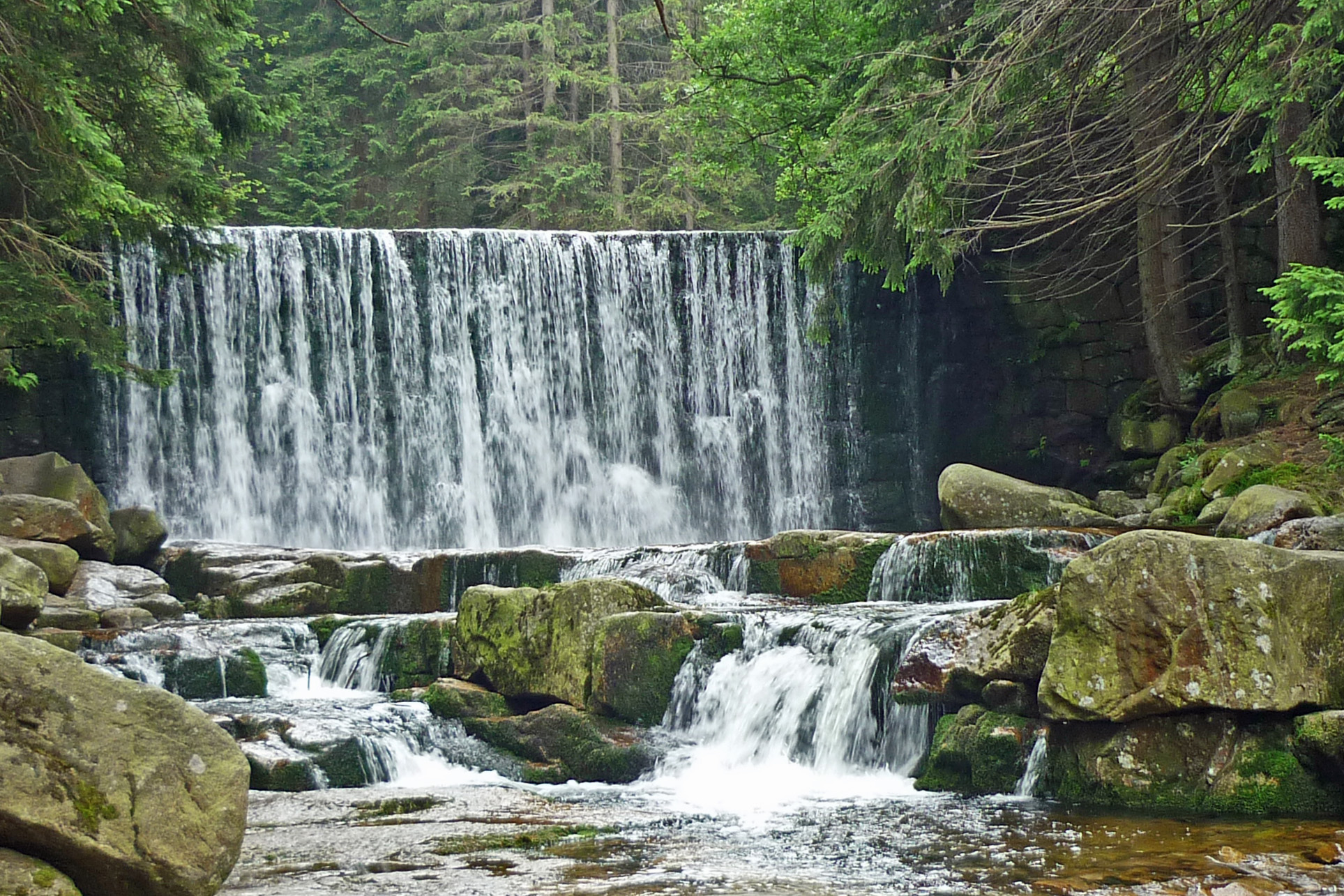
Dziki Wodospad – The Untamed Waterfall Hidden in Karpacz, Lower Silesian Voivodeship
Discover the raw beauty of Poland’s lesser‑known cascade, a perfect stop for hikers, photographers, and anyone craving a splash of nature’s drama.
Introduction
Tucked away in the forest‑clad hills of Karpacz, the Dziki Wodospad (literally “Wild Waterfall”) feels like a secret whispered among the trees. Unlike the polished tourist spots of the Sudetes, this waterfall bursts from the rocks with a raw, untamed energy that instantly captures the imagination. If you’re planning a trip to the Lower Silesian Voivodeship and crave a genuine Polish wilderness experience, Dziki Wodospad should be at the top of your itinerary.
Keywords: Dziki Wodospad, waterfall Karpacz, Lower Silesian Voivodeship waterfall, Poland waterfalls, Karpacz attractions.
About Dziki Wodospad
What Is It?
- Type: Natural waterfall 🌊
- Location: Karpacz, Lower Silesian Voivodeship, Poland
- Coordinates: 50.768667 N, 15.727772 E
The exact height and altitude of Dziki Wodospad are not officially recorded, adding an element of mystery to the site. What is certain, however, is the powerful rush of water that carves a narrow gorge through the surrounding spruce forest. The cascade is fed by mountain streams that swell after rain or snow melt, creating a constantly changing spectacle.
A Brief History
The name “Dziki” (wild) reflects centuries of local folklore that describes the waterfall as a guardian spirit of the forest. While the waterfall itself has never been heavily commercialised, it has long been a favourite waypoint for hikers traversing the Karkonosze (Giant) Mountains. The nearby Kociołek Eworsyjny–Kociołek Wirowy (a small whirlpool waterfall) further cements the area’s reputation as a water‑lover’s haven.
Why It Matters
Dziki Wodospad is more than a pretty picture; it’s a living piece of the Karkonosze National Park ecosystem. The mist‑laden air nurtures mosses, lichens, and rare alpine flora, while the surrounding woods provide habitat for birds such as the Eurasian jay and the black woodpecker. For eco‑tourists, the waterfall offers a glimpse into the pristine natural processes that shape the Lower Silesian landscape.
How to Get There
By Air
- Closest airport: Copernicus Airport Wrocław (WRO) – about 150 km (≈2 h drive).
- From Wrocław, rent a car or take a regional bus to Jelenia Góra, then transfer to a local bus to Karpacz.
By Train
- Direct train: Wrocław Główny → Jelenia Góra (PKP Intercity).
- From Jelenia Góra, catch the bus 400 (Jelenia Góra → Karpacz) or a shared taxi.
By Car
- Route: A4 motorway (Wrocław → Jelenia Góra) → DK3 (National Road 3) → turn onto DW390 toward Karpacz.
- Parking: The Karpacz town centre offers free public parking; from there, the trailhead to Dziki Wodospad is a short walk.
On Foot
- Trailhead: Start at the Karpacz Tourist Information Center (ul. Kościelna 5). Follow the signposted red trail toward the “Dziki Wodospad” waypoint. The hike is moderate, about 1.5 km (≈30 minutes) with a gentle ascent.
Practical Details
| Item | Detail |
|---|---|
| GPS | 50.768667, 15.727772 |
| Difficulty | Easy‑moderate (well‑marked forest path) |
| Time from Karpacz centre | 20–30 minutes walking |
| Entrance fee | None (public natural site) |
Best Time to Visit
| Season | Conditions | Why Visit |
|---|---|---|
| Spring (April‑May) | Snow melt boosts water flow; wildflowers bloom. | Lush greenery and a thunderous cascade. |
| Summer (June‑August) | Warm days, longer daylight. | Ideal for photography and picnics near the water. |
| Autumn (September‑October) | Leaves turn amber; water levels moderate. | Perfect for atmospheric shots and quieter trails. |
| Winter (December‑February) | Ice may form; waterfall can freeze partially. | For adventurous souls seeking a frosty wonderland (caution advised). |
Tip: The waterfall is most dramatic after a rainstorm or during early spring melt, when the water volume peaks. However, the path can become slippery, so wear sturdy boots and bring trekking poles.
What to Expect
The Senses
- Sound: A constant roar that drowns out city noise, mixed with the rustle of pine needles.
- Sight: A slender ribbon of water plunging over dark granite, surrounded by moss‑covered boulders. Sunlight often creates rainbows in the mist.
- Smell: Fresh, cool forest air tinged with pine resin.
The Trail
The red‑marked forest trail is well‑maintained but can be uneven in places. Expect a mix of compacted earth, wooden boardwalks over wet sections, and occasional stone steps. Along the way, interpretive panels provide brief information about the local flora and the geological formation of the cascade.
Photo Opportunities
- Front view: Stand on the left bank for a straight‑on shot of the waterfall’s plunge.
- Side view: A short detour to a higher rock offers a panoramic view of the waterfall framed by the surrounding forest.
- Close‑up: Capture droplets suspended in the air by using a fast shutter speed (1/2000 s) and a polarising filter to reduce glare.
Nearby Attractions
While Dziki Wodospad steals the spotlight, the area is peppered with other natural gems that can easily be added to a day‑trip itinerary.
| Attraction | Type | Distance from Dziki Wodospad | Quick Link |
|---|---|---|---|
| Kociołek Eworsyjny – Kociołek Wirowy | Waterfall (small whirlpool) | 0.2 km | Kociołek Eworsyjny – Wikipedia |
| Unnamed Weir | Weir | 0.2 km | — |
| Unnamed Waterfall #1 | Waterfall | 0.2 km | — |
| Unnamed Waterfall #2 | Waterfall | 0.2 km | — |
| Local Fountain | Fountain | 0.9 km | — |
Note: The unnamed sites are small but charming water features that can be explored via the same forest network. Bring a map or use a GPS app to locate them; they are marked on most local trail maps.
Travel Tips
- Dress in layers – Mountain weather changes quickly; a waterproof jacket is essential, especially during spring melt.
- Footwear matters – Waterproof hiking boots with good grip protect you on wet rocks.
- Stay on the trail – The surrounding forest is fragile; stray paths can cause erosion and damage to rare plant species.
- Carry a reusable water bottle – There are no drinking fountains on the trail, but you can refill in Karpacz before you start.
- Respect the silence – The waterfall’s natural soundscape is a major draw; keep noise to a minimum for fellow hikers.
- Check the weather – Sudden thunderstorms can make the area hazardous; postpone the hike if heavy rain is forecast.
- Leave no trace – Pack out all trash, and avoid picking plants or disturbing wildlife.
- Timing for photos – Early morning or late afternoon provides soft, angled light that enhances the water’s sparkle.
Final Thoughts
Dziki Wodospad may not have the fame of Poland’s Szczawnica Falls or the Wieliczka Salt Mine, but its unspoiled charm makes it a hidden treasure for any traveler exploring the Lower Silesian Voivodeship. Whether you’re a seasoned trekker, a family on a weekend getaway, or a photographer hunting that perfect mist‑filled frame, the wild cascade offers a refreshing escape into nature’s raw power.
Plan your visit, lace up your boots, and let the roar of Dziki Wodospad guide you into the heart of Karpacz’s forested wonderland.
Happy travels!
