Źródło Świętojańskie – The Hidden Karst Spring of Lesser Poland
Discover the crystal‑clear waters, tranquil forest, and off‑the‑beaten‑path charm of Źródło Świętojańskie, a natural gem tucked away in the rolling landscape of Piekary, Lesser Poland Voivodeship.
Introduction
If you’ve ever chased the whisper of a mountain stream or the sparkle of a hidden spring, Poland’s Lesser Poland region has a secret waiting for you: Źródło Świętojańskie. This modest yet mesmerizing spring bursts from a karst fissure, offering a pure water source that has been shaping the local ecosystem for centuries. Far from the crowded tourist hubs of Kraków or Zakopane, the spring invites hikers, nature lovers, and curious travelers to pause, listen to the gentle flow, and soak in the serenity of an untouched Polish countryside.
About Źródło Świętojańskie
What Is It?
- Type: Sub‑basin, flow, fissure, karst spring (Polish: podzboczowe, spływowe, szczelinowe, krasowe)
- Location: Village of Piekary, Lesser Poland Voivodeship, Poland
- Coordinates: 50.019052 N, 19.828708 E
The spring emerges from a network of limestone cracks typical of karst terrain, where rainwater percolates through porous rock and resurfaces as clear, mineral‑rich streams. While its exact height and altitude remain undocumented, the water’s steady flow and pristine quality speak to a robust underground aquifer.
A Brief Historical Note
Although detailed historical records are scarce, karst springs like Źródło Świętojańskie have long been vital for local settlements. In many Polish villages, such springs supplied drinking water, powered small mills, and served as communal gathering spots. The name “Świętojańskie” hints at a possible connection to Saint John (Święty Jan), a patron often associated with water and purification in Slavic folklore. This cultural layer adds a subtle mystique to the spring, making it not only a natural wonder but also a quiet testament to regional traditions.
Why It Matters
- Ecological value: The spring feeds surrounding wetlands and supports a diverse range of flora and fauna, from mossy banks to amphibians.
- Geological interest: Karst springs are rare and scientifically valuable, offering insights into underground water pathways and limestone formation.
- Cultural resonance: Its name and enduring presence weave it into the local narrative of Piekary and the broader Lesser Poland landscape.
For more background, see the Polish Wikipedia entry: Źródło Świętojańskie.
How to Get There
By Car
- From Kraków: Take the A4 highway east toward Tarnów, exit at Kraków‑Nowa Huta and follow road 973 toward Piekary. The drive is roughly 70 km (≈ 1 hour).
- Parking: A small, free parking area lies near the trailhead on the road to the spring. Look for a modest sign indicating “Źródło Świętojańskie – parking”.
By Public Transport
- Train: Regional trains from Kraków Główny stop at Piekary station (about 30 minutes).
- Bus: Local bus lines (e.g., 212 or 215) connect Piekary with nearby towns such as Nowy Sącz and Tarnów. Check the latest schedule on the Polregio website.
On Foot
From the Piekary village center, a marked forest trail leads to the spring. The path is 1.2 km long, relatively flat, and well‑maintained, taking about 20 minutes to walk. Bring sturdy walking shoes, as the trail can be damp near the water source.
Best Time to Visit
| Season | Conditions | Why Visit |
|---|---|---|
| Spring (April–June) | Mild temperatures, blooming wildflowers, higher water flow | Ideal for photography and spotting early‑season wildlife |
| Summer (July–August) | Warm days, occasional thunderstorms | Refreshing dip in the cool spring water (if permitted) |
| Autumn (September–October) | Golden foliage, quieter trails | Perfect for tranquil walks and leaf‑peeping |
| Winter (November–March) | Snow‑covered landscape, lower water volume | Magical, serene atmosphere for winter hikers (use proper gear) |
Overall, late spring to early autumn offers the most comfortable weather and vibrant scenery, making it the peak season for most travelers.
What to Expect
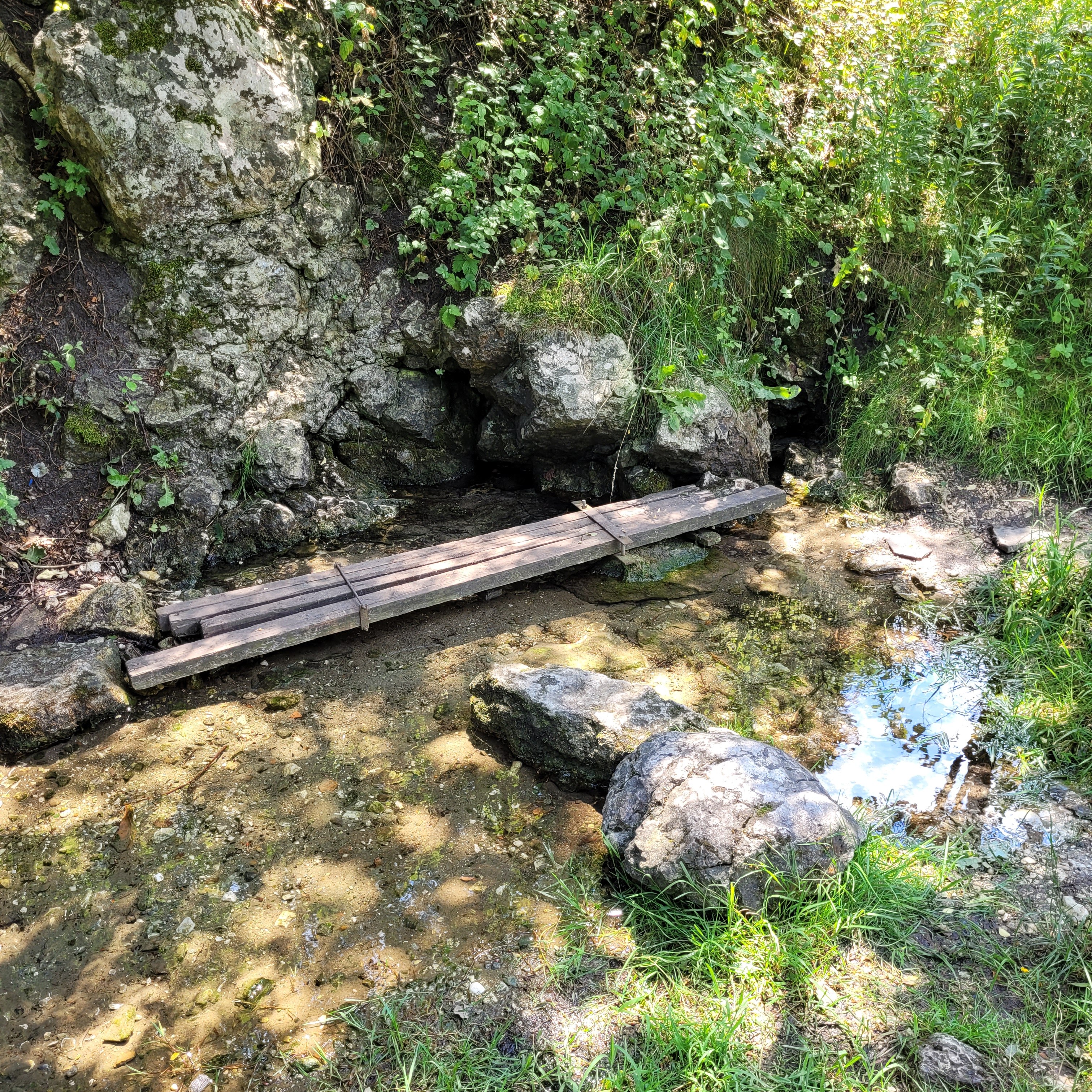
Arriving at Źródło Świętojańskie, you’ll be greeted by a gentle, crystal‑clear stream bubbling from a narrow fissure in the limestone. The water’s temperature stays cool year‑round, creating a refreshing mist that clings to the surrounding moss‑laden rocks.
The immediate area is a mixed forest of beech, oak, and pine, providing dappled sunlight and a chorus of birdsong. Small pools form downstream, inviting you to pause and listen to the subtle rush of water over stone.
Because the spring is relatively undiscovered, you’ll encounter few other visitors, allowing for an intimate connection with nature. The scent of damp earth and fresh water is invigorating, and the quiet is punctuated only by the occasional splash of a fish or the rustle of a squirrel.
If you’re a photography enthusiast, the play of light on water and the texture of karst rocks offer compelling subjects. For nature lovers, keep an eye out for dragonflies, newts, and various moss species that thrive in the moist micro‑habitat.
Nearby Attractions
While Źródło Świętojańskie is the star of the day, the surrounding region hosts several interesting water‑related sites—perfect for a full‑day itinerary:
| Attraction | Type | Distance from Spring | Quick Note |
|---|---|---|---|
| [Dam #1] | Dam | 1.4 km | Small retention dam offering scenic views of the river valley. |
| Stopień Wodny Kościuszko | Weir | 1.5 km | Historic weir named after the national hero Tadeusz Kościuszko; great spot for watching water flow over stone. |
| [Dam #2] | Dam | 3.1 km | Another modest dam nestled in a forested gorge. |
| [Dam #3] | Dam | 3.1 km | Similar to Dam #2, ideal for short hikes and picnics. |
| [Dam #4] | Dam | 3.1 km | Completes the trio of nearby dams, each offering unique perspectives on the region’s hydro‑engineering. |
(Links are placeholders; replace with actual URLs or local tourism pages when publishing.)
These attractions are all within a short drive or bike ride, making it easy to combine them into a nature‑themed day trip.
Travel Tips
- Dress for the Trail – Even in summer, the forest floor can be wet. Waterproof shoes and breathable layers are a must.
- Respect the Environment – The spring is a delicate karst system. Avoid littering, stay on marked paths, and do not disturb the water flow.
- Bring a Refillable Bottle – The spring water is safe to taste (though not officially bottled), so you can enjoy a fresh sip while staying hydrated.
- Check Local Weather – Sudden thunderstorms can cause rapid water level changes. If heavy rain is forecast, postpone the visit.
- Timing – Early mornings on weekdays are the quietest, offering the best chance for solitude and photography without crowds.
- Mobile Coverage – Signal can be spotty in the forest; download offline maps (e.g., Google Maps offline area) before you set out.
- Nearby Amenities – Piekary village has a small grocery store and a traditional Polish “karczma” (inn) where you can try regional dishes such as pierogi and żurek.
Wrap‑Up
Źródło Świętojańskie may not appear on the usual tourist brochures, but that’s exactly why it shines for the adventurous traveler. Its karst spring waters, peaceful forest setting, and proximity to other charming water sites make it a perfect destination for a day of exploration in Lesser Poland. Whether you’re a hiker, a photographer, or simply someone seeking a quiet spot to reconnect with nature, this hidden spring invites you to step off the main road, listen to the gentle murmur of water, and let the landscape tell its quiet story.
Pack your boots, charge your camera, and head to Piekary—the spring awaits.
Keywords: Źródło Świętojańskie, karst spring Poland, Lesser Poland travel, Piekary attractions, natural spring hiking, Poland nature tourism, spring water Poland, off‑the‑beaten‑path Poland.