Źródło św. Józefa w Czernej – A Hidden Spring Jewel in Lesser Poland
Discover the tranquil charm of a sacred spring tucked away in the rolling hills of Krzeszowice, Lesser Poland Voivodeship.
Introduction
If you’re wandering the picturesque countryside of Lesser Poland and crave a spot that feels both mystical and refreshingly natural, look no further than Źródło św. Józefa w Czernej. This modest yet captivating spring—known locally as the “Spring of St. Joseph”—offers a quiet sanctuary where crystal‑clear water bubbles from the earth, surrounded by gentle woodland and the faint echo of centuries‑old folklore. Whether you’re a pilgrim seeking a holy site, a nature lover hunting hidden waterfalls, or a traveler eager to step off the beaten path, this spring promises a moment of serenity that lingers long after you’ve left the trail.
About Źródło św. Józefa w Czernej
What Makes This Spring Special?
Located at 50.161885 N, 19.632825 E in the village of Czerna, the spring is classified as podzboczowe, przykorytowe, spływowe, szczelinowe—a mouthful of Polish hydrogeological terms that describe a spring emerging from a sub‑basin, fed by underground channels, flowing along a surface fissure. In plain language, the water surfaces from a narrow crack in the rock, travels a short distance on the surface, and then disappears back into the earth, creating a subtle, ever‑changing dance of water and stone.
A Touch of History and Faith
The name “Świętego Józefa” (St. Joseph) hints at the spring’s long‑standing religious significance. Local tradition holds that the spring was blessed in the Middle Ages, becoming a place of pilgrimage for villagers who believed its waters possessed healing properties. While concrete historical records are scarce, the spring’s continued reverence—evident in nearby chapels and folk stories—underscores its role as a spiritual waypoint in the region.
Why It Matters
Beyond its spiritual aura, Źródło św. Józefa is a pristine example of Lesser Poland’s karst landscape. The spring contributes to the local watershed, feeding small streams that eventually join larger rivers in the Vistula basin. For eco‑tourists and geology enthusiasts, observing the spring’s natural flow offers insight into the hidden water networks that shape the Polish countryside.
How to Get There
By Car
- Starting point: Kraków (the regional capital, 30 km north).
- Route: Take A4/E40 west toward Skawina, then follow signs for Krzeszowice on DK94. After passing Krzeszowice, turn onto local road 959 toward Czerna.
- Parking: A small, free parking area sits just off the road near the spring’s trailhead.
By Public Transport
- Train: Regional trains (Polregio) run from Kraków Główny to Krzeszowice (≈ 20 min).
- Bus: From Krzeszowice, catch the local bus 212 toward Czerna; the stop is a short walk from the spring.
- Note: Schedules are limited on weekends, so check the latest timetables on the Polregio website.
On Foot or Bike
The spring lies on a well‑marked forest path that’s popular with hikers and cyclists. From the Krzeszowice town center, the trail is about 5 km and takes roughly 1 hour on foot or 30 minutes by bike. The route winds through mixed pine‑oak woods, offering occasional viewpoints over the surrounding valleys.
Best Time to Visit
| Season | Highlights | Why It Works |
|---|---|---|
| Spring (April‑June) | Budding foliage, gentle temperatures, water flow at its peak | The spring’s water is freshest after the snowmelt, and wildflowers add color to the forest floor. |
| Summer (July‑August) | Long daylight hours, vibrant greenery | Ideal for a relaxed picnic near the spring; however, bring sun protection as shade can be patchy. |
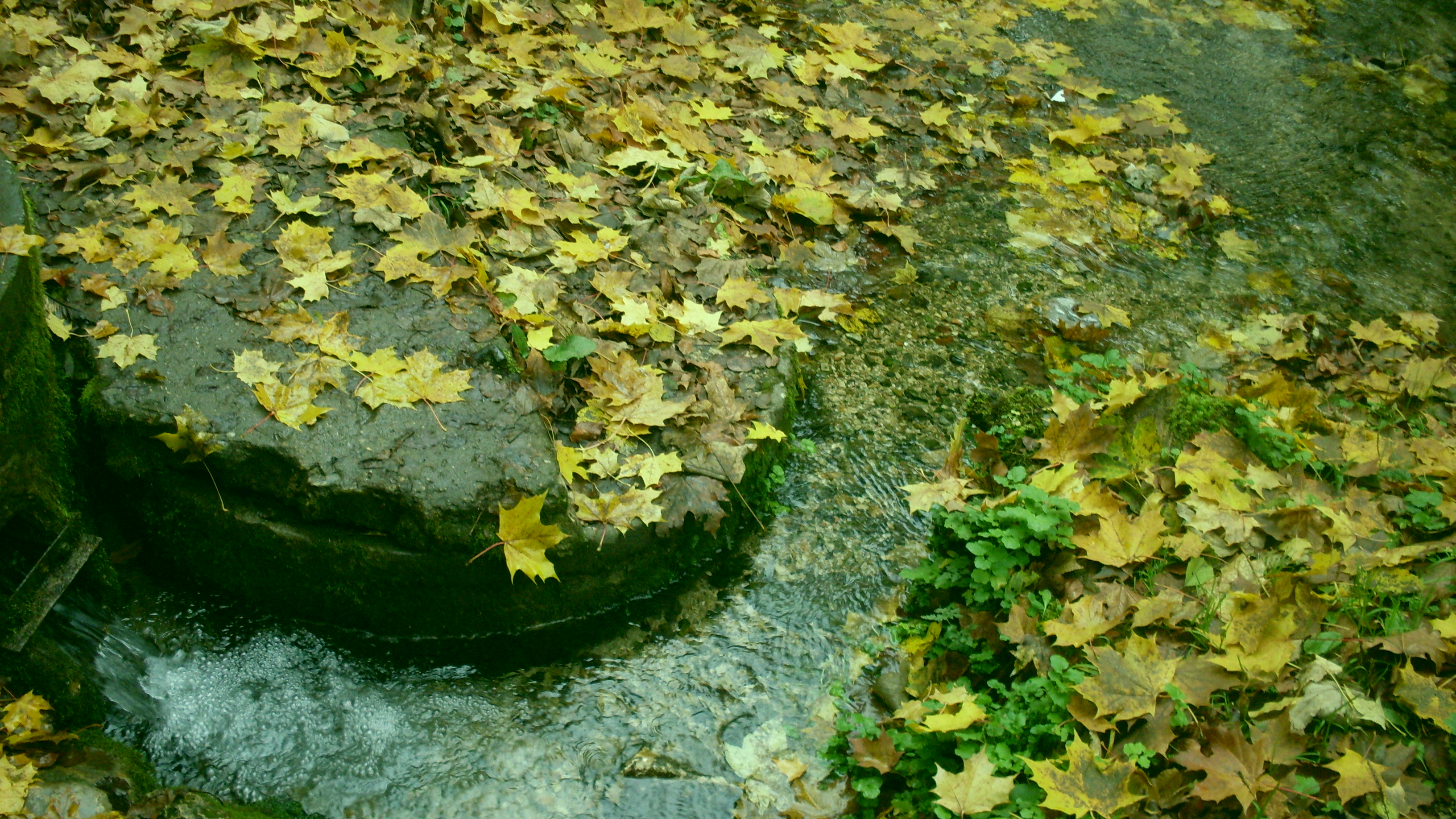
| Autumn (September‑October) | Golden leaves, crisp air, quieter trails | The forest’s amber tones create a postcard‑worthy backdrop; fewer tourists mean a more intimate experience. |
| Winter (November‑March) | Snow‑covered landscape, quiet solitude | If you enjoy a frosty, mystical atmosphere, the spring may be partially frozen—perfect for photographers. |
Overall, late spring to early autumn offers the most comfortable conditions for walking, photography, and enjoying the spring’s gentle soundscape.
What to Expect
Arriving at Źródło św. Józefa, you’ll first notice the soft murmur of water as it emerges from a narrow fissure in the rock. The spring’s pool is modest—just large enough to reflect the canopy above—but the water is remarkably clear, revealing smooth pebbles and occasional tiny fish. A short stone pathway leads to a modest wooden bench, inviting you to sit, sip the cool air, and perhaps dip a hand into the flowing stream.
The surrounding forest is a mosaic of pine, birch, and oak, with occasional moss‑covered logs that add a fairy‑tale feel. Birdsong is constant, and if you’re lucky, you may spot a European green woodpecker or a red‑billed bullfinch flitting between branches. The atmosphere is contemplative—perfect for meditation, a brief prayer, or simply a moment of digital detox.
Because the spring is classified as “spływowe” (flowing), the water moves steadily downstream, forming a shallow creek that disappears into a nearby weir (see “Nearby Attractions”). This natural choreography of water appearing, traveling, and vanishing makes the site a living lesson in hydrology.
Nearby Attractions
While Źródło św. Józefa is the star of the day, the surrounding area offers several complementary sights that can fill a half‑day itinerary:
-
Weir (0 km) – Just a stone’s throw from the spring, this small wooden weir channels the creek’s flow and creates a gentle cascade. It’s an ideal spot for macro photography of water droplets.
-
Waterfall (0 km) – Adjacent to the weir, a natural waterfall drops a few meters over limestone, adding a soothing roar to the forest’s soundscape.
-
Fountain (0.2 km) – A historic stone fountain, once used by villagers to collect spring water, stands near a meadow clearing. It’s a pleasant place for a quick rest or a picnic.
-
Źródło świętego Elizeusza (Spring) (0.3 km) – Another holy spring dedicated to St. Eliseus, this site is marked by a modest shrine and offers a slightly larger pool. Visitors often compare the two springs’ water taste and ambiance.
-
Second Waterfall (0.5 km) – A short hike leads to a more secluded waterfall that tumbles over a moss‑covered rock face, perfect for those seeking a bit of adventure.
For more details on each spot, you can explore local tourism pages or check the linked Wikipedia entry for the main spring:
Źródło św. Józefa – Wikipedia (Polish)
Travel Tips
| Tip | Details |
|---|---|
| Footwear | Wear sturdy hiking boots or trail shoes with good grip; the path can be slippery near the water. |
| Weather | Pack a lightweight rain jacket in spring and autumn; summer heat can be mitigated with a hat and sunscreen. |
| Respect the Site | As a place of religious significance, avoid littering and keep noise to a minimum. |
| Photography | Early morning light (sunrise) offers soft illumination for the spring’s reflections; a macro lens captures water droplets and moss textures. |
| Food & Drink | Bring a refillable water bottle (you can safely sip the spring water after a quick rinse) and a packed snack; there are no cafés nearby. |
| Safety | The water is shallow but can be cold; avoid swimming, especially after heavy rain when currents may increase. |
| Local Culture | If you visit on a Sunday, you may hear a small group of locals gathering for a brief prayer—feel free to observe respectfully. |
| Navigation | Mobile signal can be spotty; download offline maps of the Krzeszowice area before you set out. |
| Seasonal Events | Occasionally, the village of Czerna hosts a “Feast of St. Joseph” in March; check local calendars for possible festivities. |
Final Thoughts
In a world where travel often means crowded landmarks and bustling city squares, Źródło św. Józefa w Czernej offers a quiet, soul‑nourishing alternative. Its gentle waters, modest setting, and subtle spiritual aura make it a perfect micro‑adventure for anyone exploring Lesser Poland’s natural and cultural tapestry. Pack your curiosity, follow the forest trail, and let the spring’s whisper guide you into a moment of pure, unhurried peace.
Happy travels, and may the waters of St. Joseph’s spring refresh both body and spirit!