Wodospad Wielki – The Hidden 5‑Meter Gem of Lesser Poland
Discover the charm of a modest yet mesmerizing waterfall tucked away in the scenic village of Obidza, near Szczawnica. Whether you’re a seasoned hiker, a photography enthusiast, or simply looking for a peaceful spot to unwind, Wodospad Wielki promises an authentic Polish nature experience.
1. Introduction
Imagine a crystal‑clear stream tumbling over a 5‑meter drop, surrounded by lush forest and the gentle hum of the Beskid Sądecki mountains. This is Wodospad Wielki, a small but captivating waterfall that often flies under the radar of mainstream tourism in the Lesser Poland Voivodeship. Its name—Wielki meaning “great” in Polish—might sound grandiose, yet the waterfall’s modest size only adds to its intimate allure. For travelers seeking off‑the‑beaten‑path natural wonders, Wodospad Wielki is a perfect stop on a day‑trip from Szczawnica or a rewarding waypoint on a longer trek through southern Poland.
2. About Wodospad Wielki
Description
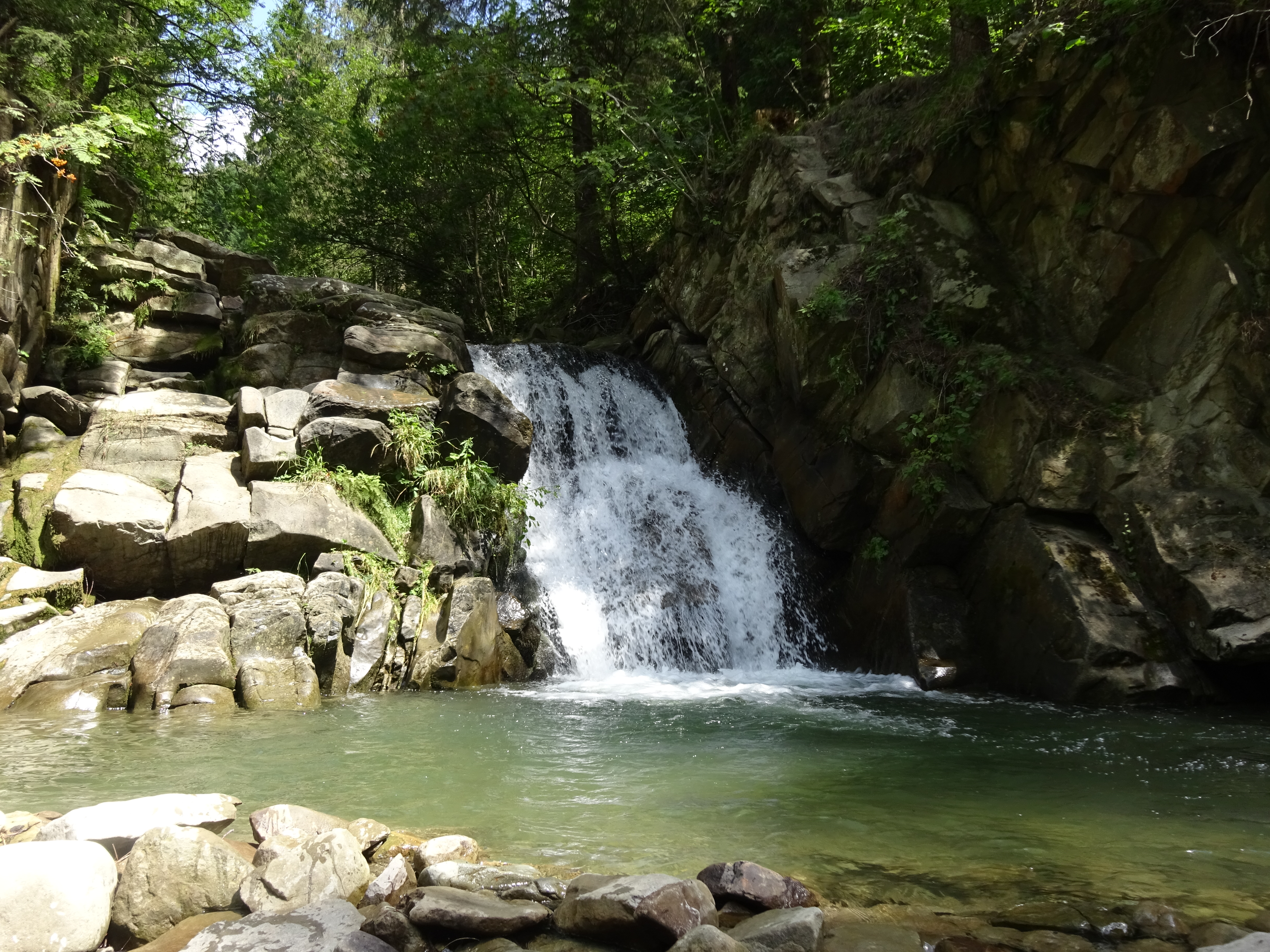
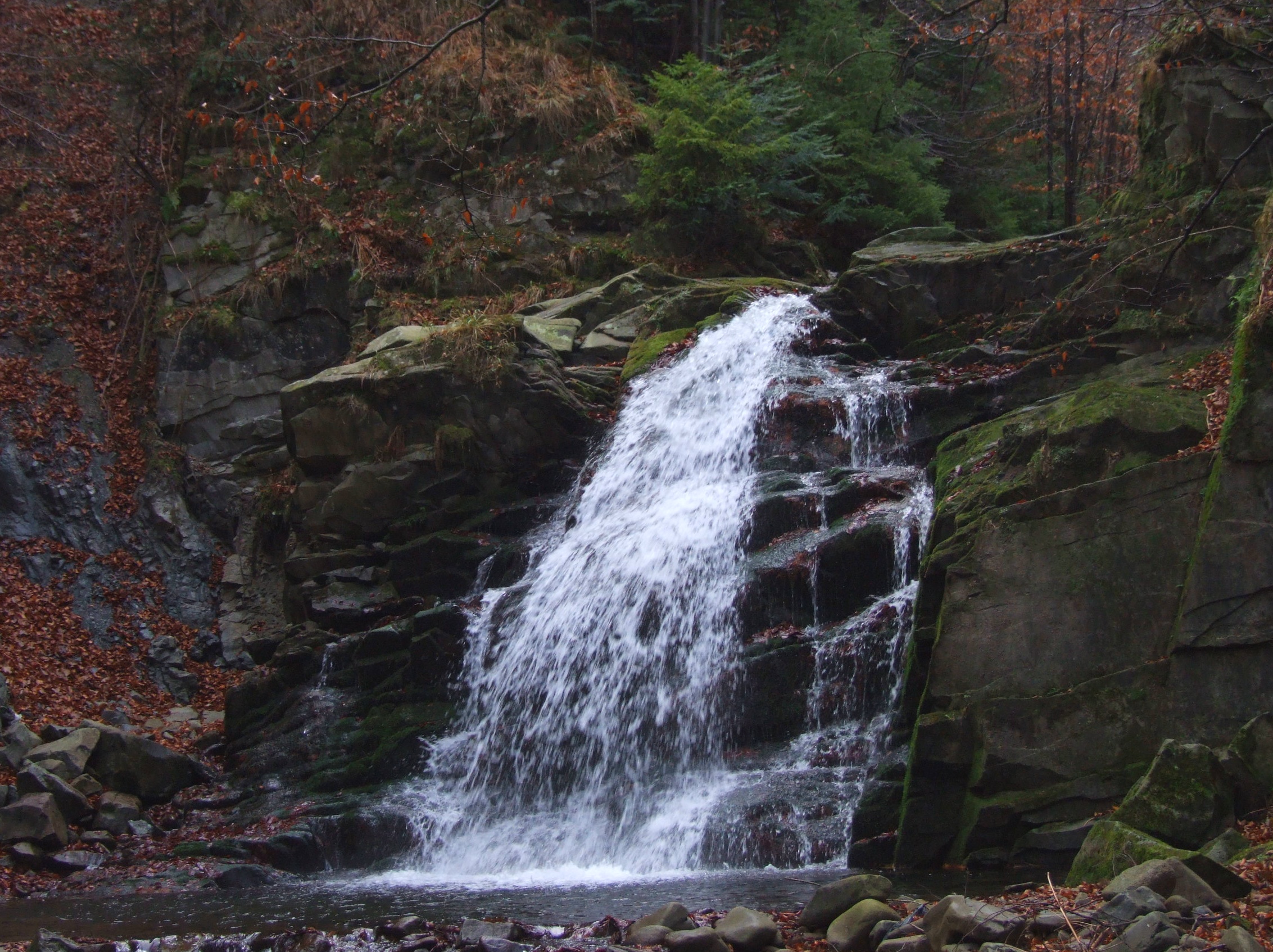
Wodospad Wielki sits on a modest stream that runs through the village of Obidza, a part of the administrative district of Gmina Szczawnica. The waterfall drops approximately 5 meters (16 ft) into a shallow pool, creating a gentle roar that blends with the surrounding woodland sounds. The watercourse is clear, especially after spring rains, and the surrounding rocks are slick with moss, giving the site a fairy‑tale ambience.
History & Significance
While the waterfall itself does not boast a recorded historical narrative, its presence has long been a part of local life. Residents of Obidza have traditionally used the stream for small‑scale irrigation and as a natural landmark that defines the village’s identity. In recent years, hikers and nature lovers have begun to highlight Wodospad Wielki on regional trail maps, helping to promote sustainable tourism in the Lesser Poland countryside.
Why It Matters
- Ecological Value – The micro‑habitat around the waterfall supports a variety of mosses, ferns, and small amphibians, making it a subtle biodiversity hotspot.
- Cultural Touchstone – For locals, the waterfall is a beloved gathering spot, especially in summer when families picnics near the pool.
- Scenic Appeal – Its modest height offers a perfect composition for photographers seeking soft, flowing water against a backdrop of dense forest.
3. How to Get There
By Car
The most straightforward way to reach Wodospad Wielki is by car. From Szczawnica, follow the local road signs toward Obidza (approximately 6 km). Parking is available in a small lot near the village center; from there, a short, well‑marked trail leads directly to the waterfall. GPS coordinates to enter into your navigation system are 49.495633, 20.503363.
By Public Transport
- Bus – Regional bus line #102 runs between Szczawnica and Obidza several times daily. Get off at the Obidza stop and walk the final 500 m along the marked footpath.
- Train – The nearest train station is in Szczawnica (on the Kraków–Nowy Sącz line). From the station, you can catch the bus mentioned above or take a local taxi.
On Foot
For avid hikers, Wodospad Wielki is a pleasant addition to the Pieniny Trail network. Starting from Szczawnica, the trail to Obidza takes roughly 1.5 hours (about 7 km) of moderate walking, with scenic views of the Poprad River and surrounding hills. The final approach to the waterfall is a gentle, well‑trodden path that is suitable for most fitness levels.
4. Best Time to Visit
| Season | Conditions | Why Visit |
|---|---|---|
| Spring (April–June) | Higher water flow from snowmelt; surrounding flora in full bloom. | The waterfall is at its most powerful, and the forest is vibrant with wildflowers. |
| Summer (July–August) | Warm temperatures, moderate flow. | Ideal for picnics by the pool; longer daylight hours for photography. |
| Autumn (September–October) | Lower water levels, colorful foliage. | The forest turns gold and red, creating a dramatic backdrop for the cascade. |
| Winter (November–March) | Possible ice formation; reduced flow. | For the adventurous, a partially frozen waterfall offers a unique, quiet atmosphere. |
Tip: The waterfall is most photogenic during early morning or late afternoon when the sun filters through the trees, casting soft light on the water.
5. What to Expect
When you arrive, you’ll be greeted by a tranquil forest clearing that feels worlds away from the bustling streets of Kraków. The path to the waterfall is a short, gravel‑covered walk that may be slightly slippery after rain—wear sturdy shoes with good grip. As you approach, the sound of water grows louder, and a misty spray greets you at the base of the cascade.
The pool beneath the fall is shallow enough for wading, but the current can be swift after heavy rains, so caution is advised. Benches and a few wooden picnic tables have been placed by the local community, offering a perfect spot to rest, enjoy a snack, or simply listen to the rhythmic flow.
Photography enthusiasts will appreciate the natural framing provided by surrounding rocks and foliage. A tripod can help capture long‑exposure shots that turn the water into a silky veil. Birdwatchers may spot European goldfinches, great tits, and occasional kingfishers darting near the water’s edge.
6. Nearby Attractions
While Wodospad Wielki can easily fill a half‑day, the surrounding area offers several additional points of interest within a short drive or hike:
| Attraction | Distance | Type | Link |
|---|---|---|---|
| Spring (Unnamed) | 3.6 km | Natural spring | Explore on Map |
| Spring (Unnamed) | 3.8 km | Natural spring | Explore on Map |
| Weir (Unnamed) | 4.3 km | Small weir on a local stream | Explore on Map |
| Spring (Unnamed) | 6.2 km | Natural spring | Explore on Map |
| Wodospad Zaskalnik | 6.5 km | Waterfall | Wodospad Zaskalnik – Wikipedia |
All distances are measured from the base of Wodospad Wielki. The springs are ideal for a quick nature stop, while the nearby Wodospad Zaskalnik offers a slightly taller cascade for those craving a bit more dramatic scenery.
7. Travel Tips
- Dress for the Weather – The micro‑climate around the waterfall can be cooler and damper than the surrounding trail. Pack a lightweight rain jacket and quick‑dry clothing.
- Footwear – Sturdy hiking boots or trail shoes with good tread are essential, especially after rain when the path can be slippery.
- Timing – Arrive early in the morning (especially in summer) to avoid the occasional crowd and to capture the best light for photos.
- Respect the Environment – The area is a natural habitat; stay on marked trails, avoid picking plants, and pack out all trash.
- Safety – While the pool is shallow, the water can be swift after heavy rains. Keep children supervised and avoid swimming when the flow is strong.
- Local Cuisine – After your visit, stop at a family‑run karczma (traditional inn) in Obidza or Szczawnica for regional dishes such as pierogi or oscypek cheese.
- Connectivity – Mobile signal can be spotty in the forest; download offline maps (Google Maps or Maps.me) before you set out.
- Seasonal Gear – In winter, bring insulated gloves and a thermos; the waterfall may form delicate ice formations that are beautiful to photograph but require extra caution.
Final Thoughts
Wodospad Wielki may not boast the towering height of some world‑famous waterfalls, but its quiet charm, easy accessibility, and surrounding natural beauty make it a standout destination in the Lesser Poland Voivodeship. Whether you’re mapping a weekend itinerary around Szczawnica, planning a nature‑focused day trip, or simply seeking a peaceful spot to listen to water’s gentle murmur, this hidden 5‑meter cascade offers a genuine slice of Polish countryside serenity.
Pack your camera, lace up your boots, and let the sound of the falling water guide you to one of Poland’s most understated natural treasures. Safe travels!