Wodospad na Mosornym Potoku – A Hidden Gem in Lesser Poland’s Mountain Landscape
Discover the charm of a modest 8‑metre cascade tucked away in the forests of Zawoja, and learn how to make the most of your visit to this lesser‑known Polish waterfall.
Introduction
If you’ve trekked the popular trails of the Beskids and are yearning for a quieter, more intimate encounter with nature, Wodospad na Mosornym Potoku is the perfect destination. This petite yet picturesque waterfall, perched at coordinates 49.632073, 19.564002, drops 8 meters into a crystal‑clear pool, offering a refreshing pause for hikers and photographers alike. Unlike the crowded cascades of the Tatra Mountains, Mosorny Potok’s waterfall remains a well‑kept secret for those who venture off the beaten path in the Lesser Poland Voivodeship.
In this guide, we’ll dive into the waterfall’s story, reveal the easiest ways to reach it, suggest the ideal seasons for a visit, and point you toward nearby natural attractions that can round out a memorable day in Zawoja.
About Wodospad na Mosornym Potoku
Description
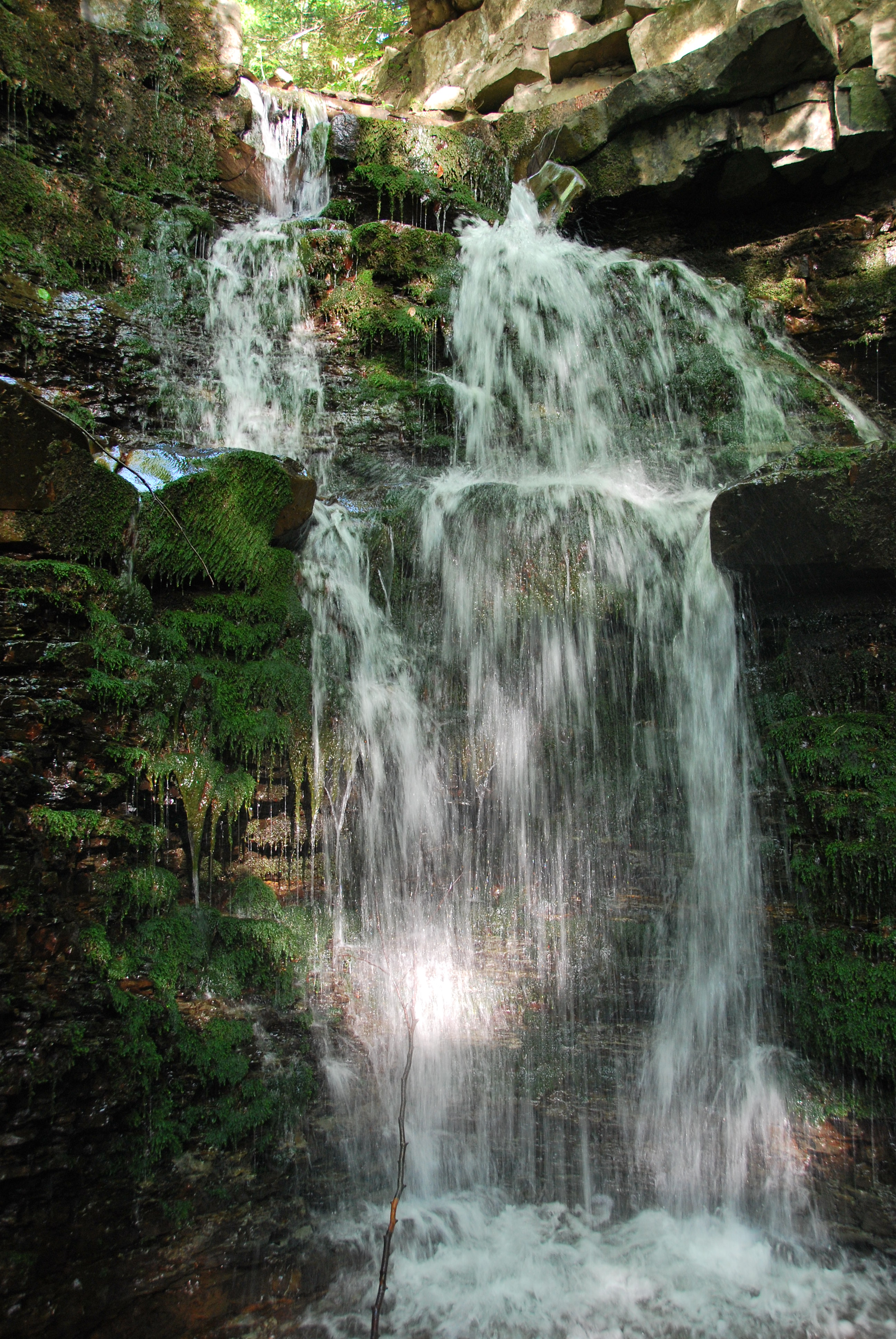
Wodospad na Mosornym Potoku (literally “Waterfall on the Mosorny Stream”) is a classic mountain waterfall. The water tumbles over a modest rock ledge, creating a gentle roar that echoes through the surrounding beech and fir forest. With a height of 8 m, the cascade is not massive, but its charm lies in the intimacy of the setting – a secluded pool at the base invites visitors to dip their feet or simply sit on a smooth stone and listen to the water’s rhythm.
History & Significance
While the waterfall does not have a documented historical legend, it has long been a favorite spot for locals from the nearby village of Zawoja. The name “Mosorny” derives from the old Polish word mosorny, meaning “wet” or “moist,” a fitting description for a stream that has carved its way through the limestone terrain for centuries.
The waterfall is listed on the Polish Wikipedia page for local natural monuments, underscoring its value as a protected natural site within the Lesser Poland region. Its relatively untouched condition makes it an important habitat for amphibians, insects, and small mammals that thrive in clean, flowing water ecosystems.
How to Get There
By Air & Train
- Fly into Kraków – John Paul II International Airport (KRK). From the airport, rent a car or catch a regional bus to the town of Zawoja (approximately 70 km, 1.5 h drive).
- Take a train to Sucha Beskidzka. From there, local buses (line 33 or 34) run to Zawoja several times daily.
By Car
- From Kraków: Follow the DK 75 road south toward Sucha Beskidzka, then turn onto DW 964 heading to Zawoja. Parking is available at the Zawoja Center or at the trailhead near the Mosorny Potok parking area (look for signs “Wodospad na Mosornym Potoku”).
- From Zakopane: Take DK 7 north to Sucha Beskidzka, then follow the same route as above.
On Foot – The Trail
The waterfall is reachable via a well‑marked blue‑marked hiking trail that starts at the Mosorny Potok trailhead (approximately 2 km from Zawoja’s center). The walk is gentle, with an elevation gain of less than 150 m, making it suitable for families and casual walkers.
- Trail length: ~2 km (round‑trip)
- Estimated time: 45 minutes to 1 hour, depending on pace and photo stops.
Tip: Bring a small map or use a GPS app with the coordinates 49.632073, 19.564002 to ensure you stay on track.
Best Time to Visit
| Season | Conditions | Why Visit |
|---|---|---|
| Spring (April‑June) | Snow melt swells the stream; surrounding flora bursts into color. | The waterfall is at its most powerful, and the forest is alive with blossoms and birdsong. |
| Summer (July‑August) | Warm days, occasional thunderstorms. | Ideal for a cool dip in the pool; longer daylight hours allow for extended hikes. |
| Autumn (September‑October) | Leaves turn golden‑red; water flow moderates. | Photographers love the contrast of amber foliage against the white water. |
| Winter (November‑March) | Possible ice formation; trail may be slippery. | For adventurous souls, a frozen cascade offers a dramatic, albeit more challenging, experience. |
Overall recommendation: Late spring to early autumn (May‑September) provides the most reliable access and the most picturesque scenery.
What to Expect
Arriving at Wodospad na Mosornym Potoku, you’ll first notice the fresh, pine‑scented air. The trail opens onto a small clearing where the sound of rushing water grows louder. As you approach, the cascade reveals itself: a thin veil of water plunging over smooth stone, splashing into a clear, turquoise pool framed by moss‑covered boulders.
- Photography: The best light is early morning or late afternoon when the sun filters through the canopy, casting soft shadows. A wide‑angle lens captures the surrounding forest, while a macro lens can highlight the delicate spray droplets.
- Soundscape: The waterfall’s gentle roar creates a natural white‑noise backdrop, perfect for meditation or a quiet picnic.
- Wildlife: Keep an eye out for dragonflies skimming the surface, and you may spot a shy European otter or common frog near the water’s edge.
The area is not heavily commercialized – there are no souvenir stalls or cafés directly at the site, preserving its tranquil atmosphere. However, a few benches have been installed near the pool for resting.
Nearby Attractions
While the waterfall itself makes for a satisfying half‑day outing, the Zawoja region offers several complementary natural sites within walking distance:
- Mosorczyk Waterfall – just 0.1 km away, this tiny cascade is a quick stop for those who want to compare water flows.
- Mosorny Groń Waterfall – 1.1 km from Mosorny Potok, a slightly higher fall that rewards a short uphill hike.
- [Unnamed Spring] – located 2.6 km away, a pristine mountain spring ideal for a fresh drink (ensure you follow local guidelines).
- [Unnamed Spring] – 5.9 km distant, nestled in a quiet meadow, perfect for a picnic.
- [Unnamed Spring] – 6.3 km away, surrounded by ancient oak trees, offering a shaded rest spot for trekkers.
(If you prefer detailed information on each site, check the local Zawoja tourism portal or the “Lesser Poland Waterfalls” guide on Wikipedia.)
Travel Tips
| Tip | Details |
|---|---|
| Footwear | Wear sturdy, waterproof hiking boots with good grip; the trail can be slippery after rain. |
| Clothing | Layered clothing works best – a breathable base, a warm mid‑layer, and a waterproof jacket. |
| Timing | Arrive early (before 10 am) during peak summer months to avoid crowds and enjoy cooler temperatures. |
| Safety | The pool is shallow near the edges but deeper toward the centre. Children should be supervised at all times. |
| Leave No Trace | Carry a small trash bag; the area has no waste bins. Preserve the natural beauty for future visitors. |
| Photography Gear | A tripod is useful for low‑light shots in autumn; a polarizing filter can reduce glare on the water surface. |
| Local Food | After your hike, stop in Zawoja’s village square for traditional oscypek (smoked cheese) and a warm żurek soup. |
| Currency | Poland uses the złoty (PLN); most small shops accept cards, but keep some cash for rural vendors. |
| Language | Polish is the official language; basic English is understood in tourist areas, but a few Polish phrases (e.g., “Dzień dobry” – hello) go a long way. |
| Emergency | Dial 112 for emergency services; the nearest medical point is in Zawoja (approx. 2 km away). |
Final Thought
Wodospad na Mosornym Potoku may not boast the height of the world’s great waterfalls, but its serene setting, easy accessibility, and proximity to other natural gems make it a standout destination for anyone exploring Lesser Poland’s verdant highlands. Pack your hiking boots, bring a camera, and let the gentle cascade of Mosorny Potok add a splash of wonder to your Polish adventure.
Happy travels, and may the sound of the waterfall guide you to new discoveries!
