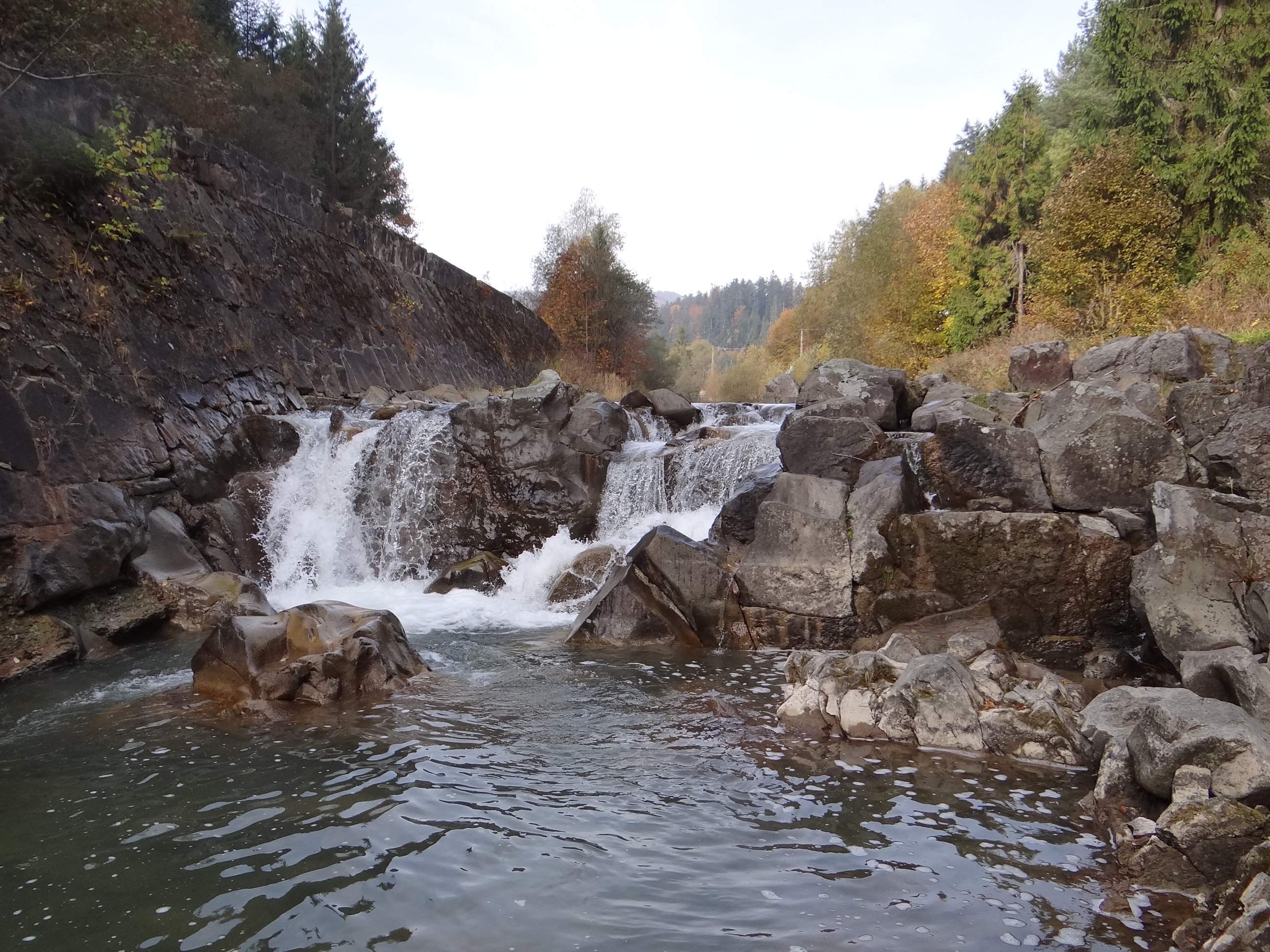
Spad Waterfall – A Hidden Gem in Lesser Poland’s Rugged Landscape
Discover the charm of Spad, a modest yet mesmerizing 2.2‑meter waterfall tucked away near Lubomierz, in the heart of Lesser Poland Voivodeship.
Introduction
If you’ve ever trekked the rolling hills of southern Poland, you know the region is peppered with dramatic cliffs, crystal‑clear streams, and the occasional waterfall that feels like a secret shared only with the locals. One such secret is Spad Waterfall (Polish: Wodospad Spad). Though modest in height—just 2.2 meters—Spad makes a lasting impression thanks to its pristine setting, soothing roar, and the sense of discovery that comes with finding a natural wonder off the beaten path. Whether you’re a seasoned hiker, a photography enthusiast, or simply a traveler craving a quiet spot to unwind, Spad offers a perfect slice of Polish nature that’s easy to miss but impossible to forget.
About Spad
Spad is a small cascade located near the village of Lubomierz in the Lesser Poland Voivodeship (Polish: Małopolskie). Its exact altitude isn’t documented, but the waterfall sits at the coordinates 49.625859 N, 20.271210 E, placing it within a lush, forested valley that feeds the local watershed.
The name “Spad” simply means “fall” in Polish, reflecting the straightforward, unpretentious character of the site. While there is no extensive historical record of the waterfall, it has long been a part of the local landscape, serving as a quiet gathering point for villagers and a natural landmark for hikers traversing the surrounding hills. Its modest size makes it an ideal spot for families with children, photographers looking for gentle water motion, and anyone who enjoys the calming sound of water over stone.
Spad’s significance lies less in grand statistics and more in its role as a representative example of Lesser Poland’s hidden water features. The region is renowned for larger waterfalls such as the spectacular Wielka Siklawa in the Pieniny, but smaller cascades like Spad showcase the diversity of the area’s hydro‑geology and provide accessible nature experiences without the crowds.
How to Get There
By Car
- Start from Kraków – the regional capital of Lesser Poland Voivodeship.
- Take DK94 east toward Nowy Sącz and follow signs for Lubomierz (approximately 120 km, 2‑hour drive).
- Once you reach Lubomierz, turn onto the local road DW450 heading north. After about 3 km, look for a small, unmarked parking area near a forest trailhead.
Tip: The parking spot is modest; arrive early during peak weekend months (July–August) to secure a space.
By Public Transport
- Train: Regional trains from Kraków to Nowy Sącz or Gorlice run regularly. From the nearest station (often Nowy Sącz), take a local bus (line 712) toward Lubomierz.
- Bus: Direct intercity buses from Kraków to Lubomierz are limited; check the PKS schedule in advance.
Once in Lubomierz, you’ll need to walk about 1 km along a marked forest trail (signs read “Ścieżka przyrodnicza – Spad”). The trail is well‑maintained, with occasional wooden steps and informational boards about the local flora.
By Bicycle
The area is popular with mountain bikers. The DK94 corridor offers a scenic, low‑traffic route to Lubomierz, after which a single‑track gravel path leads directly to the waterfall. Bring a spare inner tube—Polish forest roads can be rocky.
Best Time to Visit
| Season | Conditions | Why Visit |
|---|---|---|
| Spring (April–May) | Snowmelt raises water flow; surrounding meadows burst into bloom. | The waterfall looks fuller, and the air is fresh with wildflowers. |
| Summer (June–August) | Warm temperatures, longer daylight. | Ideal for picnics and swimming in the shallow pool at the base (caution advised). |
| Autumn (September–October) | Leaves turn golden, water level steadies. | Photographers love the contrast of amber foliage against the dark water. |
| Winter (December–February) | Water may freeze partially; the area is quieter. | For adventurous souls, a frosty cascade offers a magical, serene atmosphere. |
Overall recommendation: Late spring to early autumn provides the most reliable water flow and comfortable hiking conditions.
What to Expect
Arriving at Spad, you’ll first notice the gentle murmur of water threading through a narrow, moss‑covered gorge. The cascade drops 2.2 meters over a slab of smooth stone, creating a modest spray that catches the sunlight in a delicate mist. Below the fall, a shallow pool forms—perfect for a quick foot‑dip on a warm day.
The surrounding forest is a mix of beech, oak, and pine, offering a canopy that filters light into dappled patches. In spring, you may hear the chorus of frogs and the occasional buzz of bees pollinating nearby wildflowers. Birdwatchers can spot great tits, nuthatches, and occasionally a golden eagle soaring overhead.
Because the waterfall is not heavily commercialized, you’ll find no built‑in facilities (no cafés or souvenir stalls). This lack of development is part of its charm: you can enjoy a quiet picnic on a flat rock, read a book while listening to the water, or simply sit in contemplation.
Nearby Attractions
Spad sits within a network of natural points of interest that can easily be combined into a half‑day or full‑day itinerary. While many of these spots are unnamed in mainstream guides, they are beloved by locals and hikers. Below is a quick rundown of the most accessible ones (distances measured from the waterfall):
| Attraction | Type | Distance | How to Reach |
|---|---|---|---|
| Spring #1 | Natural spring | 1.5 km | Continue north on the forest trail; the spring emerges beside a meadow. |
| Waterfall #1 | Small cascade | 2.0 km | Follow the marked path eastward; a short climb leads to a second waterfall. |
| Spring #2 | Mineral spring | 2.0 km | Turn left at the fork near Waterfall #1; a stone marker indicates the spring. |
| Waterfall #2 | Larger cascade (≈4 m) | 2.9 km | A well‑trodden track heads south toward the valley floor, ending at this more dramatic fall. |
| Spring #3 | Forest spring | 2.9 km | Accessible via a side‑trail from Waterfall #2; perfect for a quick refill of water bottles. |
All the above sites are reachable on foot within 30‑45 minutes each, making them perfect for a nature loop that starts and ends at Spad.
Travel Tips
- Footwear: Wear sturdy, waterproof hiking shoes. The trail can be slippery near the cascade, especially after rain.
- Weather Check: The region can experience sudden showers. Pack a lightweight rain jacket and a waterproof cover for your camera gear.
- Leave No Trace: There are no trash bins near the waterfall. Carry a small bag to pack out any litter and respect the natural environment.
- Safety: The pool at the base is shallow but can have hidden rocks. Supervise children closely and avoid diving.
- Timing: Arrive early in the morning (especially in summer) to enjoy the waterfall in soft light and avoid the occasional weekend crowd of local families.
- Photography: The best light for photos is early morning or late afternoon when the sun hits the water at a low angle, creating a subtle rainbow in the mist.
- Refreshments: There are no vending machines or cafés on site. Bring water, snacks, and perhaps a packed lunch to enjoy on a nearby rock.
- Connectivity: Mobile signal can be patchy. Download offline maps (e.g., Google Maps offline area for the coordinates 49.625859, 20.271210) before you set out.
- Cultural Respect: Lubomierz is a small, traditional village. Greet locals politely, especially if you cross private land or farms.
Final Thoughts
Spad Waterfall may not boast the towering heights of Poland’s most famous cascades, but its intimate charm, easy accessibility, and surrounding natural treasures make it a must‑visit for anyone traveling through Lesser Poland Voivodeship. Pair it with nearby springs and other modest waterfalls for a day of gentle adventure, or simply pause at Spad to let the soothing sound of water reset your travel rhythm.
Pack your boots, bring a sense of curiosity, and let the quiet beauty of Spad remind you that sometimes the smallest waterfalls create the biggest memories.
Keywords: Spad waterfall, Lesser Poland Voivodeship, Lubomierz waterfall, Poland hidden waterfalls, travel to Spad, Polish nature hikes, waterfalls near Lubomierz, natural attractions Lesser Poland.