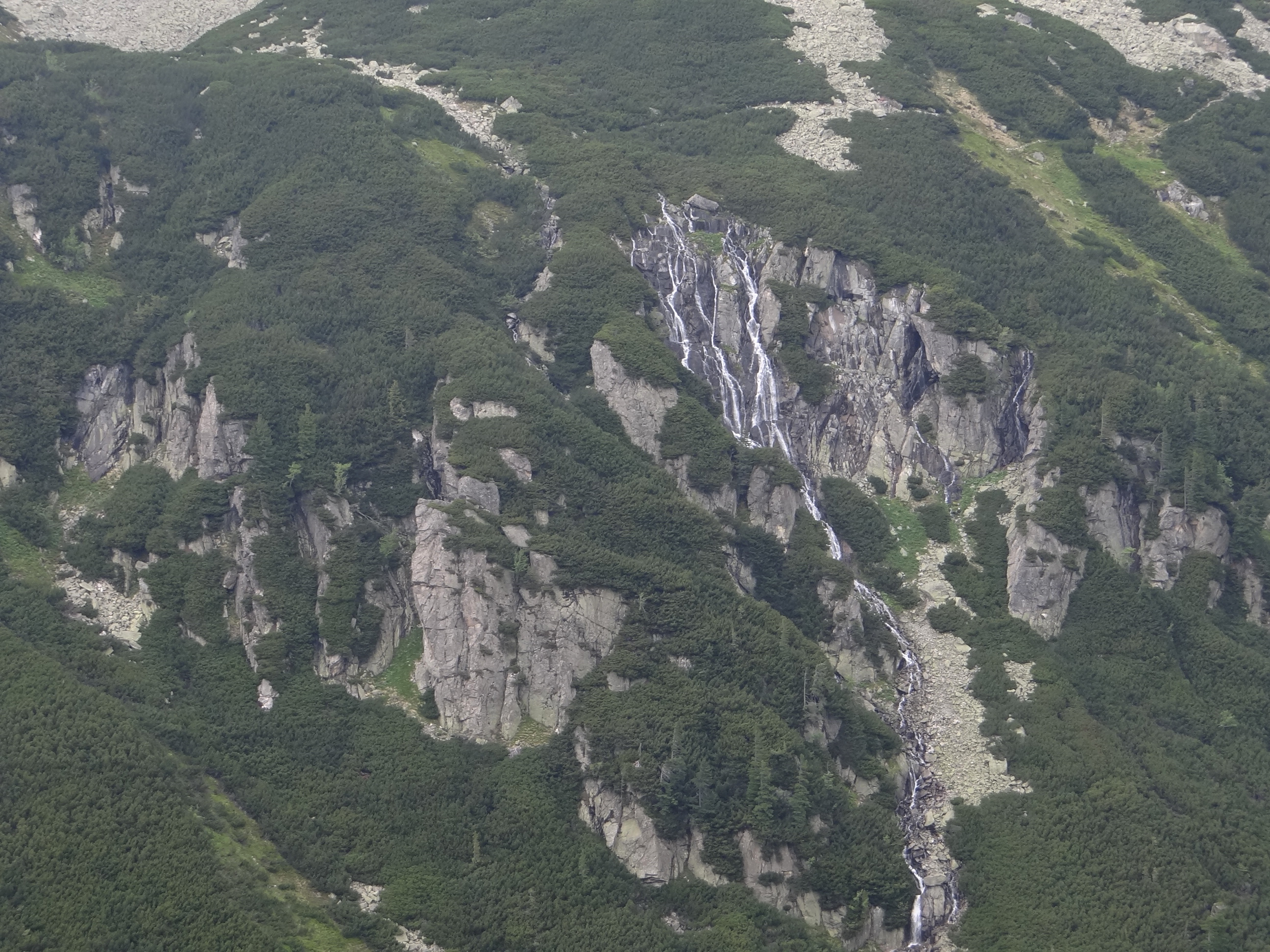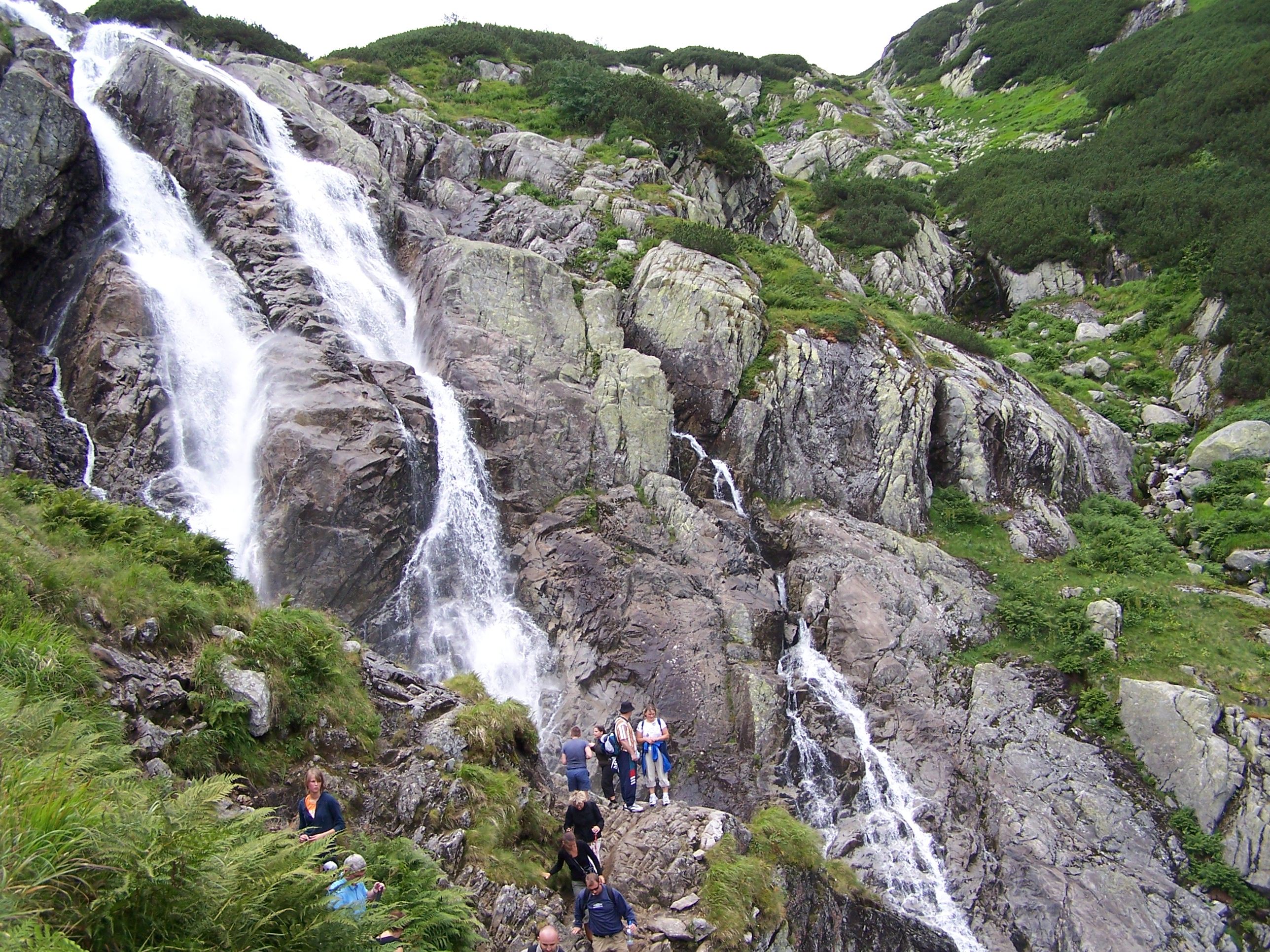
Siklawa Waterfall – Poland’s Majestic 70‑Metre Cascade in the Heart of the Tatras
Discover the power, beauty, and adventure of Siklawa, the tallest waterfall in Poland, nestled near Zakopane in Lesser Poland Voivodeship.
Introduction
Imagine standing at the foot of a 70‑metre curtain of water, the roar echoing through the pine‑scented valleys of the High Tatras. The mist kisses your face, rainbows arc across the spray, and the sheer force of nature leaves you breathless. This is Siklawa Waterfall, the largest waterfall in Poland, and one of the most photographed natural landmarks in the country. Whether you’re a seasoned trekker, a photography enthusiast, or simply a traveler seeking unforgettable scenery, Siklawa promises an experience that lingers long after you’ve left the trail.
About Siklawa
Siklawa (pronounced “see‑klah‑vah”) sits at the coordinates 49.214156 N, 20.043961 E, just a stone’s throw from the bustling resort town of Zakopane. The cascade plunges 70 metres (about 230 feet) down the steep limestone cliffs of the Tatra Mountains, making it the highest waterfall in the entire nation.
The name “Siklawa” is rooted in the local Goral dialect, referring to a rapid, torrent‑like stream. Historically, the waterfall has been a natural landmark for shepherds, woodcutters, and early tourists who trekked the Tatras in the 19th century. Its dramatic drop and pristine surroundings earned it a place in Polish folklore and later in the national park’s conservation plans.
Today, Siklawa is protected within Tatra National Park, a UNESCO‑designated biosphere reserve. Its crystal‑clear waters feed the Morskie Oko lake system downstream, sustaining a delicate alpine ecosystem that includes rare flora, endemic insects, and the iconic Tatra chamois.
How to Get There
From Zakopane
- Start in Zakopane – The most convenient base for a Siklawa excursion. Zakopane is well‑connected by train (PKP) from Kraków (≈2 h) and by bus from major Polish cities.
- Head to the trailhead – Follow the signs to Morskie Oko (the “Sea Eye” lake). The road to the parking area is paved and free of tolls. Parking fills up quickly in summer, so arrive early (7 am–8 am).
- Walk to Siklawa – From the Morskie Oko parking lot, a well‑marked trail leads to the waterfall. The hike is about 2 km (1.2 mi) round‑trip and takes roughly 45 minutes each way. The path is mostly gravel with occasional stone steps, suitable for moderate hikers.
By Car
If you prefer to drive, take the DK47 road from Zakopane toward Czarny Staw. Turn left onto the local road marked “Morskie Oko” and follow the signs to the parking lot. Parking is limited; a small fee may apply during peak season.
Public Transport
During the high‑season (June–September), a local shuttle bus runs from Zakopane’s main bus station to the Morskie Oko trailhead. Check the latest schedule on the Zakopane Transport Authority website before you travel.
Best Time to Visit
| Season | Water Flow | Trail Conditions | Visitor Experience |
|---|---|---|---|
| Spring (April‑May) | Growing – snowmelt boosts flow | Muddy sections, possible icy patches | Quiet, lush vegetation |
| Summer (June‑August) | Peak volume, spectacular spray | Fully cleared trails, occasional crowds | Best for photography & families |
| Autumn (September‑October) | Still strong, but tapering | Dry leaves, cooler temps | Golden light, fewer tourists |
| Winter (November‑March) | Reduced flow, sometimes frozen | Snow‑covered paths, may require crampons | Rare, for experienced winter trekkers only |
Peak season is July and August, when the waterfall is at its fullest and the surrounding alpine meadows burst with color. If you prefer a quieter hike, aim for early June or late September.
What to Expect
The Senses
- Sight – A towering, white veil of water drops from a sheer cliff, framed by rugged peaks and dense pine forests. In bright sunlight, the mist creates vivid rainbows that dance across the valley floor.
- Sound – The thunderous roar of 70 metres of water is audible from the trailhead, intensifying as you approach the base. The sound masks city noise, offering a natural soundtrack of power and serenity.
- Touch – The fine spray can coat your skin and lenses; a quick wipe reveals crisp, clear views. The ground near the plunge pool is slick, so sturdy shoes with good grip are essential.
The Hike
The trail to Siklawa is part of the classic Morskie Oko loop. After a gentle ascent through larch and spruce woods, you cross a wooden bridge over a babbling stream. The final 200 metres climb is steep, with stone steps leading you directly to the waterfall’s viewing platform. From there, you can descend to the Buczynowa Siklawa cascade (≈0.7 km away) or continue toward Wielka Siklawa, another impressive drop just a short walk further.
Nearby Attractions
While Siklawa is the star, the surrounding area offers several other natural gems that can easily be combined into a full‑day adventure:
- Wielka Siklawa – Another powerful waterfall just a few minutes’ walk from the main cascade. Its name means “Great Siklawa,” and it provides a different angle for photos.
- Buczynowa Siklawa – Located 0.7 km away, this smaller fall is nestled in a quiet, moss‑covered gorge—perfect for a tranquil pause.
- Morskie Oko Lake – The iconic glacial lake at the base of the Tatras, known for its mirror‑like surface and dramatic mountain backdrop.
- Tatra National Park Visitor Centre – Learn about the park’s flora, fauna, and conservation efforts before or after your hike.
- Zakopane Town Center – After a day on the trails, unwind in the “Winter Capital of Poland,” sampling regional dishes like oscypek cheese and strolling along Krupówki Street.
For more details on each spot, you can explore the official park website or consult local guidebooks.
Travel Tips
- Start Early – Parking at Morskie Oko fills up quickly in summer. Arriving before 8 am guarantees a spot and lets you beat the crowds at the waterfall.
- Dress in Layers – Weather in the Tatras changes fast. Bring a waterproof jacket, warm mid‑layer, and breathable base layer.
- Footwear Matters – Sturdy hiking boots with good ankle support and a rubber sole are a must; the trail can be slippery near the plunge pool.
- Stay Hydrated & Pack Snacks – There are no food vendors on the trail. Carry water, energy bars, and a light lunch.
- Respect the Environment – Stick to marked paths, take all litter back with you, and avoid disturbing wildlife. The area is a protected zone within Tatra National Park.
- Photography Tips – The best light is early morning or late afternoon when the sun is low. Use a polarizing filter to reduce glare on the water and capture vivid rainbows.
- Safety First – In winter, the waterfall can be icy and the trail hazardous. Only attempt the hike with proper winter gear (crampons, trekking poles) and consider hiring a local guide.
Wrap‑Up
Siklawa isn’t just a waterfall; it’s a living postcard of Poland’s rugged beauty, a testament to the power of the Tatras, and a must‑see for anyone traveling through Lesser Poland Voivodeship. With a relatively easy hike from Zakopane, spectacular year‑round scenery, and a cluster of nearby attractions, a day at Siklawa can become the highlight of your Polish itinerary.
Pack your boots, charge your camera, and set out for the roar of Poland’s tallest cascade—Siklawa awaits.
Keywords: Siklawa waterfall, highest waterfall in Poland, Zakopane attractions, Tatra Mountains hiking, Lesser Poland travel, Morskie Oko trail, Poland nature tourism, summer in the Tatras, waterfall photography Poland
References
- Siklawa – Wikipedia (Polish)
- Tatra National Park official website
- Zakopane public transport schedules