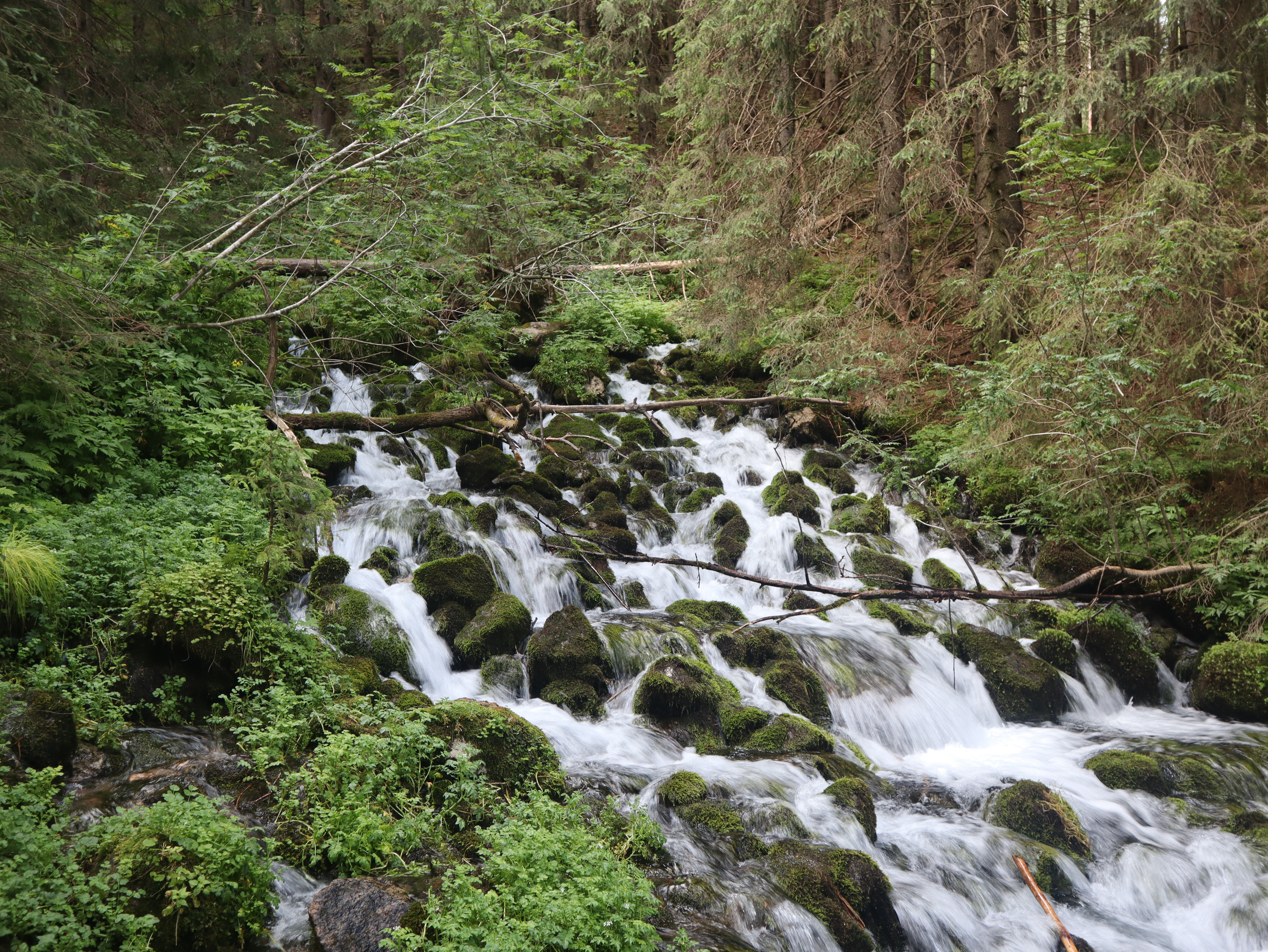
Kasprowe Wywierzysko – A Hidden Mountain Spring in Zakopane, Poland
Discover the crystal‑clear waters of Kasprowe Wywierzysko, a secluded spring perched high in the Tatra foothills of Lesser Poland. Whether you’re a seasoned trekker or a curious traveler looking for off‑the‑beaten‑path nature, this alpine gem offers a refreshing pause amid breathtaking scenery.
Introduction
Imagine stepping out of the forest onto a rocky ledge at 1 388 m above sea level, the air crisp and scented with pine, and hearing the gentle murmur of water bubbling from the earth itself. That’s the moment you experience at Kasprowe Wywierzysko, a pristine spring tucked away near Zakopane in the Lesser Poland Voivodeship. While the Tatra Mountains are famed for their dramatic peaks and iconic trails, this modest spring remains a secret haven for those who venture beyond the crowded routes. In this guide, we’ll explore everything you need to know to make the most of a visit to Kasprowe Wywierzysko—from getting there and the best time to go, to nearby attractions and practical travel tips.
About Kasprowe Wywierzysko
What Is It?
Kasprowe Wywierzysko (Polish for “Kasprowy Spring”) is a natural spring that emerges from the limestone and granite formations characteristic of the Tatra foothills. Its coordinates are 49.247409 N, 19.986916 E, placing it just a short distance north‑east of Zakopane, the summer capital of the Polish highlands. The spring sits at an altitude of 1 388 m (4 555 ft) above sea level, offering panoramic views of surrounding peaks and valleys.
Historical and Cultural Significance
While detailed historical records of Kasprowe Wywierzysko are scarce, mountain springs in the Tatra region have long been valued by local shepherds, mountaineers, and travelers for their pure water and symbolic connection to the landscape. In traditional folklore, springs are often regarded as “living stones,” believed to possess healing properties and to be guardians of the mountain’s spirit. The name “Kasprowe” links the spring to the nearby Kasprowy Wierch, one of the most recognizable summits in the area, suggesting that the spring may have served as a natural water source for early ascents of the peak.
Why It Matters for Travelers
For modern hikers, Kasprowe Wywierzysko offers more than just a place to refill a water bottle. The spring’s location provides a natural resting point on several trekking routes, and its crystal‑clear flow creates a serene atmosphere ideal for photography, meditation, or simply soaking in the alpine ambiance. Because it is relatively unknown compared to the bustling Kasprowy Wierch cable car, visitors can enjoy a quieter, more intimate encounter with the Tatra wilderness.
How to Get There
Starting Point: Zakopanie
Zakopane is well‑connected by train, bus, and road to major Polish cities such as Kraków (≈ 110 km) and Warsaw (≈ 400 km). Most travelers base themselves in Zakopane’s town center, where a range of accommodations—from budget hostels to luxury chalets—are available.
Getting to the Trailhead
- Public Transport – Take a local bus (e.g., line 44 or 45) from Zakopane’s main bus station toward the Kasprowy Wierch area. Ask the driver to drop you off at the “Kasprowy Wierch – Parking” stop, which serves as a common trailhead for several mountain paths.
- Car or Rental – If you have a car, drive north along Droga do Kasprowego (road to Kasprowy). Parking is limited near the base of the ski lifts, so arrive early, especially in summer.
- Guided Tours – Several local operators offer half‑day hikes that include Kasprowe Wywierzysko as a highlight. Booking a guide can be useful if you’re unfamiliar with mountain navigation.
The Hike
From the trailhead, follow the marked red‑colored Tatra trail “Szlak czerwony” heading toward Kasprowy Wierch. After approximately 1.2 km of moderate uphill walking (average gradient 10 %), you’ll reach a fork where a side trail veers left toward the spring. The final 300 m stretch is a gentle ascent over rocky terrain, leading directly to the spring’s emergence point. The total round‑trip distance is roughly 3 km, and most hikers complete it in 1.5–2 hours, depending on pace and weather.
Essential Gear: sturdy hiking boots, layered clothing, rain jacket, map or GPS (the coordinates above), and a reusable water bottle (you can refill at the spring).
Best Time to Visit
| Season | Conditions | Why Visit |
|---|---|---|
| Late Spring (May–June) | Snow melt raises water flow; trails are fresh and less crowded. | Ideal for vibrant alpine flora and crisp, clear water. |
| Summer (July–August) | Warm days, stable weather, fully open trails. | Perfect for longer hikes, photography, and enjoying the surrounding meadows. |
| Early Autumn (September–October) | Cooler temperatures, golden foliage, fewer tourists. | Offers spectacular color contrasts and a peaceful atmosphere. |
| Winter (December–March) | Snow-covered paths; the spring may be frozen or inaccessible without proper equipment. | Only for experienced winter trekkers with crampons and ice axes. |
Recommendation: For most travelers, late May through early October provides the safest and most enjoyable conditions. Check the Tatra National Park website for any trail closures or weather alerts before you set out.
What to Expect
The Spring Itself
Kasprowe Wywierzysko bubbles out of a small fissure in the rock, forming a clear, cool pool that reflects the surrounding peaks. The water temperature stays near 5–7 °C year‑round, offering a refreshing sip after a climb. The spring’s flow is steady but modest; you’ll hear a gentle, soothing gurgle rather than a thunderous cascade.
Scenery
From the spring, you can see the Kasprowy Wierch ridge to the south and the rolling valleys of the Gubałówka range to the north. On clear days, the view extends to the iconic Morskie Oko lake and the distant Rysy peak, Poland’s highest point. The area is dotted with alpine grasses, low‑lying shrubs, and occasional patches of wildflowers such as edelweiss and mountain thyme.
Wildlife
The Tatra foothills are home to marmots, chamois, and occasional sightings of the elusive Tatra ibex. Keep an eye out for birds of prey—especially the golden eagle—circling the higher cliffs. Remember to keep a respectful distance and avoid feeding wildlife.
Atmosphere
Because the spring is off the main tourist routes, you’ll often find only a few fellow hikers nearby. The sound of water, combined with the rustle of pine needles, creates a tranquil setting perfect for a short meditation, a quick snack, or a photo session. The natural pool is not suitable for swimming, but you can dip your fingers in the icy water for a quick, invigorating sensation.
Nearby Attractions
While exploring Kasprowe Wywierzysko, you can easily add a few more natural wonders to your itinerary. All are within a 1.5 km radius, making them perfect for a day of varied alpine experiences.
| Attraction | Type | Distance | Highlights |
|---|---|---|---|
| Unnamed Spring | Spring | 0.7 km | A small, crystal‑clear spring that offers another peaceful water stop. |
| Second Unnamed Spring | Spring | 0.8 km | Slightly lower elevation; great for comparing water flow and mineral taste. |
| Goryczkowe Wywierzysko | Spring | 1.3 km | Known locally for its slightly stronger current and surrounding mossy rocks. |
| Nearby Waterfall | Waterfall | 1.3 km | A modest cascade that adds a splash of sound and mist to the hike. |
| Third Unnamed Spring | Spring | 1.5 km | Ideal for a final refill before descending back to Zakopane. |
Tip: Use a GPS app to log each waypoint; many hikers enjoy creating a “spring trail” map to share with the community.
Travel Tips
- Start Early – Arriving before 9 am helps you avoid any midday crowds and gives you ample daylight for a relaxed return.
- Check Trail Conditions – The Tatra National Park website provides real‑time updates on trail closures, especially after heavy rain or snowfall.
- Pack Light, Pack Smart – A lightweight backpack with a water filter, snacks, a map, and a small first‑aid kit is sufficient for this short trek.
- Respect the Environment – Stay on marked paths, carry out all trash, and avoid disturbing the spring’s natural flow. The Tatra region follows strict conservation rules.
- Stay Hydrated, but Use the Spring Wisely – The water is safe to drink, but limit extraction to a few liters per day to preserve the spring’s ecosystem.
- Photography – Early morning light creates a soft glow on the water; a polarizing filter can reduce glare and enhance the blue‑green hues.
- Layer Your Clothing – Weather can shift quickly at altitude; a breathable base layer, insulating mid‑layer, and waterproof outer layer are ideal.
- Local Cuisine – After your hike, treat yourself to a hearty bowl of oscypek (smoked cheese) and kwaśnica (sauerkraut soup) at one of Zakopane’s traditional “karczma” restaurants.
Final Thought
Kasprowe Wywierzysko may not appear on every travel brochure, but that’s precisely why it feels like a secret treasure waiting to be discovered. Its pure waters, stunning mountain backdrop, and tranquil ambiance encapsulate the essence of the Lesser Poland Voivodeship’s natural charm. Whether you’re ticking off a bucket‑list of Tatra springs or simply seeking a quiet spot to reconnect with nature, this hidden spring promises an unforgettable experience that will linger long after you’ve left the Polish highlands.
Pack your boots, follow the trail, and let the whisper of Kasprowe Wywierzysko guide you to a moment of alpine serenity.