Fontanna Lwów – The Hidden Fountain Gem of Poznań, Greater Poland Voivodeship
If you think you’ve seen every water feature in Poland, think again. Tucked away in the heart of Poznań’s historic district, Fontanna Lwów (pronounced “fohn‑TAHN‑nah L‑voov”) is a modest yet captivating fountain that offers a quiet pause amid the city’s bustling streets. Whether you’re a seasoned traveler, a local explorer, or a photography enthusiast, this little oasis deserves a spot on your Greater Poland itinerary.
1. Introduction
Imagine strolling through the cobbled lanes of Poznań’s Old Town, the scent of fresh‑baked rog aczki wafting from nearby bakeries, and the gentle murmur of water guiding you to a small, elegantly designed fountain. Fontanna Lwów is exactly that—a modest stone basin crowned with a graceful water jet that reflects the city’s blend of medieval charm and modern vibrancy. Though it doesn’t boast towering heights or dazzling light shows, its understated beauty and central location make it a perfect photo‑stop, a meeting point, and a moment of calm in an otherwise lively urban landscape.
2. About Fontanna Lwów
A Brief Description
- Type: Fountain ⛲
- Location: Poznań, Greater Poland Voivodeship, Poland
- Coordinates: 52.408624 N, 16.919391 E
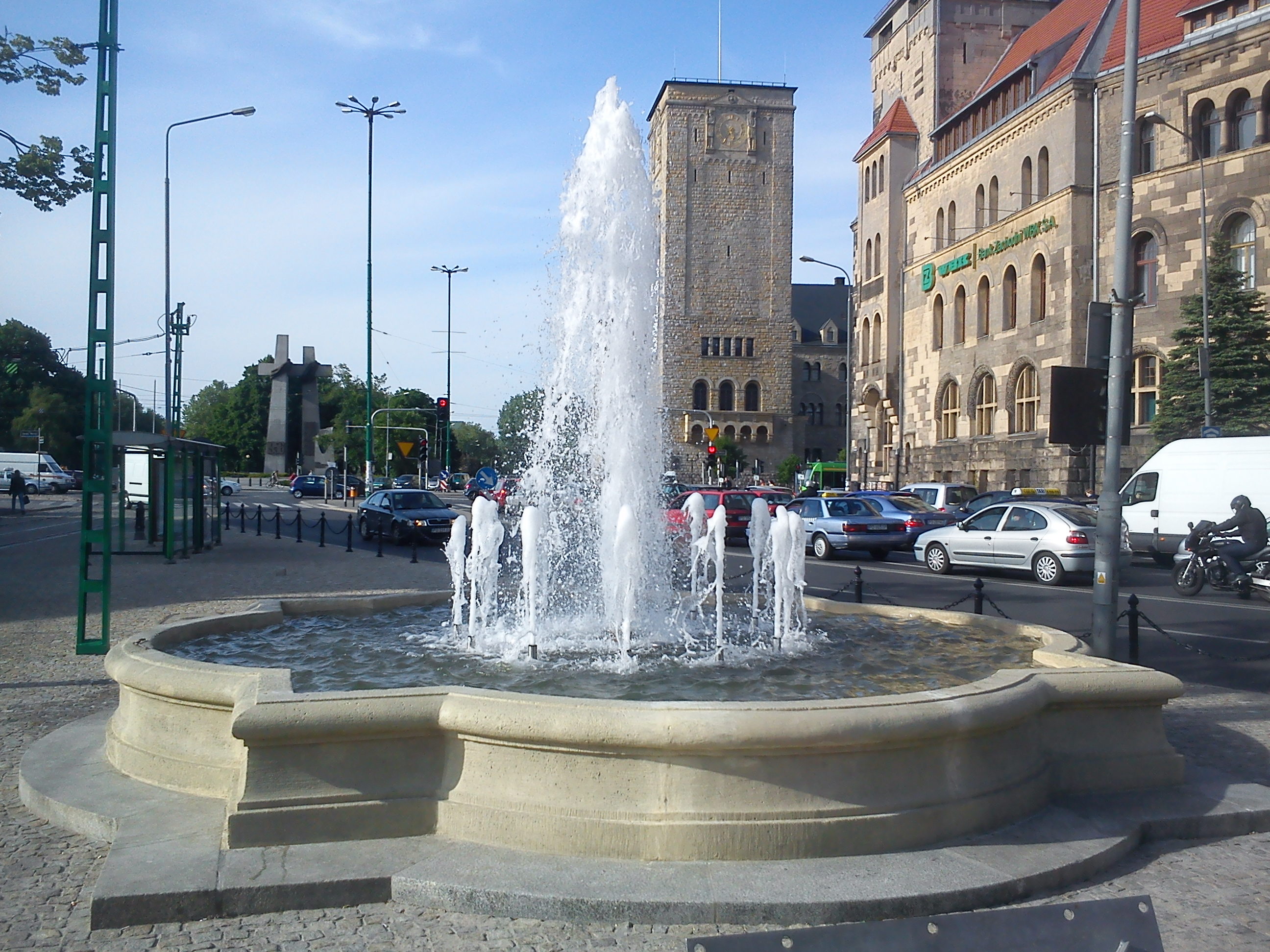
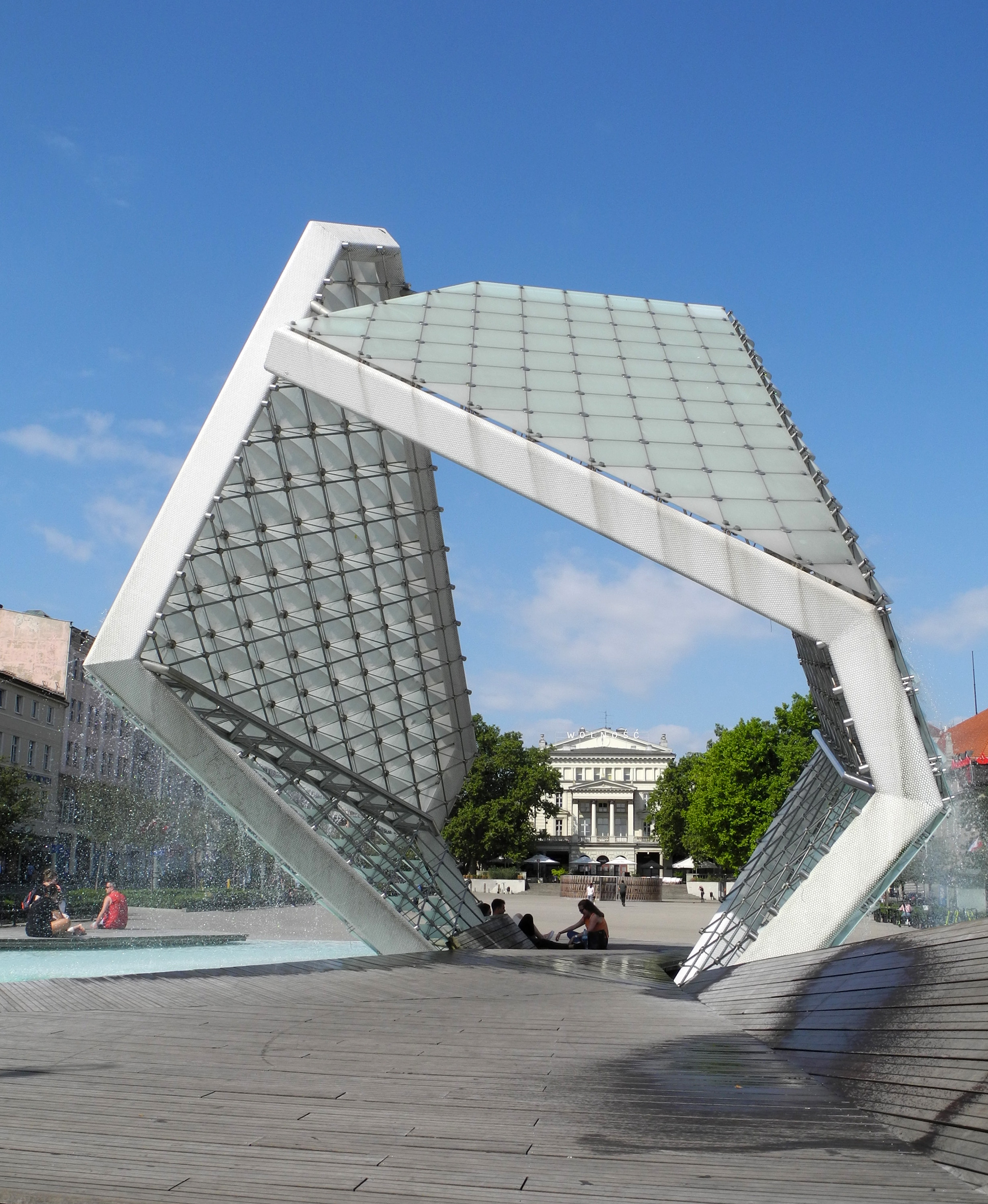
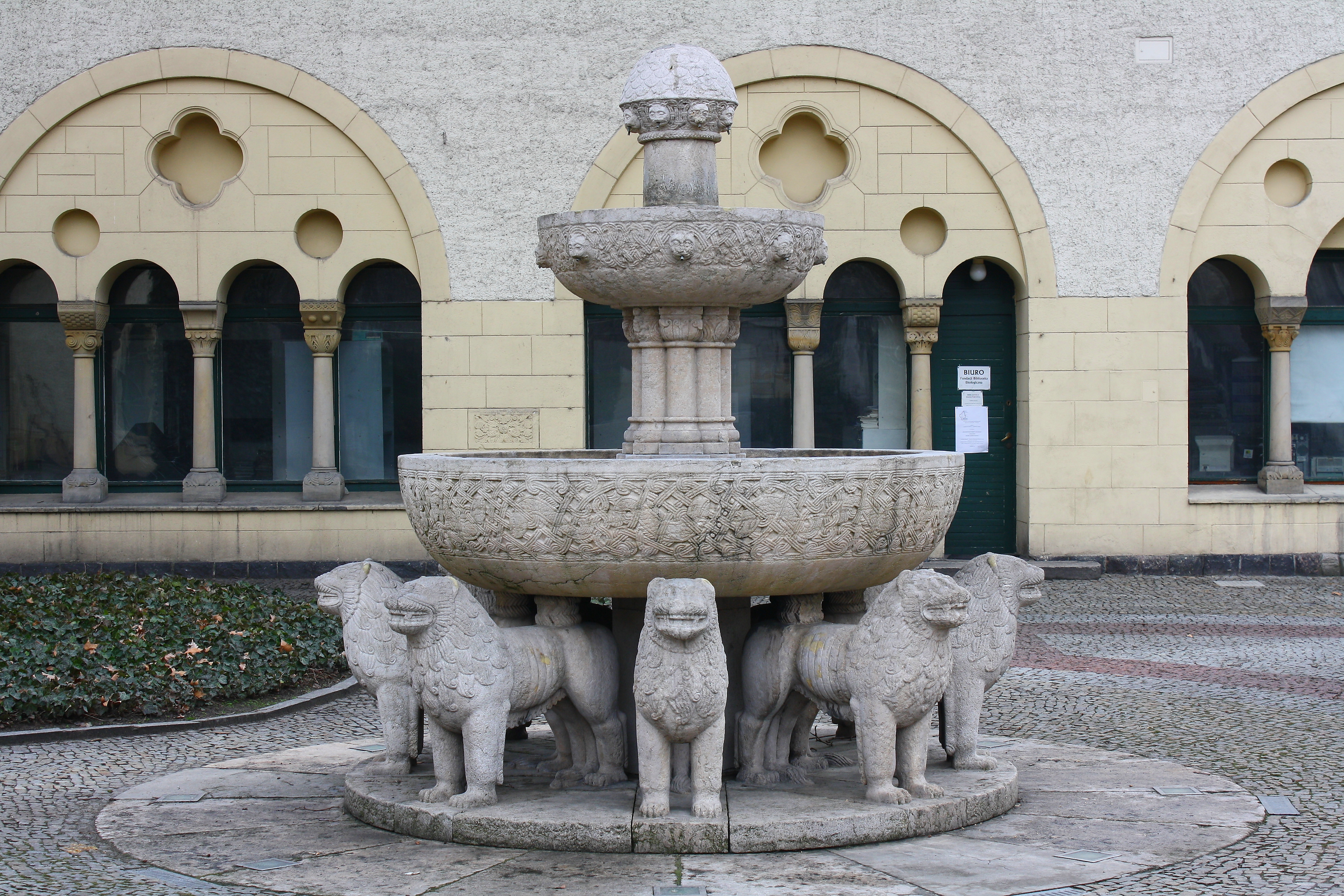
The fountain sits on a paved square surrounded by historic façades, with a simple stone basin that collects the water before it gracefully arcs back into the pool. While the exact height of the water jet is not publicly documented, the design emphasizes elegance over extravagance—an intentional nod to Poznań’s respect for its heritage.
Historical Roots
Fontanna Lwów is part of a series of public fountains installed throughout Poznań during the 20th century to provide clean drinking water and aesthetic appeal to the city’s public spaces. Its name pays homage to the historic Lwów (now Lviv, Ukraine) connection that many Polish families share, symbolizing cultural ties that transcend borders. Though the fountain itself is not a UNESCO‑listed monument, it reflects the city’s commitment to preserving communal gathering spots that have served locals for decades.
Cultural Significance
In Polish urban culture, fountains often act as informal meeting points, especially for students and tourists. Fontanna Lwów, located near several universities and cultural institutions, has become a favored spot for impromptu conversations, street performances, and quiet contemplation. Its presence reinforces Poznań’s reputation as a city that values both history and community interaction.
3. How to Get There
By Public Transport
- Tram: Lines 3, 5, and 9 stop at the Plac Wolności stop, which is just a 2‑minute walk to the fountain.
- Bus: Routes 53 and 61 also pass nearby; get off at Stary Rynek (Old Market Square) and head east toward the fountain’s coordinates.
By Car
- Parking: The nearest public car park is Parking przy Ratuszu (Rathaus Parking), located at ul. Święty Marcin – approximately 300 m from the fountain.
- Navigation: Input the coordinates 52.408624, 16.919391 into your GPS for precise guidance.
On Foot or Bike
Poznań’s city centre is highly walkable and bike‑friendly. The fountain is within a 10‑minute stroll from the main railway station (Poznań Główny) and the bustling Stary Rynek. Bike‑share stations (e.g., CityBike) are scattered throughout the area; dock a bike near the fountain and enjoy a leisurely ride along the riverfront.
4. Best Time to Visit
| Season | Why Visit? |
|---|---|
| Spring (April‑May) | Blossoming trees and mild temperatures make the surrounding parklands perfect for a relaxed visit. |
| Summer (June‑August) | Long daylight hours allow you to watch the fountain sparkle in the evening light; nearby cafés spill onto the sidewalks for a vibrant atmosphere. |
| Autumn (September‑October) | Golden foliage creates a picturesque backdrop for photography. |
| Winter (November‑March) | While the fountain may be turned off for maintenance, the surrounding historic buildings are beautifully illuminated, offering a quiet, reflective experience. |
Tip: The fountain is most photogenic during the golden hour (just after sunrise or before sunset) when the water catches the soft light.
5. What to Expect
- A Quiet Oasis: Unlike larger tourist magnets, Fontanna Lwów offers a calm setting where you can sit on nearby benches, sip a coffee, and watch locals go about their day.
- Architectural Harmony: The stonework of the fountain complements the surrounding Renaissance and Baroque façades, creating a seamless visual dialogue between water and architecture.
- Seasonal Changes: In summer, the water is active, producing a gentle mist that cools the immediate area. In colder months, the basin may be dry, but the space remains a charming gathering spot.
- Photographic Opportunities: The fountain’s symmetrical design, combined with the surrounding historic buildings, provides excellent framing for both wide‑angle city shots and intimate close‑ups.
6. Nearby Attractions
Fontanna Lwów is part of a cluster of cultural and historic sites within a short walking radius. Here are the top spots you can explore before or after your fountain visit:
| Attraction | Distance | Type |
|---|---|---|
| Fontanna Felderhoffa | 0.3 km | Fountain |
| Unnamed Fountain #1 | 0.1 km | Fountain |
| Unnamed Fountain #2 | 0.2 km | Fountain |
| Unnamed Fountain #3 | 0.2 km | Fountain |
| Unnamed Fountain #4 | 0.3 km | Fountain |
Other Must‑See Highlights (within 5‑minute walk):
- Stary Rynek (Old Market Square): The heart of Poznań, famous for its colorful merchant houses and the iconic Poznań Town Hall.
- Ratusz (Town Hall) & the Billy Goat Show: Every day at noon, mechanical goats butt heads on the clock tower—a beloved local tradition.
- Parish Church of St. Stanislaus (Kościół św. Stanisława): A stunning example of Gothic architecture with an impressive interior.
- Poznań National Museum: A short tram ride away, housing Polish art from the medieval period to contemporary works.
All of these attractions are easily reachable on foot, making Fontanna Lwów an ideal starting point for a day of cultural immersion.
7. Travel Tips
- Bring a Compact Umbrella: While the fountain itself isn’t a rain shelter, sudden showers are common in Poland, especially in spring.
- Check Seasonal Operation: The fountain may be turned off during the winter months for maintenance. Verify the water schedule on the city’s official website or at the nearby tourist information desk.
- Stay Charged: The area around the fountain offers free Wi‑Fi at several cafés; a fully charged phone ensures you can capture and share those perfect shots instantly.
- Mind the Foot Traffic: During peak tourist season, the surrounding square can become busy. Arrive early in the morning for a quieter experience.
- Combine with a Food Break: Nearby cafés serve traditional Greater Poland dishes like pyry z gzikiem (potatoes with cottage cheese) and szarlotka (apple pie). A snack with a view of the fountain is a true delight.
- Use a Local SIM or Roaming Plan: To navigate the city’s tram and bus network, having mobile data for real‑time schedules is extremely helpful.
- Respect the Space: As a public gathering point, keep noise levels moderate and dispose of any litter in the provided bins to preserve the fountain’s charm for future visitors.
Final Thoughts
Fontanna Lwów may not dominate travel guides with towering jets or dazzling light shows, but its subtle elegance, central location, and cultural resonance make it a hidden treasure for anyone exploring Poznań. Pair it with a leisurely walk through the historic Old Town, indulge in local cuisine, and you’ll experience a slice of Greater Poland that’s both authentic and unforgettable.
Ready to add Fontanna Lwów to your travel bucket list? Grab your camera, map out the tram route, and let the gentle splash of this charming fountain guide you into the heart of Poznań’s vibrant past and present.
Happy travels!