Chłopiec pod wierzbą – The Charming Fountain Hidden in Poznań’s Heart
If you think you’ve seen every corner of Poznań, think again. Nestled among the bustling streets of the city’s historic centre lies a modest yet captivating water feature that locals affectionately call Chłopiec pod wierzbą (“The Boy Under the Willow”). This little fountain may not boast towering heights or dramatic lights, but its quiet charm, central location, and the story it tells about Poznań’s love for public art make it a must‑see stop on any Greater Poland itinerary.
About Chłopiec pod wierzbą
A Brief Description
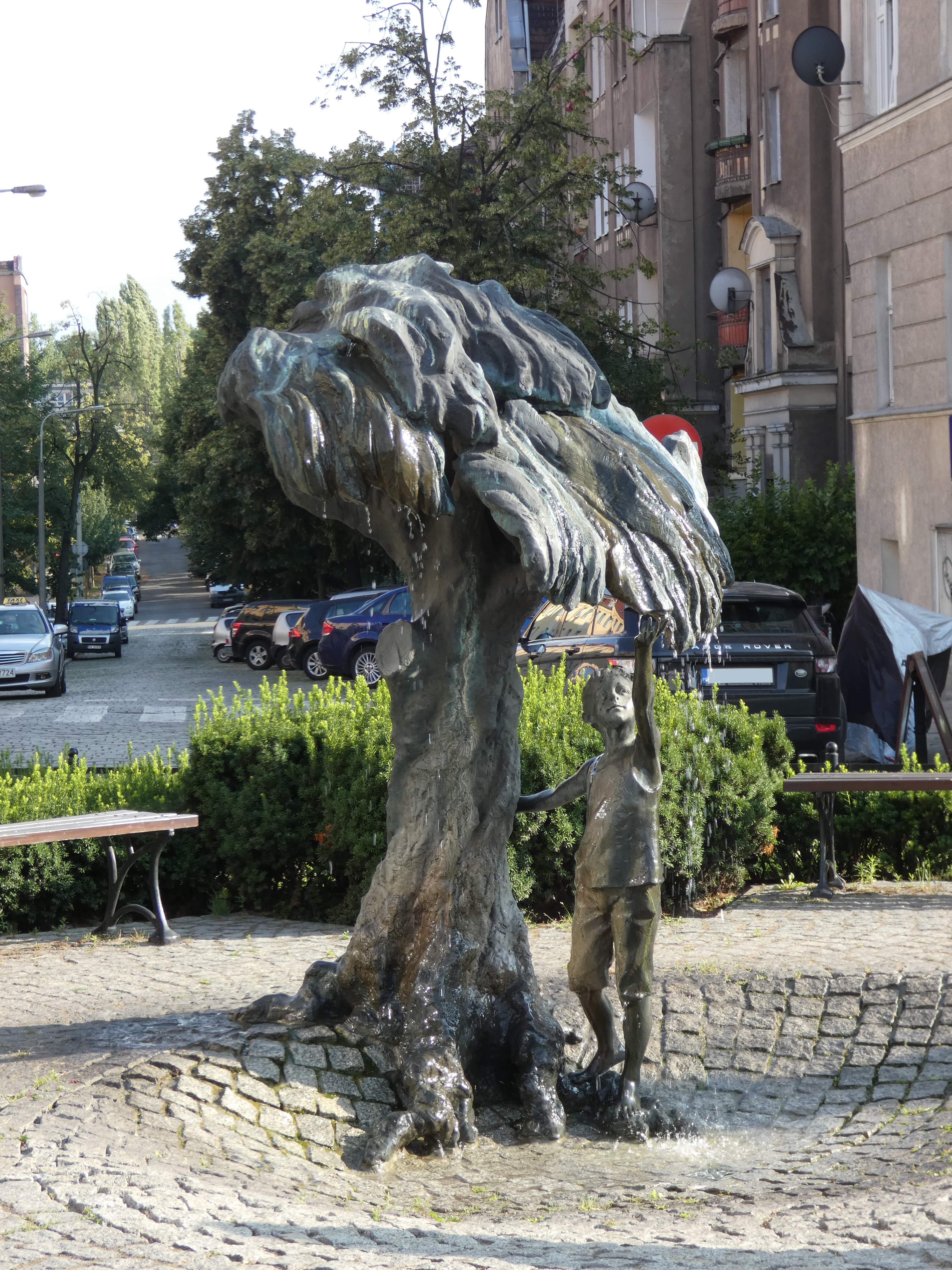
Located at 52.393156, 16.921364 on the lively Rynk Wildecki (Wildeck Market Square), the Chłopiec pod wierzbą fountain is a simple stone basin crowned by a bronze figure of a boy leaning against a stylised willow branch. Water gently cascades from the tip of the branch, creating a soothing sound that blends with the chatter of market vendors and the occasional tram bell.
While the exact height and altitude of the sculpture remain undocumented, its modest scale invites close inspection—perfect for a quick photo, a moment of contemplation, or a brief pause during a city‑walking tour.
Historical Roots
The fountain is part of Poznań’s broader tradition of embellishing public squares with water features that celebrate local folklore and artistic talent. It is linked to the Fontanna na Rynku Wildeckim w Poznaniu, a historic ensemble of fountains that have adorned the market square since the early 20th century. Over the decades, the square has undergone several renovations, but the boy‑and‑willow motif has endured, symbolising youthful optimism and the city’s connection to nature even amid urban bustle.
Cultural Significance
In Polish culture, the figure of a child often represents innocence, hope, and the future. The willow, known locally as wierzba, is a symbol of flexibility and resilience—qualities that resonate with Poznań’s own story of rebuilding after wars and political changes. Together, the boy and the willow convey a subtle message: stay hopeful, stay adaptable. Visitors frequently leave small tokens—coins, tiny ribbons—near the fountain, a quiet tradition that mirrors the practice at many European fountains where wishes are whispered into the flowing water.
How to Get There
By Public Transport
- Tram: Lines 2, 3, 5, 7, 8, 9, 10, 11, 12, 13, 14, 15, 16 stop at Ratusz (the Town Hall stop) – a 2‑minute walk to the fountain.
- Bus: Routes 31, 33, 34, 35, 36 also serve the Ratusz stop.
All major tram and bus stops are clearly signposted in English and Polish, and tickets can be purchased via the Jakdojade app or at kiosks near the stops.
By Foot
If you’re staying in the Old Town (Stare Miasto), the fountain is within a 5‑minute walk from most central hotels. Simply head west from Stary Rynek (Old Market Square) toward Rynk Wildecki; the stone fountain is visible from the street, especially when the sun catches the bronze figure.
By Car
Parking in the immediate vicinity is limited, but several parking garages (e.g., Parking Centrum on ul. Jana Pawła II) are a short 5‑minute walk away. Use the address Rynk Wildecki, 61‑777 Poznań in your GPS.
Accessibility
The fountain sits on a level pavement with smooth stone tiles, making it wheelchair‑friendly. The surrounding square is well‑lit and equipped with tactile paving for visually impaired visitors.
Best Time to Visit
Spring (April–June)
The willow’s leaves begin to unfurl, adding a fresh green backdrop to the bronze boy. The weather is mild, and the market square buzzes with outdoor cafés and flower stalls—ideal for sipping a coffee while watching the water dance.
Summer (July–August)
Long daylight hours mean you can enjoy the fountain well into the evening. During warm nights, locals often gather near the fountain for impromptu music sessions, creating a lively, festive atmosphere.
Autumn (September–October)
Golden foliage frames the fountain, and the cooler temperatures make strolling through the historic centre comfortable. The water’s gentle sound is especially soothing as the city prepares for the quieter winter months.
Winter (November–March)
Although the fountain may be turned off for maintenance during the coldest weeks, the surrounding square is illuminated with festive lights during the Christmas market (targi bożonarodzeniowe). Even when the water is dormant, the bronze sculpture remains a striking winter focal point.
Pro tip: Visit early in the morning on weekdays for a peaceful experience, or head there just before sunset for magical golden‑hour photography.
What to Expect
Arriving at Chłopiec pod wierzbą, you’ll be greeted by the gentle murmur of water and the soft rustle of nearby trees. The fountain’s modest size encourages close interaction—children love to sit on the low stone rim, and photographers appreciate the intimate framing the surrounding market stalls provide.
The bronze boy is rendered with a relaxed posture, one hand lightly touching the willow branch, as if listening to the whispers of the water. The willow itself is stylised, its leaves rendered in subtle relief, giving the impression of movement even when the water is still.
During the warmer months, the water flows continuously, creating a reflective surface that mirrors the historic façades of the surrounding buildings. The scent of fresh coffee, baked pastries, and occasional street‑food aromas drift through the air, adding a sensory richness that makes the fountain feel like a living part of Poznań’s daily rhythm.
If you pause for a few minutes, you’ll notice locals dropping a coin into the basin and making a silent wish—an age‑old tradition that adds a touch of communal magic to the site.
Nearby Attractions
While you’re in the vicinity of Chłopiec pod wierzbą, take advantage of the cluster of fountains and cultural spots that pepper the Old Town. All are within a comfortable walking distance, making for a perfect half‑day itinerary.
| Attraction | Distance from Chłopiec pod wierzbą | Description |
|---|---|---|
| Fontanna Bindera | 0.2 km | A historic bronze fountain honoring the Polish painter Jan Matejko’s friend, the sculptor Jan Binders. |
| [Unnamed Fountain] | 0.8 km | A modern water feature tucked near the Poznań Town Hall, known for its sleek lines and LED lighting at night. |
| [Unnamed Fountain] | 0.9 km | Located close to the Stary Rynek, this fountain showcases a series of cascading basins that create a soothing soundscape. |
| Brama Czasu | 1.0 km | Translating to “Gate of Time,” this artistic fountain combines kinetic sculpture with water jets, symbolising the flow of history. |
| [Unnamed Fountain] | 1.0 km | A charming, family‑friendly fountain situated in a small park behind the Poznań National Museum. |
(All links lead to the respective Wikipedia or official tourism pages for each site.)
Beyond fountains, the area offers Stary Rynek, Poznań Town Hall, the Cathedral of St. Peter and Paul, and a plethora of cafés, restaurants, and boutique shops.
Travel Tips
| Tip | Details |
|---|---|
| Bring a reusable water bottle | While the fountain is for visual enjoyment, staying hydrated while walking the cobblestones is essential. |
| Check the fountain’s schedule | Some water features are turned off for maintenance in winter; local tourism offices or the city’s website provide up‑to‑date information. |
| Dress for the weather | Poznań’s climate can shift quickly. A light rain jacket is handy in spring, while a hat and sunscreen are advisable in summer. |
| Use a local SIM or roaming | Apps like Jakdojade (public transport) and Google Maps work best with data for real‑time updates. |
| Respect the space | The fountain is a beloved local spot; avoid climbing on the sculpture and keep the area clean. |
| Try local snacks | Grab a pączek (Polish doughnut) from a nearby stall and enjoy it on a bench overlooking the water. |
| Capture the moment | Early morning light or the golden hour provides the best conditions for photography; a wide‑angle lens helps capture both the fountain and surrounding architecture. |
| Combine with a guided walking tour | Many local guides include the fountain in their “Hidden Gems of Poznań” tours—great for deeper historical context. |
Final Thoughts
Chłopiec pod wierzbą may be a small fountain, but it embodies the spirit of Poznań: a city that cherishes its history while welcoming the flow of everyday life. Whether you’re a seasoned traveler hunting off‑the‑beaten‑path sights, a photography enthusiast seeking intimate urban scenes, or simply a curious wanderer wanting a quiet spot to rest, this fountain offers a gentle, reflective pause in the heart of Greater Poland’s vibrant capital.
Add it to your Poznań travel itinerary, wander the surrounding market square, and let the soft splash of water remind you that even the smallest attractions can leave a lasting impression. Happy travels!