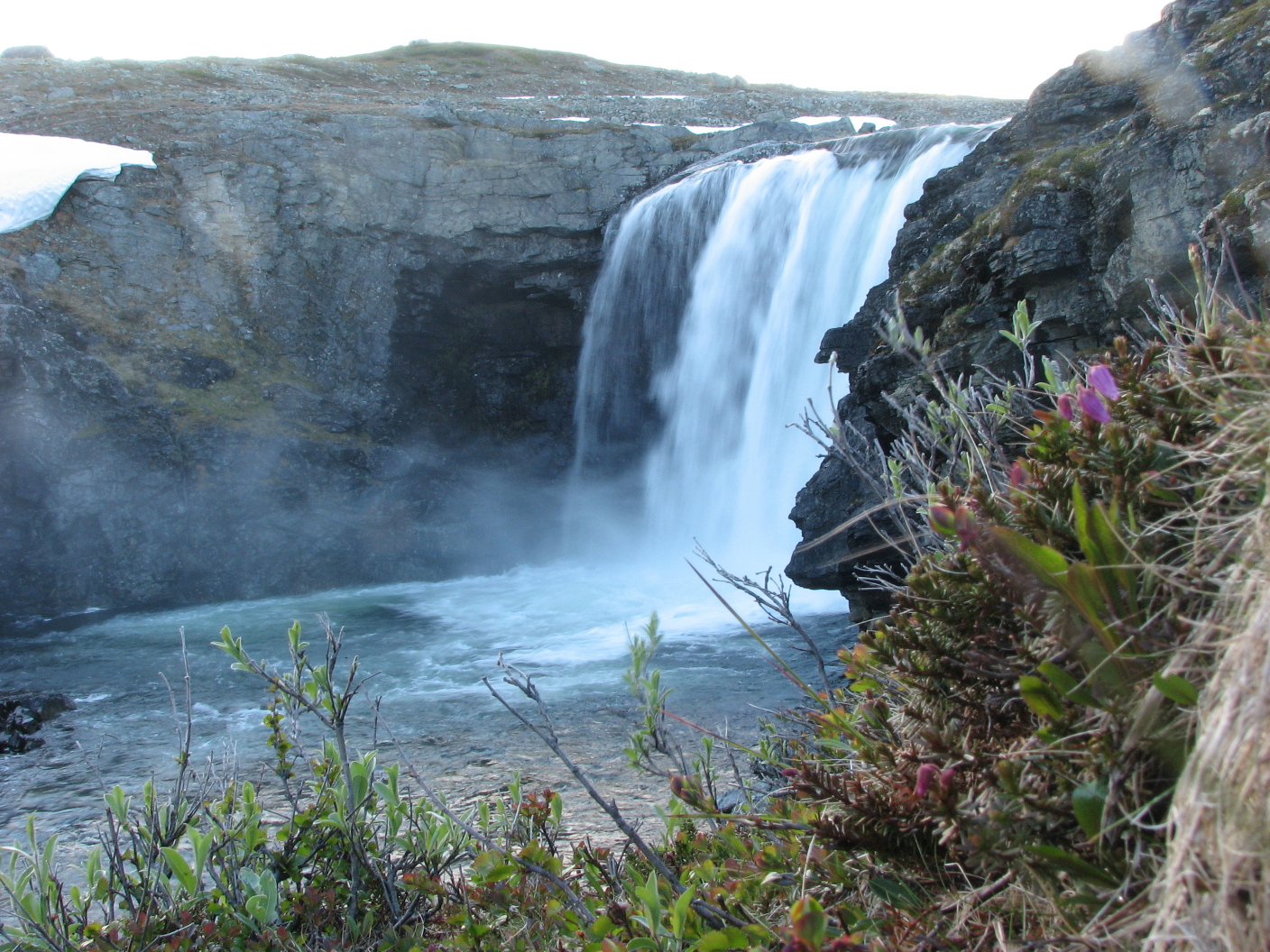
Pihtsusköngäs Waterfall – A Hidden Gem in Troms, Norway
Discover the 17‑meter cascade that locals cherish, the pristine springs nearby, and how to make the most of your Arctic adventure.
Introduction
Imagine standing on the edge of a crystal‑clear river as it plunges 17 metres over rugged rock, the mist kissing your face and the distant Arctic sky stretching above. That’s Pihtsusköngäs, a modest yet mesmerizing waterfall tucked away in the heart of Troms, Norway. While the Norwegian fjords and the Northern Lights often steal the spotlight, this secluded cascade offers a tranquil alternative for travelers seeking authentic nature, breathtaking photography, and a touch of Finnish‑Sámi heritage.
If you’re planning a road trip through Northern Norway, adding Pihtsusköngäs to your itinerary is a must‑do. In this guide we’ll dive into the waterfall’s story, how to reach it, the best seasons to visit, what you’ll experience on site, nearby natural attractions, and essential travel tips to ensure a smooth journey.
About Pihtsusköngäs
A Brief Description
Pihtsusköngäs (Finnish for “Pihtsu waterfall”) is a 17‑meter high waterfall located near the small town of Storslett in Troms county. Its coordinates are 69.200548 N, 21.278467 E, placing it well within the Arctic Circle. The water descends over a series of basaltic ledges, creating a steady roar that can be heard from a short walk away. The surrounding landscape is a mix of boreal forest, open tundra, and glacially‑carved valleys, offering a pristine backdrop that feels untouched by mass tourism.
Historical and Cultural Significance
While Pihtsusköngäs does not have a documented medieval legend, its name reflects the Finnish‑Sámi linguistic roots of the region. The waterfall has traditionally been a gathering spot for local fishers and reindeer herders, who used the surrounding pools for drinking water and the mist‑laden air for cooling during summer months. Today, the site is celebrated by nature enthusiasts and photographers who value its raw, uncommercialized beauty.
How to Get There
Getting to Storslett
The nearest transport hub is Storslett, a small town situated along the E6 highway, Norway’s main north‑south artery. If you’re arriving from abroad, the most common route is to fly into Tromsø Airport (TOS), then rent a car or take a regional bus to Storslett (approximately 2 hours by road).
From Storslett to Pihtsusköngäs
-
By Car – From the center of Storslett, follow the local road signs toward the river Storslettelva. After roughly 5 km, you’ll reach a small parking area marked for the waterfall. The drive is scenic, winding through pine‑dominated valleys and occasional open plateaus.
-
By Bicycle or Hiking – For the adventurous, the trail from Storslett to Pihtsusköngäs is roughly 4 km each way and suitable for mountain bikes or sturdy hiking boots. The path is unpaved but well‑marked with occasional wooden railings near steeper sections.
-
Public Transport – Local bus routes occasionally stop near the waterfall during the summer season. Check the Troms county transport website for the latest schedules.
Practical Details
| Item | Details |
|---|---|
| Coordinates | 69.200548 N, 21.278467 E |
| Height | 17 m |
| Parking | Small free lot (capacity ~10 cars) |
| Facilities | No restrooms or food vendors – bring water and snacks |
| Accessibility | Short, uneven trail; not wheelchair‑friendly |
Best Time to Visit
Summer (June – August)
The Arctic summer offers long daylight hours—often the “midnight sun” from late May to early July—making it ideal for photography. The water flow is moderate, and the surrounding flora is in full bloom, adding vibrant greens to your shots.
Autumn (September – October)
Early autumn brings a spectacular color shift as birch leaves turn golden. The waterfall’s mist catches the low sun, creating dramatic lighting. However, be prepared for cooler temperatures (5‑10 °C) and occasional rain.
Winter (November – March)
While the waterfall can freeze partially, creating icy sculptures, access may be limited due to snow-covered roads. If you’re an experienced winter hiker with proper gear, the frozen cascade offers a unique, ethereal experience.
Spring (April – May)
Snowmelt increases water volume, making the cascade more powerful. The surrounding terrain can be muddy, and some trails may still be icy. This period is quieter, giving you a more solitary encounter.
Overall Recommendation: For most travelers, late June to early September provides the best balance of accessibility, pleasant weather, and visual appeal.
What to Expect
The Senses
- Sight: A 17‑meter curtain of water plunging over dark rock, framed by moss‑covered boulders. The surrounding forest offers layers of green, while the river’s turquoise pool reflects the sky.
- Sound: A constant, soothing roar that masks distant wildlife. The sound is especially pronounced after a rain, when the flow intensifies.
- Touch: If you venture close to the edge, a fine mist settles on your skin—perfect for cooling on a summer day.
Photographic Highlights
- Long‑exposure shots of the water create silky ribbons, especially during golden hour.
- Panoramic views from the small clearing behind the falls capture both the waterfall and the expansive Arctic horizon.
- Macro opportunities abound with lichens, mosses, and small alpine flowers growing near the water’s edge.
Wildlife
While the waterfall itself is a focal point, the surrounding area is home to reindeer, ptarmigan, and occasional brown bears (seen from a distance). Birdwatchers may spot golden eagles soaring above the cliffs. Remember to keep a respectful distance and store food securely.
Nearby Attractions
A short trek from Pihtsusköngäs leads you to several natural springs—perfect for a refreshing break or a quiet picnic.
| Attraction | Distance from Pihtsusköngäs | Description |
|---|---|---|
| Spring 1 | 1.0 km | A crystal‑clear spring bubbling from a rocky outcrop, ideal for short hikes. |
| Spring 2 | 1.1 km | Slightly larger pool surrounded by birch trees; great for photography. |
| Spring 3 | 1.2 km | A shallow spring with a small waterfall of its own—perfect for kids. |
| Spring 4 | 2.3 km | A secluded spring tucked in a meadow, often visited by local wildlife. |
| Spring 5 | 2.9 km | The farthest of the group, this spring feeds a narrow stream that joins the main river downstream. |
Note: While these springs have no official names, they are marked on local trail maps and can be accessed via the same footpaths that lead to Pihtsusköngäs.
Other Points of Interest
- Storslett Town Center – A handful of cafés, a small museum on Sámi culture, and a harbor with fishing boats.
- River Storslettelva – Follow the river downstream for additional scenic vistas and possible salmon‑fishing spots (permit required).
Travel Tips
- Pack Light, Pack Smart – Bring waterproof shoes, layered clothing, a reusable water bottle, and a compact rain cover for your camera.
- Respect the Environment – The area is fragile; stay on marked trails, avoid trampling moss, and pack out all trash.
- Check Road Conditions – Troms weather can change rapidly. Before heading out, verify road status on the Statens vegvesen (Norwegian Public Roads Administration) website.
- Timing for Photography – Early morning (5 – 7 am) offers soft light and fewer visitors; late afternoon (4 – 6 pm) gives a warm glow that enhances the water’s turquoise hue.
- Safety First – The rocks near the waterfall can be slippery. Keep a safe distance from the edge, especially after rain when the flow is stronger.
- Local Currency – Norway uses the Norwegian krone (NOK). Credit cards are widely accepted, but having a small amount of cash is handy for remote vending machines.
- Language – Norwegian is the official language; however, many locals speak English, especially in tourism‑related businesses. A few basic Norwegian phrases (e.g., “Hei” for hello, “Takk” for thank you) are always appreciated.
Final Thoughts
Pihtsusköngäs may not have the towering fame of Norway’s iconic fjords, but its modest 17‑meter drop, tranquil surroundings, and proximity to hidden springs make it a standout destination for travelers craving authentic Arctic nature. Whether you’re a photographer chasing the perfect mist‑lit shot, a hiker seeking solitude, or simply a curious explorer, the waterfall offers a memorable experience that captures the quiet power of Troms’s wilderness.
Plan your trip, respect the land, and let the gentle roar of Pihtsusköngäs become the soundtrack of your Northern Norwegian adventure.
For more details, see the Finnish Wikipedia entry: Pihtsusköngäs.