Tysvikjofossen – Norway’s Hidden Waterfall Gem in Eidfjord, Hordaland
Discover the serene power of Tysvikjofossen, a lesser‑known cascade tucked away in the dramatic fjord landscape of Hordaland. Whether you’re a waterfall enthusiast, a hiking aficionado, or simply chasing the pristine beauty of Norway, this hidden treasure is worth the detour.
1. Introduction
Imagine standing on a moss‑laden trail, the mist of a roaring waterfall kissing your face, and the distant echo of a fjord’s sigh filling the air. That moment is precisely what Tysvikjofossen offers—an intimate encounter with nature that feels both wild and untouched. While Norway’s famous Vøringsfossen steals most of the headlines, Tysvikjofossen sits just a stone’s throw away, providing a quieter, more reflective waterfall experience for the adventurous traveler.
2. About Tysvikjofossen
A Brief Description
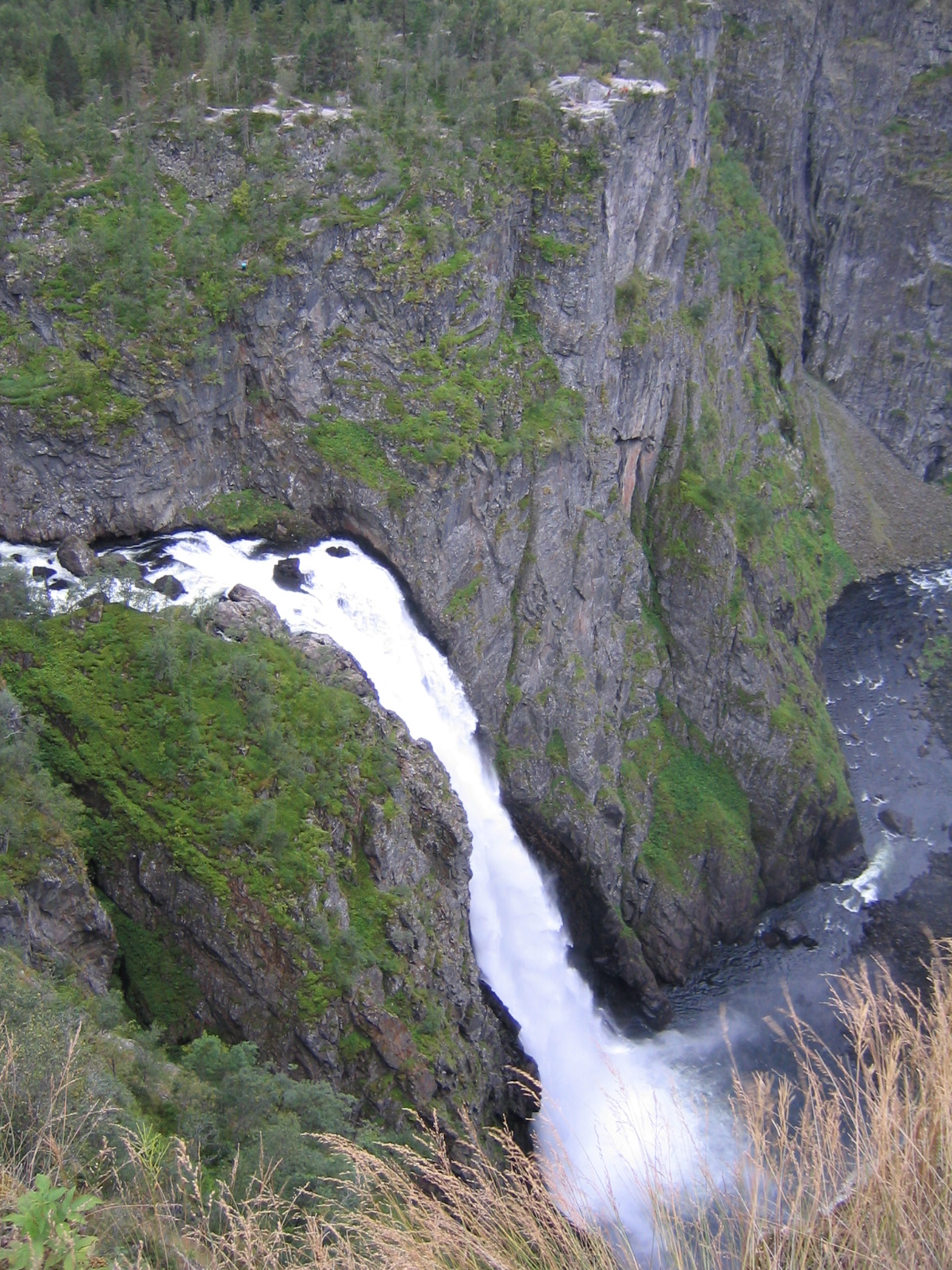
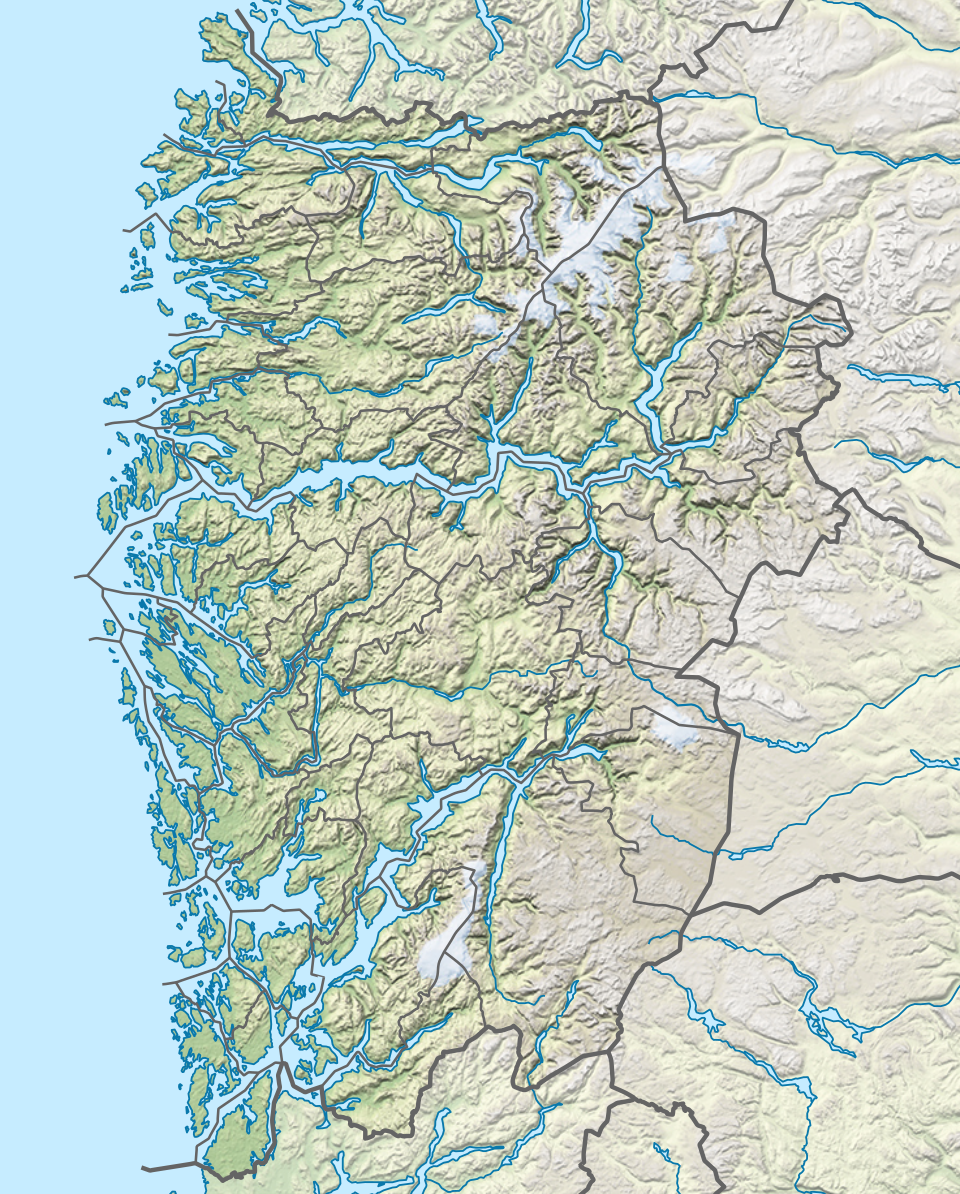
Tysvikjofossen (coordinates 60.428486, 7.251482) is a picturesque waterfall located in the municipality of Eidfjord, within the historic county of Hordaland, Norway. Though its exact height and altitude remain undocumented, the cascade’s charm lies in its natural setting: a crystal‑clear stream plunging over rugged rock, surrounded by dense spruce forests and the towering peaks that define the Hardanger region.
Historical & Cultural Significance
The name “Tysvikjofossen” translates roughly to “the waterfall of Tysvik,” referencing the nearby farmstead that has existed for centuries. Like many Norwegian waterfalls, it has historically served as a source of fresh water for local farms and a modest power source for early hydro‑electric endeavors. While the waterfall never achieved the fame of Vøringsfossen, it remains an integral part of the local landscape, woven into stories of summer grazing, autumn berry picking, and winter snowshoe treks.
Why It Matters
For travelers seeking authenticity, Tysvikjofossen offers a glimpse into Norway’s everyday natural heritage—one that is still largely untouched by mass tourism. Its proximity to other spectacular falls creates a “waterfall corridor” that showcases the geological forces that carved the fjords over millennia. Photographers love the soft, diffused light that filters through the canopy in the early morning, while hikers appreciate the relatively gentle terrain that leads to the viewing platform.
3. How to Get There
By Air
The most convenient airports are Bergen Airport, Flesland (BGO) and Oslo Gardermoen (OSL). From either airport, rent a car and follow the E16 highway toward Eidfjord. The drive from Bergen takes about 2.5 hours, while Oslo is roughly a 4‑hour journey.
By Car
- From Bergen: Take the E16 eastward, cross the Hardanger Bridge, then follow signs for Eidfjord. After entering Eidfjord, turn onto Fv7 (the local road) and look for the small parking area near the trailhead marked “Tysvikjofossen”.
- From Oslo: Follow the E18 west to Hønefoss, then the E16 north through Voss and Hardanger. The same local road (Fv7) leads to the waterfall.
A compact car or SUV is sufficient; the final stretch to the trailhead is a narrow, paved road with limited parking, so arriving early (especially in summer) guarantees a spot.
By Public Transport
- Train: Take the Bergen Line to Voss and transfer to the Bergensbanen regional service toward Eidfjord.
- Bus: The Nor-Way Bussekspress runs regular routes from Bergen and Oslo to Eidfjord. From the Eidfjord bus stop, a short local taxi ride (≈ 5 km) or a 30‑minute walk will bring you to the trailhead.
On Foot
The official trail to Tysvikjofossen is well‑marked and suitable for most fitness levels. The path is roughly 1.5 km round‑trip, with a gentle ascent of about 100 m. Sturdy walking shoes, a rain jacket, and a water bottle are all you need.
4. Best Time to Visit
| Season | What to Expect | Why It’s Ideal |
|---|---|---|
| Late Spring (May‑June) | Snow melt feeds the waterfall, creating a robust flow. Wildflowers begin to bloom along the trail. | The combination of strong water volume and vibrant flora makes for striking photos. |
| Summer (July‑August) | Warm days, long daylight (up to 18 hours). | Ideal for hiking, picnicking, and catching the waterfall’s rainbow‑filled mist. |
| Early Autumn (September‑October) | Golden foliage frames the cascade, and the water remains lively. | Fewer crowds and the soft autumn light enhance the serene atmosphere. |
| Winter (December‑February) | The waterfall may partially freeze, creating icy sculptures. Snow‑covered paths require snowshoes or crampons. | For the adventurous, winter transforms Tysvikjofossen into a dramatic, silent wonderland. |
Tip: The waterfall’s flow can vary dramatically after heavy rain. Checking local weather forecasts the day before your hike ensures you’ll see the water at its most impressive.
5. What to Expect
The Senses
- Sight: A clear, silvery stream tumbles over a modest cliff, creating a veil of mist that catches the sun. The surrounding forest is a tapestry of deep greens in summer and fiery reds in autumn.
- Sound: The gentle roar of water provides a soothing backdrop, punctuated by bird calls and the rustle of pine needles.
- Touch: If you venture close to the base, the cool spray will instantly refresh you—just be cautious of slippery rocks.
Trail Experience
The path to Tysvikjofossen is a well‑maintained gravel track with occasional wooden boardwalks over wet sections. Signage in Norwegian and English points out interesting geological features, such as the glacially carved boulders that line the stream. The hike is family‑friendly, though small children should be supervised near the water’s edge.
Photo Opportunities
- Front‑on view from the lower platform captures the full height of the cascade against the sky.
- Side perspective from the midway viewpoint highlights the surrounding cliffs and the play of light on the water.
- Close‑up mist shots work best in the early morning when the sun is low, producing rainbows in the spray.
6. Nearby Attractions
Tysvikjofossen sits in a cluster of spectacular natural sites, making it an ideal base for a day‑long waterfall tour.
| Attraction | Distance | Why Visit |
|---|---|---|
| Vøringsfossen | 0.2 km | One of Norway’s most iconic waterfalls, with a 182‑meter drop. |
| Fossatromma | 0.4 km | A series of smaller cascades perfect for a quick photo stop. |
| Weir (unnamed) | 0.9 km | An interesting hydraulic structure illustrating local water management. |
| Engjafoss | 1.9 km | A tranquil fall surrounded by lush meadows—great for a picnic. |
| Fetafossen | 2.4 km | A picturesque waterfall that’s especially photogenic in autumn. |
All attractions are reachable via short, marked trails or easy drives, allowing you to customize your itinerary based on time and energy.
7. Travel Tips
- Pack Light, Pack Smart – A daypack with a waterproof jacket, extra socks, and a snack is sufficient.
- Stay Charged – Mobile reception can be spotty; download offline maps of the Eidfjord area beforehand.
- Respect the Environment – Stick to marked trails, avoid trampling delicate moss, and pack out all trash.
- Timing Is Key – Arrive early (before 9 am) in summer to beat the limited parking rush and enjoy softer light for photography.
- Safety First – The rocks near the waterfall can be slippery, especially after rain. Wear sturdy shoes with good grip and keep a safe distance from the water’s edge.
- Local Cuisine – After your hike, treat yourself to a meal at Eidfjord’s traditional restaurant, where you can sample fresh trout, locally cured lamb, and the famous Hardanger apple desserts.
- Seasonal Gear – In winter, bring crampons or snowshoes, and consider a headlamp for the early darkness.
Final Thought
Tysvikjofossen may not appear on every travel brochure, but that’s precisely why it feels like a secret waiting to be discovered. Its modest size belies a powerful sense of place—a waterfall that invites you to pause, breathe, and soak in the raw beauty of Norway’s fjord country. Pair it with nearby falls like Vøringsfossen, and you’ve got a waterfall itinerary that rivals any world‑class destination.
Ready to chase the mist? Pack your boots, grab your camera, and head to Tysvikjofossen—Eidfjord’s hidden cascade that promises unforgettable moments in every season.