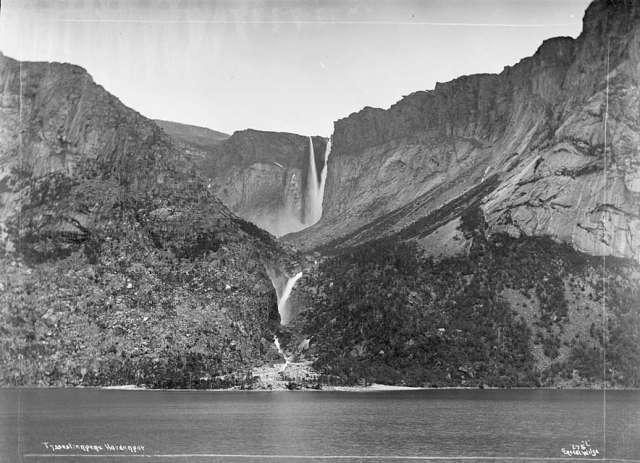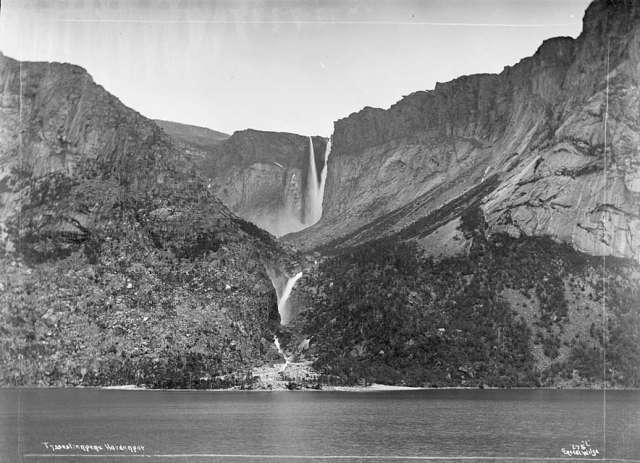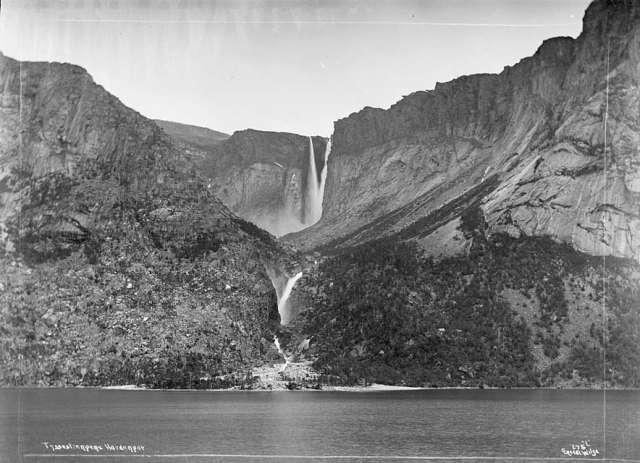
Tyssestrengene Waterfall – A Hidden Gem in Odda, Hordaland, Norway
Discover the wild beauty of Tyssestrengene, a lesser‑known waterfall that drifts quietly through the heart of Norway’s spectacular Hardanger region.
Introduction
If you’ve ever dreamed of standing beneath a curtain of crystal‑clear water while the mountains of western Norway loom overhead, Tyssestrengene should be at the top of your list. Nestled near the charming town of Odda in Hordaland, this waterfall may not appear on every mainstream travel brochure, but that’s exactly what makes it a treasure for intrepid explorers. With its rugged surroundings, pristine air, and the gentle roar of water echoing through the valley, Tyssestrengene offers an authentic Norwegian wilderness experience—far from the crowds that flock to the more famous fjords.
In this guide we’ll take you through everything you need to know to plan a seamless visit: where the waterfall sits, how to get there, the best time to witness its flow, what you’ll see on arrival, nearby attractions, and essential travel tips to keep your adventure safe and unforgettable.
About Tyssestrengene
Location: Odda, Hordaland, Norway
Coordinates: 60.136625 N, 6.754252 E
Tyssestrengene (Norwegian for “the Tyssestrengen waterfalls”) is a series of cascades that tumble down the steep rock faces of the Hardanger landscape. While the exact height of the falls remains undocumented, the sheer drop and the multiple streams that converge create a dramatic, ever‑changing water display.
The waterfall lies within a region steeped in natural and cultural history. Odda, once a hub for hydro‑electric power and heavy industry, now serves as a gateway to some of Norway’s most pristine wilderness areas. Tyssestrengene itself is part of the larger Tyssestrengene river system, which feeds into the surrounding fjords and valleys. Though the waterfall’s own historical record is modest, its presence has long been a quiet backdrop to the lives of local farmers, hikers, and the occasional photographer searching for that perfect shot of untouched nature.
Because the waterfall is situated in a relatively remote spot, it has retained an almost untouched character. The sound of the water, the scent of moss‑laden stone, and the occasional glimpse of native wildlife (such as ptarmigan and mountain hares) make Tyssestrengene a place where you can truly feel the pulse of Norway’s wild heart.
How to Get There
By Air
The nearest major airport is Bergen Airport, Flesland (BGO), roughly 150 km west of Oddodd. From Bergen, you can rent a car or catch a domestic flight to Stord Airport (SRP), which is a shorter drive to Odda.
By Train
The Bergen–Oslo railway line stops at Voss and Ulriken stations. From Voss, you can transfer to a regional bus that heads toward Odda. The train ride offers spectacular scenery, especially as you approach the fjord‑lined valleys of Hordaland.
By Car
Driving gives you the most flexibility and the chance to stop at scenic viewpoints along the way. From Bergen, follow the E16 eastward to Voss, then take Rv13 south toward Odda. The journey is about 2.5 hours and includes several tunnel sections and breathtaking fjord vistas.
Once in Odda, follow local signs toward the Tyssestrengene area. The waterfall is located just a short distance from the town center—approximately 0.1 km from the main road—making it easily reachable on foot. Parking is available at a small municipal lot near the trailhead; from there, a well‑marked path leads you directly to the cascade.
Public Transport
If you prefer not to drive, the Kolumbus bus network operates regular services between Bergen, Voss, and Odda. Check the latest timetables on the Kolumbus website, as schedules can vary seasonally.
Best Time to Visit
Tyssestrengene’s flow is heavily influenced by seasonal meltwater and precipitation. Here’s a quick guide:
| Season | Water Flow | Visitor Experience | Tips |
|---|---|---|---|
| Spring (April‑June) | High – snowmelt swells the river | Lush green surroundings, powerful cascades | Wear waterproof boots; early morning light is magical |
| Summer (July‑August) | Moderate – steady rain showers | Longer daylight, comfortable hiking temperatures | Pack sunscreen and a light rain jacket |
| Autumn (September‑October) | Variable – occasional rain spikes | Golden foliage, quieter trails | Ideal for photography; bring a tripod |
| Winter (November‑March) | Low to frozen – parts may be icy | Snow‑covered landscape, serene silence | Check local conditions; ice can make paths slippery |
For most travelers, late spring to early autumn offers the best combination of water volume, weather stability, and accessibility. However, if you enjoy winter wonderlands and are comfortable with icy terrain, a snow‑clad Tyssestrengene can be a truly ethereal sight.
What to Expect
The Walk
The approach to Tyssestrengene is a short, well‑maintained walk—about 10‑15 minutes from the parking area. The trail winds through a mixed forest of birch and spruce, with occasional open rock patches that reveal panoramic views of the Hardangerfjord in the distance.
The Waterfall Itself
Upon arrival, you’ll be greeted by a series of water streams that tumble over rugged limestone and granite. The sound of the water creates a natural symphony, and mist often hangs in the air, giving the surrounding rocks a glistening sheen. Because the height isn’t officially recorded, the experience is best judged by the sheer force and volume of the water rather than numbers.
Wildlife & Flora
The micro‑climate around the waterfall supports a variety of mosses, lichens, and hardy alpine plants. Keep an eye out for red‑winged blackbirds, European stonechats, and, if you’re lucky, a glimpse of a mountain hare darting through the underbrush.
Photography
The best photo opportunities occur during the “golden hour” (just after sunrise or before sunset) when the low sun casts warm tones on the water and surrounding cliffs. A polarizing filter can help reduce glare on the wet surfaces, while a wide‑angle lens captures the full breadth of the cascade and the valley beyond.
Nearby Attractions
While Tyssestrengene is the star of the show, the surrounding area offers several complementary sites that enrich a day trip or a longer stay in Odda.
| Attraction | Distance | Description | Link |
|---|---|---|---|
| Tyssestrengene (waterfall) | 0.0 km | The main waterfall you’re visiting. | Wikipedia – Tyssestrengene |
| Tyssestrengene (waterfall – alternate viewpoint) | 0.1 km | A slightly different angle of the same cascade, perfect for varied photography. | — |
| Local Dam #1 | 0.2 km | Small hydro‑electric dam that showcases the region’s historic reliance on water power. | — |
| Local Dam #2 | 0.2 km | Another nearby dam, offering insight into Norway’s sustainable energy infrastructure. | — |
| Local Dam #3 | 0.2 km | A third dam in close proximity, useful for a quick walk and a glimpse of engineering against a natural backdrop. | — |
Tip: Many of the dams are not open to the public, but they can be admired from the surrounding trails. Their presence underscores how the Hardanger region balances nature and renewable energy.
Travel Tips
- Dress in Layers – Even in summer, temperatures can drop quickly, especially near waterfalls where mist creates a cooling effect.
- Footwear – Sturdy, waterproof hiking boots with good ankle support are essential; the trail can become slippery after rain.
- Stay Hydrated – Bring a reusable water bottle. While the waterfall is beautiful, you’ll likely be walking on uneven terrain.
- Respect the Environment – Stick to marked paths, avoid trampling delicate mosses, and pack out all trash. Norway’s “Allemannsretten” (right to roam) comes with a responsibility to leave nature untouched.
- Safety First – Do not attempt to climb the rocks near the waterfall’s edge. The water can be deceptively strong, even when the flow appears modest.
- Check Weather Forecasts – The Hardanger region is known for rapid weather changes. A quick glance at yr.no or the Norwegian Meteorological Institute’s site can save you from an unexpected downpour.
- Photography Gear – If you’re planning a photo shoot, bring a rain cover for your camera and a spare battery (cold, damp conditions drain power faster).
- Timing – Arrive early in the morning during peak season to beat any small crowds and capture the soft morning light.
- Local Cuisine – After your waterfall adventure, treat yourself to a meal in Odda. Try the regional specialty rakfisk or a hearty bowl of fiskesuppe (fish soup).
- Accommodation – Odda offers a range of lodging, from cozy cabins (hytter) to boutique hotels. Booking ahead for summer months is advisable.
Final Thoughts
Tyssestrengene may not have the towering fame of Norway’s iconic waterfalls like Vøringfossen or Mardalsfossen, but its quiet charm, accessible location, and authentic wilderness vibe make it a standout destination for travelers seeking an off‑the‑beaten‑path experience. Whether you’re a seasoned hiker, a photography enthusiast, or simply someone who loves the soothing sound of water in a mountain setting, Tyssestrengene delivers a memorable slice of Norwegian nature that will stay with you long after you leave the Hardanger fjords behind.
Pack your boots, charge your camera, and set your compass for Odda—Tyssestrengene awaits.
Keywords: Tyssestrengene waterfall, Odda travel, Hordaland attractions, Norway waterfalls, Hardanger fjord, hiking in Norway, travel guide Norway, things to do in Odda, scenic Norway.