Tyssestrengene Waterfall – A Hidden Gem in Hordaland, Norway
Discover the thundering beauty of Tyssestrengene, the secluded waterfall that whispers the wild spirit of Odda’s fjordland.
Introduction
If you’ve ever chased the iconic roar of Norway’s most famous waterfalls—Vøringsfossen, Kjosfossen, or the legendary Trolltunga cascade—you’ll know that the true magic often lies off the beaten path. Nestled in the dramatic fjord scenery of Odda, Hordaland, the Tyssestrengene waterfall (coordinates 60.136557, 6.754401) offers exactly that: a raw, untouched splash of nature that feels like a secret shared only with those willing to venture a little farther.
Whether you’re a seasoned hiker, a photography enthusiast hunting that perfect mist‑kissed shot, or simply a traveler craving an authentic Norwegian waterfall experience, Ty ssestrengene promises a moment of awe that stays with you long after the water has dried from your lenses.
About Tyssestrengene
What Is Tyssestrengene?
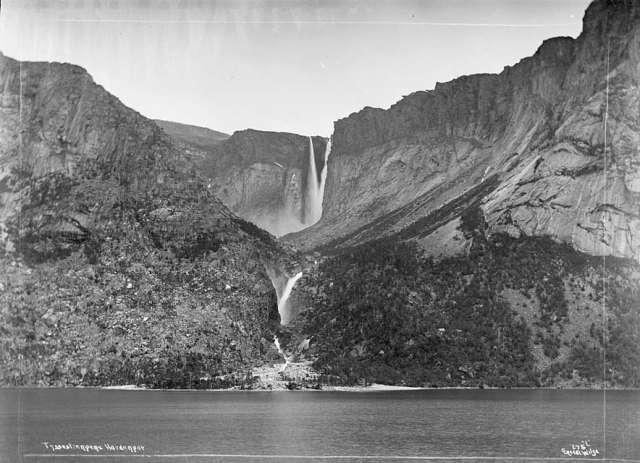
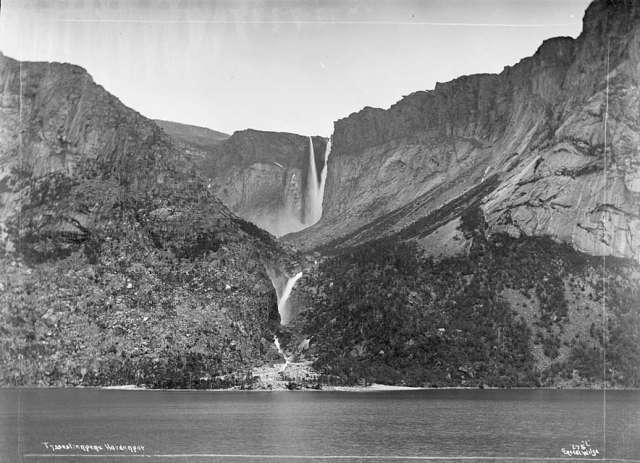
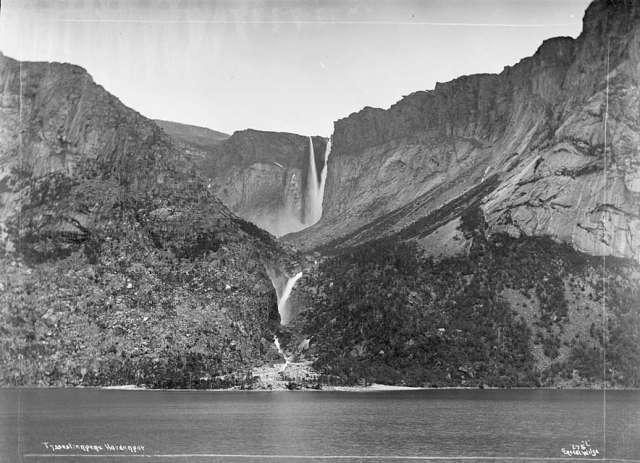
Tyssestrengene (Norwegian for “Tyssestrengen’s waterfalls”) is a series of cascading streams that tumble down the steep rock faces surrounding the Tyssedal valley. While the exact height and altitude remain undocumented, the waterfall’s power is unmistakable—water from the surrounding mountains rushes through narrow gorges, creating a symphony of sound and spray that can be heard from a distance.
The name appears in the Nynorsk Wikipedia entry for the site: Tyssestrengene (nn.wikipedia.org). Though the article is brief, it confirms the waterfall’s place within the cultural and natural tapestry of Hordaland.
A Slice of History
The Tyssedal area has long been a hub for Norway’s hydro‑electric heritage. In the early 20th century, engineers harnessed the region’s abundant water flow to power factories and generate electricity for the burgeoning industrial towns along the Hardangerfjord. While the dams that now sit a short distance from the waterfall (approximately 0.2 km away) are modern reminders of that legacy, Tyssestrengene itself predates the industrial era, having carved its path through stone long before any human hand intervened.
Why It Matters
In a country celebrated for its fjords, glaciers, and towering peaks, waterfalls are more than scenic backdrops—they are the lifeblood of the landscape. Tyssestrengene contributes to the local ecosystem by oxygenating the water, supporting fish habitats, and nurturing the surrounding moss‑covered cliffs. For travelers, the waterfall offers a rare glimpse into Norway’s quieter, less‑touristed water features, making it a perfect spot for mindfulness, photography, and simply listening to nature’s pulse.
How to Get There
By Air
The nearest major airport is Bergen Airport, Flesland (BGO), roughly 130 km (≈ 2 hours by car) from Odda. From Bergen, you can rent a car or hop on a regional bus to the town of Odda.
By Car
Driving is the most flexible way to reach Tyssestrengene:
| Route | Approx. Distance | Travel Time | Notes |
|---|---|---|---|
| Bergen → Odda → Tyssedal | 130 km | 2 h 15 min | Follow E16 east from Bergen, then take Rv 13 south toward Odda. |
| Oslo → Odda → Tyssedal | 300 km | 5 h | Take E18 west to Haugesund, then E39 north to Odda. |
From the center of Odda, follow signs for Tyssedal (about 5 km). A small, well‑marked parking area sits near the base of the waterfall—just look for the wooden sign indicating “Tyssestrengene”.
Public Transport
- Bus: The Nor-Way Bussekspress runs regular services between Bergen and Odda. From the Odda bus station, a local Øystese‑Tyssedal shuttle departs hourly during the summer months and drops passengers a short walk from the waterfall.
- Ferry: During the high season, a scenic ferry operates between Odda and Tyssedal across the fjord, offering a stunning aerial view of the cascade before you even set foot on land.
On Foot
If you love hiking, the Tyssedal Trail (marked with orange blazes) leads from the village of Tyssedal up to the waterfall’s viewing platform. The hike is moderate—approximately 1.5 km with a gentle ascent—making it suitable for most fitness levels.
Best Time to Visit
| Season | What to Expect | Why It’s Ideal |
|---|---|---|
| Late Spring (May‑June) | Snowmelt swells the water flow, creating a powerful, frothy cascade. | The surrounding valleys burst into wildflower bloom, and daylight hours stretch to 18 hrs. |
| Summer (July‑August) | Warm, steady temperatures (15‑22 °C). | Trails are fully open, and the mist from the waterfall creates vivid rainbows—perfect for photography. |
| Early Autumn (September‑October) | Golden foliage paints the cliffs orange and red. | Fewer tourists, crisp air, and the waterfall’s roar is still strong before winter dip. |
| Winter (December‑February) | Ice formations can appear on the rock faces; water flow may reduce. | For adventurous souls, the frozen landscape offers a dramatic, otherworldly backdrop. |
Pro tip: The waterfall is most spectacular when the water volume is high. Aim for late spring or early summer after a period of rain for the fullest display.
What to Expect
The Senses
- Sound: A deep, resonant roar that vibrates through the valley—perfect for those who love nature’s soundtrack.
- Sight: Multiple streams tumble over jagged basalt cliffs, creating a veil of mist that catches sunlight in sparkling droplets.
- Touch: The air near the base is cool and humid; a light mist may settle on your skin, especially on windy days.
The Landscape
Surrounded by dense Norwegian birch forests and rugged mountain outcrops, Tyssestrengene feels like a secret oasis. The rocks are often carpeted with bright mosses and delicate lichen, adding texture to your photos. Look up, and you’ll see the steep cliffs rising dramatically—an excellent spot for panoramic shots of the Hardangerfjord in the distance.
Accessibility
The main viewing platform is a short, well‑maintained path from the parking lot—no technical climbing required. However, if you wish to explore the upper tiers of the cascade, be prepared for uneven terrain, slippery rocks, and occasional steep sections. Proper hiking boots and trekking poles are strongly recommended.
Nearby Attractions
While Tyssestrengene is the star of the show, the surrounding area offers several complementary points of interest:
- Tyssestrengene (waterfall) – 0 km – The main cascade you’ll be visiting.
- Tyssestrengene (waterfall) – 0.1 km – A nearby secondary drop that adds depth to the waterfall system.
- Local Dam – 0.2 km – Part of the historic hydro‑electric network that shaped the valley’s development.
- Another Dam – 0.2 km – Offers a glimpse into Norway’s pioneering renewable energy projects.
- Third Dam – 0.2 km – A small, picturesque structure perfect for quick photo stops.
(While specific dam names aren’t listed, they’re easily visible from the main trail and make for interesting side‑walks.)
If you have extra time, consider extending your itinerary to include:
- Tyssedal Museum – A short drive away, showcasing the region’s industrial heritage.
- Hardangerfjord Cruise – Sail past towering cliffs and pristine waterfalls for a different perspective.
- Husedalen Valley Hike – A multi‑day trek featuring four spectacular waterfalls, ideal for avid trekkers.
Travel Tips
| Tip | Why It Matters |
|---|---|
| Wear waterproof hiking boots | The trail can be slippery from spray; good traction keeps you safe. |
| Pack a rain jacket | Even on sunny days, the mist can turn the path damp quickly. |
| Bring a polarizing filter | It reduces glare on the water and enhances the rainbow effect. |
| Start early | Arriving at sunrise offers softer light, fewer crowds, and cooler temperatures. |
| Check the weather forecast | Fjord weather changes fast; sudden rain can make the rocks treacherous. |
| Respect the environment | Stay on marked paths, avoid litter, and keep a safe distance from the water’s edge. |
| Carry cash for parking | The small lot near the waterfall often requires a modest fee. |
| Use a map or GPS | Cell service can be spotty; offline maps ensure you stay on track. |
| Leave no trace | The area’s pristine condition depends on responsible visitor behavior. |
Final Word
Tyssestrengene may not have the towering fame of Norway’s most celebrated waterfalls, but that’s precisely why it feels like a hidden treasure. The combination of powerful water, dramatic cliffs, and the quiet charm of Odda’s fjordland makes it a must‑visit for anyone seeking an authentic Norwegian nature experience.
Pack your boots, charge your camera, and set your compass for 60.136557 N, 6.754401 E—the roar of Tyssestrengene is waiting to welcome you. Safe travels!