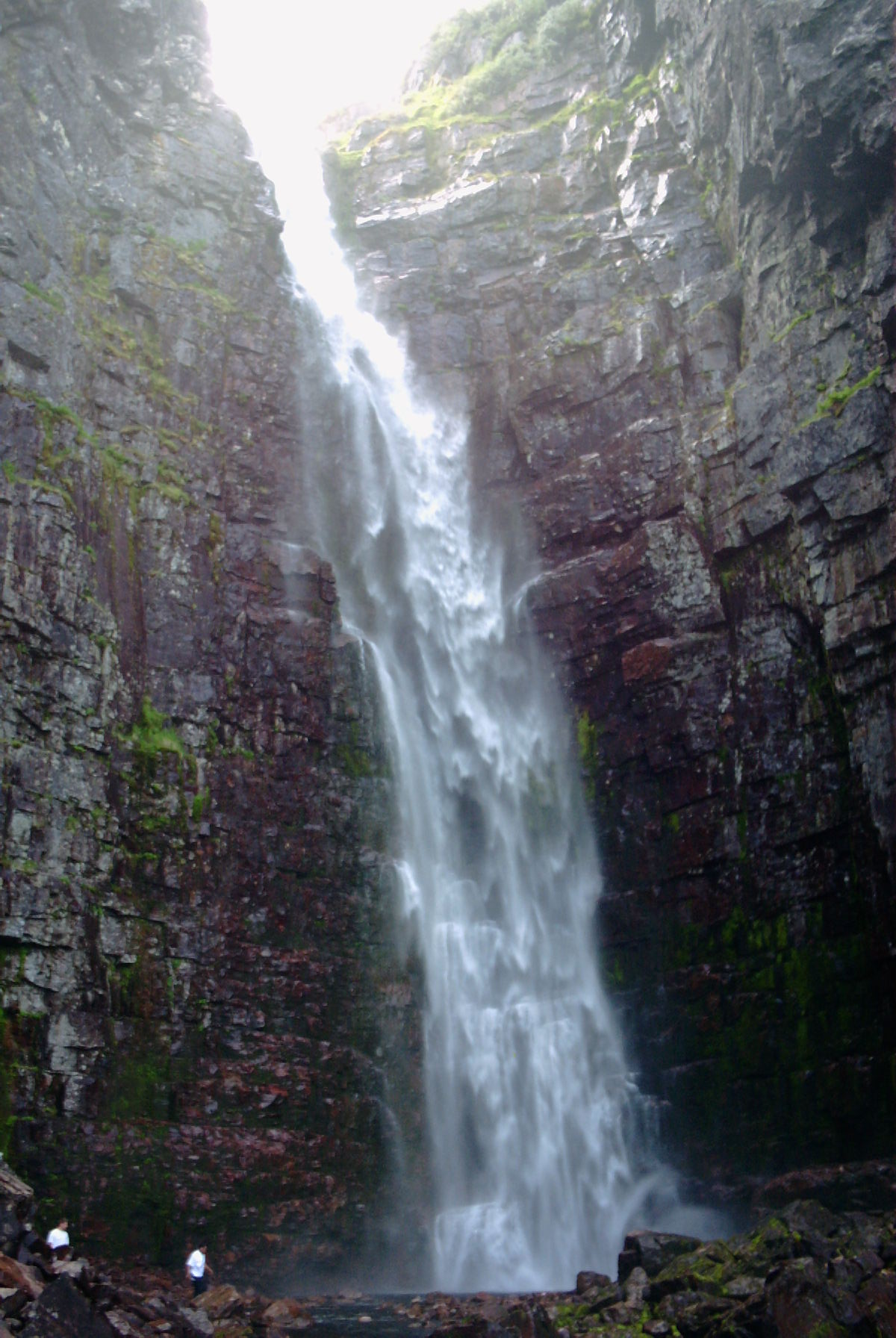
Njupeskär Waterfall – Norway’s Hidden Cascading Gem
Discover the 93‑meter plunge of Njupeskär, a breathtaking waterfall tucked away in Hedmark’s wild heart. From crisp autumn mist to summer rainbows, this natural masterpiece is a must‑see for every adventure‑seeker traveling through Norway.
1. Introduction
Imagine standing at the foot of a 93‑meter curtain of water, the roar echoing through pine‑laden valleys while mist kisses your face. That’s Njupeskär – a spectacular waterfall that feels like a secret only the locals know. Nestled near the tiny settlement of Innbygda in Hedmark, Norway, Njupeskär offers an unforgettable blend of raw power and serene beauty, making it an ideal stop for hikers, photographers, and anyone craving a genuine slice of Norwegian nature.
2. About Njupeskär
A Brief Description
Njupeskär (pronounced “nyoo‑pe‑skar”) drops a dramatic 93 meters from the highlands into a rugged gorge, creating a spectacular plume that can be seen from several kilometres away on clear days. The waterfall is positioned at coordinates 61.633984, 12.684208, placing it in the lush, forest‑rich region of Hedmark. While the exact altitude of the cascade’s source is not documented, the surrounding terrain rises sharply, giving the waterfall its impressive vertical drop.
History & Significance
Njupeskär has long been a natural landmark for the surrounding communities. Historically, the waterfall marked a traditional route for hunters and loggers moving through the dense woods of Hedmark. In recent decades, it has become a beloved destination for eco‑tourists and nature photographers, celebrated for its pristine setting and the dramatic contrast between the white water and the deep green of the forest.
The waterfall also holds cultural value: local folklore tells of spirits that dwell in the mist, protecting the surrounding wildlife. Today, conservation groups work to preserve the water quality and surrounding habitat, ensuring that Njupeskär remains untouched for future generations.
3. How to Get There
By Air
The nearest major airport is Oslo Gardermoen (OSL), roughly 250 km south‑west of Njupeskär. From Oslo, you can rent a car or take a regional bus toward Hedmark.
By Car
Driving is the most convenient way to reach the waterfall:
| Starting Point | Approx. Distance | Suggested Route |
|---|---|---|
| Oslo | 250 km | Take E6 north to Hamar, then follow Rv 25 east toward Innbygda. |
| Hamar | 130 km | Follow Rv 25 east, then local road 2120 to the Njupeskär turn‑off. |
| Lillehammer | 180 km | E6 north to Hamar, then Rv 25 east. |
The final stretch involves a well‑marked gravel road that leads to a small parking area just a few hundred metres from the waterfall’s viewing platform. The drive offers scenic vistas of rolling hills, lakes, and dense pine forests—perfect for a photo stop.
Public Transport
If you prefer not to drive, you can take a Vy bus from Oslo or Hamar to the town of Kongsvinger, then a regional bus to Innbygda. From the Innbygda stop, a short local taxi ride (or a 20‑minute hike) will bring you to the waterfall’s trailhead.
On Foot
For the adventurous, Njupeskär lies on the Fulufjället Trail, a popular trekking route that connects several waterfalls and high‑altitude plateaus. The trail is well‑marked and suitable for day‑hikers with moderate experience.
4. Best Time to Visit
| Season | Highlights | Tips |
|---|---|---|
| Spring (April‑May) | Snowmelt swells the cascade, creating thunderous flow and vivid rainbows. | Wear waterproof boots; trails may be muddy. |
| Summer (June‑August) | Long daylight hours (up to 20 h of twilight) allow for late‑evening photography. | Pack insect repellent; stay hydrated. |
| Autumn (September‑October) | Golden foliage frames the waterfall, offering spectacular color contrast. | Early mornings are less crowded; bring a warm jacket. |
| Winter (November‑March) | Ice formations create a frozen wonderland; the waterfall partially freezes, revealing dramatic ice sculptures. | Check road conditions; bring crampons for icy paths. |
Overall, late spring to early autumn provides the most reliable access and the most vibrant scenery, but each season brings its own unique charm.
5. What to Expect
The Senses
- Sight: A 93‑meter sheet of water plunges into a deep gorge, often producing a fine mist that catches the light. In summer, you’ll see vivid rainbows; in winter, icy curtains form along the edges.
- Sound: The roar is powerful enough to be heard from the parking lot, yet it never feels overwhelming—just a natural symphony.
- Smell: Fresh, pine‑laden air mixed with the earthy scent of wet rocks.
- Touch: If you brave the spray, the cool mist feels invigorating, especially on a warm day.
Trail Experience
A short, well‑maintained 500‑meter path leads from the parking area to a sturdy wooden viewing platform. The trail is relatively flat, making it accessible for families and casual walkers. For the more adventurous, a side trail continues upstream, offering views of smaller cascades and hidden pools.
Photography
Njupeskär is a photographer’s playground. To capture the waterfall’s full height, position yourself at the base and use a wide‑angle lens. For silky‑water effects, try a longer exposure (1‑2 seconds) with a neutral density filter. Early morning light and late‑afternoon golden hour produce the most dramatic shadows and colors.
6. Nearby Attractions
While Njupeskär is the star, the surrounding region boasts several other natural gems that can be combined into a full‑day itinerary:
| Attraction | Distance | Why Visit? |
|---|---|---|
| Njupeskär Waterfall (main site) | 0.1 km | The main cascade—your primary destination. |
| Fulufjället National Park | 10.3 km | Home to alpine plateaus, hiking trails, and the iconic Lilla Sjöfallet waterfall. |
| [Unnamed Dam] | 10.6 km | Offers insight into regional water management; great for a quick stop. |
| Kvenndammen (Weir) | 13.0 km | A picturesque weir surrounded by forest, perfect for a picnic. |
| Storfallet Waterfall | 17.2 km | A powerful, lesser‑known waterfall with dramatic rock formations. |
Tip: Combine Njupeskär with a visit to Fulufjället National Park for a full nature immersion. The park’s well‑marked trails connect several waterfalls, allowing you to experience multiple cascades in one day.
7. Travel Tips
- Dress in Layers – Weather in Hedmark can shift quickly, especially near waterfalls where mist lowers the temperature.
- Footwear – Waterproof hiking boots with good traction are essential; the trail can be slippery after rain.
- Parking – The official lot fills up quickly in summer weekends. Arrive early (before 9 am) or consider a weekday visit.
- Respect the Environment – Stay on marked paths, pack out all trash, and avoid climbing on the rocks to protect fragile vegetation.
- Safety – The viewing platform has railings, but the gorge edge is steep. Keep children supervised at all times.
- Photography Gear – Bring a tripod for long exposures and a rain cover for your camera; the spray can be intense.
- Food & Drink – There are no cafés on site. Pack a picnic and plenty of water. Nearby Innbygda has a small grocery store for supplies.
- Cell Service – Coverage can be spotty. Download offline maps (e.g., Maps.me or Google Maps offline) before you set out.
- Seasonal Road Checks – In winter, snow chains may be required on the gravel approach road. Check the Norwegian Public Roads Administration (Statens vegvesen) for updates.
- Local Events – During summer, the village of Innbygda hosts a modest Waterfall Festival with guided hikes and local crafts. Check the municipal website for dates.
Wrap‑Up
Njupeskär is more than just a waterfall; it’s a living postcard of Norway’s untamed wilderness. Whether you’re chasing the roar of a 93‑meter plunge, snapping that perfect rainbow‑kissed shot, or simply seeking a peaceful spot to breathe in fresh pine air, Njupeskär delivers an unforgettable experience. Pair it with nearby attractions like Fulufjället National Park, and you’ve got a full‑day adventure that showcases the very best of Hedmark’s natural heritage.
Ready to chase the mist? Pack your boots, grab your camera, and let Njupeskär’s cascade guide you into the heart of Norway’s wild beauty.

