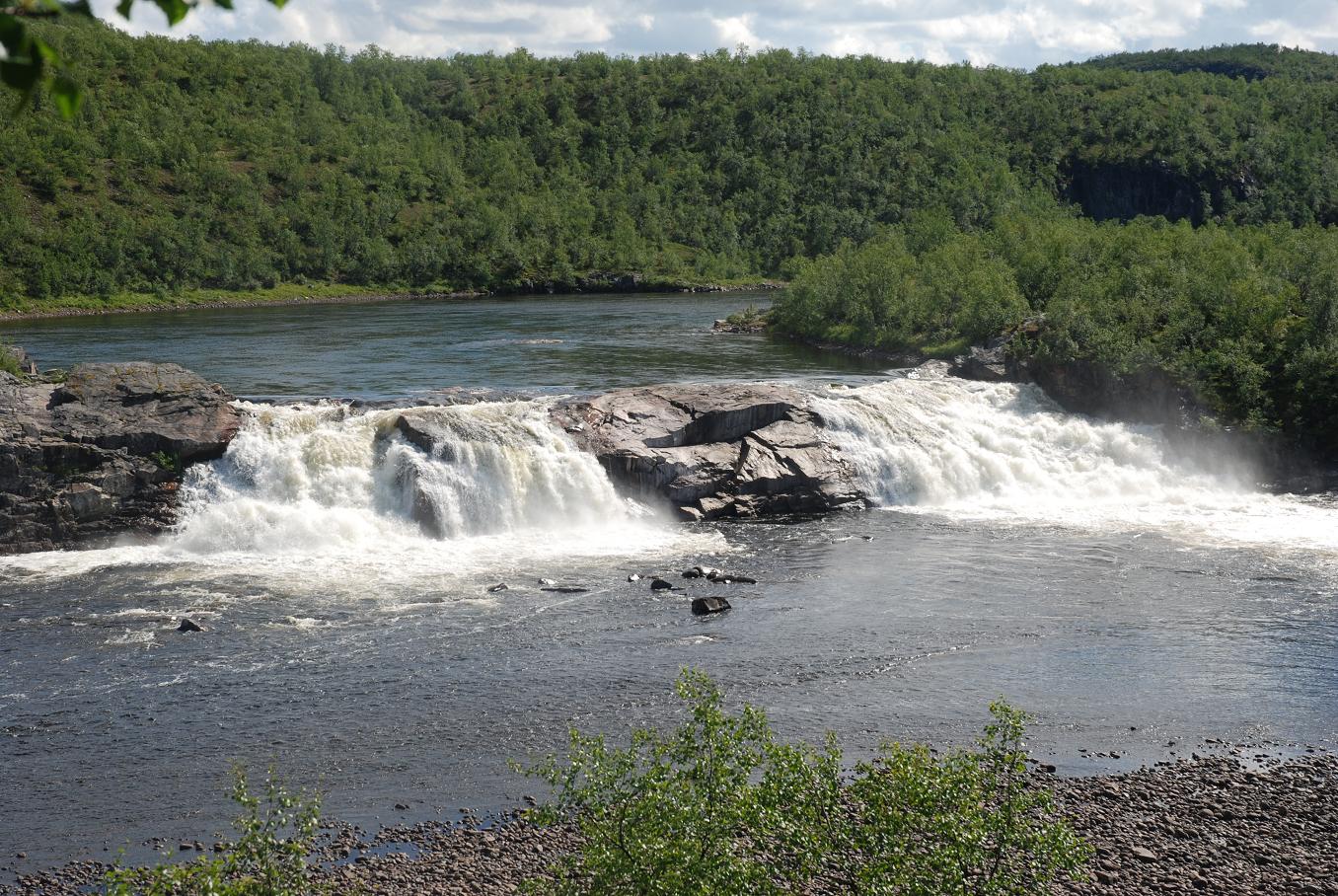
Nieidagorži – Pikefossen: A Hidden Waterfall Gem in Finnmark, Norway
Discover the tranquil power of Pikefossen, an 8‑meter cascade tucked away in the rugged wilderness of Kautokeino, Finnmark Fylke.
Introduction
Imagine standing on the edge of a pristine river, the air crisp with Arctic freshness, and watching a modest yet mesmerizing waterfall tumble 8 metres into a crystal‑clear pool. That’s the experience awaiting you at Nieidagorži – Pikefossen, one of Finnmark’s best‑kept secrets. While Norway is famous for towering giants like Vøringfossen and the dramatic cliffs of Geiranger, Pikefossen offers a quieter, more intimate encounter with nature—perfect for travelers who crave authentic, off‑the‑beaten‑path adventures in the far north.
If you’re planning a road trip across the Scandinavian Arctic, a hiking expedition through Sami lands, or simply a photo‑hunt for stunning water features, add Pikefossen to your itinerary. In this guide you’ll learn everything you need to know: the waterfall’s story, how to reach it, the ideal season to visit, what you’ll see on arrival, nearby attractions, and practical tips to make the most of your journey.
About Nieidagorži – Pikefossen
A Brief Description
- Location: Kautokeino, Finnmark Fylke, Norway
- Coordinates: 69.301727 N, 23.577007 E
- Height: 8 metres (≈ 26 ft)
- Type: River waterfall (🌊)
Pikefossen, known locally as Nieidagorži, is a short but striking cascade that drops directly into a shallow, turquoise pool. The water originates from the surrounding highland streams that feed the Kautokeino River system, carving a narrow gorge before spilling over the rock ledge. Although modest in size, the waterfall’s remote setting amplifies its dramatic presence—surrounded by tundra, birch‑covered slopes, and the endless horizon of the Arctic plateau.
Historical and Cultural Significance
The name “Nieidagorži” stems from the Sami language, reflecting the deep cultural roots of the indigenous people who have inhabited Finnmark for millennia. Waterways like Pikefossen have traditionally served as vital travel routes, fishing grounds, and spiritual sites for the Sami. While there are no major recorded historical events tied specifically to this waterfall, its presence within the Sami landscape underscores the symbiotic relationship between the community and the natural world.
Why It Matters
For nature lovers, Pikefossen offers a rare glimpse into Norwegian Arctic hydrology—a gentle yet powerful reminder of how water shapes the land even in the high latitudes. Photographers cherish the soft mist that rises from the plunge pool, especially during the golden hours of sunrise and sunset when the low sun paints the surrounding rocks in amber tones. Moreover, the waterfall serves as a natural waypoint for hikers exploring the network of rapids and streams that criss‑cross the Kautokeino municipality.
How to Get There
By Air
The closest major airport is Alta Airport (ALF), roughly 150 km south of Kautokeino. From Alta, you can rent a 4×4 vehicle—highly recommended for the gravel and occasional river crossings on the route to Pikefossen.
By Road
- Alta → Kautokeino – Follow E6 northward, then turn onto Riksveg 92 (the Kautokeino road). The drive takes about 2.5 hours, offering sweeping views of the Finnmark plateau.
- Kautokeino → Pikefossen – From the town centre, head east on County Road 895 toward the river valley. After approximately 12 km, look for a small, unmarked turn‑off that leads to a short 1‑km gravel path ending at the waterfall’s viewpoint. Signage is minimal, so a reliable GPS (coordinates 69.301727, 23.577007) or a printed map is essential.
Public Transport
Public buses in Finnmark are infrequent, especially in the remote north. If you prefer not to drive, consider joining a guided Sami cultural tour that includes transportation to Pikefossen and nearby rapids. These tours often provide insightful commentary on local traditions and the natural environment.
Parking & Accessibility
A modest gravel parking area sits a few meters from the trailhead. The path to the waterfall is well‑maintained but uneven, making it suitable for most hikers with moderate fitness. Wheelchair access is limited due to the natural terrain.
Best Time to Visit
| Season | Highlights | Weather & Conditions |
|---|---|---|
| Late Spring (May‑June) | Snow melt swells the river, creating a more vigorous flow; abundant wildflowers along the trail. | Daylight extends to 20 hours; temperatures 5‑12 °C. |
| Summer (July‑August) | Longest days, ideal for photography; water level stabilizes, making crossing streams easier. | Mild weather (10‑18 °C), occasional rain showers. |
| Early Autumn (September) | Golden foliage adds color; fewer tourists, tranquil atmosphere. | Cooler temps (5‑10 °C), shorter daylight (≈ 12 hrs). |
| Winter (October‑April) | Snow‑covered landscape offers a magical Arctic backdrop; possible aurora borealis sightings. | Harsh cold (-5 °C to -20 °C), limited daylight; access may require snowshoes or a tracked vehicle. |
Optimal Visit: Late June to early September provides the best balance of daylight, comfortable temperatures, and safe trail conditions. If you’re chasing the Northern Lights, plan a winter visit and be prepared for icy paths.
What to Expect
The Senses
- Sight: A clean, 8‑metre drop plunges into a turquoise pool framed by dark basalt rocks. In summer, the surrounding meadow bursts with lupines and Arctic poppies, while in winter the waterfall becomes a silvery ribbon of ice.
- Sound: The gentle roar of water echoing through the valley blends with the soft rustle of birch leaves and distant birdcalls.
- Smell: Fresh, crisp mountain air carries faint hints of pine and moss.
- Touch: If you dare step onto the wet rocks, the spray offers a refreshing coolness, especially on warm days.
Activities
- Short Hike: The loop from the parking area to the viewpoint and back takes about 30 minutes, perfect for a quick stop on a longer road trip.
- Photography: Capture long exposures of the waterfall at dusk, or experiment with macro shots of the moss‑covered stones.
- Birdwatching: The area attracts species such as the golden eagle, ptarmigan, and various waterfowl.
- Cultural Insight: Keep an eye out for traditional Sami lavvu (tent) structures that may be set up by local families during the summer months.
Safety
While the waterfall itself is safe to admire from the designated viewing platform, the river can be swift after heavy rain or snow melt. Avoid crossing the main channel without proper footing, and always respect any posted signs.
Nearby Attractions
Exploring the vicinity of Pikefossen opens up a network of dramatic rapids and natural wonders, each offering its own slice of Finnmark’s wild beauty.
| Attraction | Distance from Pikefossen | What to See | Link |
|---|---|---|---|
| Vuoliguoika Rapids | 0.6 km | A series of frothy whitewater cascades, ideal for short hikes and photo ops. | Vuoliguoika Rapids |
| Goagesguoika Rapids | 2.0 km | Wider river bends with gentle rapids; great for a quiet riverside picnic. | Goagesguoika Rapids |
| Lásseguoika Rapids | 2.8 km | A more rugged stretch featuring rocky outcrops and occasional waterfalls. | Lásseguoika Rapids |
| Lárššaguoika Rapids | 4.2 km | The longest rapid in the cluster, offering dramatic views and a chance to spot salmon during spawning season. | Lárššaguoika Rapids |
These spots are all reachable on foot or by a short drive, making Pikefossen an excellent base for a waterfall‑hopping day trip. Bring a waterproof bag for your camera gear, as the spray can travel farther than you expect.
Travel Tips
- Pack Layers: Weather in Finnland can shift quickly. Bring a moisture‑wicking base layer, an insulating mid‑layer, and a wind‑proof outer shell.
- Bring a Portable Power Bank: Cell service is limited; a charged device ensures you can navigate and capture photos.
- Respect Sami Culture: If you encounter traditional reindeer herding areas or private lavvu sites, ask permission before entering and follow local guidelines.
- Leave No Trace: Carry out all trash, stay on marked paths, and avoid disturbing the delicate Arctic flora.
- Timing for Light: In summer, the “golden hour” occurs late at night due to the midnight sun—perfect for ethereal waterfall shots. In winter, aim for early evening to catch the aurora dancing above the cascade.
- Safety Gear: Sturdy hiking boots with good grip are essential, especially on wet rocks. In winter, crampons or snowshoes may be required.
- Refreshments: There are no cafés at the site, so pack water, snacks, and a thermos of hot tea or coffee.
- Currency: Norway uses the Norwegian krone (NOK); credit cards are widely accepted in Kautokeino, but carry some cash for remote purchases.
Final Thought
Nieidagorži – Pikefossen may not boast the towering height of Norway’s most famous waterfalls, but its serene setting, cultural resonance, and proximity to a cluster of pristine rapids make it a must‑see destination for any traveler exploring the Arctic frontier of Finnmark. Whether you’re chasing the midnight sun, photographing Arctic water features, or simply seeking a quiet moment in nature, Pikefossen promises an unforgettable encounter with Norway’s wild heart.
Pack your boots, charge your camera, and let the gentle roar of Pikefossen guide you into the untouched beauty of the far north. Safe travels!
