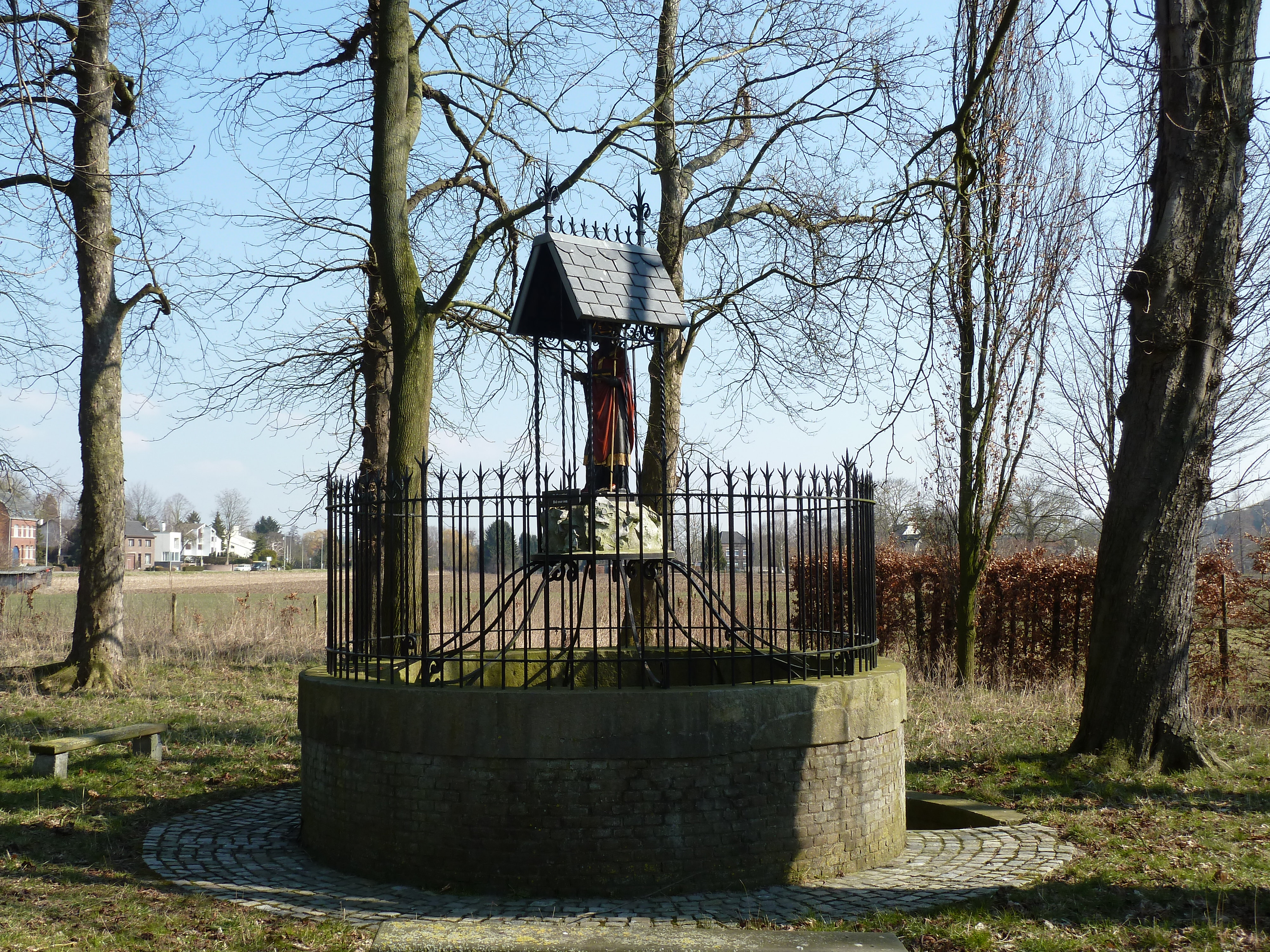
Discover the Magic of Sint Servaasbron – Maastricht’s Hidden Spring Gem
If you think Maastricht’s charm is limited to its medieval streets and vibrant cafés, think again. Tucked away in the heart of Limburg, the Sint Servaasbron is a centuries‑old spring that offers travelers a quiet moment of history, nature, and local folklore—all in one refreshing sip of water.
1. Introduction
Imagine stepping off the bustling Vrijthof square, following a narrow cobblestone lane, and hearing the gentle murmur of water before you even see it. The Sint Servaasbron (Saint Servatius Spring) greets you with crystal‑clear water that has been flowing for centuries, nourishing the city and its legends. Whether you’re a history buff, a nature lover, or simply a curious wanderer, this modest spring is a must‑visit spot that captures the soul of Maastricht, the capital of the Dutch province of Limburg.
2. About Sint Servaasbron
A Brief Description
- Type: Natural spring (water source)
- Location: Maastricht, Limburg, Netherlands
- Coordinates: 50.833035 N, 5.670059 E
The spring emerges from the historic underground water system that once supplied the city’s early inhabitants. Though the exact height and altitude of the spring are undocumented, its presence is unmistakable: a stone basin framed by centuries‑old masonry, a subtle flow that has survived wars, floods, and urban expansion.
Historical Roots
The name Sint Servaasbron pays homage to Saint Servatius, the first bishop of Maastricht and a key figure in early Christian history of the Low Countries. According to local lore, the spring was blessed by the saint himself, granting it a reputation for healing properties. Over the Middle Ages, the water was used for both drinking and ritual purification, especially during the annual Feest van Sint Servaas (Feast of Saint Servatius).
Cultural Significance
Even today, the spring remains a symbolic gathering point. Residents often stop by to fill reusable bottles, while tourists pause for a photo against the backdrop of the historic Basilica of Saint Servatius just a short walk away. The spring’s modest size belies its importance: it’s a living reminder of Maastricht’s reliance on natural water sources before modern plumbing, and a testament to the city’s commitment to preserving its heritage.
For a deeper dive into the spring’s history, check the Dutch Wikipedia entry: Sint Servaasbron (nl).
3. How to Get There
By Air
- Maastricht Aachen Airport (MST) – The nearest international gateway (≈15 km). From the airport, rent a bike or take a taxi to the city centre.
By Train
- Maastricht Central Station – Direct connections from Dutch hubs (Amsterdam, Utrecht, Rotterdam) and Belgian cities (Liège, Brussels). From the station, the spring is a 10‑minute walk.
By Car
- From the A2/E25 highway, exit at Maastricht Noord and follow signs toward the historic centre. Parking is available at the Mosae Forum or Wyck district; both are within a 5‑minute stroll to the spring.
Walking & Biking
Maastricht is famously walkable. From Vrijthof Square, head north on Tongersestraat, turn left onto Sint Servaasstraat, and you’ll spot the spring’s stone basin after a few minutes. The city’s extensive bike‑share network (OV-fiets) also drops you off just steps away.
4. Best Time to Visit
| Season | Why Visit? | Tips |
|---|---|---|
| Spring (April–June) | The surrounding gardens burst with tulips and crocuses, adding colour to the historic setting. | Dress in layers; occasional rain showers are common. |
| Summer (July–August) | Long daylight hours let you linger at the spring after a day of exploring Maastricht’s museums and cafés. | Arrive early to avoid midday heat; bring a reusable water bottle. |
| Autumn (September–October) | Golden foliage creates a picturesque backdrop, perfect for photography. | Pack a light jacket; the evenings can be crisp. |
| Winter (November–March) | Fewer tourists, a quiet atmosphere, and the chance to see the spring framed by festive lights during the city’s Christmas market. | Wear warm clothing; the water may be cooler, but the ambiance is magical. |
Overall, late spring to early autumn offers the most comfortable weather for strolling and photo‑ops, but the spring’s charm endures year‑round.
5. What to Expect
The Senses
- Sight: A modest stone basin set against historic brick walls, often surrounded by moss and low‑lying ferns. The water glistens under the soft Limburg sun, reflecting nearby cobblestones.
- Sound: A gentle, continuous trickle that blends with distant church bells and the murmur of city life.
- Touch: Cool, fresh water that you can taste straight from the basin—an authentic experience that few modern attractions offer.
Atmosphere
The spring is usually quiet, with a few locals chatting, tourists snapping photos, and occasional street musicians adding a soft soundtrack. You’ll notice a subtle reverence—people often pause, cup their hands, and sip the water, honoring the centuries‑old tradition.
Nearby Amenities
- Restrooms: Public facilities are available at the Basilica of Saint Servatius (a short walk away).
- Cafés: The historic Café Zondag and Café Zondag on Vrijthof serve Dutch pastries and coffee, perfect for a post‑visit treat.
6. Nearby Attractions
While the Sint Servaasbron is the star of the show, its central location makes it an ideal launchpad for exploring other Limburg gems—all within a 2‑kilometre radius.
- Fountain 1 – A charming decorative fountain located 1.6 km away. Explore here
- Fountain 2 – Another historic water feature just 1.6 km from the spring. Explore here
- Fountain 3 – A modern urban fountain, perfect for a quick photo stop, also 1.6 km away. Explore here
- Weir (Stuw) – A small weir on the Jeker River, 1.7 km away, offering scenic riverwalk views. Explore here
- Fountain 4 – A lesser‑known but beautifully lit fountain, 1.7 km from the spring. Explore here
Tip: Combine these spots into a leisurely “Water Walk”—start at Sint Servaasbron, then meander through the city’s historic streets, stopping at each fountain and the weir for photos and a sip of local ambiance.
7. Travel Tips
| Tip | Details |
|---|---|
| Bring a reusable bottle | The spring’s water is safe to drink, so you can stay hydrated while reducing plastic waste. |
| Wear comfortable shoes | Cobblestone streets can be uneven; sturdy walking shoes ensure a pleasant stroll. |
| Check opening hours of nearby sites | While the spring is always accessible, attractions like the Basilica of Saint Servatius have specific visiting times. |
| Respect local customs | Many locals treat the spring as a sacred spot—avoid littering and keep noise levels low. |
| Capture the moment | Early morning light offers the best photography conditions; bring a wide‑angle lens for the stone basin and surrounding architecture. |
| Seasonal events | If you’re visiting in late February, you might catch the Sint Servaas Procession, a traditional parade that passes near the spring. |
| Currency | The Netherlands uses the Euro (€). Credit cards are widely accepted, but having some cash for small vendors is handy. |
| Language | Dutch is the official language, but English is commonly spoken in tourist areas. A few Dutch phrases (“Dank u wel”, “Alstublieft”) go a long way. |
| Safety | Maastricht is a safe city. Keep an eye on personal belongings, especially in crowded market areas. |
| Public transport | The city’s bus network (Arriva) connects the central station with outlying neighborhoods; a day pass is cost‑effective for multiple trips. |
Final Thoughts
The Sint Servaasbron may not boast towering heights or extravagant fountains, but its quiet elegance, deep historical roots, and refreshing water make it a standout highlight for any traveler exploring Maastricht and the wider Limburg region. By weaving this spring into your itinerary, you’ll experience a piece of Dutch heritage that many visitors overlook—a simple yet profound reminder of how water shapes culture, community, and memory.
So, next time you find yourself wandering the charming streets of Maastricht, let the gentle murmur of the Sint Servaasbron guide you to a moment of calm, connection, and perhaps a sip of history itself. Safe travels, and enjoy every drop of the journey!