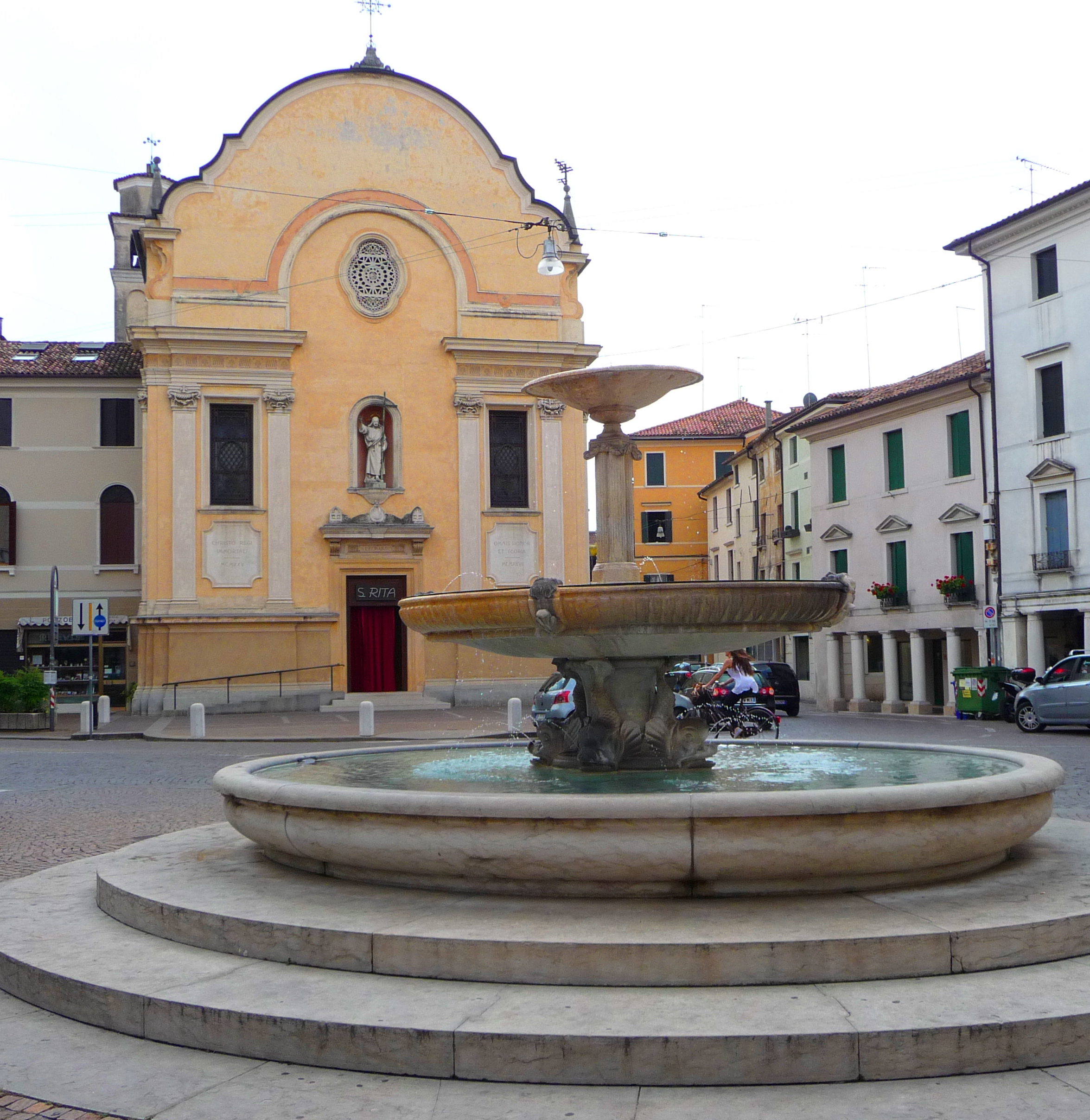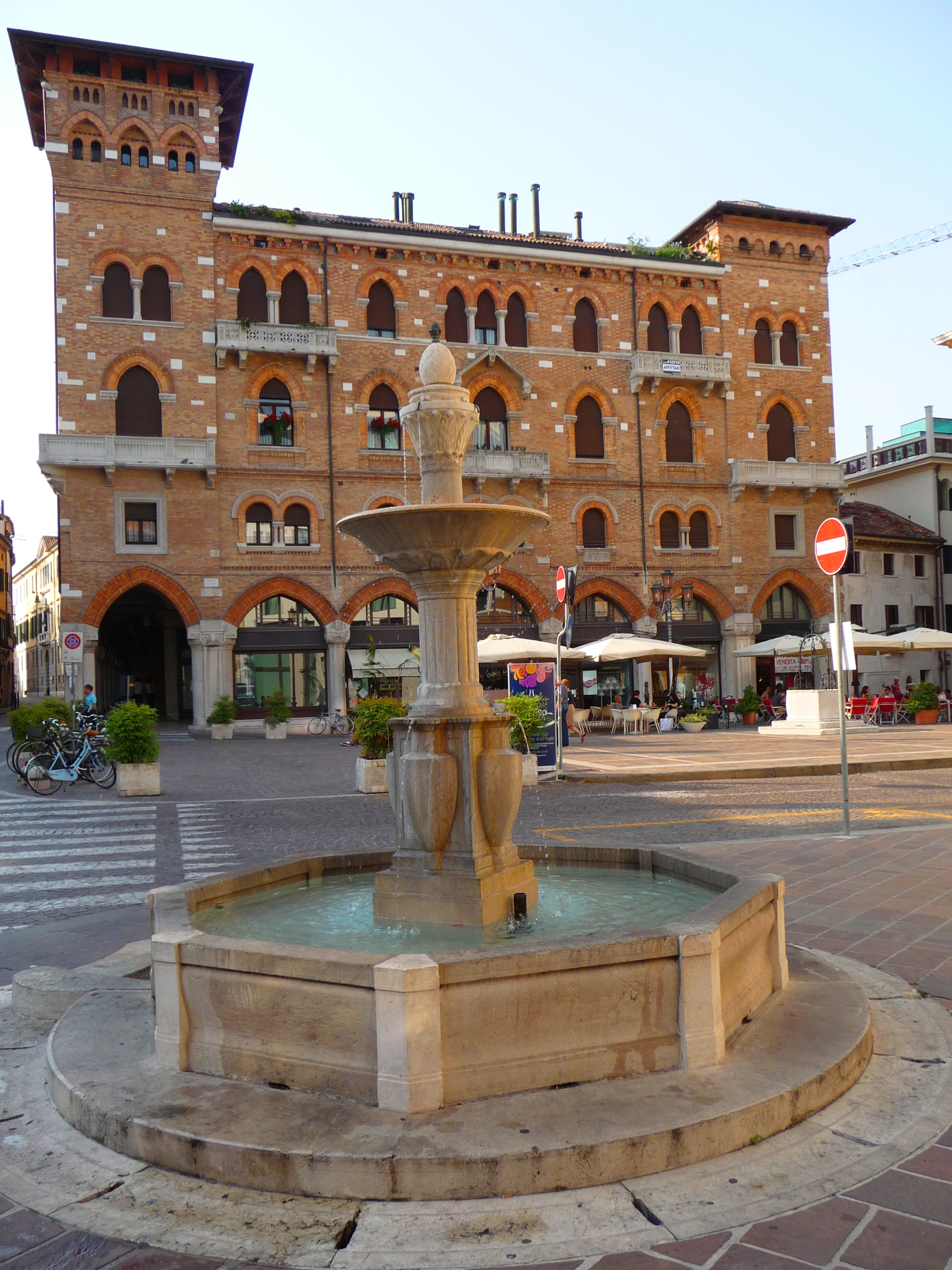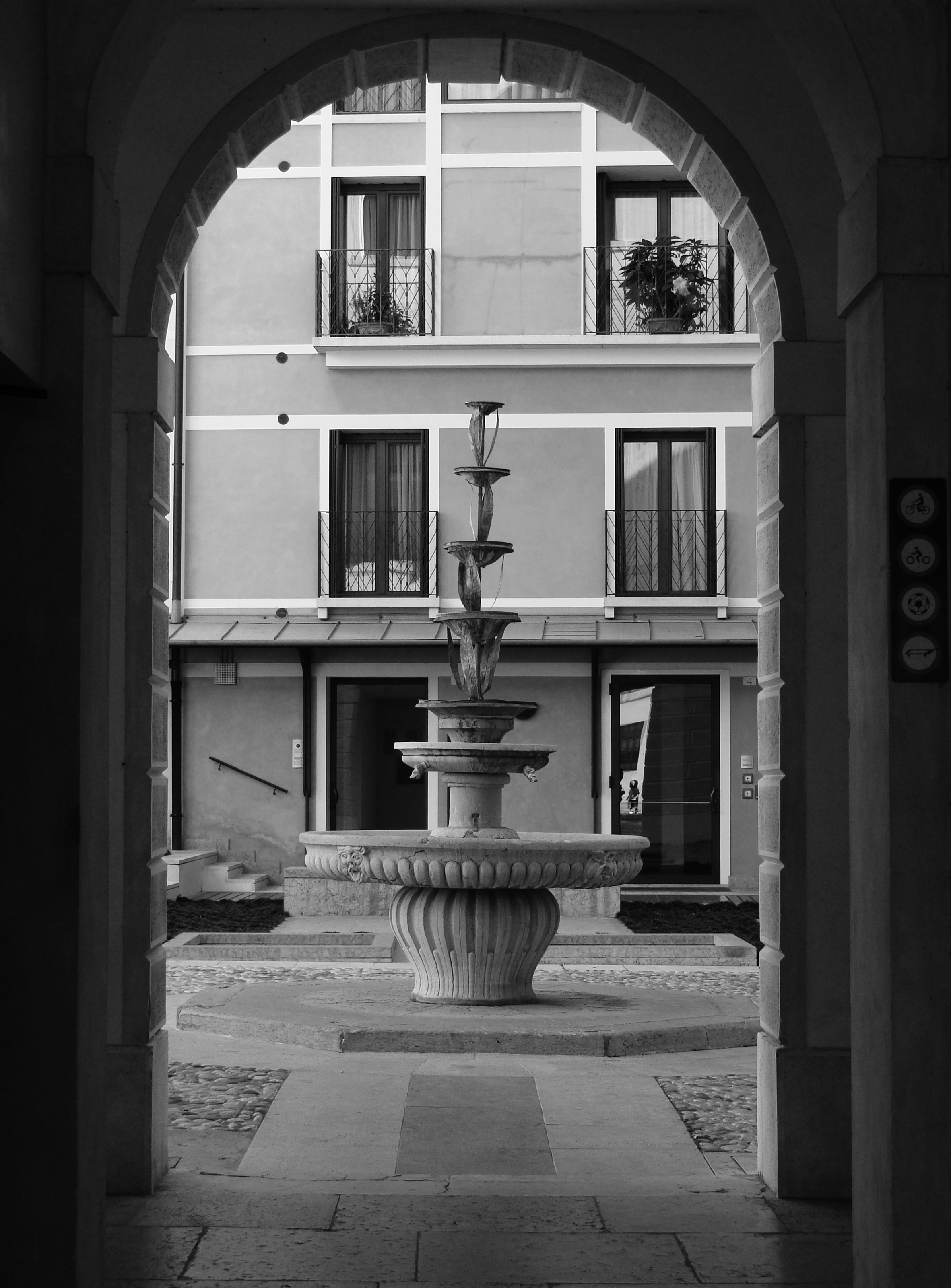
Discover the Charm of Fontana dell'Ospedale di Santa Maria dei Battuti – Treviso’s Hidden Fountain Gem
If you think Venice is the only city in Veneto with enchanting waterworks, think again. Tucked away in the historic heart of Treviso, the Fontana dell’Ospedale di Santa Maria dei Battuti is a quiet yet captivating fountain that tells a story of centuries‑old charity, art, and community life. Let’s dive into why this modest stone masterpiece deserves a spot on your Veneto itinerary.
1. Introduction
Imagine strolling through Treviso’s winding medieval streets, the scent of fresh espresso drifting from a nearby café, and the gentle sound of water echoing from a centuries‑old stone basin. That’s the moment you’ll experience at the Fontana dell’Ospedale di Santa Maria dei Battuti, a modest but historically rich fountain that has been quenching the thirst of locals and pilgrims alike for generations.
While the more famous canals of Venice dominate travel guides, Treviso offers a quieter, authentic slice of Veneto life—complete with piazzas, frescoed palazzi, and hidden fountains like this one. Whether you’re a history buff, a photography enthusiast, or simply a traveler seeking off‑the‑beaten‑path charm, this fountain is a perfect micro‑adventure.
2. About the Fontana dell’Ospedale di Santa Maria dei Battuti
A Brief History
The fountain is an integral part of the former Ospedale di Santa Maria dei Battuti, a medieval charitable institution founded by the Battuti (the “Beatitudes” order). The hospital served the poor, the sick, and travelers passing through Treviso, offering both medical care and a place to rest.
The stone fountain was installed to provide clean water to patients, staff, and the surrounding neighborhood—a vital resource before modern plumbing. Over the centuries, the basin has been restored several times, preserving its original Renaissance stonework while adapting to the city’s evolving needs.
Architectural Highlights
- Material: Crafted from locally quarried stone, the fountain showcases the sturdy yet elegant masonry typical of Veneto’s public works.
- Design: A simple rectangular basin rests on a low pedestal, crowned by a modest cornice. Though unadorned compared with the grandiose fountains of Venice, its clean lines exude a timeless serenity.
- Location: Nestled in a quiet corner of the historic district, the fountain sits near the former hospital’s cloister, allowing visitors to glimpse the layered history of Treviso’s charitable past.
Cultural Significance
Beyond its practical purpose, the fountain symbolizes the spirit of community care that defined the Battuti order. It stands as a reminder that public water sources were once lifelines, fostering social interaction and collective well‑being. Today, locals still gather around the fountain to chat, sip a cappuccino, or simply pause for a reflective moment—continuing a tradition that spans centuries.
3. How to Get There
By Air
- Nearest airports: Venice Marco Polo (VCE) and Treviso Airport (TSF). Both airports are well‑connected to major European hubs.
- From the airport: Take a regional train or bus to Treviso’s central station (Stazione di Treviso). The journey from Venice Airport takes roughly 30 minutes, while Treviso Airport is only a 15‑minute shuttle ride away.
By Train
- High‑speed options: Trenitalia Frecciarossa and Italo trains connect Rome, Milan, and Florence directly to Treviso.
- Regional connections: From Venice’s Santa Lucia station, a 30‑minute regional train brings you to Treviso in comfort.
From the Train Station to the Fountain
- Exit Treviso station onto Via della Stazione.
- Walk north along Via San Zeno for about 600 m (≈ 7 minutes).
- Turn right onto Via San Giovanni; the historic hospital complex appears on your left.
- Continue straight for another 200 m; the fountain sits just outside the former hospital’s courtyard, marked by a modest stone plaque.
Coordinates: 45.664575, 12.249673 – plug these into any GPS app for pinpoint accuracy.
By Car / Bike
- Parking: Limited street parking is available on Via San Giovanni. For a hassle‑free experience, use the public parking lot at Parcheggio Piazza del Grano (≈ 10‑minute walk).
- Bike-friendly: Treviso’s city center is largely traffic‑free, making it ideal for cyclists. Bike rental stations are scattered near the train station and Piazza dei Signori.
4. Best Time to Visit
| Season | Weather & Atmosphere | Why Visit |
|---|---|---|
| Spring (Mar‑May) | Mild temperatures (15‑22 °C), blossoming gardens | Ideal for strolling the historic center and capturing the fountain bathed in soft daylight. |
| Summer (Jun‑Aug) | Warm to hot (25‑35 °C), occasional thunderstorms | Early mornings or late evenings are best to avoid crowds and heat. |
| Autumn (Sep‑Nov) | Pleasant (18‑24 °C), golden foliage | The fountain’s stone glows beautifully against the amber hues of fall. |
| Winter (Dec‑Feb) | Cool (5‑12 °C), occasional fog | Quiet ambiance; perfect for reflective moments and low‑light photography. |
Tip: The fountain is especially photogenic during the “golden hour” (just after sunrise or before sunset) when the stone’s texture catches a warm glow.
5. What to Expect
- A tranquil oasis: Unlike the bustling squares of Venice, this spot offers a calm, contemplative environment. Expect a few locals, perhaps an elderly gentleman feeding pigeons, and the occasional tourist snapping photos.
- Historical ambiance: The surrounding hospital cloister, with its arched windows and faded frescoes, adds depth to the experience.
- Refreshments nearby: A short walk brings you to Caffè dei Battuti, a family‑run espresso bar where you can enjoy a cappuccino while admiring the fountain’s reflection.
- Photography opportunities: The stone basin, the subtle play of water, and the surrounding architecture provide excellent material for both wide‑angle city shots and intimate detail photos.
6. Nearby Attractions
Treviso’s historic core is compact, allowing you to explore several points of interest within a short stroll from the fountain. Below are the five nearby fountains (all within 0.2 km) that enrich the water‑themed walking tour:
- Fontana del Lungo – A modest stone fountain located near Via Lungo, just a few steps away.
- Fontana di San Zeno – Situated close to the Church of San Zeno, this fountain adds a spiritual touch to the route.
- Fontana della Piazza – Nestled in the lively Piazza del Mercato, perfect for a quick coffee break.
- Fontana del Cimitero – A quiet spot adjacent to the historic cemetery, offering a reflective atmosphere.
- Fontana della Via Roma – Located on the bustling Via Roma, blending modern life with historic charm.
While specific Wikipedia pages for these smaller fountains are limited, you can explore them on Google Maps by searching their names.
Other Must‑See Sites (within 10‑minute walk)
- Piazza dei Signori – Treviso’s main square, surrounded by elegant arcades and the iconic Loggia dei Cavalieri.
- Cattedrale di San Pietro Apostolo – A stunning cathedral featuring a blend of Romanesque and Gothic styles.
- Museo di Santa Caterina – Housed in a former convent, this museum showcases medieval art and local history.
- Canal Grande (Sile River) – Take a leisurely boat ride or walk along the riverbanks for a different perspective of the city.
7. Travel Tips
| Tip | Details |
|---|---|
| Dress comfortably | Cobblestone streets can be uneven; wear sturdy shoes. |
| Carry cash | Small cafés and market stalls may prefer euros in cash. |
| Stay hydrated | While the fountain is historic, the water isn’t potable. Bring a reusable bottle. |
| Respect the site | Avoid climbing on the stone basin; preserve its integrity for future visitors. |
| Timing | Arrive early (8‑9 am) on weekdays for the quietest experience. |
| Language | Italian is the primary language; a few basic phrases (e.g., “Buongiorno”, “Grazie”) go a long way. |
| Local events | Check Treviso’s municipal website for festivals; the fountain area sometimes hosts small cultural performances in summer. |
| Photography | No flash needed; natural light highlights the stone’s texture. |
| Connectivity | Free Wi‑Fi is available at most cafés in the historic center. |
| Safety | Treviso is generally safe, but keep an eye on personal belongings in crowded areas. |
Wrap‑Up
The Fontana dell’Ospedale di Santa Maria dei Battuti may not have the grandeur of a Venetian piazza, but its quiet elegance, deep-rooted history, and central location make it a hidden treasure for any traveler exploring Veneto. Pair it with a leisurely coffee, a walk through nearby historic fountains, and a bite of local cicchetti, and you’ll experience Treviso’s authentic rhythm—one that celebrates community, art, and the simple pleasure of water flowing through stone.
Ready to add this charming fountain to your Italian itinerary? Pack your camera, slip on comfortable shoes, and let Treviso’s timeless waters welcome you. Safe travels!