Discover the Hidden Charm of Ninfeo di Palazzo Racani Arroni – Spoleto’s Secret Fountain
If you think you’ve seen every corner of Umbria, think again. Nestled in the historic heart of Spoleto, the Ninfeo di Palazzo Racani Arroni is a modest yet mesmerizing fountain that whispers stories of Renaissance elegance, local craftsmanship, and the timeless flow of Italian life. In this guide, we’ll take you on a virtual stroll to this hidden gem, show you how to reach it, reveal the best moments to visit, and point you toward nearby attractions that complete a perfect Spoleto day‑trip.
1. Introduction
Imagine stepping onto a cobblestone piazza where the gentle murmur of water blends with the echo of centuries‑old footsteps. The Ninfeo di Palazzo Racani Arroni (pronounced Nee‑neh‑foh dee Pal‑la‑zo Ra‑ka‑ni Ar‑ro‑ni) is exactly that – a small, elegant fountain perched beside the historic Palazzo Racani Arroni, offering a tranquil oasis amid Spoleto’s bustling historic centre.
While many travelers flock to the grand Fontana di Piazza del Duomo, this understated ninfeo often slips under the radar, rewarding the curious wanderer with an authentic slice of Umbrian heritage. Whether you’re a photography enthusiast, a history buff, or simply seeking a quiet spot to sip an espresso, the ninfeo invites you to pause, reflect, and soak in the atmosphere of one of Italy’s most enchanting towns.
2. About Ninfeo di Palazzo Racani Arroni
A Brief Description
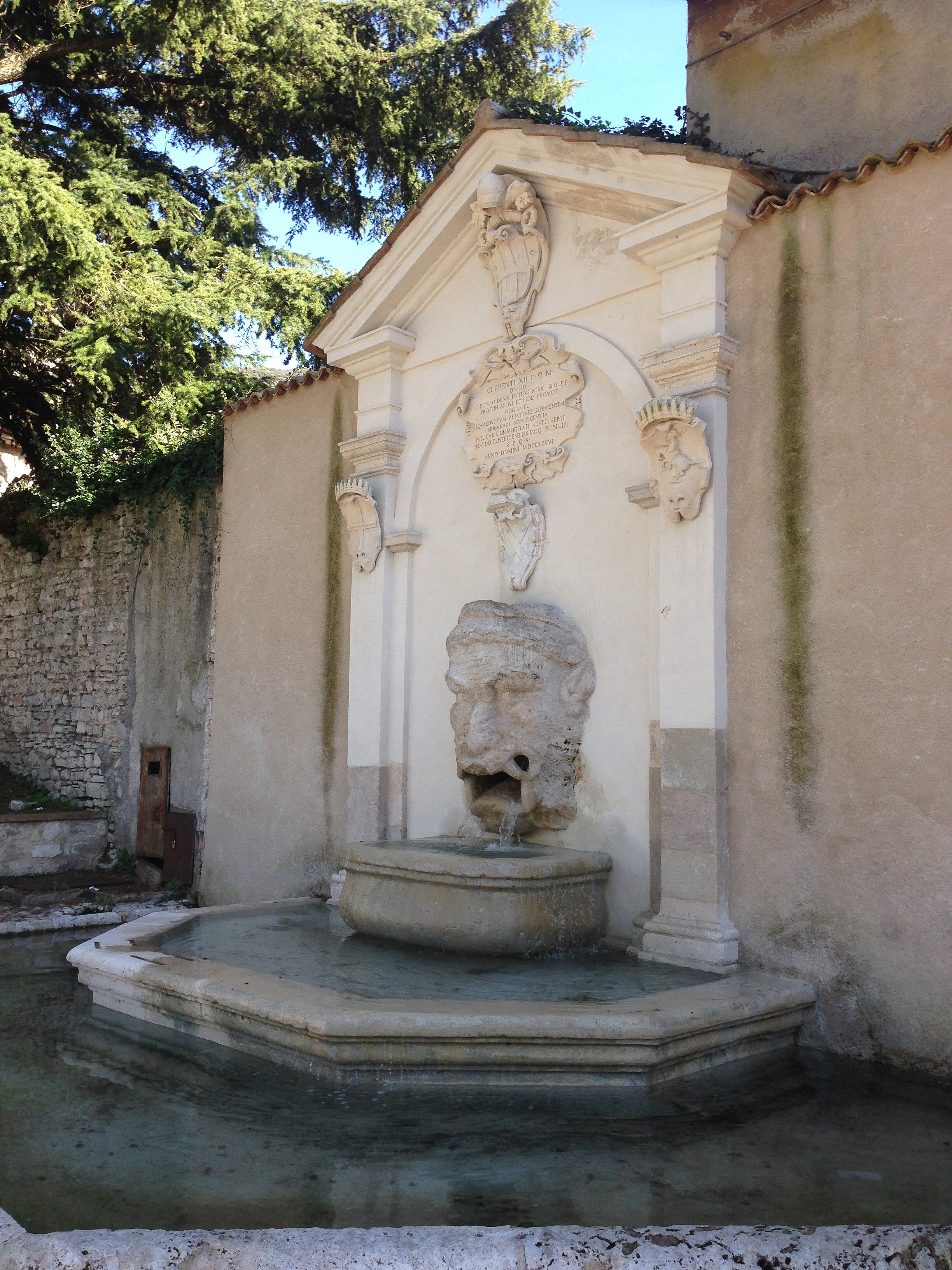
The Ninfeo di Palazzo Racani Arroni is a stone fountain set against the façade of the eponymous Palazzo Racani Arroni, a Renaissance palace that once housed a noble Umbrian family. The fountain’s design is simple yet elegant: a shallow basin collects the water that gently cascades from a modest stone spout, creating a soothing soundscape that complements the surrounding architecture.
Historical Roots
Although the exact construction date of the ninfeo is not recorded, its presence is intimately tied to the history of the Palazzo Racani Arroni, a residence that dates back to the late 15th–early 16th centuries. During the Renaissance, fountains such as this one were not merely decorative; they served practical purposes—providing fresh water to the palace’s inhabitants and to passers‑by. Over time, the ninfeo evolved into a symbolic element of civic pride, reflecting Spoleto’s commitment to public art and communal spaces.
Cultural Significance
In Umbria, fountains have traditionally acted as social hubs where locals gather, exchange news, and celebrate festivals. The Ninfeo di Palazzo Racani Arroni continues this legacy. Its modest scale encourages intimate conversation, making it a favored meeting point for locals and an alluring backdrop for travelers seeking authentic Umbrian moments. Moreover, the fountain contributes to Spoleto’s broader network of historic water features, each narrating a chapter of the city’s evolution from medieval stronghold to Renaissance cultural centre.
3. How to Get There
By Air
The nearest major airport is Perugia San Francesco d’Assisi – Umbria International Airport (PEG), about 90 km north of Spoleto. From the airport, rent a car or catch a regional bus to the city.
By Train
Spoleto is well‑connected by train. The Spoleto railway station (Stazione di Spoleto) sits on the Rome‑Ancona line, with regular services from Rome, Florence, and Perugia. From the station, the ninfeo is a pleasant 15‑minute walk through the historic centre.
Walking directions:
1. Exit the station onto Via San Francesco.
2. Turn left onto Via San Francesco and continue onto Via S. Maria del Popolo.
3. Follow signs for Piazza del Duomo – the main square.
4. The ninfeo is located just a few steps off the square, adjacent to Palazzo Racani Arroni (coordinates 42.734705, 12.739215).
By Car
If you’re driving, park in one of the public garages near Piazza del Duomo (e.g., Garage Piazza del Duomo). From there, it’s a short stroll to the ninfeo. Note that Spoleto’s historic centre has limited traffic zones (ZTL); be sure to check local signage if you’re unfamiliar with Italian ZTL regulations.
By Bus
Regional bus lines (e.g., Bus 1 and Bus 2) operated by T.U.R. connect Spoleto with surrounding towns such as Foligno, Assisi, and Perugia. Most routes stop at Piazza del Duomo, placing you within immediate walking distance of the ninfeo.
4. Best Time to Visit
Spring (April–June)
The mild Umbrian climate makes spring the ideal season. Blossoming almond trees line the streets, and the fountain’s water glistens under soft sunshine—perfect for photography.
Autumn (September–October)
Golden leaves and cooler evenings create a romantic ambience. The ninfeo’s gentle murmur pairs beautifully with a glass of Sagrantino di Montefalco, a local red wine you can enjoy at nearby cafés.
Winter (November–February)
While the fountain may be quieter, the historic centre’s festive lights and occasional holiday markets give the ninfeo a cozy, intimate feel. Dress warmly and savor a hot chocolate while watching the water flow.
Summer (July–August)
Spoleto can be hot in midsummer, but early mornings and late evenings remain pleasant. Visiting the ninfeo at sunrise offers a tranquil, almost empty setting—ideal for meditative moments.
5. What to Expect
Arriving at the Ninfeo di Palazzo Racani Arroni, you’ll first notice the harmonious blend of stone and water. The fountain’s basin reflects the surrounding Renaissance façade, creating a mirror‑like effect that captures the play of light throughout the day.
Sensory experience:
- Sound: A soft, continuous trickle that masks city noise, inviting contemplation.
- Sight: Crystal‑clear water that shimmers against the aged stone, framed by ivy‑clad walls.
- Touch: If you’re lucky, locals may allow you to dip your fingertips into the cool water—a tradition that dates back centuries.
The surrounding square often hosts street musicians, artisans, and local vendors selling olive oil, truffle products, and hand‑crafted ceramics. Take a seat on a nearby stone bench, order a cappuccino from a nearby café, and let the fountain’s rhythm set the tempo for your Spoleto adventure.
6. Nearby Attractions
Spoleto’s historic centre is a compact treasure trove of fountains, churches, and museums—all within a comfortable walking radius of the ninfeo. Below are the top spots you can explore on the same day:
| Attraction | Distance | Why Visit | Link |
|---|---|---|---|
| Fontana di Piazza del Duomo | 0 km (same square) | The city’s most iconic fountain, surrounded by the Duomo and lively cafés. | Fontana di Piazza del Duomo |
| Fontanella dell'Arcivescovado | 0.1 km | A delicate stone fountain near the Archbishop’s Palace, perfect for a quick photo stop. | Fontanella dell'Arcivescovado |
| Fontana del Mascherone | 0.1 km | Features a whimsical mask sculpture; a favorite among families. | Fontana del Mascherone |
| Fontane di Palazzo Campello | 0.1 km | Set within the elegant Palazzo Campello, showcasing Baroque water engineering. | Fontane di Palazzo Campello |
| Fonte di Piazza | 0.1 km | A modest public fountain that adds to the charm of the central square. | Fonte di Piazza |
Bonus spots:
- Spoleto Cathedral (Duomo di Spoleto) – a Romanesque‑Gothic masterpiece with breathtaking frescoes.
- Rocca Albornoziana – a medieval fortress offering panoramic views of the Umbrian valley.
All these attractions are comfortably reachable on foot, making the area perfect for a leisurely walking tour.
7. Travel Tips
| Tip | Details |
|---|---|
| Dress comfortably | Cobblestones can be uneven; wear supportive shoes and bring a light jacket for evenings. |
| Stay hydrated | Even though the fountain is beautiful, avoid drinking the water unless it’s clearly marked as potable. |
| Timing | Arrive early (7–8 am) for the quietest experience and the best light for photos. |
| Local etiquette | It’s customary to greet locals with a friendly “Buongiorno” when passing by the fountain. |
| Currency | Italy uses the Euro (€). Many small vendors accept cards, but carry some cash for market stalls. |
| Language | Italian is the primary language; a few basic phrases (“Grazie”, “Per favore”) go a long way. |
| Photography | The ninfeo looks spectacular at sunrise and sunset; consider using a polarizing filter to reduce glare on the water. |
| Food & drink | Sample local specialties like torta al testo, umbricelli pasta, and vino rosso at nearby trattorias. |
| Safety | Spoleto is generally safe, but keep an eye on personal belongings in crowded areas. |
| Sustainability | Respect the historic site: avoid touching frescoes, keep the area clean, and use refillable water bottles. |
Final Thoughts
The Ninfeo di Palazzo Racani Arroni may not dominate travel guide headlines, but that’s precisely why it feels like a secret worth sharing. Its quiet elegance, historical resonance, and central location make it an essential stop for anyone exploring Spoleto, Umbria, or the broader tapestry of Italian heritage.
So, the next time you find yourself wandering the winding lanes of Umbria, let the soft splash of this hidden fountain guide you to a moment of pause—where history, art, and the simple joy of flowing water converge.
Happy travels, and may the waters of the ninfeo refresh your spirit as you discover the heart of Spoleto!