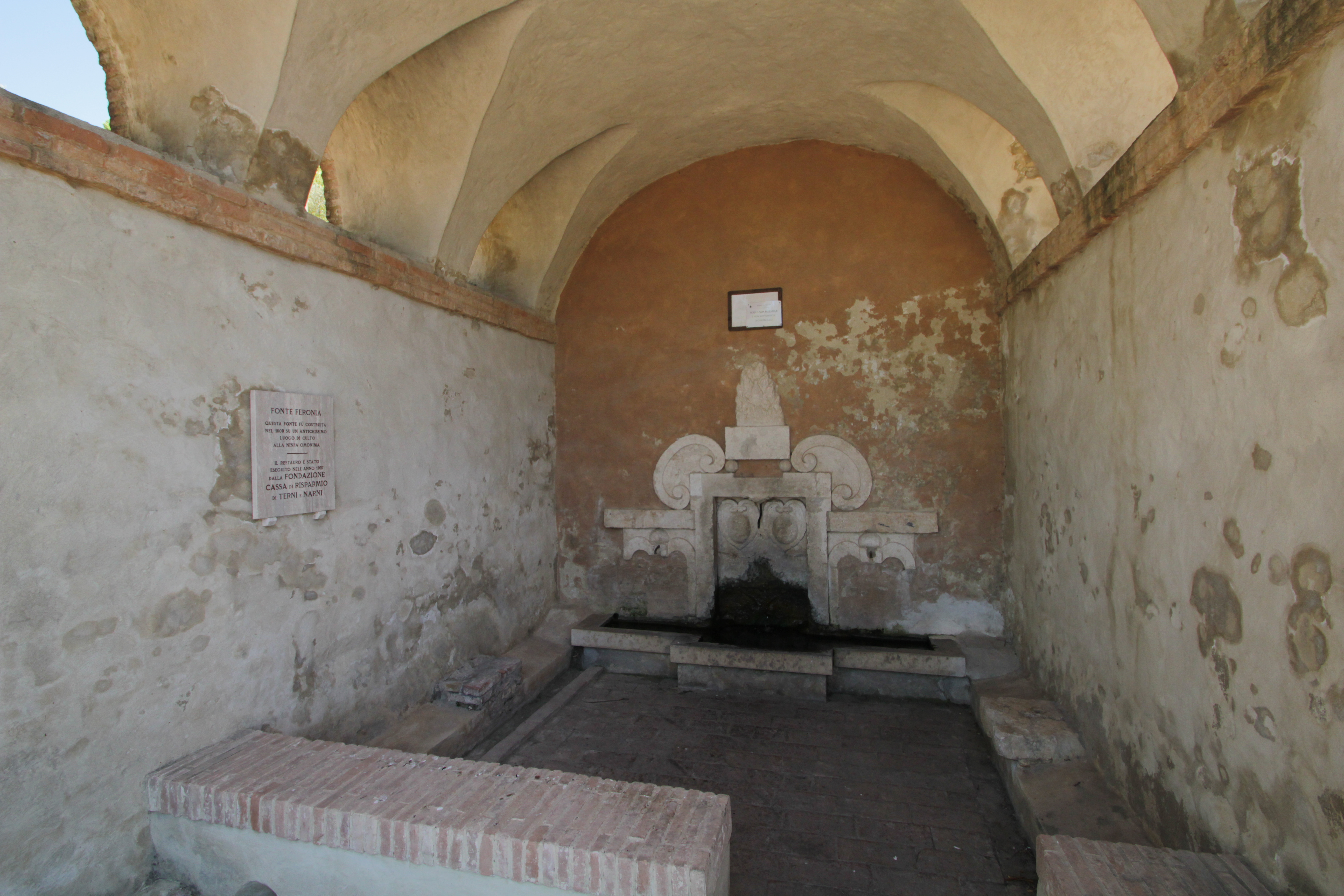
Fonte Feronia – A Hidden Roman Gem in the Heart of Umbria
If you think Umbria is only about rolling hills, medieval towns, and truffle‑laden plates, think again. Nestled just a stone’s throw from the historic centre of Narni, the ancient Fonte Feronia offers a quiet moment of timeless beauty that feels like stepping back into the Roman Empire.
1. Introduction
Travelers who wander off the beaten path in Umbria often discover the region’s most authentic treasures: a centuries‑old stone fountain, a whisper of myth, and a splash of cool water that has quenched locals for millennia. Fonte Feronia (Italian for “Feronia’s Fountain”) is exactly that – a modest yet striking Roman‑era fountain that sits at the crossroads of history, legend, and everyday life in Narni.
Whether you’re a history buff, a photography enthusiast, or simply a curious wanderer looking for a peaceful spot to pause, this fountain is a must‑see stop on any Umbria itinerary. In this guide we’ll explore the fountain’s story, how to get there, the best visiting times, what you’ll experience on site, and the nearby attractions that make the area a perfect day‑trip cluster.
2. About Fonte Feronia
A Brief History
Fonte Feronia dates back to the Roman period and was originally a spring dedicated to the goddess Feronia, a deity associated with fertility, abundance, and the protection of freed slaves. The spring lay along the ancient Via Flaminia, the crucial Roman road that linked Rome with the Adriatic coast. As Narni (known as Narnia in antiquity) grew into a bustling market town, the fountain became a vital water source for travelers, soldiers, and locals alike.
Over the centuries, the stone basin was reshaped by medieval and Renaissance hands, yet the core Roman structure remains visible. The fountain’s enduring presence tells the story of Narni’s evolution—from a Roman outpost to a medieval hill‑town, and finally to the vibrant cultural hub it is today.
Why It Matters
- Cultural significance – Fonte Feronia is one of the few surviving Roman‑era water sources in Umbria, offering a tangible link to the region’s ancient past.
- Mythical charm – The dedication to Feronia adds a layer of folklore; locals once believed the waters could bring fertility and good fortune.
- Architectural interest – The stonework showcases typical Roman engineering: a robust basin, a simple yet elegant water channel, and an inscription‑ready surface that has survived millennia.
If you’re searching for “historic fountains in Italy” or “Roman water sources Umbria,” Fonte Feronia will appear prominently—making it an SEO‑friendly highlight for travel blogs and guidebooks alike.
3. How to Get There
By Air
- Perugia San Francesco d'Assisi Airport (PEG) – The closest regional airport (≈ 80 km). From there, rent a car or catch a bus to Narni.
- Rome Fiumicino (FCO) / Ciampino (CIA) – Major international gateways (≈ 150 km). A high‑speed train to Orvieto followed by a regional train to Narni is a comfortable option.
By Train
- Narni‑Sassoferrato Station – Served by Trenitalia regional trains from Rome, Florence, and Perugia. The station sits in the town centre, a 10‑minute walk to Fonte Feronia.
By Car
- From Rome: Take the A1/E35 north to Orvieto, then follow the SS3 “Via Flaminia” signs to Narni. Parking is available at the municipal lot near Piazza del Popolo.
- From Perugia: Drive east on the SS3, crossing the Nera River into Narni.
By Bus
- Bus line 33 (operated by Cotral) connects Perugia, Terni, and Narni. Check the latest timetables online.
Exact Location
- Coordinates:
42.512090, 12.521444 - Address: Via della Fonte, 05100 Narni TR, Italy
A quick Google Maps search for “Fonte Feronia” will drop you right at the stone basin, just a short stroll from Narni’s historic centre and the impressive Narni Cathedral.
4. Best Time to Visit
| Season | Weather | Visitor Flow | Why It’s Ideal |
|---|---|---|---|
| Spring (April‑June) | Mild temperatures (15‑22 °C), blooming countryside | Low‑to‑moderate | Comfortable walking, vibrant flora, perfect for photography. |
| Summer (July‑August) | Warm to hot (25‑35 °C) | Higher (tourist peak) | Longer daylight hours, but bring water and sunscreen. |
| Autumn (September‑October) | Pleasant (18‑24 °C), golden light | Low‑to‑moderate | Harvest festivals in nearby towns, fewer crowds, crisp air. |
| Winter (November‑March) | Cool to cold (5‑12 °C), occasional rain | Very low | Quiet, atmospheric, but some attractions may have reduced hours. |
Insider tip: Arriving early in the morning (around 8 am) during spring or autumn gives you soft natural light and virtually no crowds—ideal for capturing the fountain’s stone textures and the gentle flow of water.
5. What to Expect
The Setting
Fonte Feronia sits on a modest piazza flanked by narrow cobblestone lanes and historic stone houses. The fountain itself is a rectangular stone basin with a simple, rounded water spout that gently cascades into the pool below. Although the exact height is unknown, the basin sits just a foot above ground level, inviting visitors to sit on the surrounding stone ledge and listen to the soothing sound of water.
Sensory Experience
- Visual: The weathered limestone glows golden in the afternoon sun; mossy patches add a touch of green. In winter, a thin veil of frost can give the fountain an ethereal feel.
- Auditory: The constant, soft murmur of water creates a natural soundtrack that drowns out city noise.
- Tactile: The stone is cool to the touch, especially in the early morning. Feel free to dip your fingertips in the water—locals have done so for centuries.
Cultural Vibe
Because the fountain is still functional, you’ll often see locals filling reusable bottles, children splashing, and tourists pausing for a quick photo. The blend of everyday life with ancient history makes Fonte Feronia feel alive, not just a museum piece.
6. Nearby Attractions
Narni’s compact historic centre makes it easy to explore several other water‑related sites within a 1‑kilometre radius. All are reachable on foot from Fonte Feronia.
- Fontana del Moro – 0.7 km away. A medieval fountain featuring a decorative lion’s head, perfect for a quick photo stop.
- Unnamed Fountain (0.8 km) – A small, charming spring tucked behind a narrow alley; ideal for a quiet moment.
- Fontana di San Salvato – 1.0 km away. Located near the Church of San Salvato, this fountain showcases Renaissance stone carving.
- Weir (1.0 km) – An ancient water‑management structure that once regulated flow to the Nera River; history enthusiasts will appreciate its engineering.
- Unnamed Fountain (1.1 km) – Another modest spring that adds to the “fountain trail” of Narni.
These sites can be combined into a leisurely “Fountain Walk” that lasts about an hour, giving you a comprehensive glimpse of Narni’s relationship with water across the ages.
7. Travel Tips
| Tip | Details |
|---|---|
| Wear comfortable shoes | Narni’s streets are cobbled and often steep. Good walking shoes will keep you steady. |
| Bring a reusable water bottle | The fountain’s water is safe to drink, and you’ll stay hydrated while exploring. |
| Check opening hours of nearby attractions | While the fountain is always accessible, museums and churches may close early in winter. |
| Capture the light | The best natural lighting occurs just after sunrise or before sunset. Use a polarizing filter to reduce glare on the water. |
| Respect the site | Do not climb on the stone basin or litter. Preserve the historic ambiance for future visitors. |
| Local cuisine | After your fountain tour, stop at a nearby trattoria for strangozzi al tartufo (regional pasta with truffle) and a glass of Orvieto Classico. |
| Currency | Italy uses the Euro (€). Many small shops accept cards, but keep some cash for tiny cafés or market stalls. |
| Language | Italian is the primary language; a few phrases like “Buongiorno” and “Grazie” go a long way. |
| Safety | Narni is a low‑crime town, but keep an eye on personal belongings in crowded areas. |
Final Thought
Fonte Feronia may not boast the grandeur of Rome’s Trevi Fountain, but its quiet charm, deep Roman roots, and seamless integration into daily life make it a unique highlight for any Umbria travel itinerary. Pair it with a stroll through Narni’s medieval streets, a taste of local cuisine, and a visit to the surrounding fountains, and you’ll experience a slice of Italian history that few tourists get to see.
Pack your camera, lace up your walking shoes, and let the ancient waters of Fonte Feronia refresh your soul.
Keywords used: Fonte Feronia, Narni, Umbria travel, historic fountains Italy, Roman fountain Umbria, things to do in Narni, travel guide Umbria, visiting Fonte Feronia, Italian fountains, ancient Roman water source.