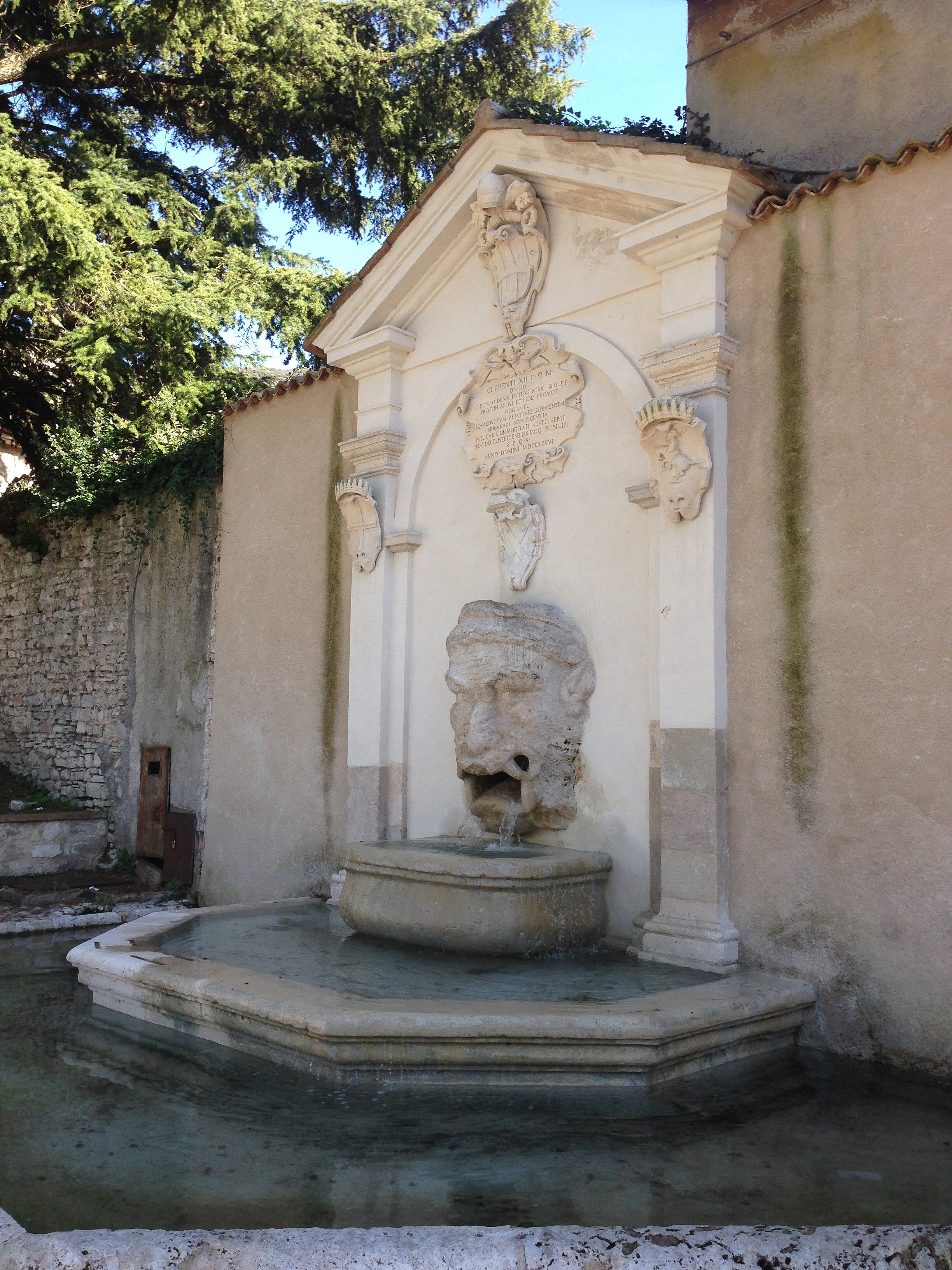
Fontanelle del Fortlizio dei Mulini – A Hidden Fountain Gem in Spoleto, Umbria
Discover the quiet charm of one of Umbria’s lesser‑known historic fountains and why it deserves a spot on your Italian itinerary.
Introduction
If you picture Umbria, you probably imagine rolling hills, medieval towns, and the scent of rosemary drifting from a kitchen window. Yet tucked away in the historic heart of Spoleto lies a tiny marvel that most guidebooks overlook: the Fontanelle del Fortlizio dei Mulini. This modest stone fountain, perched at coordinates 42.732268, 12.744945, whispers stories of centuries‑old waterworks, monastic life, and the bustling mills that once powered the town’s economy. For travelers craving authentic, off‑the‑beaten‑path experiences, the Fontanelle offers a quiet pause, a perfect photo opportunity, and a tangible connection to Umbria’s engineering heritage.
About Fontanelle del Fortlizio dei Mulini
Description
The Fontanelle del Fortlizio dei Mulini is a simple yet elegant stone basin set into the ancient walls of Spoleto’s fortified district. Though its height and altitude are not recorded, the fountain’s design reflects the utilitarian aesthetics of medieval water infrastructure: a shallow basin fed by a concealed conduit, surrounded by rough‑hewn stone that has weathered over six hundred years of rain and sunlight. The water that once surged from its mouth was drawn from the Fortilizio (the fortified part of the city) and channeled to the numerous mulini (mills) that dotted the surrounding valleys.
Historical Background
The fountain’s name translates roughly to “little fountains of the fortified mill complex.” During the Middle Ages, Spoleto’s strategic position on the Via Flaminia made it a hub for trade, agriculture, and industry. The city’s defensive walls housed a network of water channels that supplied both the populace and the water‑driven mills that ground grain, pressed olive oil, and powered local crafts. The Fontanelle served as a distribution point, allowing residents and mill workers to draw fresh water directly from the fortified system.
While precise construction dates are scarce, the fountain is mentioned in historical records of the Fontane di Spoleto (Spoleto’s fountains) and is listed on the Italian Wikipedia page for the city’s water features. Its survival through wars, earthquakes, and urban renewal speaks to the durability of Umbrian stone masonry and the community’s reverence for its water heritage.
Cultural Significance
In Umbrian culture, fountains are more than decorative elements—they are symbols of life, community, and engineering ingenuity. The Fontanelle del Fortlizio dei Mulini embodies this ethos. Locals historically gathered here to fetch water, exchange news, and pause during long walks through the fortified streets. Today, the fountain stands as a quiet reminder of Spoleto’s medieval past and a testament to the city’s ongoing relationship with its natural resources.
How to Get There
By Air
The nearest major airport is Perugia San Francesco d'Assisi – Umbria International Airport (PEG), about 70 km north of Spoleto. From the airport, rent a car or catch a regional bus to the city center (approximately 1.5 hours).
By Train
Spoleto is well‑connected by Trenitalia regional services from Rome Termini (≈ 2 hours) and Perugia (≈ 1 hour). The Spoleto railway station sits a short 10‑minute walk from the historic center where the fountain resides.
By Car
If you’re driving, take the A1 Autostrada to the Raccordo Autostradale 3 (RA3) toward Orvieto/Spoleto. Follow signs for SS3 (Via Flaminia) into Spoleto. Parking is available in several municipal lots—Parcheggio Piazza del Duomo and Parcheggio Via della Stazione are both within a 10‑minute walk of the fountain.
On Foot
The Fontanelle is located inside the medieval walled district, just a few blocks from the Spoleto Cathedral (Cattedrale di Santa Maria Assunta) and the Roman Theatre. From the main piazza, follow the narrow cobblestone lanes heading toward the Via dei Mulini; the fountain sits beside a low stone wall, marked by a subtle plaque indicating its historic name.
Best Time to Visit
| Season | Why Visit | Weather & Crowds |
|---|---|---|
| Spring (April‑June) | Blossoming gardens and mild temperatures make strolling the historic streets a delight. | Pleasant 15‑22 °C, moderate tourist flow. |
| Summer (July‑August) | Long daylight hours allow for extended exploration of Spoleto’s festivals, like the Festival dei Due Mondi. | Warm 25‑32 °C; expect more visitors—early morning visits to the fountain are recommended. |
| Autumn (September‑October) | Golden foliage, harvest festivals, and cooler evenings create a romantic atmosphere. | Comfortable 16‑24 °C; fewer crowds, perfect for photography. |
| Winter (November‑March) | Quiet streets and the chance to see the fountain dusted with occasional snowfall. | Cooler 5‑12 °C; some attractions may have reduced hours, but the fountain remains accessible. |
Optimal window: Late April to early June or late September to early October. During these periods, the light is soft, the temperature is ideal for walking, and you’ll avoid the peak summer crowds.
What to Expect
Approaching the Fontanelle, you’ll notice the subtle contrast between the polished stone of the basin and the weathered blocks that frame it. The water no longer flows continuously—most of the historic fountains in Spoleto have been converted to decorative, intermittent displays—but a small plaque explains the original water source and the mill system it served.
The surrounding alley is lined with artisan workshops, café terraces, and hand‑crafted souvenir stalls. The scent of fresh espresso mingles with the earthy aroma of stone, creating an immersive sensory experience. Take a moment to sit on the nearby stone bench, sip a cappuccino, and watch locals and tourists alike pause to admire the fountain’s quiet dignity.
Photography tips:
Golden hour (just after sunrise or before sunset) casts a warm glow on the stone, highlighting the texture.
Capture a wide shot that includes the narrow lane, the fountain, and the backdrop of the fortified walls for context.
A detail shot* of the water conduit or the plaque adds depth to your travel story.
Nearby Attractions
While you’re in the area, consider exploring these charming sites—all within a 0.5 km radius:
- Weir (0.4 km) – A historic water weir that once regulated flow to the mills. Ideal for a short walk along the riverbank.
- Weir (0.4 km) – Another small weir offering scenic views of the Umbrian countryside.
- Weir (0.4 km) – A third weir, perfect for photography of water engineering in a natural setting.
- Fontana del Mascherone (0.5 km) – A larger, ornate fountain featuring a whimsical mask sculpture, located near the main piazza.
- Weir (0.5 km) – The final nearby weir, close to a walking trail that leads toward the Parco del Fortilizio.
All these sites are easily reachable on foot, making the area ideal for a leisurely half‑day walking tour of Spoleto’s water heritage.
Travel Tips
| Tip | Details |
|---|---|
| Wear comfortable shoes | The historic centre’s cobblestones can be uneven. |
| Carry a refillable water bottle | While the fountain isn’t a drinking source, staying hydrated is essential, especially in summer. |
| Check opening hours of nearby attractions | Some museums and the Parco del Fortilizio may close earlier in winter. |
| Respect the stone | Avoid climbing on the fountain; it’s a protected historic artifact. |
| Use a local guide or audio app | The Spoleto Heritage Trail app provides audio commentary on the fountain and surrounding waterworks. |
| Combine with local cuisine | After visiting, enjoy a plate of umbricelli al tartufo at a nearby trattoria—perfect for refueling. |
| Plan for parking | Municipal lots fill quickly during festivals; arrive early or use the train station’s park‑and‑ride. |
| Stay connected | Free Wi‑Fi is available at the Piazza del Duomo Wi‑Fi hotspot—great for uploading those fountain photos. |
Final Thoughts
The Fontanelle del Fortlizio dei Mulini may not boast the grandeur of Rome’s Trevi Fountain, but its understated beauty and deep-rooted connection to Spoleto’s medieval water system make it a rewarding stop for any traveler exploring Umbria. Whether you’re a history buff, a photography enthusiast, or simply someone who loves to wander off the tourist radar, this hidden fountain invites you to pause, reflect, and drink in the timeless spirit of the Italian countryside.
Ready to add a splash of authentic Umbrian charm to your itinerary? Pack your camera, lace up those walking shoes, and let the Fontanelle guide you into the heart of Spoleto’s living history.