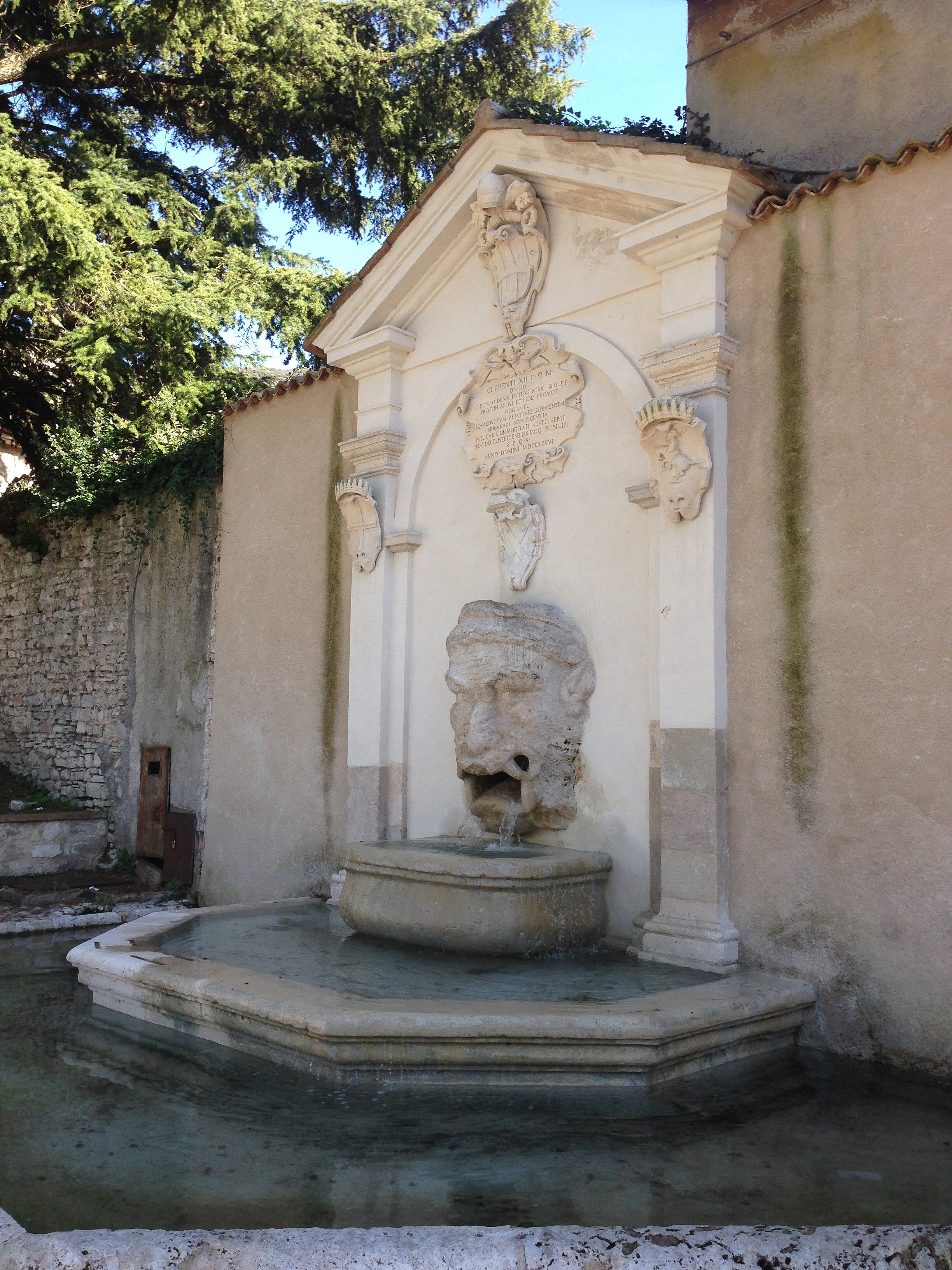
Fontanella di Palazzo Leti – A Hidden Jewel in the Heart of Spoleto, Umbria
Discover the charm of a centuries‑old fountain that whispers stories of art, water, and Umbrian life.
Introduction
If you wander the medieval streets of Spoleto, you’ll soon realize that the city’s true magic lies not only in its towering cathedral or the dramatic Festival dei Due Mondi, but also in the quiet corners where history flows—literally. One such spot is the Fontanella di Palazzo Leti, a modest yet mesmerizing fountain tucked behind the elegant Palazzo Leti. While it may not dominate guidebooks, this little water feature offers a perfect snapshot of Umbria’s blend of Renaissance architecture, local craftsmanship, and the timeless rhythm of communal life. Whether you’re a seasoned traveler chasing off‑the‑beaten‑path gems or a first‑time visitor to the region, the Fontanella di Palazzo Leti deserves a spot on your itinerary.
About Fontanella di Palazzo Leti
A Brief Description
The Fontanella di Palazzo Leti is a stone fountain situated in the historic center of Spoleto, Umbria, at coordinates 42.733060, 12.738059. Nestled within the courtyard of the Palazzo Leti, the fountain’s simple basin and gently arcing water spout create a serene focal point that contrasts beautifully with the surrounding stone façades. Though its exact height and altitude remain undocumented, its presence is unmistakable—an intimate gathering place for locals and travelers alike.
Historical Roots
The fountain is part of the larger ensemble of Fontane di Spoleto, a collection of historic water sources that have served the city since medieval times. Palazzo Leti itself was once a noble residence, and the fountain likely dates back to the period when aristocratic families commissioned private waterworks to showcase wealth and provide for household needs. While precise construction dates are scarce, the fountain’s stonework and design echo the aesthetic sensibilities of the Renaissance and early Baroque periods that shaped much of Umbria’s architectural heritage.
Cultural Significance
In Italian towns, fountains have always been more than decorative elements; they are social hubs, sources of fresh water, and symbols of civic pride. The Fontanella di Palazzo Leti continues this tradition, offering a quiet spot for a reflective pause, a meeting point for friends, or a backdrop for that perfect Instagram shot. Its modest scale invites intimacy, allowing visitors to feel the pulse of everyday life that has coursed through Spoleto’s streets for centuries.
How to Get There
By Air
The nearest major airports are Perugia San Francesco d’Assisi – Umbria International Airport (PEG) (≈ 60 km) and Rome’s Fiumicino (FCO) (≈ 180 km). From either airport, rent a car or catch a train to Spoleto and then follow the local directions below.
By Train
Spoleto is well‑connected by regional rail services from Rome Termini, Perugia, and Foligno. The Spoleto train station sits just a 15‑minute walk from the historic center. From the station, head north on Via Cavour, turn right onto Via dei Santi, and continue until you reach Piazza del Duomo—the fountain is a short stroll from there, tucked behind Palazzo Leti.
By Car
If you’re driving, take the A1 Autostrada (Rome‑Bologna) and exit at Orvieto or Foligno, then follow the SS75 toward Spoleto. Parking is available at the Piazza del Duomo lot or in the underground garage beneath the Palazzo Comunale. From the lot, walk east toward the cathedral; the fountain lies just a few minutes away, hidden behind the elegant Palazzo Leti.
Public Transportation
Local buses operated by Busitalia Umbria run frequent routes through the city center. The “Centro” line stops within a block of Palazzo Leti, making the fountain easily reachable without a car.
Best Time to Visit
| Season | Why Visit | Weather & Crowd Level |
|---|---|---|
| Spring (March‑May) | Blooming gardens, mild temperatures, and fewer tourists make for a tranquil experience. | Pleasant 15‑22 °C; light crowds. |
| Summer (June‑August) | Long daylight hours let you linger by the water after a day of sightseeing. | Warm 25‑32 °C; peak tourist season, but the fountain’s shaded courtyard stays cool. |
| Autumn (September‑November) | Golden light, harvest festivals, and comfortable evenings enhance the fountain’s ambiance. | Mild 18‑24 °C; moderate visitor numbers. |
| Winter (December‑February) | Quiet streets and a chance to see the fountain framed by festive lights. | Cool 5‑12 °C; low crowds, but some shops may close early. |
Insider tip: Arriving early in the morning (around 8 am) or late in the afternoon (after 5 pm) offers softer lighting for photography and a more peaceful atmosphere, regardless of season.
What to Expect
When you step into the courtyard behind Palazzo Leti, the first thing you’ll notice is the gentle murmur of water flowing over ancient stone. The fountain’s basin, lined with smooth marble, reflects the surrounding arches, creating a miniature tableau of Spoleto’s architectural splendor. Sunlight filters through nearby windows, casting dappled patterns on the water’s surface—perfect for a moment of contemplation or a quick sketch.
You’ll often find locals gathering for a quick chat, children splashing their hands, and tourists snapping photos. The air carries a faint scent of limestone mixed with the subtle aroma of nearby cafés, inviting you to linger over a cappuccino while watching the water dance. Because the fountain is part of a private palace courtyard, it retains an intimate feel, far from the bustling crowds of larger tourist sites.
Nearby Attractions
While you’re in the area, make sure to explore these fellow Umbrian fountains and historic spots, all within a short walk:
- Fontana del Chiostro di Sant’Ansano – Just 0.1 km away, this cloister fountain offers a peaceful oasis surrounded by medieval arches.
- Fontane di Palazzo Campello – Another elegant palace fountain located 0.1 km from Palazzo Leti, showcasing intricate stone carvings.
- Fontana dei Maccabei – A striking water feature 0.1 km away, famed for its sculptural details that echo biblical themes.
All links lead to their respective Wikipedia pages for deeper historical context.
Travel Tips
- Dress Comfortably – Cobblestone streets can be uneven; wear supportive shoes and bring a light jacket for cooler evenings.
- Stay Hydrated – Even though the fountain is beautiful, the water is not intended for drinking. Carry a reusable bottle.
- Respect the Space – As the fountain is part of a historic private courtyard, keep noise to a minimum and avoid climbing on the stonework.
- Photography – Early morning light or the golden hour just before sunset provides the best illumination for capturing the fountain’s reflections.
- Combine with Local Flavors – After visiting the fountain, stop at a nearby trattoria for Umbrian specialties like torta al testo or strangozzi al tartufo.
- Check Opening Hours – While the fountain itself is accessible year‑round, some adjoining rooms of Palazzo Leti may have limited public access. Verify any scheduled tours in advance.
- Use a Map App – Input the coordinates 42.733060, 12.738059 for precise navigation, especially if you’re walking from the train station.
Final Thoughts
The Fontanella di Palazzo Leti may be modest in size, but its charm is anything but small. It encapsulates the soul of Spoleto—a city where history flows as naturally as the water from its fountains. By adding this hidden gem to your Umbria itinerary, you’ll experience a slice of authentic Italian life, far from the typical tourist trail, and return home with a story that truly sparkles.
Ready to chase the sound of water through ancient stone? Pack your camera, slip on those walking shoes, and let the Fontanella di Palazzo Leti guide you into the heart of Umbria’s timeless allure.
Keywords: Fontanella di Palazzo Leti, Spoleto fountain, Umbria travel, historic fountains Italy, things to do in Spoleto, how to get to Fontanella di Palazzo Leti, best time to visit Spoleto, nearby attractions Spoleto, Italian travel blog.