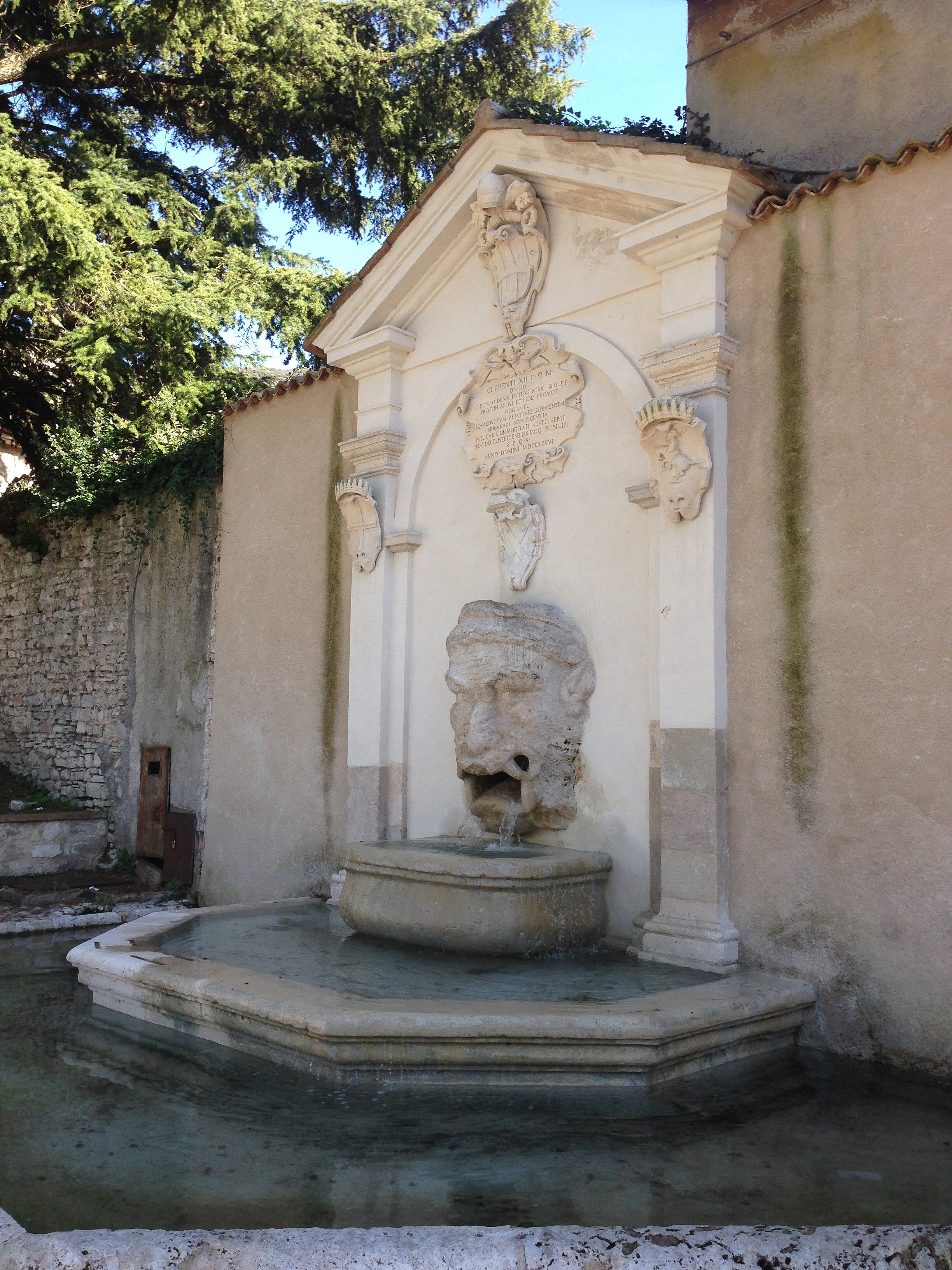
Fontanella dell'Arcivescovado – A Hidden Jewel in Spoleto’s Historic Heart
Discover the charm of Umbria’s lesser‑known fountain, soak up the medieval atmosphere, and plan the perfect day around Spoleto’s most photogenic water feature.
Introduction
If you picture Italy’s iconic fountains, the Trevi in Rome or the Fountain of the Four Rivers in Piazza Navona probably spring to mind. Yet a short stroll through the winding streets of Spoleto, Umbria, reveals a quieter, equally enchanting masterpiece: Fontanella dell'Arcivescovado. Nestled amid stone arches and pastel façades, this modest yet elegant fountain offers travelers a moment of reflection, a splash of history, and a perfect backdrop for your Instagram feed. In this guide we’ll dive into the story behind the fountain, how to reach it, the best time to visit, and the surrounding attractions that make a day in Spoleto unforgettable.
About Fontanella dell'Arcivescovado
Description
Fontanella dell'Arcivescovado (literally “the Bishop’s Little Fountain”) is a stone basin set into the historic center of Spoleto. While the exact height and altitude remain undocumented, the fountain’s simple rectangular shape, crowned with a modest cornice, reflects the practical elegance of medieval civic waterworks. Water flows from a small, gently arched opening, creating a soft murmur that blends with the chatter of locals and tourists alike.
History
The fountain is part of the larger collection of Fontane di Spoleto, a network of public water sources that date back to the Middle Ages. According to the Italian Wikipedia entry on the “Fontane di Spoleto” (see the section Fontana del Vescovado), the fountain was originally commissioned by the city’s episcopal authority to provide clean water to the surrounding neighborhoods. Over the centuries, it survived wars, earthquakes, and urban renewal, retaining its original stonework and serving as a silent witness to Spoleto’s evolving identity.
Significance
Beyond its functional role, Fontanella dell'Arcivescovado holds cultural value for the community. It marks the historic route that linked the Cathedral of Santa Maria Assunta with the bishop’s palace, symbolizing the close relationship between religious power and everyday life. Today, the fountain is a beloved meeting point for locals, a quiet spot for travelers to pause, and an essential piece of Spoleto’s heritage trail.
How to Get There
By Air
The nearest major airport is Perugia San Francesco d’Assisi – Umbria International Airport (PEG), about 80 km (50 mi) north of Spoleto. From the airport, rent a car or take a shuttle to the Spoleto train station (Stazione di Spoleto).
By Train
Spoleto is well‑connected by regional trains from Rome Termini, Perugia, and Foligno. The journey from Rome takes roughly 2 hours. Disembark at Spoleto station (coordinates 42.734915, 12.738251) and follow the signs toward the historic centre.
By Bus
Several bus lines (e.g., FlixBus and local Umbrian routes) stop at the Spoleto bus terminal, located a short 10‑minute walk from the fountain.
On Foot
From the train or bus station, the fountain lies within the pedestrian‑only historic zone. Walk south along Via Cavour, turn right onto Via San Francesco, and you’ll find Fontanella dell'Arcivescovado tucked between two centuries‑old stone buildings. The walk takes about 12 minutes and offers glimpses of medieval arches, boutique shops, and the scent of fresh espresso.
Best Time to Visit
| Season | Why Visit | Tips |
|---|---|---|
| Spring (April‑June) | Mild temperatures (15‑22 °C) and blooming gardens make the stone glow. | Arrive early to avoid the midday crowds that gather for the Spoleto Festival dei Due Mondi (July‑August). |
| Summer (July‑August) | Long daylight hours let you enjoy the fountain’s cool mist after a day of sightseeing. | Bring a refillable water bottle; the fountain’s water is non‑potable but perfect for a quick splash. |
| Autumn (September‑October) | Golden light enhances the fountain’s texture; local harvest festivals add extra vibrancy. | Check the local market schedule—often held nearby on Saturdays. |
| Winter (November‑March) | Quiet atmosphere; the fountain’s stone takes on a warm, golden hue under low winter sun. | Dress warmly; some nearby cafés may close early. |
Overall, late spring and early autumn provide the optimal blend of pleasant weather, fewer tourists, and lively local activity.
What to Expect
Stepping up to Fontanella dell'Arcivescovado, you’ll first notice the gentle sound of water spilling over the stone lip—a subtle soundtrack that instantly transports you to another era. The fountain’s basin, worn smooth by centuries of foot traffic, reflects the surrounding architecture, creating a miniature mirror of Spoleto’s pastel façades.
During peak tourist hours, you’ll see street performers, local artisans selling handmade ceramics, and families gathering for a quick photo. The area is pedestrian‑only, so you can linger without worrying about traffic. Nearby cafés spill out onto the cobblestones, offering a perfect spot to sip an espresso while watching the fountain’s water dance.
If you’re a photography enthusiast, the best angles are from the northwest corner, where the light catches the stone’s intricate carvings, and from eye level, capturing both the water’s motion and the historic buildings framing the scene. For a romantic touch, visit at sunset; the golden hour bathes the fountain in a warm glow, making the water appear amber‑tinted.
Nearby Attractions
Spoleto’s historic centre is a compact treasure trove of fountains, churches, and palaces—all within a 5‑minute walk from Fontanella dell'Arcivescovado. Here are the top spots you can easily combine into a single day itinerary:
- Ninfeo di Palazzo Racani Arroni – A graceful nymphaeum located just 0.1 km away, showcasing elegant Baroque stonework.
- Fontana di Largo Clementi – Another historic fountain a short stroll from the bishop’s fountain, perfect for a quick photo stop.
- Fonte di Piazza – A modest yet charming water source nestled in the bustling main square.
- Fontana di Piazza del Duomo – Overlooking the magnificent Cathedral of Santa Maria Assunta, this fountain offers a dramatic backdrop of the Duomo’s façade.
- Fontane di Palazzo Campello – A pair of ornate fountains adorning the historic Palazzo Campello, showcasing Renaissance detailing.
While you explore these water features, don’t miss the Spoleto Cathedral, the Roman Theatre, and the Rocca Albornoziana—all within easy walking distance.
Travel Tips
- Wear Comfortable Shoes – The historic centre’s cobblestones can be uneven. Good walking shoes will keep you comfortable for a full day of exploring.
- Carry Cash – Many small cafés and market stalls accept only cash (euros). Having a few bills on hand makes spontaneous stops hassle‑free.
- Stay Hydrated – Although the fountain’s water isn’t drinkable, you can refill a bottle at nearby cafés. Umbrian summers can be hot, especially in July and August.
- Check Festival Dates – The Spoleto Festival dei Due Mondi (late June to early August) brings a surge of visitors. Book accommodation early and consider visiting the fountain early in the morning to avoid crowds.
- Respect Local Customs – The fountain is a public heritage site. Avoid climbing on the stone basin and keep noise levels moderate, especially during evening hours.
- Photography Etiquette – If you’re using a tripod, be mindful of pedestrians and local businesses. A handheld setup works well in the narrow streets.
- Parking – If you’re driving, use the Parcheggio San Francesco (city‑run lot) just outside the historic walls. From there, it’s a short walk to the fountain.
Wrap‑Up
Fontanella dell'Arcivescovado may not have the fame of Rome’s grand fountains, but its quiet elegance, rich history, and central location make it a must‑see for any traveler exploring Spoleto or the wider Umbria region. Whether you’re a history buff, a photography lover, or simply seeking a peaceful spot to sip coffee and watch water flow, this hidden gem delivers an authentic slice of Italian life.
Plan your visit, wander the nearby piazzas, and let the gentle splash of the bishop’s fountain become a memorable part of your Italian adventure.
Buon viaggio!