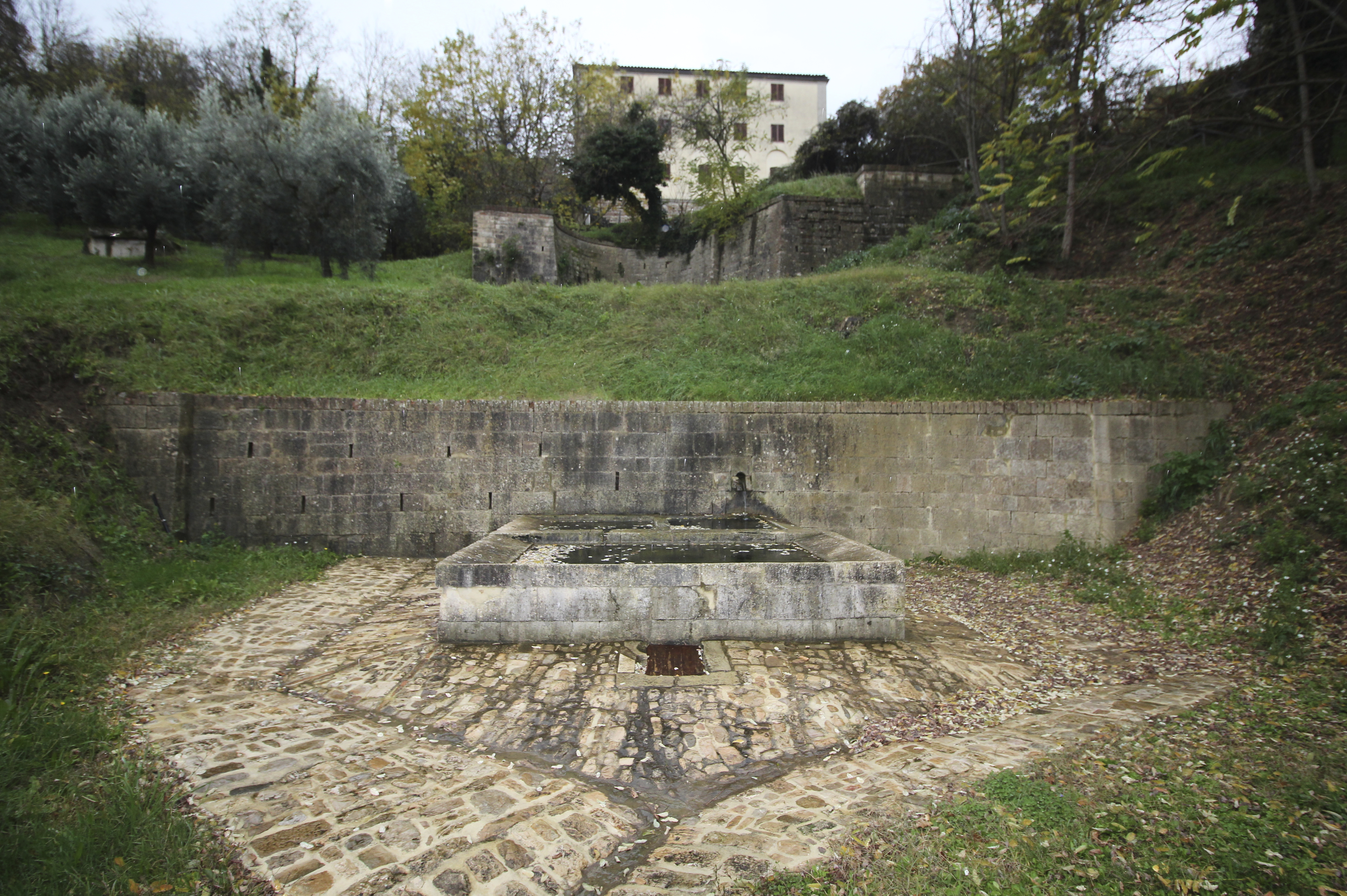
Fontana dei Bottini – A Hidden Fountain Gem in Todi, Umbria
Discover the quiet charm of one of Umbria’s lesser‑known water wonders, tucked away in the medieval town of Todi.
1. Introduction
If you’ve wandered through the winding streets of Todi and felt the pull of a cool, bubbling sound, you’re probably standing near Fontana dei Bottani – the “Fountain of the Pipes.” Unlike the crowded piazzas of Rome or the bustling fountains of Florence, this modest stone fountain offers a serene pause in the heart of Umbria. Its crystal‑clear water, historic stonework, and the gentle hum of the ancient aqueduct system make it a perfect spot for travelers seeking authentic Italian ambience away from the tourist trail.
Whether you’re a history buff, a photography enthusiast, or simply a lover of tranquil places, Fontana dei Bottani deserves a place on your Umbria itinerary. Below you’ll find everything you need to know to make the most of your visit.
2. About Fontana dei Bottani
Description
Fontana dei Bottani is a stone fountain located in the historic centre of Todi, a hill‑top town in the province of Perugia, Umbria. The fountain draws its water from a network of underground channels—bottani in the local dialect—hence the name. The water emerges from a simple, yet elegant, stone basin surrounded by a low parapet, inviting passersby to pause, listen, and perhaps dip a hand into the cool flow.
History & Significance
While precise construction dates are not recorded, the fountain is part of Todi’s medieval water‑distribution system, which supplied the town with fresh mountain water long before modern plumbing. The bottani (stone conduits) were carved into the surrounding limestone and channeled water from nearby springs, a testament to the ingenuity of Umbrian engineers in the Middle Ages.
Today, Fontana dei Bottani stands as a living piece of that heritage. It reminds visitors of the town’s self‑sufficiency and the central role water played in shaping Umbrian settlements. The fountain is also a small but beloved landmark for locals, who often gather here for a quick drink or a friendly chat.
3. How to Get There
By Air
The nearest major airports are Perugia San Francesco d’Assisi – Umbria International Airport (PEG) (≈ 70 km) and Rome Fiumicino (FCO) (≈ 170 km). From either airport, rent a car or take a regional train to Todi.
By Train
Todi is served by the Terni–Orte railway line. The closest stations are Todi and Orte. From the station, a short taxi ride (≈ 5 minutes) or a leisurely 15‑minute walk will bring you to the historic centre where the fountain sits.
By Car
Driving gives you the most flexibility to explore Umbria’s rolling hills. From A1 Autostrada (Rome‑Bologna), take the SS3 (Via Flaminia) north to Todi. Parking is available in several municipal lots just outside the medieval walls; from there, follow the signs to the Piazza del Popolo and wander toward the fountain.
Coordinates
- Latitude: 42.781723
- Longitude: 12.410526
Plug these coordinates into any GPS or mapping app for a pinpoint location.
4. Best Time to Visit
| Season | Weather | Why Visit |
|---|---|---|
| Spring (Mar‑May) | Mild temperatures (15‑22 °C), occasional rain | Blooming gardens and fewer crowds make the fountain’s reflections especially photogenic. |
| Summer (Jun‑Aug) | Warm to hot (25‑35 °C) | Early mornings are pleasant; the fountain offers a refreshing spot to cool down. |
| Autumn (Sep‑Nov) | Comfortable (17‑24 °C), golden foliage | The surrounding streets glow with autumnal hues, perfect for atmospheric shots. |
| Winter (Dec‑Feb) | Cool (5‑12 °C), occasional frost | Quietest period; you can enjoy the fountain’s peacefulness almost to yourself. |
Tip: The fountain’s water flow is year‑round, but after heavy rain the stone basin may be slightly fuller, creating a more dramatic soundscape.
5. What to Expect
When you arrive at Fontana dei Bottani, you’ll be greeted by the gentle murmur of water flowing through centuries‑old stone channels. The fountain’s modest size encourages intimate interaction—children splash their hands, locals refill reusable bottles, and photographers capture the play of light on water.
The surrounding cobblestones are typical of Todi’s medieval architecture, and the fountain is often framed by historic buildings, arches, and ivy‑clad walls. The ambience is calm, yet the occasional distant church bell adds a quintessentially Italian soundtrack.
Because the fountain is a functional part of the town’s water system, you’ll notice a subtle, fresh taste to the water—proof that the bottani still work as intended. Feel free to sip (or bring a reusable bottle) but remember to respect local customs: avoid littering and keep the area tidy.
6. Nearby Attractions
While Fontana dei Bottani is a highlight in itself, Todi and its surroundings offer several other points of interest within a short walk or drive:
- Fonte Cesia – A historic fountain just 0.3 km away, known for its elegant stonework and shaded seating area.
- Local Weir (1.6 km) – A small weir that showcases traditional Umbrian water management; perfect for a quick nature walk.
- Second Weir (6.3 km) – Slightly farther out, this weir offers scenic views of the surrounding valleys and is a favorite spot for birdwatchers.
- Waterfall A (7.6 km) – A modest waterfall tucked in a wooded gorge, ideal for a picnic and photo session.
- Waterfall B (7.8 km) – Another picturesque cascade nearby, accessible via a short hiking trail.
All of these sites can be reached by car or, for the more adventurous, by bike along Umbrian country lanes.
7. Travel Tips
| Tip | Details |
|---|---|
| Wear comfortable shoes | Todi’s historic centre is cobblestoned; sturdy walking shoes will keep you steady. |
| Carry a reusable water bottle | The fountain’s water is safe to drink and helps reduce plastic waste. |
| Visit early in the morning | You’ll enjoy softer light for photography and avoid the midday tourist rush. |
| Combine with a food stop | Nearby Piazza del Popolo hosts several trattorias where you can sample umbricchi (local dishes) such as strangozzi al tartufo. |
| Check opening hours of nearby attractions | While the fountain is always accessible, some nearby sites (e.g., museums or churches) have specific visiting times. |
| Respect local customs | Keep noise levels low, especially in the evening, and avoid feeding wildlife. |
| Plan a day trip | Pair your visit with a drive to Orvieto, Assisi, or the Lake Trasimeno region for a full Umbrian experience. |
| Stay connected | Mobile coverage is generally good in Todi, but consider offline maps for rural routes to the weirs and waterfalls. |
Final Thoughts
Fontana dei Bottani may not appear on every travel guide, but that’s precisely why it feels like a secret treasure. Its simple stone basin, the historic bottani that feed it, and the surrounding medieval charm encapsulate the authentic spirit of Umbria. Whether you’re strolling through Todi’s narrow lanes, snapping photos for your Instagram feed, or simply seeking a moment of quiet reflection, this fountain offers a memorable slice of Italian life.
Add Fontana dei Bottani to your itinerary, explore the nearby attractions, and let the gentle flow of its water remind you that sometimes the most rewarding travel experiences are found in the quiet corners of a historic town.
Keywords: Fontana dei Bottani, fountain in Umbria, Todi travel, things to do in Todi, Umbria attractions, hidden gems Italy, medieval water system, Italian fountains, travel to Umbria, Todi sightseeing