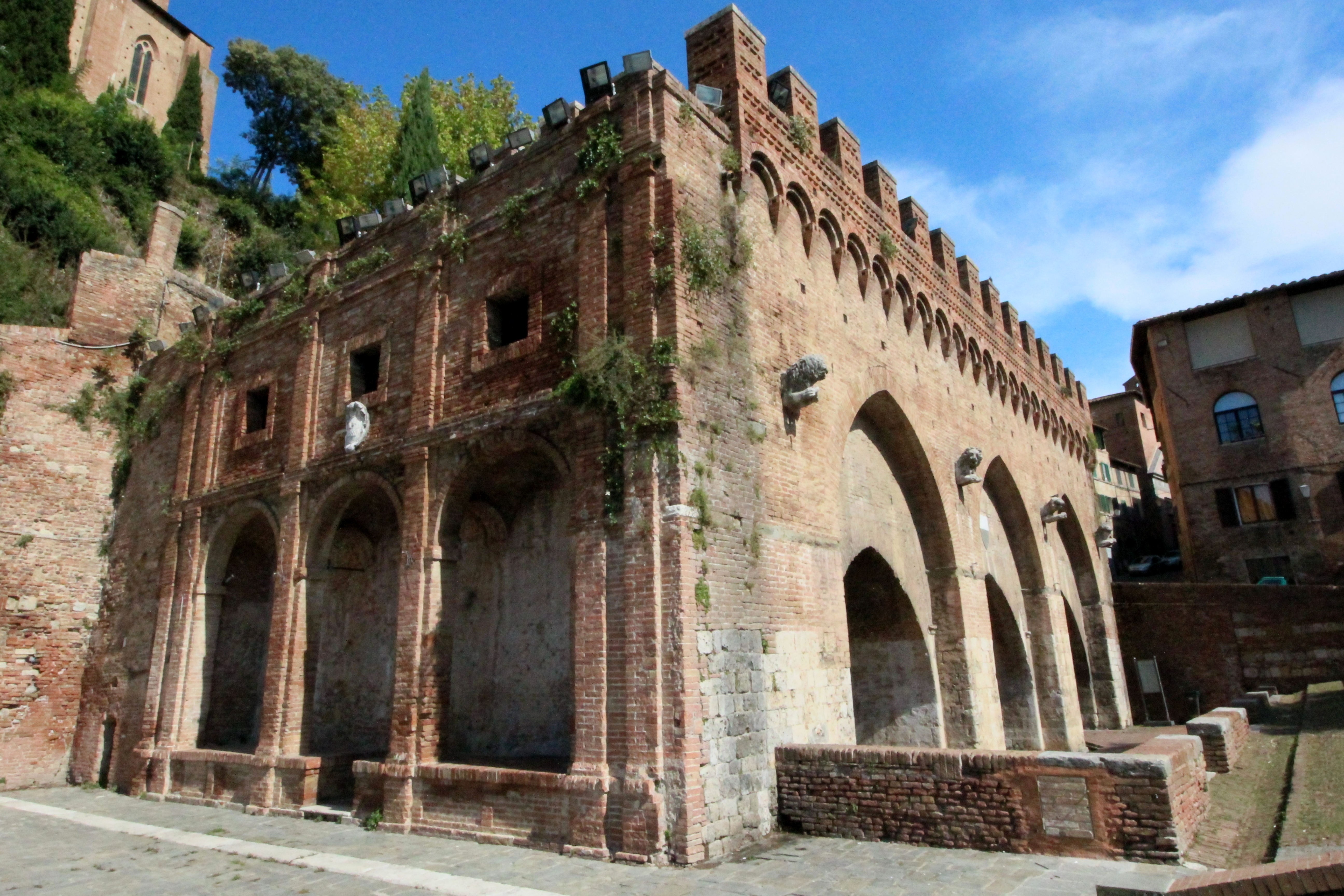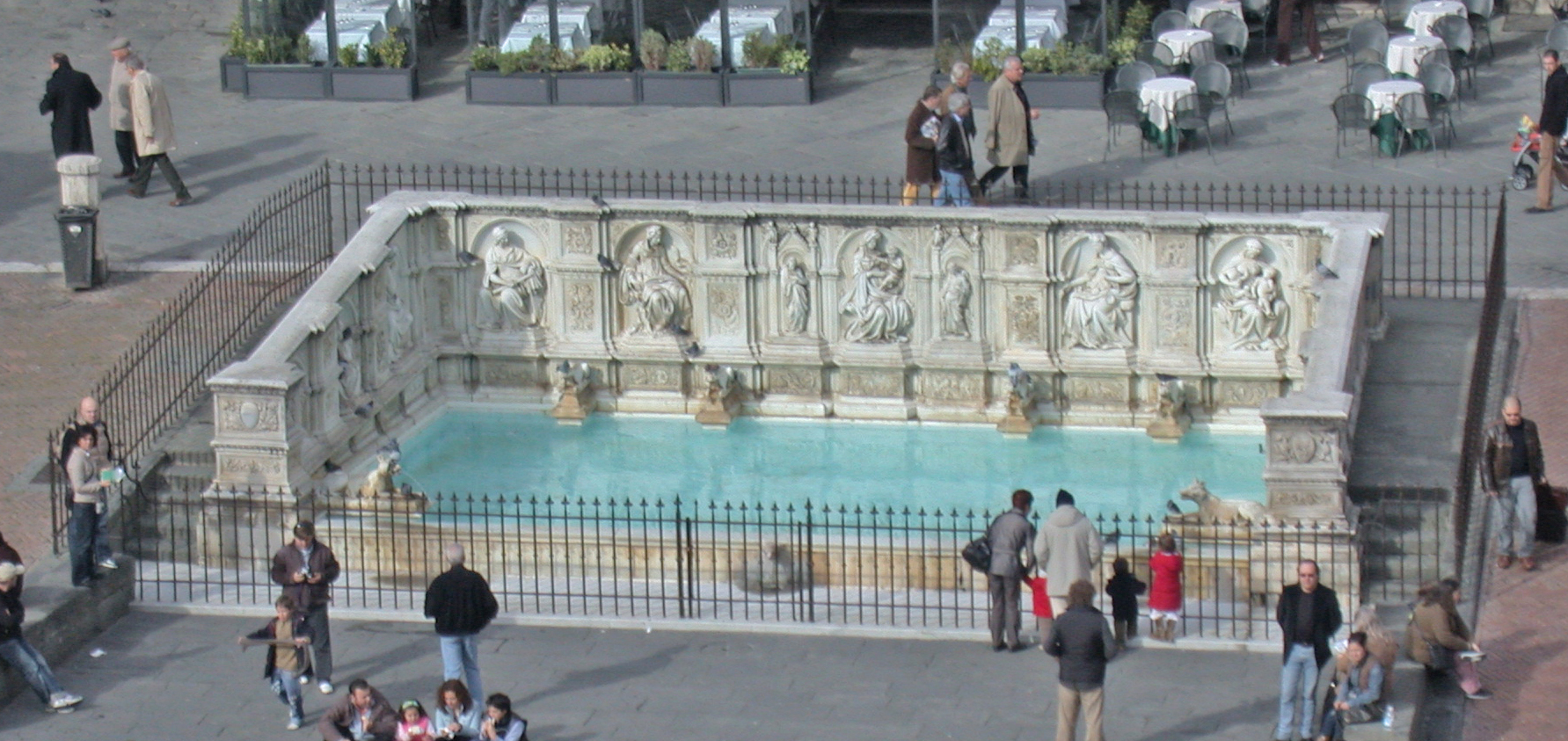
Fonte Gaia – Siena’s Timeless Fountain in the Heart of Tuscany
If you’ve ever dreamed of stepping into a living postcard of medieval Italy, the first stop on your Tuscan itinerary should be Fonte Gaia. Nestled in the bustling Piazza del Campo, this marble masterpiece has been drawing travelers, locals, and artists alike for centuries. In this guide we’ll explore the fountain’s history, how to reach it, the best moments to soak in its beauty, and the charming nearby spots that complete the Siena experience.
1. Introduction
Imagine strolling through the sun‑kissed streets of Siena, the scent of fresh bread wafting from nearby bakeries, and suddenly you’re standing before a fountain that seems to have been chiseled from a dream. Fonte Gaia—literally “Fountain of Joy”—does exactly that. Its graceful arches, sculpted saints, and crystal‑clear water have become an iconic backdrop for the city’s famous Palio horse race and countless Instagram shots. Whether you’re a history buff, a photography enthusiast, or simply a wanderer seeking a slice of authentic Italian charm, Fonte Gaia is the perfect place to pause, reflect, and let the rhythm of Siena’s medieval heart beat through you.
2. About Fonte Gaia
A Brief Description
- Type: Fountain ⛲
- Location: Piazza del Campo, Siena, Tuscany, Italy
- Coordinates: 43.318727 N, 11.331385 E
Fonte Gaia stands at the centre of Siena’s famous shell‑shaped Piazza del Campo, the same square that hosts the thrilling Palio di Siena twice a year. The fountain is built from pristine white marble and features a series of sculpted figures that celebrate both religious devotion and civic pride.
Historical Roots
According to the Italian Wikipedia entry on Fonte Gaia, the fountain was commissioned in the early 14th century as a replacement for an older water source that had become insufficient for the growing city. The original design is attributed to Jacopo di Mino del Pellicciaio, a Sienese sculptor who worked alongside Lorenzo Maitani, the architect behind Siena’s stunning cathedral façade.
The name “Gaia” (meaning “joyful” or “cheerful”) reflects the fountain’s role as a gathering point for Siena’s residents. Over the centuries, the fountain has undergone several restorations, most notably in the 19th century when the original marble statues were replaced with copies to preserve the delicate originals.
Cultural Significance
Fonte Gaia is more than a decorative water feature; it is a symbol of Siena’s resilience and artistic heritage. The fountain appears on countless postcards, travel guides, and even on the city’s official tourism logo. Its presence in the middle of the bustling piazza makes it a natural meeting place for locals, a backdrop for festivals, and a must‑see landmark for every visitor to Tuscany.
3. How to Get There
By Air
- Closest airports: Florence (Pisa International Airport) and Rome (Fiumicino). Both airports have regular train or bus connections to Siena.
- From Florence: Take a high‑speed train to Siena (≈ 1 hour 30 minutes) and then a short 10‑minute walk north to Piazza del Campo.
By Train
- Main station: Siena Railway Station (Siena‑Porta Nuova). Direct regional trains run from Florence, Rome, and Bologna.
- From the station: Exit onto Via delle Terme, turn left onto Via dei Rossi, and continue straight for about 500 m. The towering medieval walls will guide you to the historic centre; the fountain will be visible from the entrance of the piazza.
By Car
- Parking: Siena’s historic centre is a ZTL (limited traffic zone). Use the Parking Il Campo or Parking Stadio on the city’s outskirts, then walk or take a short shuttle bus to the piazza.
- Driving directions: From the A1 highway, take the Siena exit, follow signs for Via di Siena, and continue straight until you reach the city walls.
By Bus
- Local buses: The Tiemme bus line connects the train station with the city centre. Look for the stop “Piazza del Campo – Fonte Gaia.”
Walking & Cycling
Siena’s historic centre is compact and pedestrian‑friendly. If you’re staying in a nearby boutique hotel or B&B, a leisurely 5‑minute walk will bring you straight to the fountain. The city also offers a bike‑share program, but note that many streets are cobblestoned and steep, so comfortable shoes are essential.
4. Best Time to Visit
| Season | Why It Works | Tips |
|---|---|---|
| Spring (April‑June) | Pleasant temperatures (15‑25 °C), blooming gardens, fewer crowds than summer. | Arrive early morning to catch the soft light on the marble. |
| Early Autumn (September‑October) | Warm days, golden light, and the Palio atmosphere begins to build. | Combine your visit with a wine tasting tour in nearby Chianti. |
| Winter (November‑February) | Quiet streets, magical evening illumination of the fountain. | Dress warmly; the piazza can be chilly after sunset. |
| Summer (July‑August) | Vibrant energy, street performers, and longer daylight. | Beat the heat by visiting early (7‑8 am) or late (after 8 pm) when the fountain glistens under lanterns. |
Special Note: If you’re lucky enough to be in Siena during the Palio di Siena (July 2 and August 16), the piazza will be packed with spectators, flags, and a festive buzz. While the fountain remains accessible, expect crowds and limited space for photos.
5. What to Expect
Visual Feast
- Marble Mastery: The fountain’s white marble glistens under the Tuscan sun, creating a striking contrast against the red‑brick buildings that line the piazza.
- Sculptural Details: Look up to see saints, angels, and allegorical figures carved in high relief. Each statue tells a story of Siena’s religious devotion and civic identity.
- Water Play: The gentle cascade provides a soothing soundtrack, especially during the hot summer months.
Atmosphere
- A Living Square: Piazza del Campo is a bustling hub of cafés, gelaterias, and street musicians. You’ll hear the clink of espresso cups, the chatter of locals, and occasional horse‑hooves during the Palio.
- Photographer’s Paradise: The fountain’s central position offers 360° photo opportunities. Capture the sunrise reflecting off the water, or the golden hour glow that bathes the entire piazza.
Sensory Experience
- Taste: Grab a crostino or a slice of panforte from a nearby stall and enjoy it while admiring the fountain.
- Touch: While you can’t climb the marble, you can feel the cool mist on your skin on a warm day—a refreshing reminder of Siena’s medieval engineering.
6. Nearby Attractions
While Fonte Gaia steals the spotlight, the surrounding area is peppered with equally charming fountains and historic sites—all within a short walk. Below are the top nearby spots (distances measured from Fonte Gaia):
-
Fontanina della Contrada della Civetta – 0.1 km
A tiny fountain representing the Owl (Civetta) district, perfect for a quick photo stop. -
Fontanina della Contrada del Leocorno – 0.2 km
Dedicated to the Unicorn (Leocorno) district, this fountain adds a whimsical touch to the historic streets. -
Fonte del Casato – 0.2 km
A lesser‑known but beautifully restored fountain that showcases local stonework. -
Fontanina della Contrada della Giraffa – 0.3 km
Named after the Giraffe (Giraffa) district, this fountain is a favorite among locals for its serene setting.
Quick tip: All of these fountains are within a 5‑minute walk from Fonte Gaia, making it easy to create a “fountain trail” while you explore Siena’s medieval heart.
7. Travel Tips
- Timing is Everything – Arrive at sunrise (around 7 am) to avoid crowds and capture the soft morning light on the marble.
- Dress Comfortably – Cobbled streets can be uneven. Wear supportive shoes and bring a light jacket for evenings.
- Stay Hydrated – Siena’s summer heat can be intense. Carry a reusable water bottle (refill at the fountain’s basin after the first sip).
- Respect the Space – Fonte Gaia is a working fountain and a historic monument. Avoid climbing on the statues and keep noise levels moderate, especially during religious festivals.
- Capture the Moment – For the best photos, use a polarizing filter to reduce glare on the water, and experiment with low angles to emphasize the intricate carvings.
- Combine with a Food Break – The piazza is lined with cafés offering caffè and gelato. Try the local specialty, Ricciarelli, while you soak in the scenery.
- Plan for the Palio – If your travel dates coincide with the Palio, book accommodation well in advance and be prepared for street closures around the piazza.
- Use a Local Map App – Apps like Google Maps or Rome2rio provide real‑time walking directions and indicate the ZTL boundaries.
Final Thought
Fonte Gaia isn’t just a fountain; it’s a living slice of Siena’s soul, a meeting point where history, art, and daily life converge. Whether you’re watching the water sparkle under a Tuscan sunset or sipping espresso at a nearby café, the fountain invites you to pause, breathe, and feel the timeless rhythm of this enchanting city.
Ready to add Siena’s most joyful landmark to your travel bucket list? Pack your camera, lace up your walking shoes, and let Fonte Gaia be the centerpiece of your Tuscan adventure.
Keywords: Fonte Gaia, Siena travel guide, Tuscany fountains, Piazza del Campo, things to do in Siena, how to get to Fonte Gaia, best time to visit Siena, Italian medieval architecture, travel tips Siena, nearby attractions Siena.